




Let’s be honest… If you’ve played a Soulslike in the past five years, you’ve probably developed a sixth sense. You can spot the genre staples from a mile away: bonfire-like checkpoints, moody landscapes, brutal boss fights, looping level design, and the classic risk/reward loop of “die, learn, repeat.” So when I first saw the trailer for Wuchang: Fallen Feathers, my instinct was: Cool setting, but is it just another copy-paste Soulslike? Now that I’ve rolled credits, the answer is both yes and no.
Yes it follows the formula closely. You’ll dodge-roll through deadly enemy combos, master weapon movesets, and unlock shortcuts in ruined temples and haunted villages. But no it’s not just a re-skin. Wuchang stands out with its late Ming dynasty setting, its dodge-first combat system, and a haunting, plague-infested world drawn from Chinese folklore. It’s not revolutionary, but it’s confidently made and when it hits its stride, it really works.
Combat: All About the Dodge
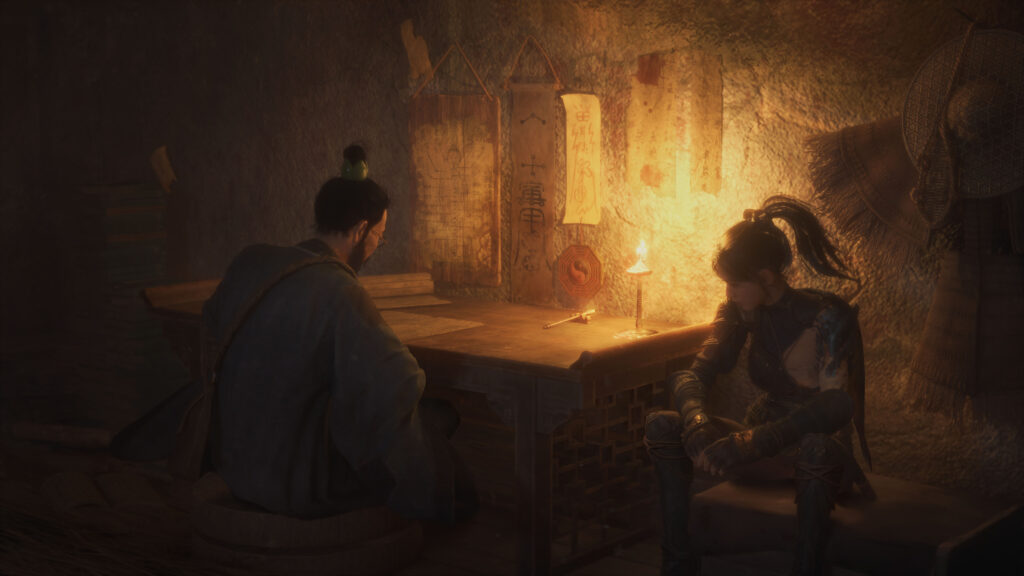
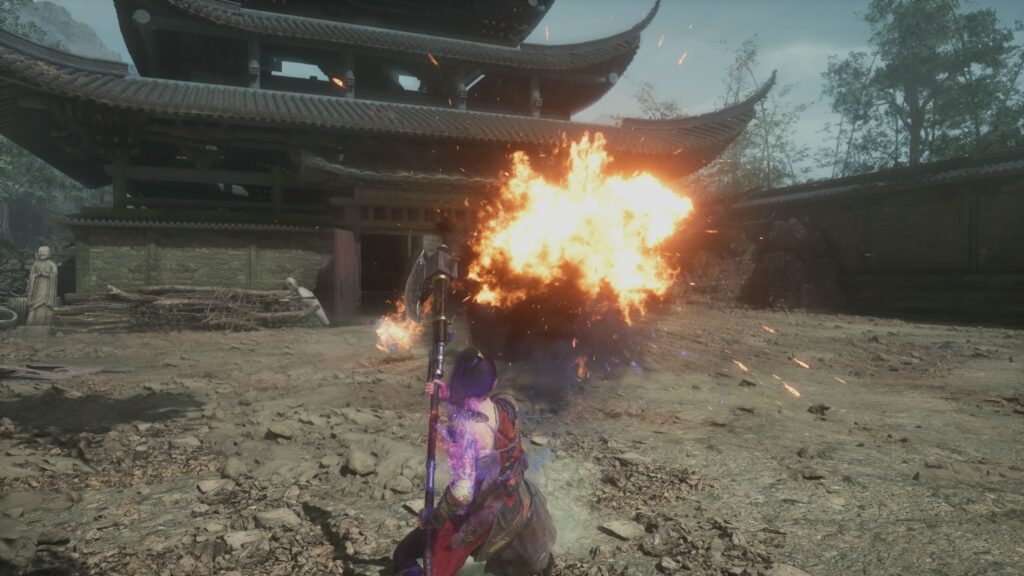
The core combat loop is fast, fluid, and built around dodging not blocking or parrying. There’s no stamina bar, so you’re never limited by a green meter. Instead, timing and positioning are everything. Here’s how it works: if you dodge at just the right moment, you trigger a “perfect evade,” which fills up a Skyborn Might meter. Once it’s full, you can unleash powerful special attacks that break enemy guards or deal massive damage. It’s a satisfying system that rewards precision not spammy aggression. Enemies hit hard but they telegraph just enough to give you a fair shot. You’ll die, sure but it rarely feels cheap. Bosses, in particular, are challenging in a good way. They demand focus and adaptation. One minute you’re getting wiped, the next you’re weaving through attacks like a pro, landing a killing blow with a perfectly timed Skyborn skill. That kind of growth loop? Very satisfying.
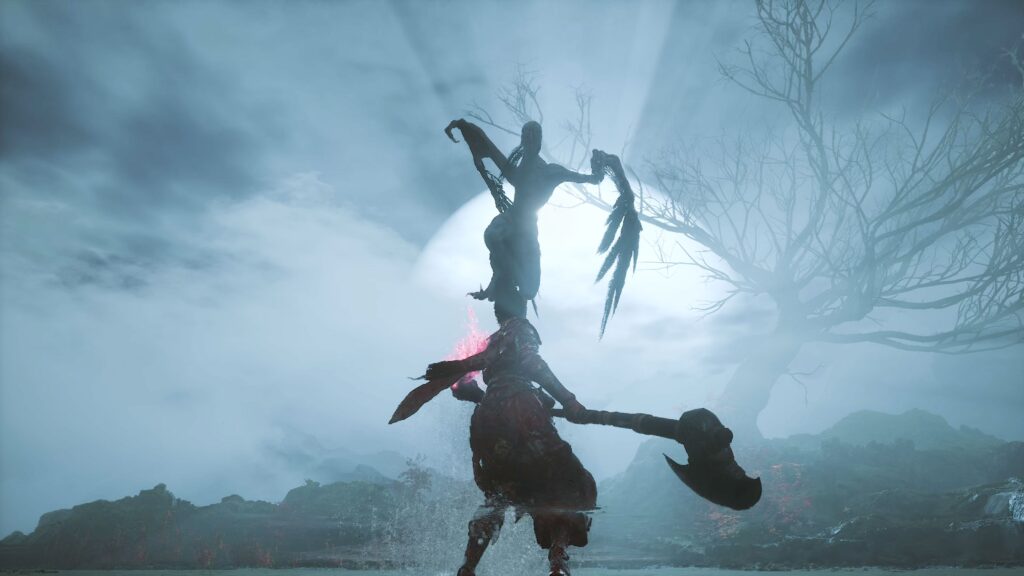
Weapons have solid variety: curved blades, heavy spears, twin sabers, axes, and more. I ran a finesse-heavy build using dual swords, but I tested heavier weapons and the game supports both fast and slow playstyles well. There are around 25 weapons total, and each comes with its own flavour and skill set. Magic and ranged options exist but they’re undercooked. You get some spell-like abilities and throwing tools, but they feel secondary. If you’re hoping for a robust caster build, prepare to be underwhelmed, especially early on.
The World: Beautiful and Bleak
One thing Wuchang does better than most is setting a tone. The world is steeped in a supernatural version of Ming dynasty China, where a mysterious affliction called the Feathering turns people into monstrous husks. You travel through foggy forests, crumbling villages, and eerie ruins that all feel soaked in decay. Visually, it’s stunning. Lighting, weather, and environmental design are all top-tier for a mid-budget game. The art direction leans dark and grotesque but never leans into edge-lord territory. It feels eerie and elegant more “ghost story” than “gore fest.” Enemy designs are steeped in folklore and history. You’ll fight spectral warriors, cursed monks, and feathered monstrosities that look like they crawled out of an ancient myth. The variety isn’t endless, but what’s here is cohesive and well thought out. Unfortunately, that same care doesn’t always carry over to the story.
Story & Characters: Cool Ideas, Flat Execution
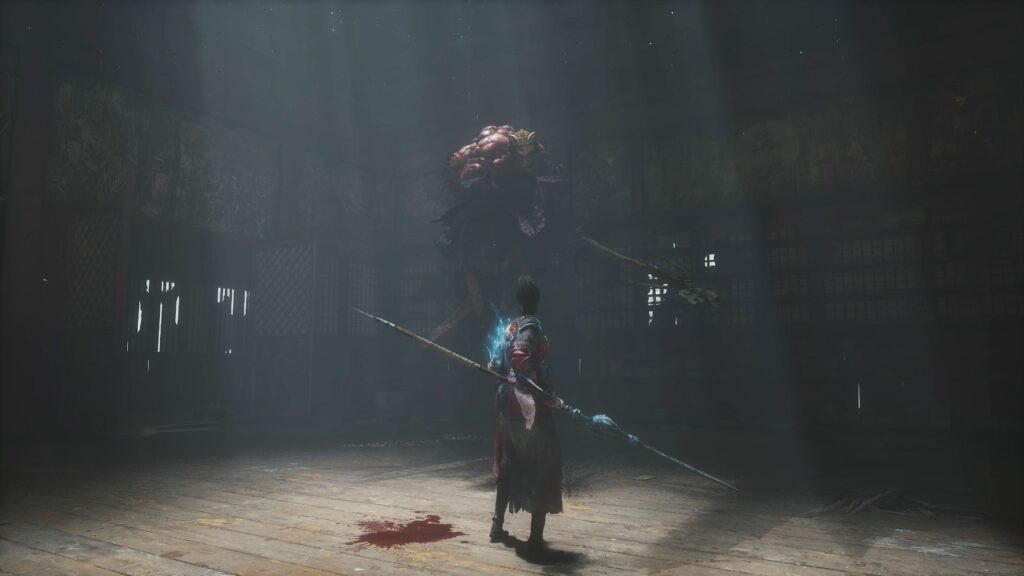
The world has lore. There’s a disease, warring factions, ancient powers but the actual story that unfolds during the game is pretty thin. You play as Wuchang, a warrior cursed by the Feathering herself, and while there are choices and multiple endings, the narrative never really takes off. Dialogue is stiff and NPCs mostly exist to push you toward the next zone. Some quests hint at deeper consequences but even those rarely feel meaningful. I didn’t walk away thinking about the characters, or what it all meant I was mostly there for the fights and the scenery.
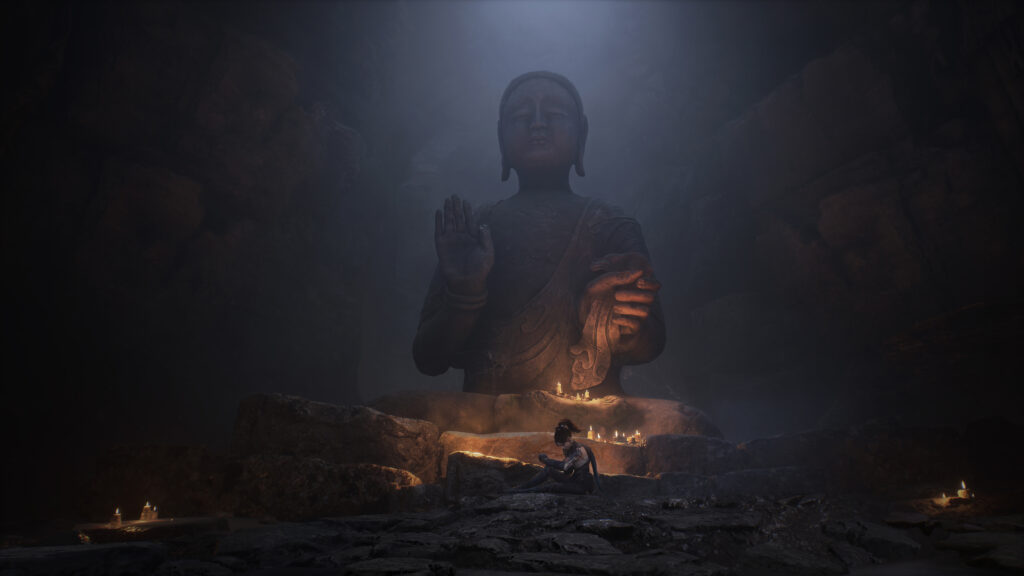
The voice acting is hit-or-miss. I ended up switching to the original Chinese VO, which feels more natural. The English dub isn’t unplayable, but it’s definitely rough around the edges. Subtitles also have minor translation quirks that break immersion if you’re paying close attention. It’s not a dealbreaker, but if you’re looking for a gripping, character-driven journey, you’re not getting it here.
Progression & Builds
Wuchang’s progression system is standard fare, but it works. You level up by investing in six core stats—Might, Finesse, Wisdom, Vitality, Focus, and Spirit. These determine what weapons and skills you can use, how tanky you are, and how fast you generate Skyborn energy. There is also a branching upgrade tree tied to the Feathering curse that lets you unlock passive bonuses, combat buffs and a few utility skills. It’s not super deep but it adds flavor and gives you some extra build freedom beyond basic stat scaling. Weapon upgrades follow the usual loop: collect materials, invest at the blacksmith, scale up damage. You can also respec later on, which makes experimentation painless. I tried a few builds and while melee-focused paths are the clear star of the show, there is some room to get weird. I just wish the game pushed harder into hybrid styles—maybe let spellcasters really lean in, or give ranged builds more bite.
Performance & Polish
I played on PC with a mid-tier setup (RX6600XT, 16GB RAM), and the game ran smoothly at 60 FPS on high settings. No crashes, no game-breaking bugs. The occasional animation jank or camera hiccup during tight boss fights, but nothing unusual for the genre. Menus are clean. Load times are fast. The UI isn’t flashy, but it’s functional. The only real gripe I had was with the lock-on system. It struggles with flying or fast-moving enemies and can be frustrating in narrow areas. But again, this isn’t unique to Wuchang even AAA Soulslikes stumble here.
Real Talk
Wuchang: Fallen Feathers doesn’t try to rewrite the genre. It sticks to what works: tight melee combat, atmospheric world design, and challenging boss fights. But it adds its own cultural flavor and does a better job than expected for a debut title. The story’s forgettable, the ranged/magic systems are thin, and some polish is missing—but those flaws are easy to overlook once you’re locked in, dodging through deadly combos and landing brutal counters. If you’re a fan of Sekiro, Lies of P, or Wo Long, this one’s worth your attention. It’s not perfect, but it’s confident, stylish, and—most importantly—fun to play.
FINAL SCORE: 82/100
Wuchang: Fallen Feathers Review
Wuchang: Fallen Feathers ReviewThe Good
- Fluid, dodge-focused combat with satisfying counters
- Beautiful, folklore-rich setting
- Challenging, fair boss fights
The Bad
- Weak story and bland NPCs
- Limited magic/ranged build options
- Occasional camera and lock-on issues