


If you ask someone online what The Dark Eye is, they’d probably point to the rules-heavy German PnP RPG. There are a couple of cool video games like Drakensang, Blackguards, and Chains of Satinav. But we’re not talking about this Dark Eye today. In 1995, a little-known adventure game titled The Dark Eye adapted from the stories of a well-known Gothic writer, graced store shelves and disappeared into obscurity soon after. 30 years after the fact, The Dark Eye is returning to digital storefronts as Edgar Allan Poe’s Interactive Horror: 1995 Edition, courtesy of GMedia.
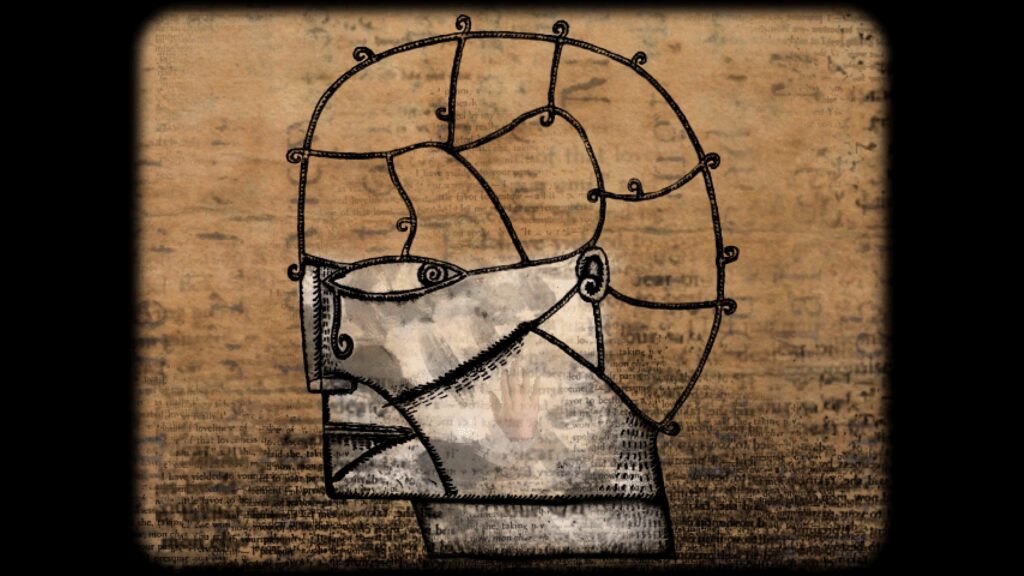
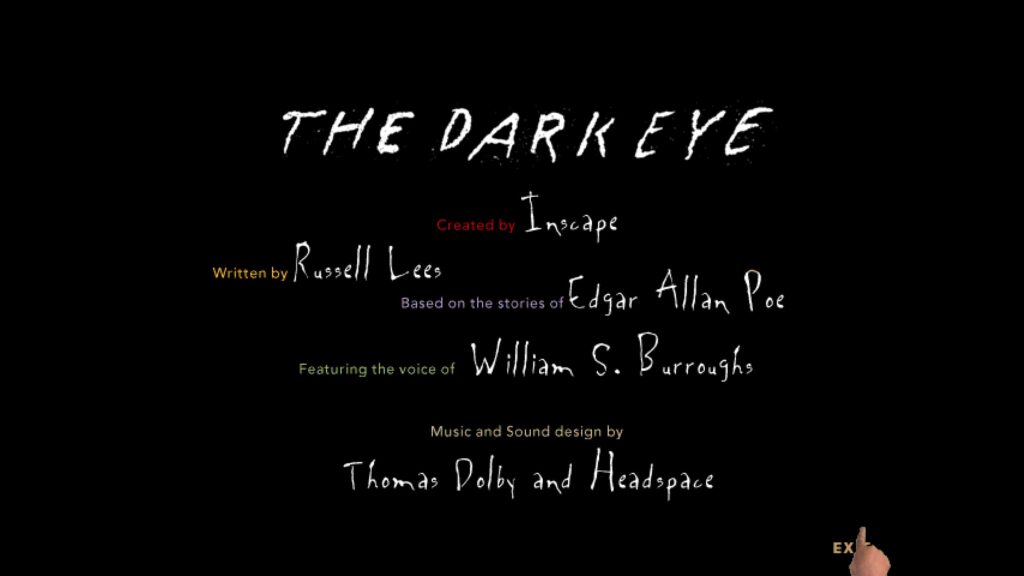
Originally titled The Dark Eye, the point-and-click adventure game developed by Inscape adapted three renowned stories of the now-legendary American writer Edgar Allan Poe. Lovecraft gets shit for being hard to adapt to other media. He doesn’t have anything on the master of macabre in this regard. The Dark Eye was the first (and only, AFAIK) video game adaptation of Poe, and it’s easy to see why. The Dark Eye adapts The Cask of Amontillado, The Tell-Tale Heart, and Berenice, three of Poe’s disturbing tales, to tremendous results. Blending early 3D visuals and claymation with narration by William S. Burroughs and a haunting score composed by Thomas Dolby, Chuck Mitchell, and Blake Leyh, The Dark Eye Edgar Allan Poe’s Interactive Horror: 1995 Edition crafts an experience that feels distinctly otherworldly and genuinely disturbing. It’s one of those “you had to be there” kind of games. Adventure games have come a long way since then. On the flip side, the 30-year-old clay models look even more uncanny in 2026, and that just elevates the creepiness to another level.
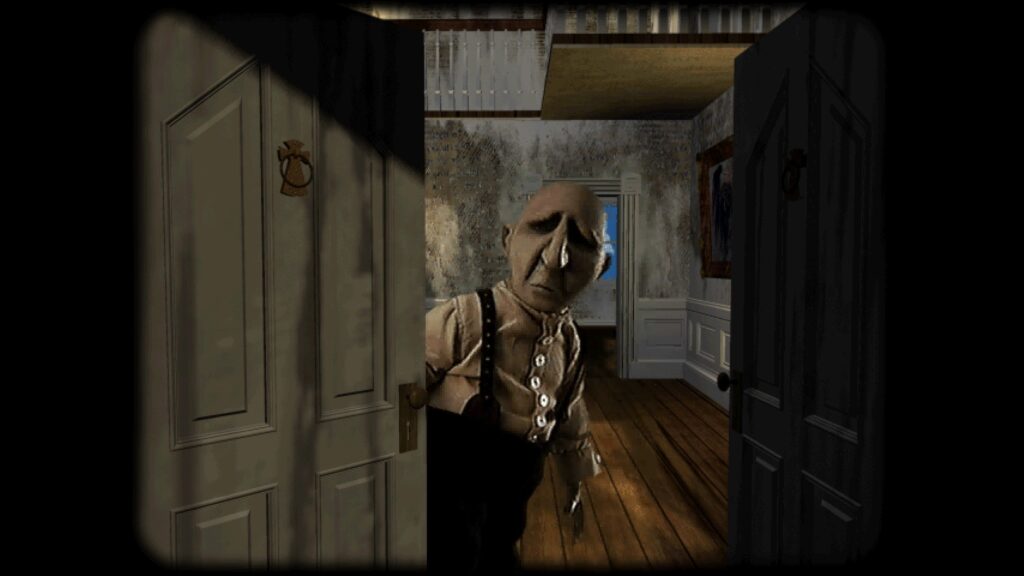
I’ll admit it—Edgar Allan Poe’s Interactive Horror is unmistakably a product of its era. The core gameplay mostly revolves around randomly clicking on objects in the environment to trigger story progression. Unlike many early adventure titles, it features very few traditional puzzles. As the updated name suggests, it functions more as an interactive narrative experience than a conventional game. In true 90s adventure game fashion, it can get quite confusing at times due to the total lack of any direction. As much as I hate it, I highly suggest that you experience the game with a walkthrough at hand (even though they are few in number). It’s not a very long game and can be completed in around 2 hours. If you do not know what you’re doing, then it’s going to be much longer than that.
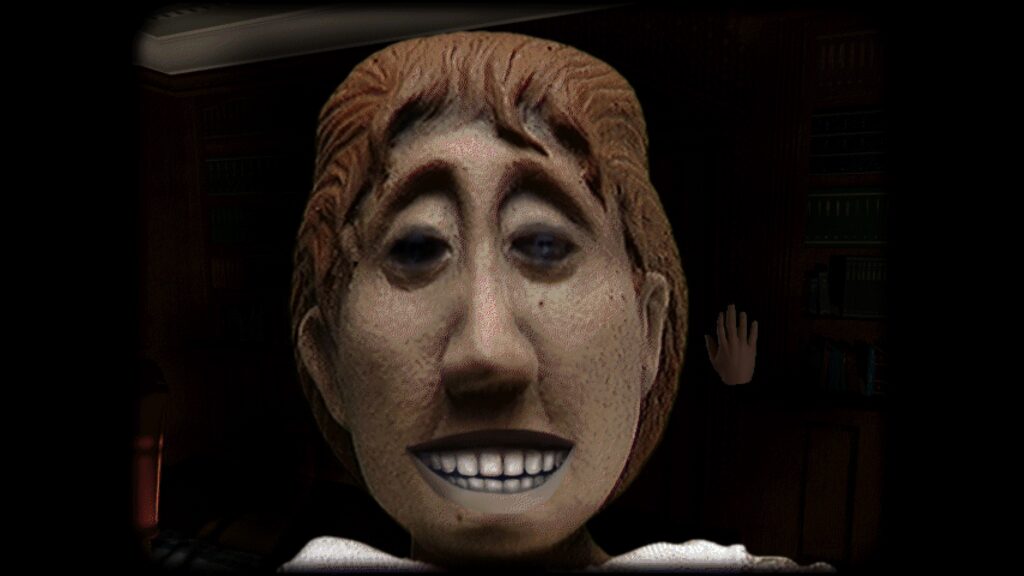
That being said Its best parts hold a shimmer even today. Inscape didn’t copy and paste three of Poe’s stories and call it a day. Instead, they took the main threads and interwove them with an overarching plot. They even inserted elements of Poe’s own life into the game. There is a murder in each of the three stories, and players are put in the shoes of the murderer and the victim, a unique angle you do not see much these days. This way, you experience each story twice as the perspectives constantly shift. It’s easy to lose sight of the stories if you are not paying close attention. The game embraces a deeply psychological approach to horror—well before titles like Silent Hill popularized the style—and explores themes of addiction, revenge, and mental instability, all hallmarks of Edgar Allan Poe’s literary sensibilities. If you’re a fan of Poe and love video games, treat yourself to this oddity from a different time and space.
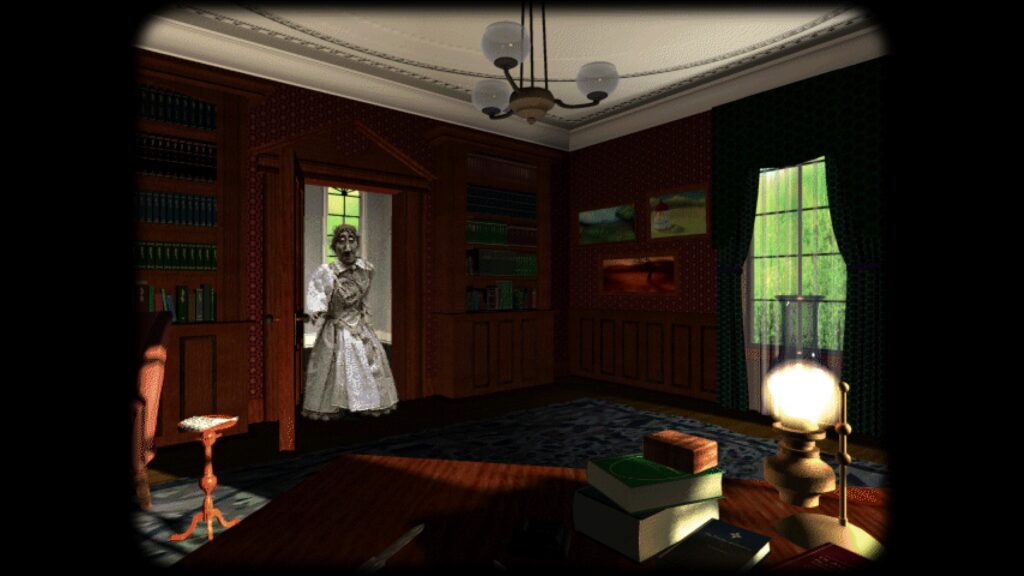
Awkward name change aside, GMedia has done a fantastic job in preserving the original experience. Edgar Allan Poe’s Interactive Horror: 1995 Edition is not a remaster or a remake but rather a simple re-release with compatibility support for modern systems. Meaning, aside from the name change (due to “overlapping trademark registrations with other long-standing franchises in the market“), the game is exactly as you remember. The only changes are on the back-end side of things. It’s running on ScummVM, rather than DOSBox, and supports Steam achievements. At the same time, it lacks even the most basic QoL features, like subtitles. There’s not even any way to adjust the volume of the game. According to GMedia, they wanted to “preserve the authentic experience of the original 1995 version.” That’s a long-winded way of saying that “we couldn’t bother to”. But hey, they bothered to re-release a long-lost piece of obscure horror game history, and that counts for a lot.
Real Talk
It would be unfair to judge a 30-year-old video game’s re-release, especially when it arrives with minimal alterations. Instead, the more fitting response is to commend GMedia for its role in preserving gaming history. Thanks to this effort, a new generation of Edgar Allan Poe enthusiasts can experience The Dark Eye in its original form. With renewed interest, perhaps more adaptations of Poe’s work will emerge in the years ahead. That said… out of all the possible titles, Edgar Allan Poe’s Interactive Horror: 1995 Edition was the best you could do?
