

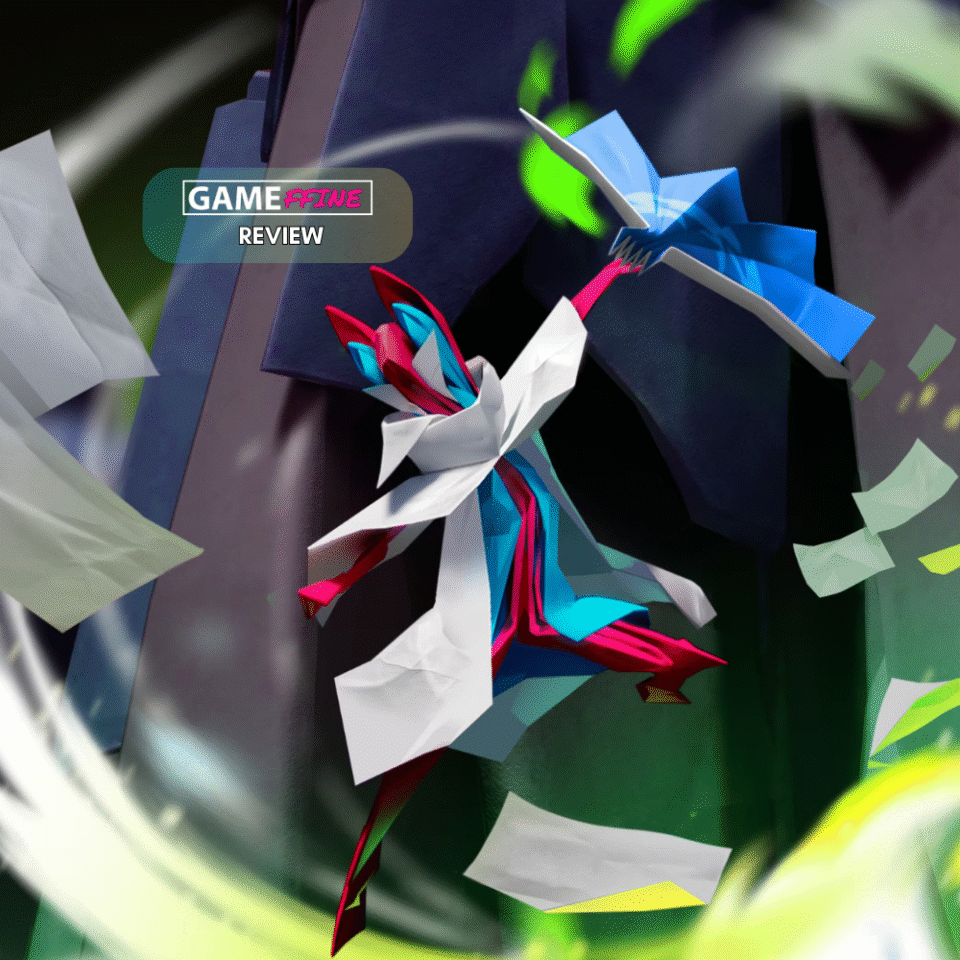



Indie releases this year have been nothing short of remarkable, offering a diverse lineup of titles across genres that filled the gap left by the slowing AAA space. With GTA 6 delayed and major studios forced to reshuffle their schedules, the AAA calendar turned unusually sparse, relying heavily on predictable remasters and low-risk clones of past successes. Indie developers, in contrast, delivered bold and imaginative projects that drew attention even from the most dedicated AAA fans. Among the highlights is No, I’m Not a Human, a striking analog horror experience that makes even the sanest of people go paranoid. It blends an unsettling atmosphere with mechanics reminiscent of Papers, Please and delivers a story that lingers long after completion.
No, I’m Not a Human is an analog horror video game that takes clear inspiration from the mechanics of Papers, Please. It launched on Steam on September 15, 2025, with a console release planned later this year — because peak horror like this shouldn’t be limited to just PC players. Developed by Trioskaz and published by Critical Reflex, the game feels like the next evolution of analog horror, reimagined for a Gen Z audience.
A Tale of Fear and Control
No, I’m Not a Human takes the fear of the unknown to the next level. Everything in the game is pitched from a hypothetical perspective, adding to the scares that will happen as the game progresses. In No I’m Not a Human, the sun has started radiating a lot more energy than usual. This means any form of activity outside the house during the day will kill anyone. In such chaos, human-like creatures have come out from under the ground and have started killing people en masse. The main goal of the game is to survive all of the days, while ensuring no one kills the player. In this cruel new reality, a lot of things can potentially kill the player at any point in the game – surviving requires decision-making at many key points and planning stuff from before so that nothing comes as a surprise.
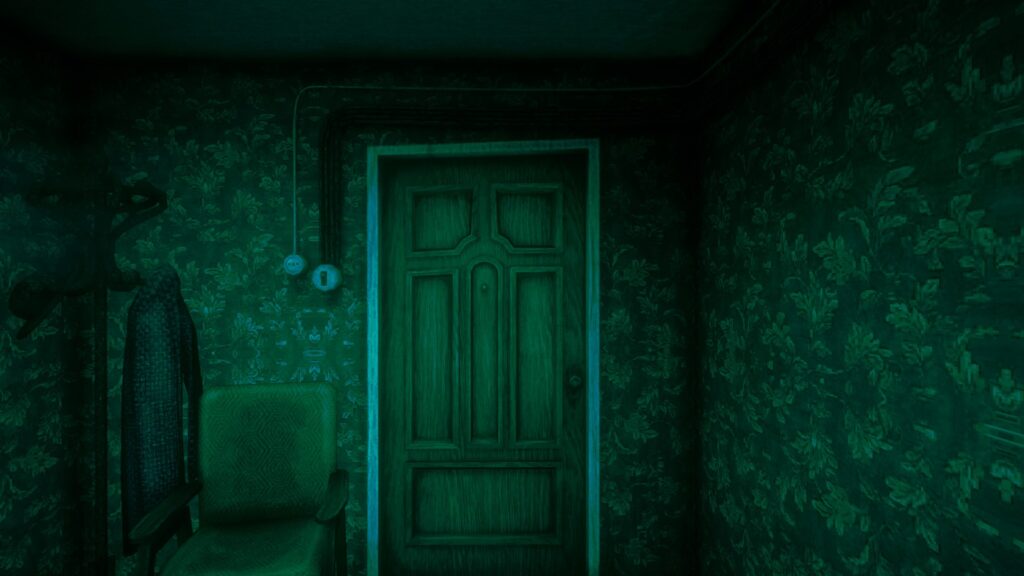
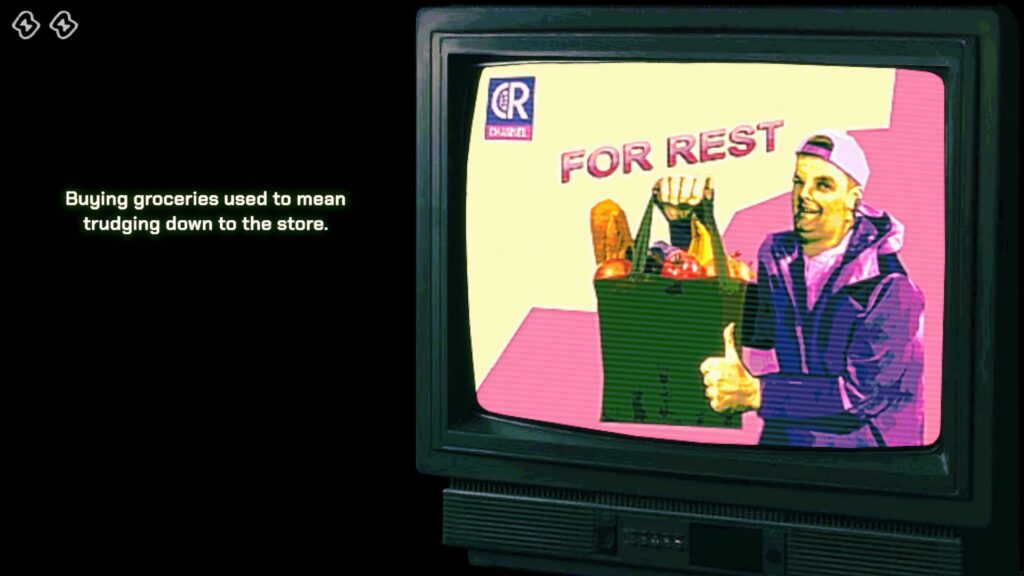
The main sources of information about world events are both the television and the radio, while the television also talks about the various ways of telling a human apart from a Visitor. The problem is, there is no accurate way of spotting a Visitor from a human – the signs that appear on TV are vague signs like red eyes, white teeth, and clean armpits. Yeah, signs that literally normal humans can have too, under certain conditions (one can get red eyes from insomnia, white teeth from proper brushing and flossing, and clean armpits from shaving). A unit of the army, called the Federal Emergency Management Agency (or FEMA for short), has been mobilized to deal with the problems of this “new world”. As time goes on, the panic within the household escalates – as more catastrophic events start happening (Visitors killing hordes of FEMA soldiers as well as normal humans in quarantine zones, FEMA taking control of the government by arresting key government officials who were “identified” as Visitors, and so on), leading to one of the key endings in the story.
Certain humans in the story also help lead the game to a different ending depending on the player’s choices. The most prominent ones that players are going to encounter is the pale human and the vigilante, both of whom lead to different endings depending on player choices. From the lore, it becomes apparent that most humans who have become Visitors are either unaware of the change or are actively resisting it from within. The pale human is an exception – he is a Visitor who is aware that he’s a Visitor, and he viciously uses his identity to strike terror in the hearts of all humans and FEMA officials alike. The pale human can kill the player at certain instances of the game if he finds him alone, while the vigilante will want to check the player for symptoms of Visitors before deciding to use his rifle to take care of the “problem” if the check fails. Certain other weird humans also trigger different endings – the game has as many as sixteen different endings, with the two default ones. Despite the endings being up to the player’s interpretation, most endings are not super positive by nature, something that keeps in line with the doom and gloom tone within the game.
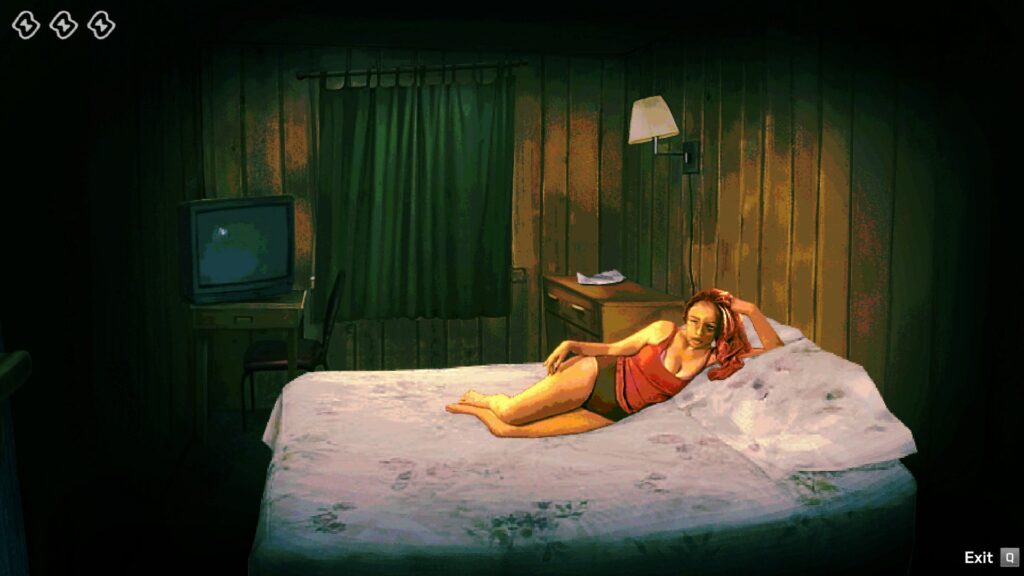
While the story is heavily focused on adding elements of fear, suspense, drama, and paranoia, it fails to develop the player’s character in a meaningful way. The demos published during the Steam Next Fest had some meaningful content explaining why the player’s character feels lonely, but hates having to interact with people. Some of the posters on the walls and in the main bed suggest that the player’s wife might have passed away, which developed depressive tendencies within the player, forcing him to cut out interactions with the outside world. This was present even in his dialogues with his neighbor, but seemed to have been removed in the final build of the game. A phone call does reveal that the player’s character had an abusive father, but that subplot is never expanded upon and is kind of suppressed after that. There is even a subplot about the personification of Death, which has little explanation (and is mostly left to the players for their own interpretation). The story even does not expand upon some of the key character’s stories, like the pale man’s (he suggests that there is a bigger entity at play here, but never explains what it actually is) or the bald guy’s (he gives a piece of fortune and talks about the future, but nothing much sheds light on his prophecies later on). Expanding the play time by a bit more and talking about more lore would definitely have made the game a lot better.
Machinations of Unease
No I’m Not a Human borrows heavily from the mechanics of Papers Please, as well as a little bit of Among Us. The player determines who is going to be allowed inside the home and who isn’t. Characters who are being let inside have a chance of being a Visitor, so the player will need to cross-question and find out who the Visitors are and kick them out. Visitors will have certain signs as revealed on the television gradually, and all options will become available for checking on the people inside the home once the player views them on television. The key idea is to ensure only humans are inside the house and not Visitors. If more than one Visitor is in the house, they will start killing humans within the house. The only problem with identifying Visitors is that there is no way to tell for sure if someone is a visitor or not. Someone may have some of the signs of a Visitor, and yet not be one. That’s exactly what makes the game so paranoia-inducing – figuring out who is a Visitor will take quite the effort and luck. Visitors may not have the exact effect that is described on television, or may even have some slightly different and weird dialogues that humans will not make. This was a clever way to improve playing time – in order to truly identify the algorithm or each character as a Visitor or human, multiple playthroughs are not only required, it’s recommended.
Throughout the game, the player will meet multiple people, some of whom might help him lead to different endings. Some of the characters have unique interactions with the player, which help unveil useful bits of information about the world. From the looks of it, the use of Czech imagery, like in the beer given by the neighbor (Bober Černý, which translates to Black Beaver in Czech) – the events are taking place in Eastern Europe, likely in Russia. The use of FEMA makes things slightly more confusing, as the dictatorial tendencies of FEMA within the game might be a political mockery of America’s governing systems.
No I’m Not a Human goes all in on the fear of the unknown, and leaves the player little respite and resources to fight the (mis)information that abounds in the media. The player has access to some edibles like beer, coffee, energy drinks, cigarettes, kombucha, and even shrooms (for a very special and weird ending!) to help make the game easy. Later on in the game, if the player allows a special guest with a cat inside, he is allowed to use cat food to use up the cat’s nine lives to save the crowd within the house from dying. Also, special FEMA warning slips also come into circulation by the time FEMA becomes more routine in their checks, allowing the player to give the notice to someone whom he does not like. However, such resources are few, and can only be received as part of interactions with some guests or ordered over the telephone (which can only be done once every three days to prevent hoarding).
Colors That Watch You Back
No I’m Not a Human employs a 2.5D style design with a pixel-based palette. The graphics style may not be everyone’s cup of tea, and this is where the game might lose a majority of its points for not appealing to the squad that needs the latest Unreal engine textures in every game that they choose to play. The eerie design is what makes the game stand out for fans of indie games, and particularly of indie horror games. Turning the overused pixel-based design into something dark and truly horrifying is what makes the design so brilliant in the first place.
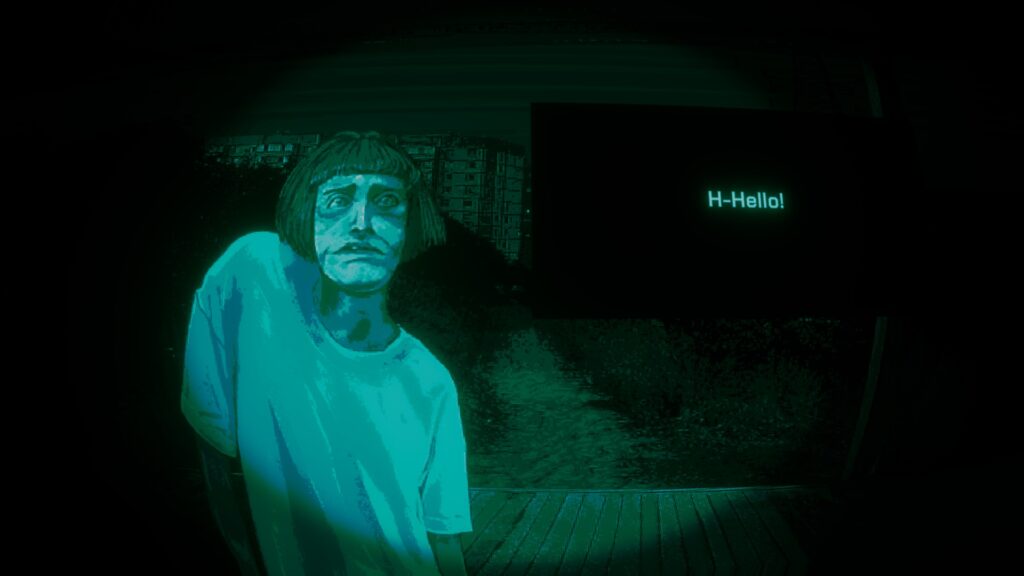
Not sure what went into the original compositions behind the game, but No I’m Not a Human has some of the best composed music one can experience in a horror game. The eerie vibe that the music adds while making the player feel detached and chill while Visitors wreak havoc inside their home is what makes the game stand out within the indie horror landscape.
Static is All That Remains
No I’m Not a Human has been one of the most wishlisted indie titles from this year’s summer Steam Next Fest in the horror genre. The game adds an entry in the horror genre that does not have a high bar for entry, yet promises a memorable experience for anyone who boots it up for the first time (and for a better experience, the thirtieth time). The game’s mechanics are simple, yet are so peculiar that it still doesn’t have a proper guide on the Internet for figuring out how to always identify Visitors from humans within the game. Inducing paranoia while playing and the fact that there is no rational explanation for anything happening inside the game is what makes it great in the first place.
Real Talk
For folks new to the indie horror genre, be sure to get No, I’m Not a Human and try it out – it offers a unique experience like nothing else, and it isn’t that long of a game either. For established indie and horror fans, No I’m Not a Human isn’t a title that belongs to the Steam wishlist – it’s one for the Steam library.
FINAL SCORE: 70/100
No I'm Not Human Review
No I'm Not Human ReviewThe Good
- Music that entrances players to play and find out more
- Well-designed mechanics that induce the fear of the unknown at all points in the game
- Short yet addictive gameplay mechanics
- Horror elements don't involve cheap jumpscares to induce panic
The Bad
- Identifying Visitors isn't super intuitive
- Pixel-based palette not really for the ones craving graphically dense titles
- Slightly disturbing themes of murder and gore
- Player character lore not expanded really welll
