


I’ve yelled at my screen before, but I don’t think I’ve ever pleaded with it. Not until I played Baby Steps. Not until I was three hours into a painstaking climb, my character Nate precariously balanced on a mossy ledge, only to have one misplaced foot send him rag-dolling down a cliff face I had just spent an eternity conquering. In that moment of freefall, I felt a unique mix of white-hot rage, profound despair, and… a strange desire to laugh. That conflicting, maddening, and utterly brilliant emotional cocktail is the core of Baby Steps, a game that elevates the simple act of walking into a Sisyphean art form.
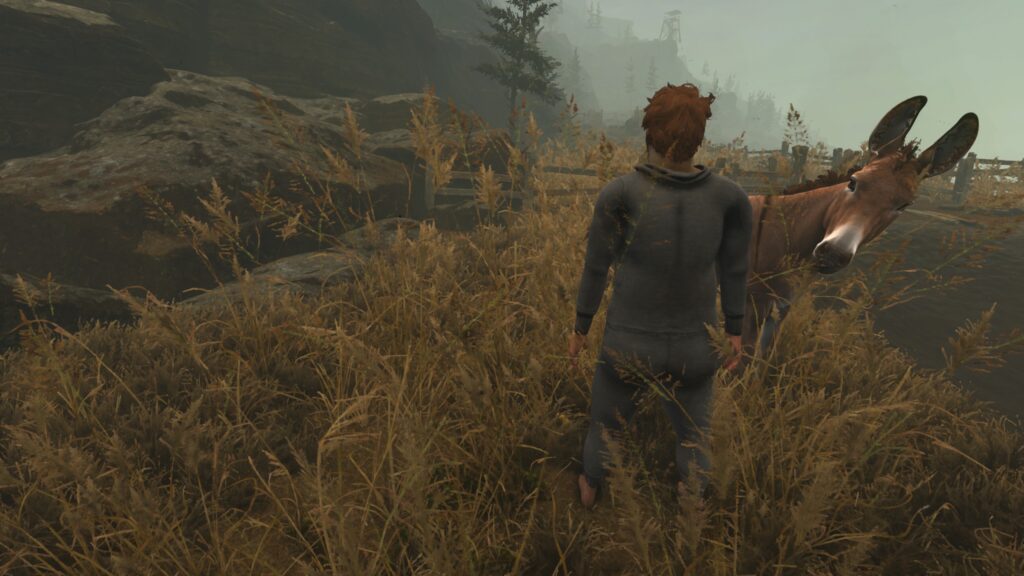
Baby Steps is a physics-based walking simulator from the minds that brought us the rage-inducing classics QWOP and Getting Over It with Bennett Foddy. It was released on September 23, 202,5, and is currently available on Steam and PlayStation 5.
One Man’s Stumble for Mankind
Baby Steps introduces us to Nate. He is, to put it mildly, a professional slacker—a 35-year-old living in his parents’ basement, clad in a stained onesie, whose greatest ambition is finishing his anime binge and clearing off video games on his backlog – a strong semblance of social stereotypes surrounding gamers and otakus alike.
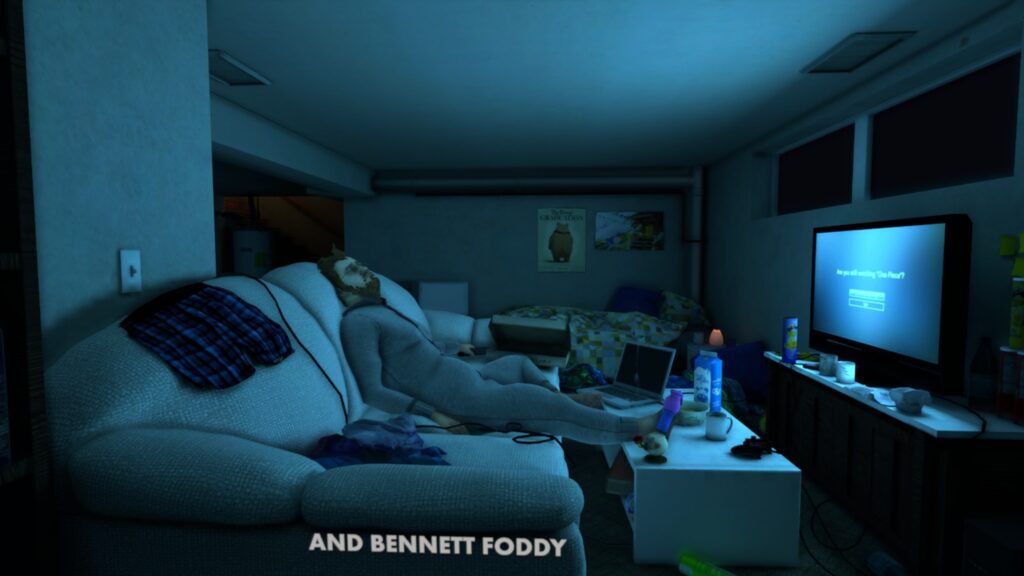
Then, without warning, he’s mysteriously transported to a vast, serene, and treacherous mountain landscape. His goal is simple: get to the top. The premise is a clear metaphor for Nate’s need to break out of his self-imposed inertia and grow up, but the game interprets this journey with punishing literalness.
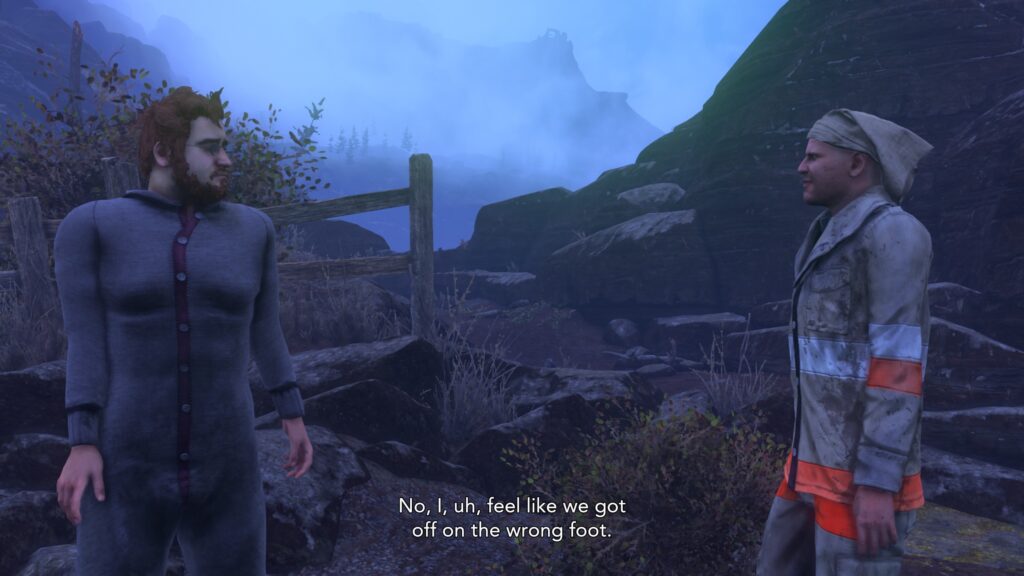
The setting itself is a beautiful contradiction. It’s a semi-open world shrouded in mist, filled with tranquil forests, rushing rivers, and bizarre, dream-like structures. There’s no map, no compass, and no objective markers. Your only guide is intuition and the towering peak that looms in the distance. This serene wilderness is the backdrop for some of the most stressful, high-stakes traversal I have ever experienced.
The Agony and the Ecstasy of a Single Step
To say Baby Steps is a walking simulator is like saying a supernova is a bit of a flash. You control Nate’s legs independently. Using the triggers or bumpers on the controller, you lift each leg, position it with the analog stick, and plant it. It sounds simple. It is not. My first ten minutes were a masterclass in slapstick comedy as Nate’s legs flailed wildly and he collapsed into a heap on perfectly flat ground.
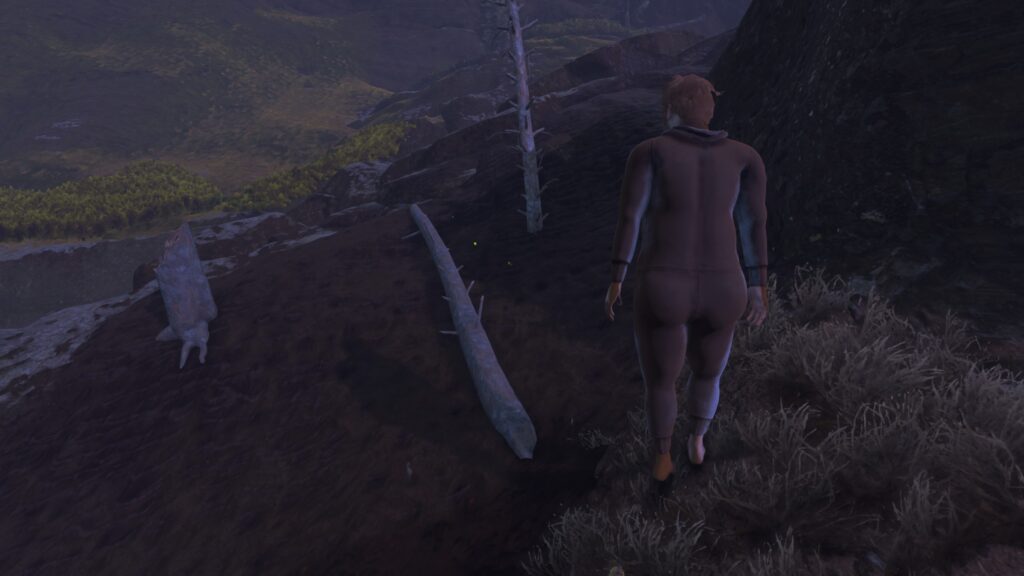
But then, something clicks. You find a rhythm. A clumsy stagger turns into a confident stomp. You learn to balance Nate’s weight, to place your feet deliberately on narrow beams, and to find purchase on slippery slopes. The game’s genius is in turning mundane actions into monumental achievements. Successfully crossing a rickety plank over a chasm provides a rush of adrenaline and accomplishment that few games can match. The controls are intentionally awkward, but they are also surprisingly deep and fair. Failure is almost always your own fault, a result of impatience or a moment of carelessness.
If you’re playing on Steam, I highly recommend using a controller instead of a keyboard and mouse, which might not survive your first playthrough. The game itself suggests this for a good reason.
What Works and What Doesn’t
The core gameplay loop is brutally difficult but incredibly rewarding. Every bit of progress feels earned. The lack of a map encourages genuine exploration. Stumbling upon a bizarre character, a hidden collectible hat, or a strange, optional climbing puzzle is always a delight.
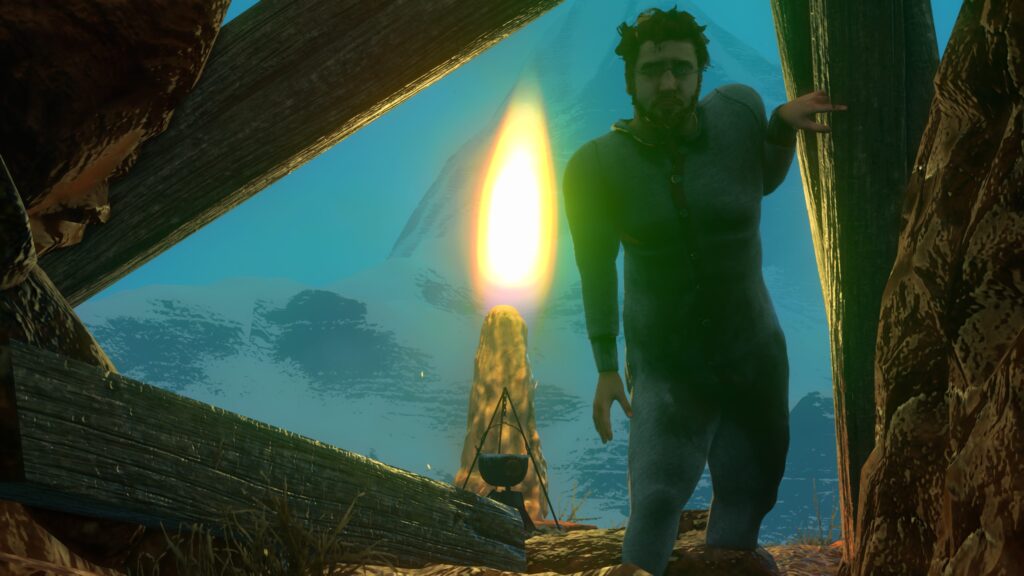
The game is genuinely funny. From the oddball characters with their seemingly improvised dialogue to Nate’s ridiculous physics-based tumbles, I found myself laughing out loud even in moments of intense frustration. The gameplay perfectly mirrors the theme. Learning to walk, to stumble and get back up, and to persevere despite constant setbacks feels like a genuine journey of personal growth.
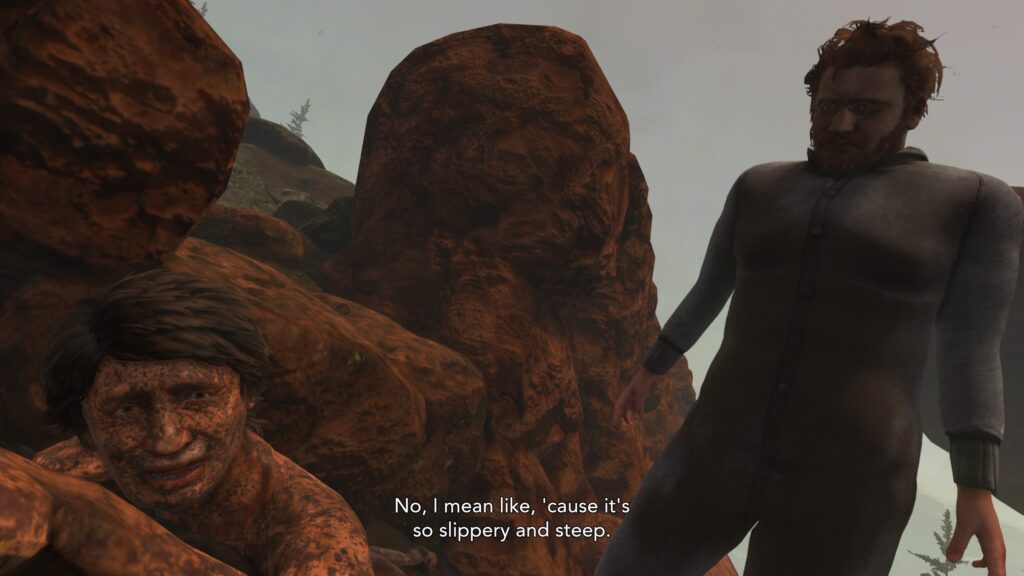
This game is not for everyone. Losing 20 minutes of progress because of one slip is a core part of the experience. If you have a low tolerance for punishing difficulty, you will bounce off this game hard.
At times, especially during intricate climbing sections, the camera struggles to provide a clear view of where you need to place your feet, leading to some unfair-feeling falls. While the main path is manageable, the optional challenges can feel like hitting a brick wall. The game’s difficulty can spike dramatically and without warning.
Real Talk
I can’t universally recommend Baby Steps. It’s a niche game designed for a specific type of player—one who finds joy in mastery through failure, who appreciates a weird and wonderful sense of humor, and who has the patience of a saint. It’s a game that will make you want to throw your controller, only to pick it right back up for “one more try.”
For me, the highs of conquering its brutal challenges and the sheer uniqueness of the experience far outweighed the moments of hair-pulling frustration. It’s an unforgettable, agonizing, and hilarious journey. If you’re looking for something truly different and you’re prepared to fail—a lot—then take the plunge. Just remember to breathe.
FINAL SCORE: 80/10
Baby Steps
Baby StepsThe Good
- Premise and Setting
- Core Gameplay Loop
- Satirical Presentation
- Unique Control Scheme
The Bad
- Exaggerated Ragdoll Physics
- Collision Detection on Terrains
- Frustatingly Difficult