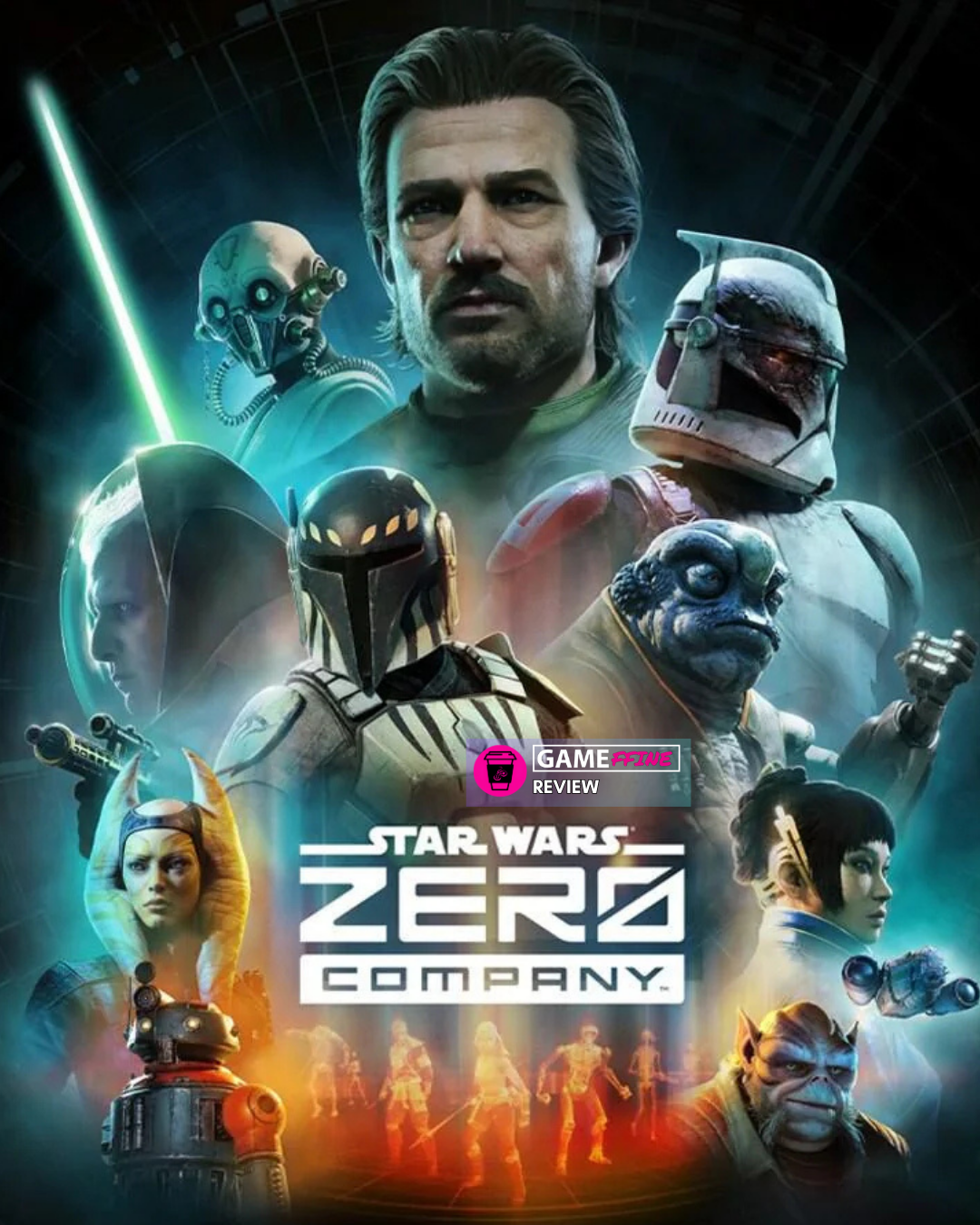




The phrase “this is X but with Y” has become something of a cliché in modern gaming criticism. Ever since Bit Reactor’s Star Wars Zero Company came out last week; the mainstream press has been remarkably unanimous in its assessment: “This is XCOM but with Star Wars.” As a massive fan of the XCOM series, both the original games and Firaxis’ reboot, and someone reasonably well-versed in the Star Wars mythos, I had to see for myself. As it turns out, Zero Company is not “XCOM but with Star Wars,” but has more in common with the superhero HR sim Marvel’s Midnight Suns, with a pinch of The Bureau: XCOM Declassified. To its credit, Zero Company has a much tighter tactical formula than The Bureau and considerably better writing than Midnight Suns.
A galaxy in turmoil
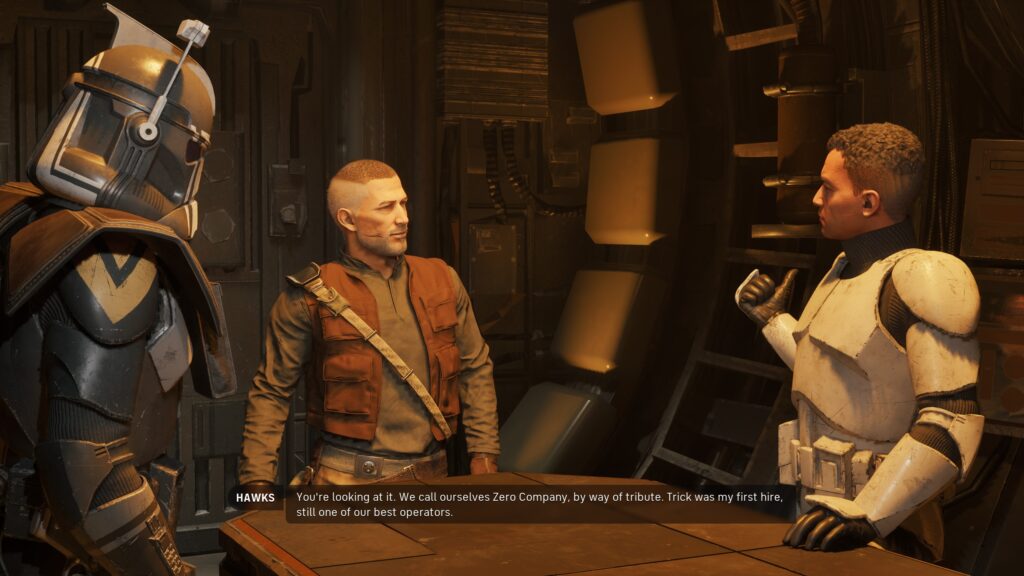
Tactical games with well-written stories are hard to come by. That is precisely why the storytelling feels like the strongest aspect of Zero Company. Set during the dying days of the Clone Wars and running parallel to the events of the prequel trilogy, Zero Company puts you in the experienced hands of Tesh Keff Hawks, a disgraced Republic captain who now finds herself in charge of a ragtag group of mercenaries named Zero Company. During the events of the game, Hawks and company are hired by Baroness Jae Mordant and Republic intelligence officer Bennic Halloren to track down and dispatch a separatist-aligned cult known as the Infinite Coil. Infinite Coil, like all fanatic cults, is into some deep shit involving a mysterious plague and the usual things bad guys are into. The rest of the game has Hawks and his company chasing after The Infinite Coil amidst the raging unrest.
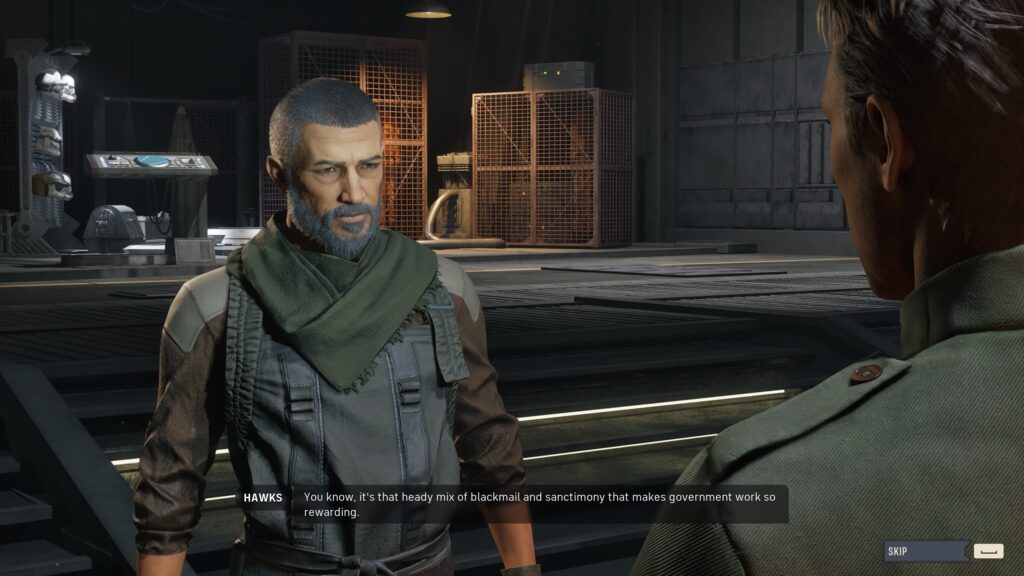
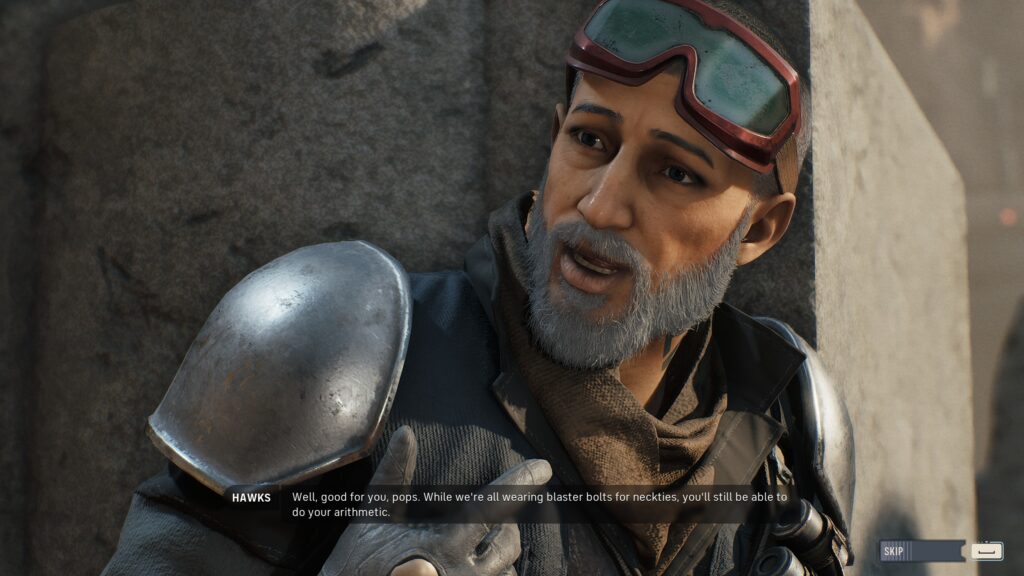
The main story is surprisingly well written for a game of this type. The presentation is quite excellent with well-acted and directed cutscenes and even has a few fan service moments that really caught me by surprise. Hawks, whose looks, gender, and voice can be customized, comes across as a very likable protagonist and fits in the lovable rogue trope the IP is well known for. The big bad, played by Rekha Sharma, also puts forth a commendable performance. The tone and vibe of Zero Company place it in the same line as some of the well-received Star Wars spinoffs of recent times. The story is littered with “that’s rad” moments, but thankfully, it does not try to smother you to death with Star Wars lore,, nor does it try too hard to establish itself in the ongoing SW continuity.
Home is where the heart is
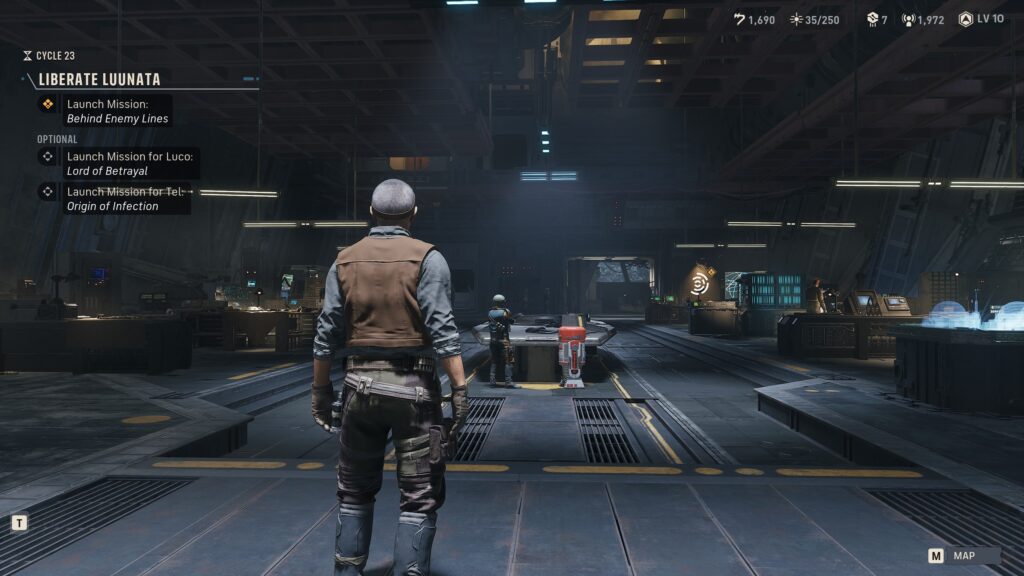
Similar to Midnight Suns or The Bureau, you spend a lot of time at your base, and the game shifts to an over-the-shoulder third-person mode while doing so. It’s here that you talk with the rest of the company, customize their appearance and abilities, upgrade the base, browse the black market for supplies, and assess the looming threat over a control panel. It’s here where the writing shines, as there’s no shortage of party banter and well-acted cutscenes to be had at the base. The game retains the series’ signature witty tone while not going overboard with it (*cough* Midnight Suns *cough*).
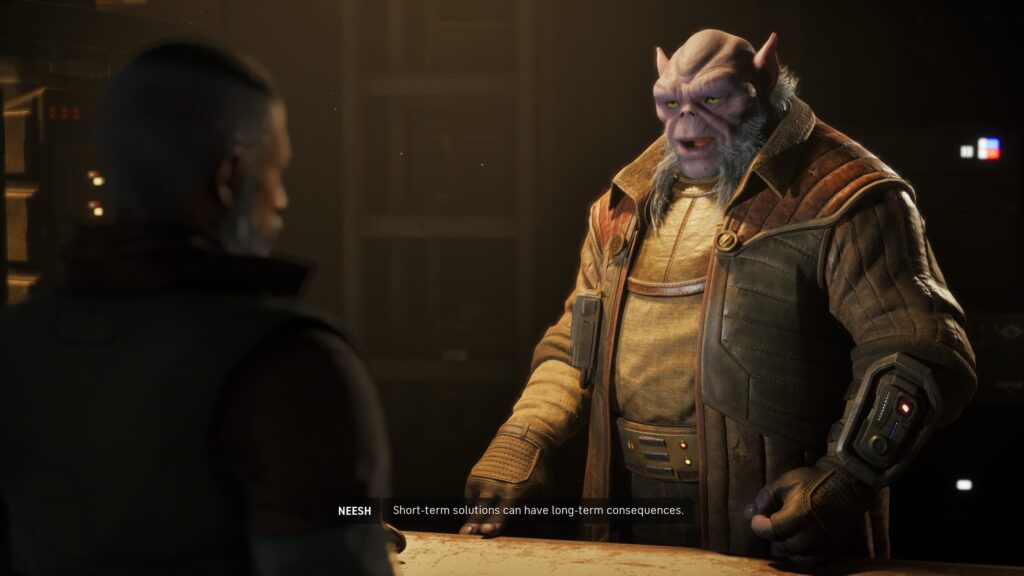
Each character in your crew feels like they’re designed and written by actual humans. There are six canon companions in your party (aside from the custom companions), and they’re all wonderfully written, full of personality, and fleshed out with backstories. Each time you come back from a mission, they will all have something interesting to say regarding your recent adventures or their personal lives. They’ll even have friendly banter/fights among themselves from time to time. Even the custom mercenaries you recruit will often have something new to say. This goes a long way in making the hub feel like a lively place full of interactivity.
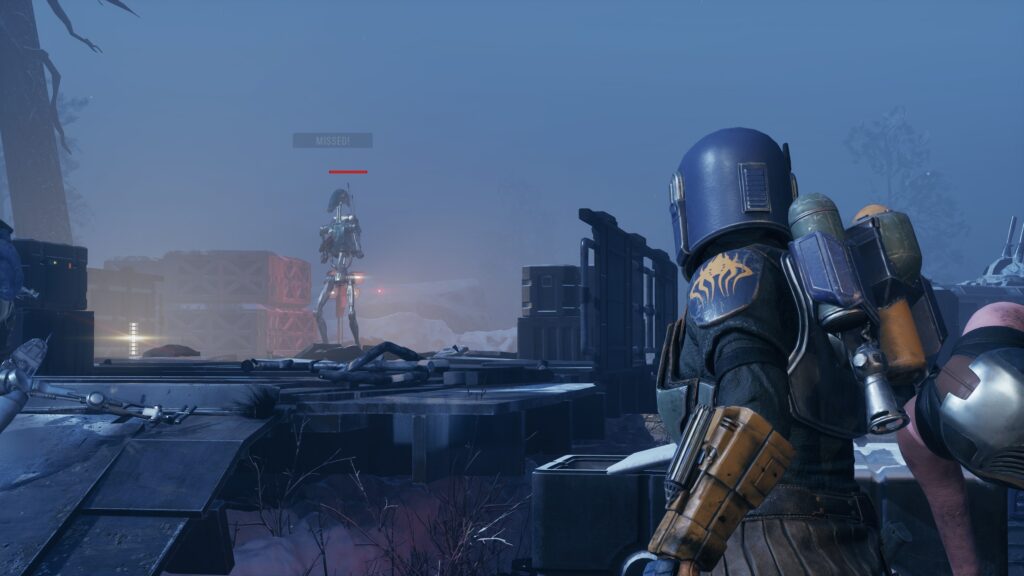
95% chance to miss
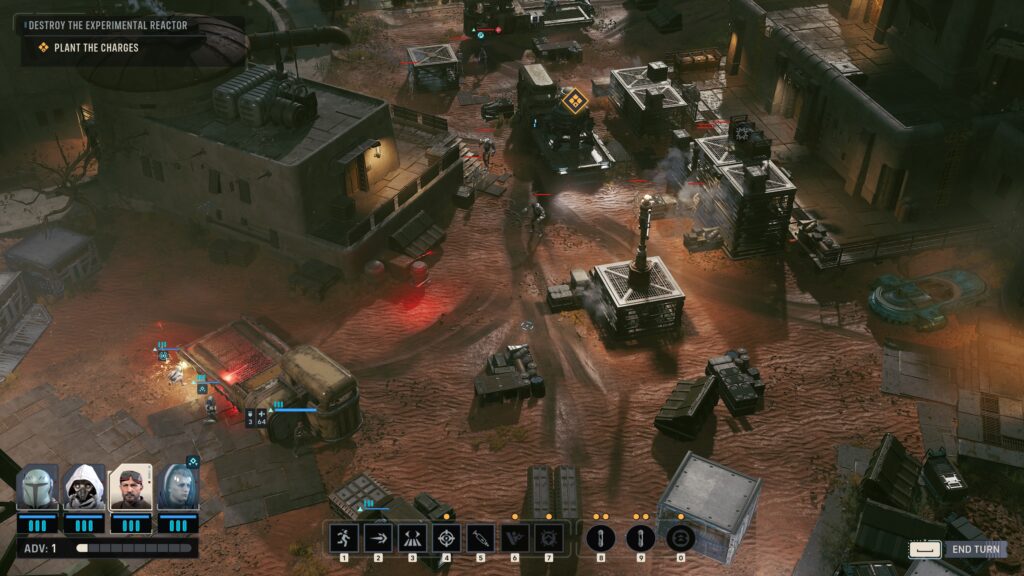
Star Wars Zero Company is no slouch when it comes to tactical gameplay, but don’t go in expecting an XCOM successor. The similarities are obvious: there’s base management, and combat uses the familiar turn-based formula popularized by XCOM: Enemy Unknown. Beyond that, the two games have very different priorities. XCOM is a slow, methodical strategy game built around constant progression, evolving threats, and increasingly powerful soldiers. Zero Company shares that DNA but is far more interested in telling its story than testing your tactical mettle. That’s not to say it’s shallow. It rarely asks you to push your strategic skills to their limits. What you see in the first 5 hours is what you get for the rest. And honestly, I didn’t mind. Zero Company makes for a cozy, accessible tactics game, and it kept me entertained for more than 30 hours. I’m merely pushing back against the idea that it’s an XCOM successor, because while it may share the same foundations, its ambitions are decidedly different.
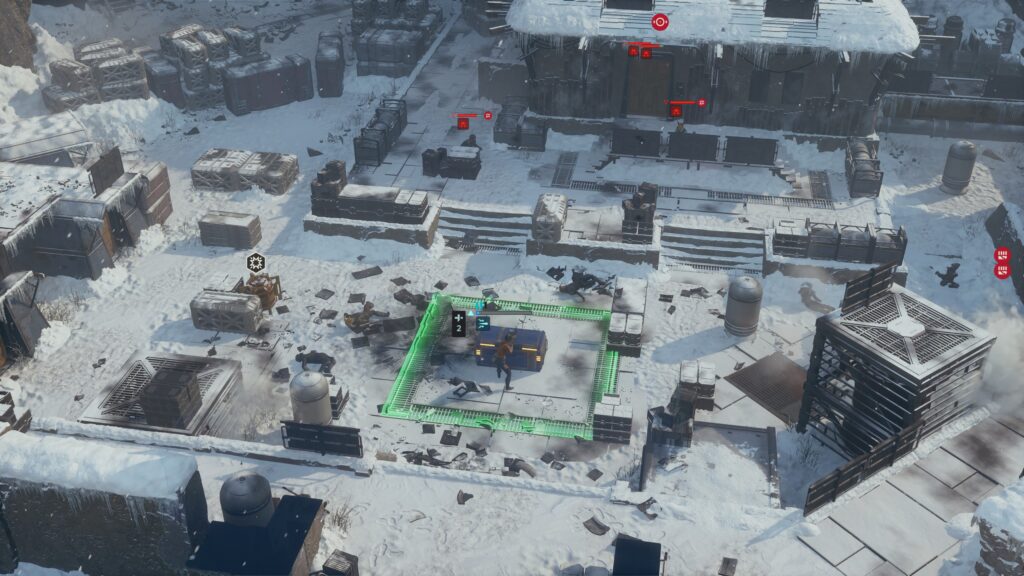
Rather than emphasizing positioning and picking the right characters for each mission, Zero Company leans heavily into class synergies and raw DPS, which can leave some classes and characters feeling noticeably weaker than others. Permadeath is enabled by default, but even on Hard difficulty, I’ve yet to see it come into play. There’s a solid selection of classes, and by the halfway point, you can even multiclass your characters, adding some welcome flexibility to builds. At its core, though, the combat follows the familiar DNA of every major turn-based tactics game since XCOM: Enemy Unknown. It’s unpredictable, and, as always, the math has a nasty habit of screwing you over.
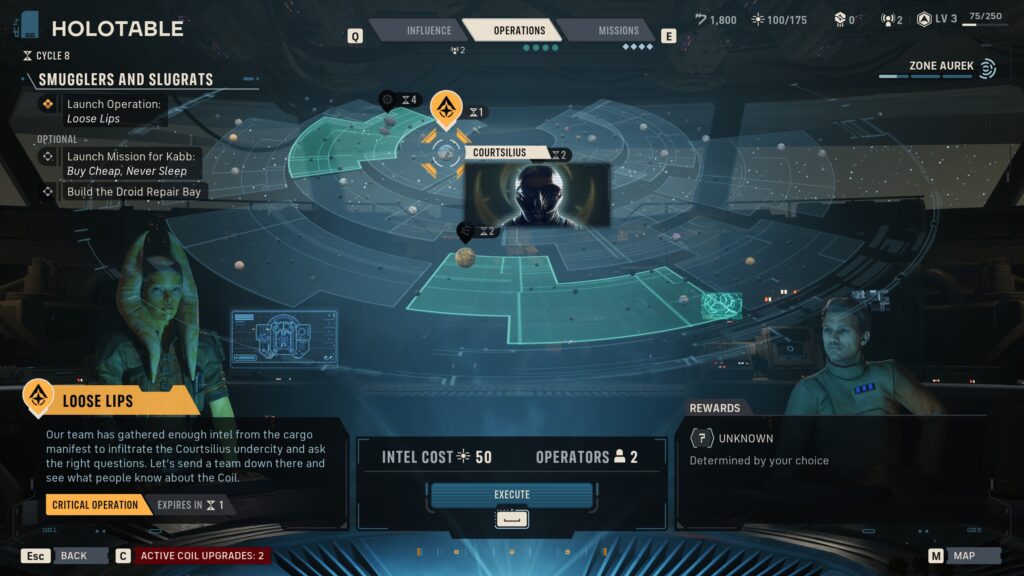
The game adds tension by putting you on a clock. Zero Company divides its campaign into 40 Cycles, with each completed mission advancing the clock by one. By Cycle 40, you’re pushed into the finale whether you’re ready or not. Along the way, you’ll juggle essential Missions, optional objectives, and smaller, choice-driven Operations. But there simply isn’t enough time to do everything in one playthrough. Your choices also have tangible consequences. For example, some missions let you weaken specific aspects of the enemy’s forces, but choosing one means giving up another, with the abandoned option returning later as an enemy upgrade. It gives the campaign a welcome sense of urgency and makes every decision feel somewhat consequential. But fret not. Even as someone who hates timers in games, I was never really bothered by the cycle system in Zero Company.
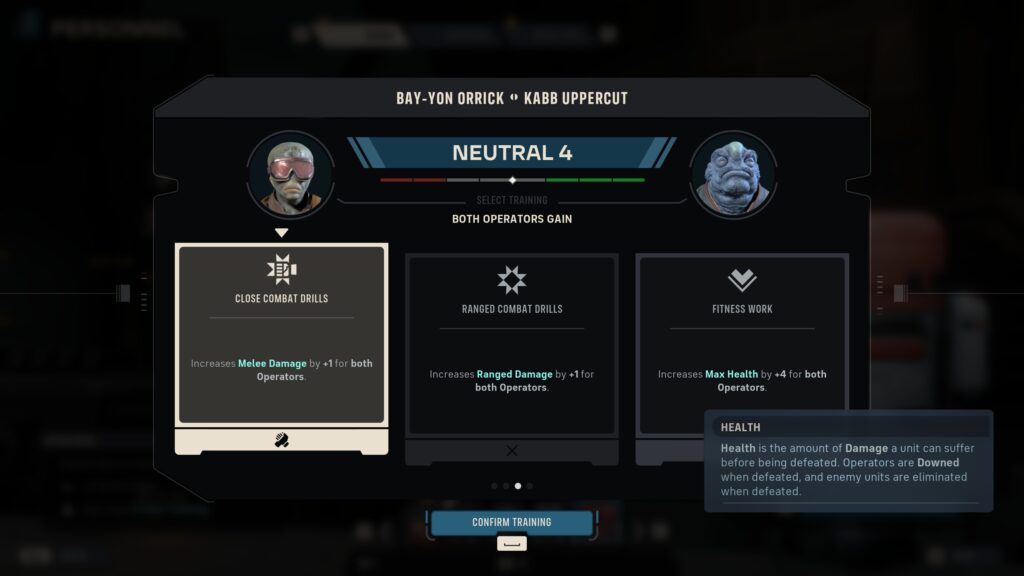
However, one downside to this system is that it prevents the player from experimenting with the plethora of custom recruitable companions. Since the canon companions are good enough, you’ll often feel like taking them on every single mission. This need is further amplified by the presence of a bond system between characters. Would you risk losing XP and bond points in favor of building a diverse roster of heroes, or would you just focus on min-maxing the canon companions?
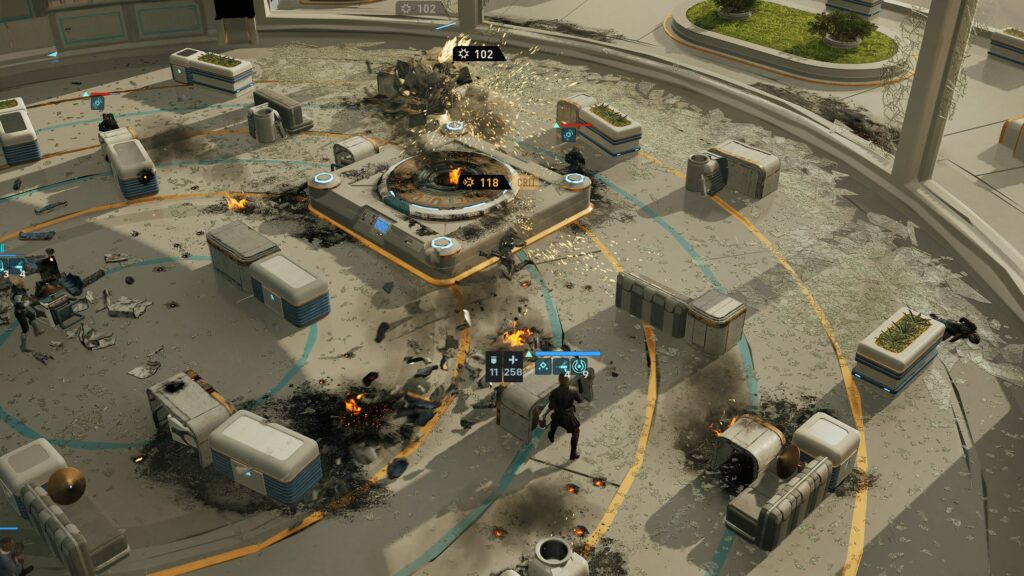
Still, there’s a lot to enjoy here. Combat is consistently dynamic and satisfying, with enough abilities, class synergies, and enemy variety to keep encounters engaging and stave off repetition.
The Bantha in the room
The PC performance is where the Force abandons Zero Company. It’s now the second Star Wars game to be dragged down by Unreal Engine. I realize that my Ryzen 5600X and RTX 3070 will soon fall down into the pit of minimum system requirements, but even then, I did not expect the frame rate to fall to the Dark Side this quickly. Even with heavy upscaling, there were times the fps would fluctuate to the mid-30s, and this is not counting the awful stuttering often encountered in the base of operations. I had to rely on Nexus Mods and Lossless Scaling FG to keep things at an even framerate. The game looks decent but not that great to demand such system requirements. YMMV.
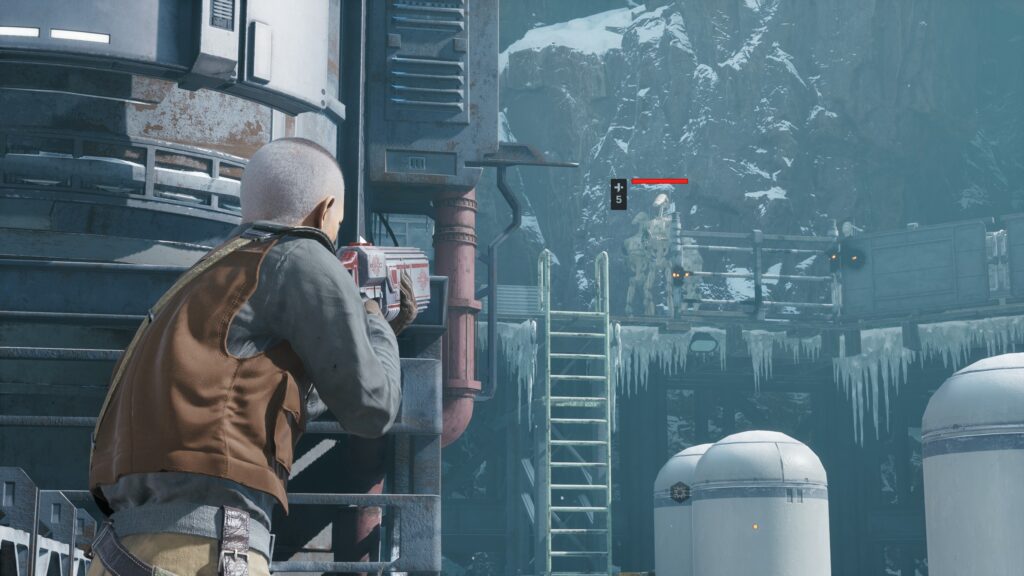
Then there are occasional issues like enemies landing Overwatch shots through scenery, phantom hits, enemy reactions taking too long to trigger, and cluttered UI. The performance is the worst offender; the rest are just annoyances.
Real Talk
Star Wars Zero Company is a triumph. It may lack the depth and replayability of XCOM, but it makes excellent use of the Star Wars universe while serving as a compelling entry point into the world of tactical games. It proves that Star Wars lightsabers and blasters can be just as thrilling on a turn-based battlefield.
FINAL SCORE: 82/100

