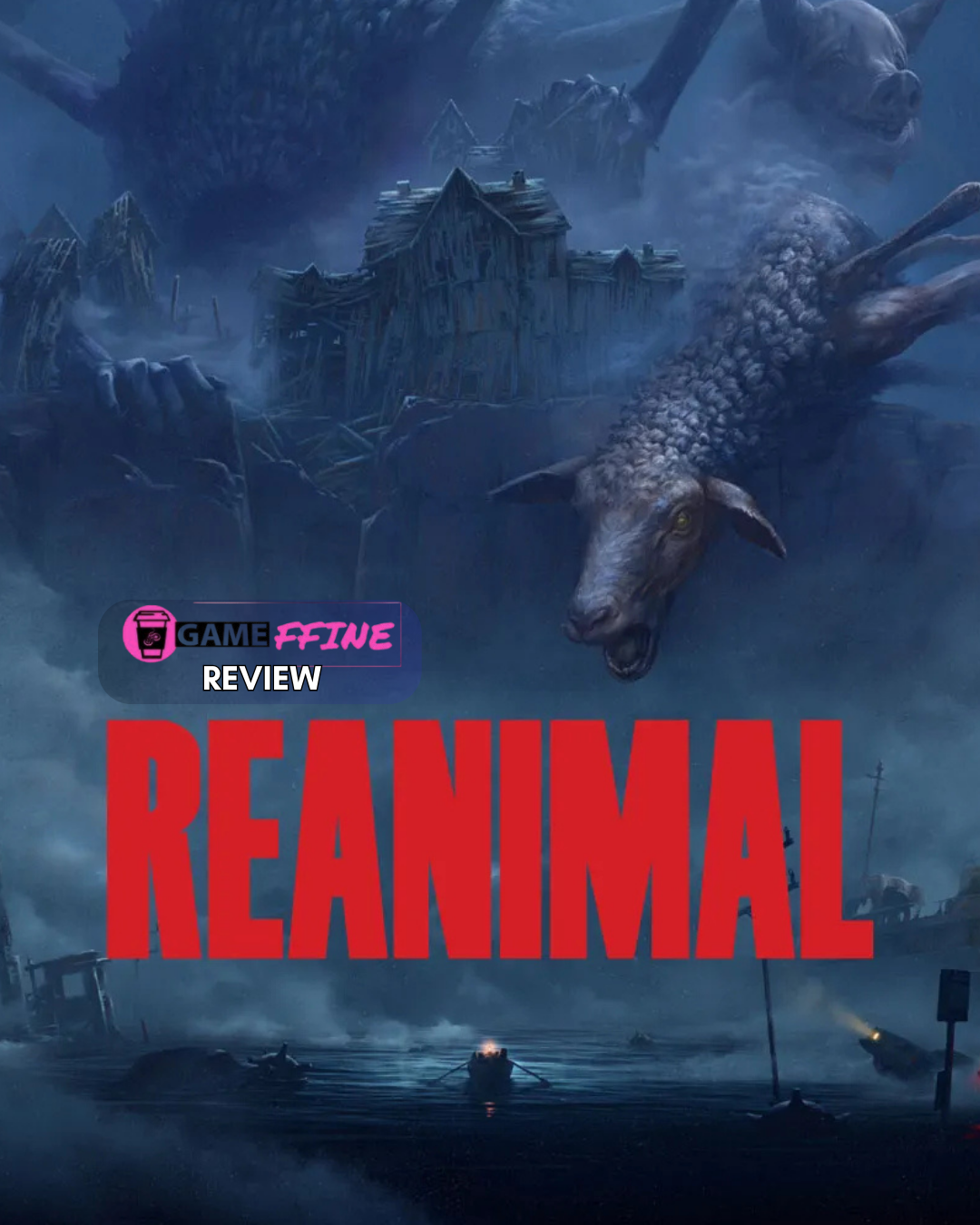




I didn’t know exactly what REANIMAL was going to be when I started it. I expected something in the vein of Little Nightmares, since it comes from the same studio. Small characters. Big environments. Creepy things lurking in the background. That part is true. What I didn’t expect was how heavy it would feel. Not scary in a loud way. Not packed with jump scares. Just heavy. The kind of game where you finish a chapter and sit there for a second before moving on. You play as two siblings trying to survive on a strange island filled with warped animals and broken pieces of what looks like a collapsed world. The game doesn’t give you much explanation. No intro crawl. No character backstory is spelled out. You’re just there, trying to make sense of it. And honestly, that uncertainty works in its favor.
A World That Feels Sickly
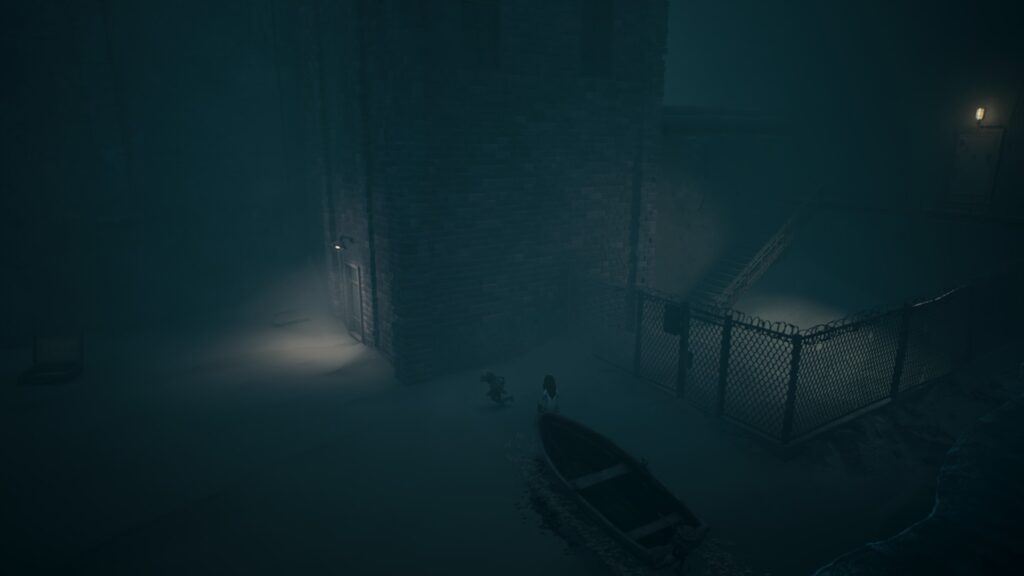
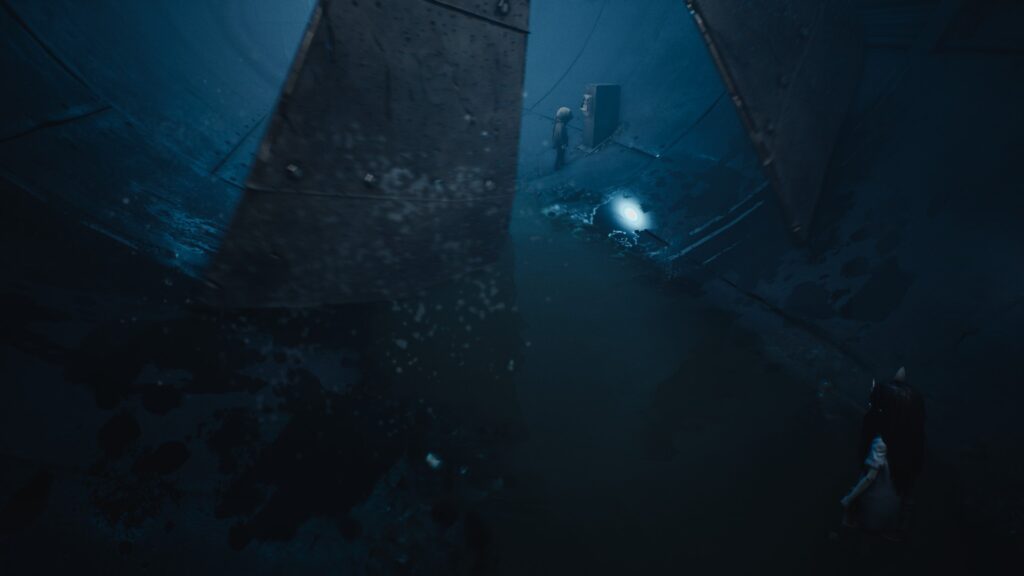
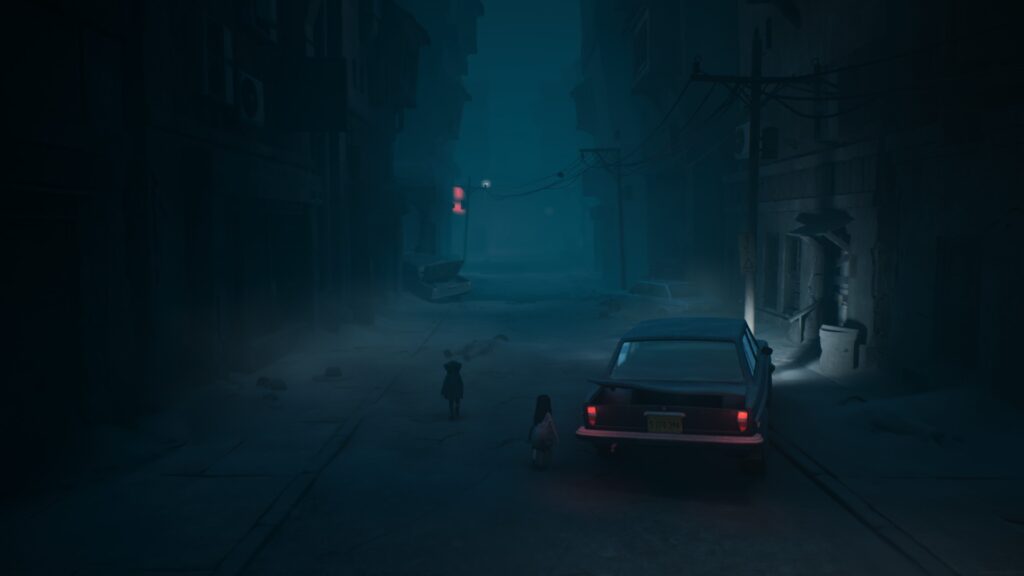
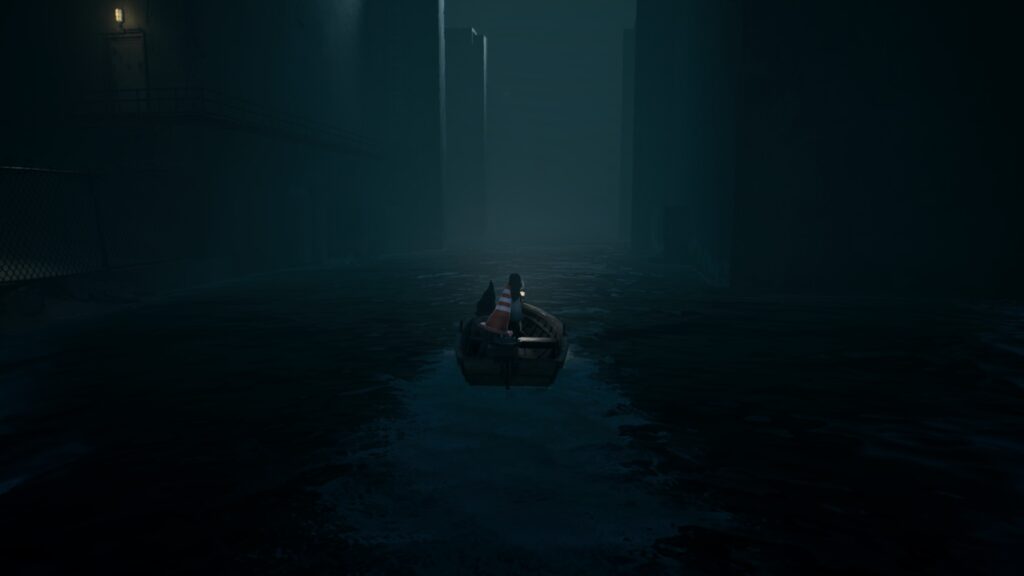
The island is the real star here. It feels damp, cold, and wrong from the first few minutes. Fog hangs in the air. Buildings look like they’ve been abandoned for years. Water seeps into places it shouldn’t. Nothing about it feels exaggerated. It’s not flashy horror. It’s restrained, which somehow makes it more believable. The color palette sticks to dull tones. Muddy browns. Greys. Faded greens. When something bright shows up, it feels almost aggressive. The animals are what really get under your skin. They’re recognizable, but slightly off. Movements are stiff or too fluid. Shapes don’t quite make sense. You’ll see something in the distance and hesitate because you’re not sure if it’s part of the environment or something watching you. There aren’t constant chase sequences. A lot of the tension comes from walking through open areas and wondering if you’re safe. That slow burn works better than sudden shocks would have.
Story Told Through Space
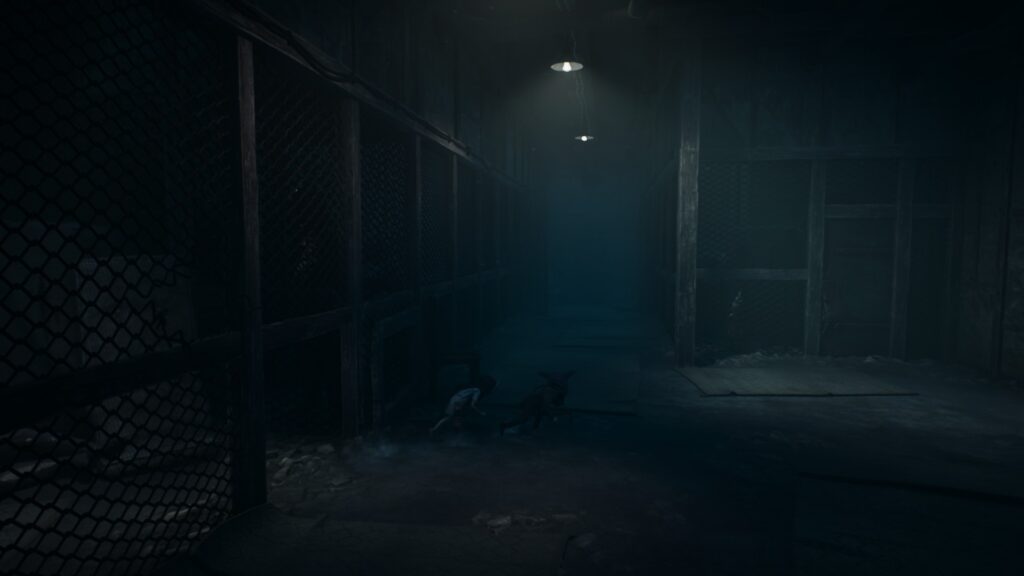
REANIMAL barely explains itself. There’s almost no direct dialogue, and the game never stops to spell out what happened to this place. Instead, it leaves clues scattered around. Objects are placed carefully in rooms. Structures that look repurposed for something darker. Cages that feel too small. Shrines that don’t look comforting. You start forming your own version of the story. Maybe you’re right. Maybe you’re not. The game never confirms it. That’s going to divide people. Some players want clear answers. REANIMAL doesn’t give them. By the end, you understand the emotional direction of the story, but not every detail. Personally, I didn’t mind. The ambiguity made it feel more personal. It felt less like the game telling me what to think and more like it asking me to pay attention.
Two Characters, One Fragile Bond
Controlling two siblings adds a quiet layer of tension. Even when nothing dangerous is happening, you’re aware that you’re not alone. In single-player, the AI companion mostly stays out of the way. There are a few moments where it feels slightly awkward during tighter platforming sections, but nothing that breaks the game. It’s more occasional friction than frustration. In co-op, though, the game feels stronger. Small puzzles that require coordination become more meaningful when another person is involved. Waiting for each other before moving forward makes dark areas feel riskier. The bond between the siblings isn’t explained through big emotional scenes. It’s shown in small gestures. Helping each other climb. Standing close together when something feels unsafe. Pausing before stepping into a new area. That restraint works. It feels more genuine than forced drama would have.
Gameplay That Stays Out of the Way
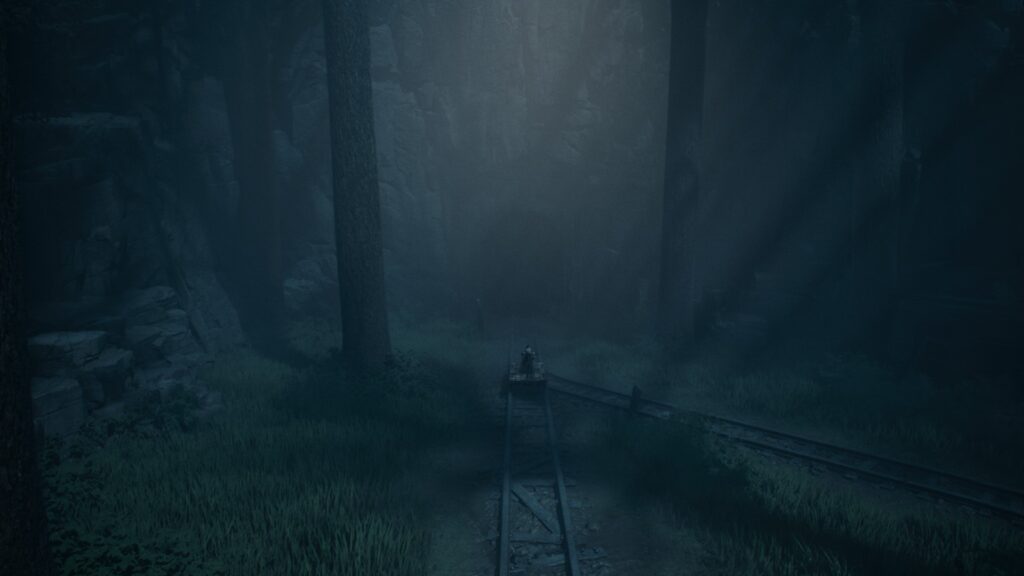
The gameplay is simple. You walk, climb, interact with objects, and occasionally hide or run. The puzzles are straightforward. Move this object here. Pull a lever. Coordinate timing. They’re not difficult, and they’re not meant to be. They keep you engaged without slowing down the pacing. Combat is limited and intentionally uncomfortable. You’re not meant to feel powerful. If you get into a confrontation, it feels desperate. Most of the time, avoidance is smarter than fighting. Some players will probably want more depth. The mechanics don’t evolve dramatically as the game goes on. Once you understand the basics, you’ve seen most of what it offers in terms of interaction. But the simplicity feels deliberate. The focus is clearly on atmosphere and tone rather than mechanical complexity.
A Camera That Observes More Than It Serves
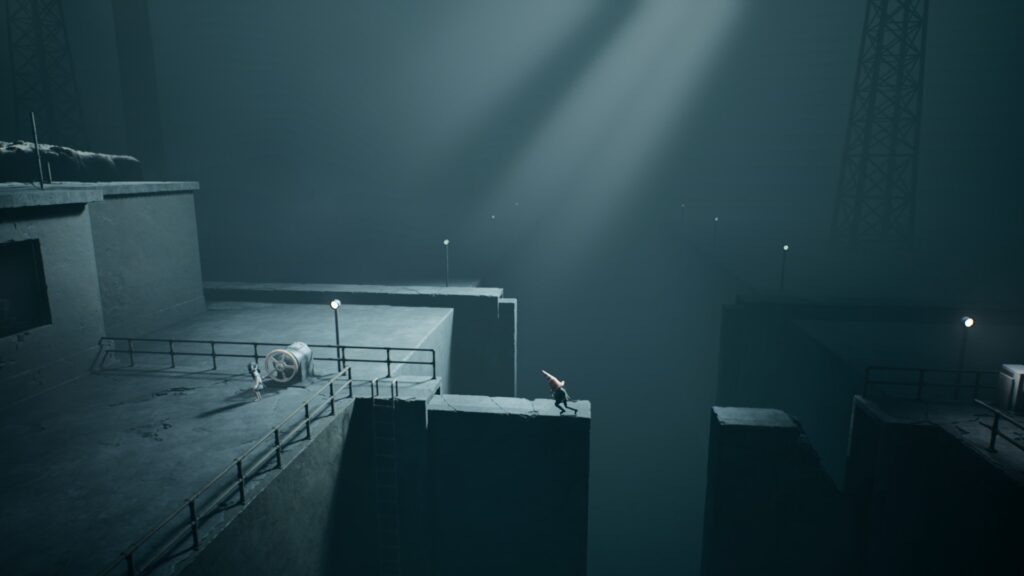
The camera is cinematic, sometimes to a fault. It pulls back to show scale. It shifts angles to frame moments in a very intentional way. Visually, it’s impressive. Several shots feel carefully composed, almost like concept art brought to life. But there are moments when that style slightly interferes with clarity. You might wish for a better angle during a tense sequence. It doesn’t happen constantly, but it happens enough to notice. Still, I understand why they chose this approach. The camera isn’t just there to show you the path forward. It’s there to make you feel small. And it succeeds at that.
Sound Design That Carries the Weight
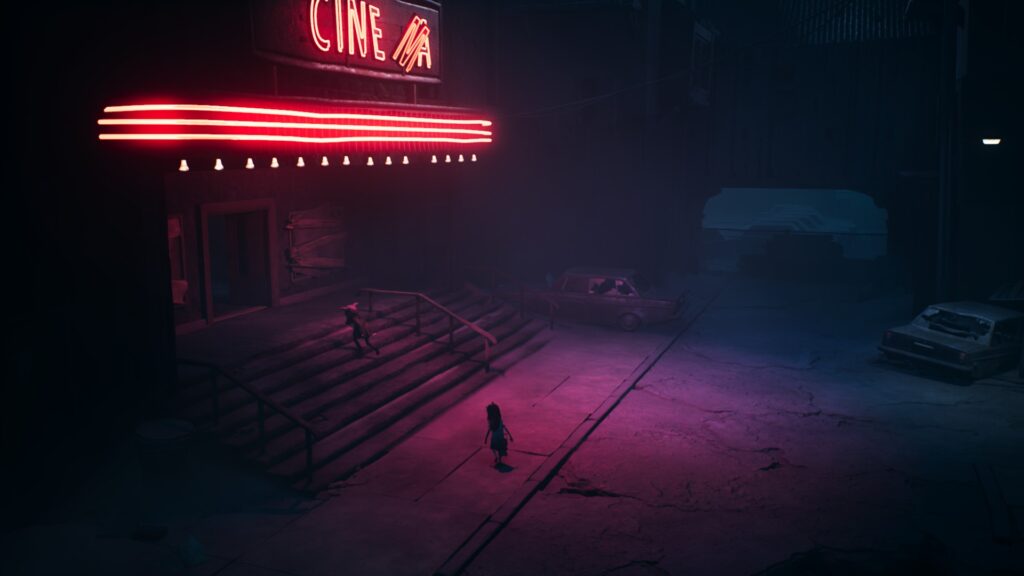
The sound design might be my favorite part of the game. There’s almost always some kind of ambient noise in the background. Wind is moving through the woods. Water dripping. Distant animal sounds that don’t quite sound natural. The animals, especially, are unsettling. You’ll hear something and freeze, trying to decide whether it’s just atmosphere or a real threat. Music is used sparingly. When it shows up, it’s subtle. The game relies more on environmental sound and silence than dramatic scores. If you can, play it with headphones. It makes a noticeable difference.
Pacing That Respects Restraint
REANIMAL doesn’t try to escalate into something bigger than it needs to be. It keeps a consistent tone from beginning to end. The game isn’t long. You can finish it in a handful of hours. But it doesn’t feel rushed. Each area gets enough time to breathe before you move on. There’s a sense of steady descent. Not into chaos, but into understanding something uncomfortable. By the time it ends, you may not have every answer, but you’ll have a clear emotional impression of what you just experienced.
Where It Falls Short
The biggest limitation is mechanical depth. If you’re looking for evolving systems or increasingly complex puzzles, you won’t find that here. Replay value is limited unless you are interested in digging deeper into hidden narrative elements. The abstract storytelling also won’t work for everyone. Some players will finish it feeling like they missed something important. It’s a focused experience, but that focus narrows its audience.
Real Talk
REANIMAL isn’t trying to compete with action-heavy horror games. It’s not trying to overwhelm you with content or mechanics. It’s a moody, restrained, carefully designed experience built around atmosphere and emotional weight. It doesn’t shout. It doesn’t constantly try to scare you. Instead, it creates a space that feels wrong and lets you sit inside it for a while. If you’re the kind of player who values tone and environmental storytelling over complexity, REANIMAL is worth your time. It’s not perfect. But it’s confident in what it wants to be. And that counts for a lot.
FINAL SCORE: 86/100
REANIMAL
REANIMALThe Good
- Strong, immersive atmosphere that stays tense throughout.
- Disturbing creature designs that feel subtle but memorable.
- Excellent sound design that builds quiet tension.
The Bad
- Gameplay mechanics are simple and don’t evolve much.
- Puzzles are easy and lack complexity.
- Combat is limited and not very satisfying.
