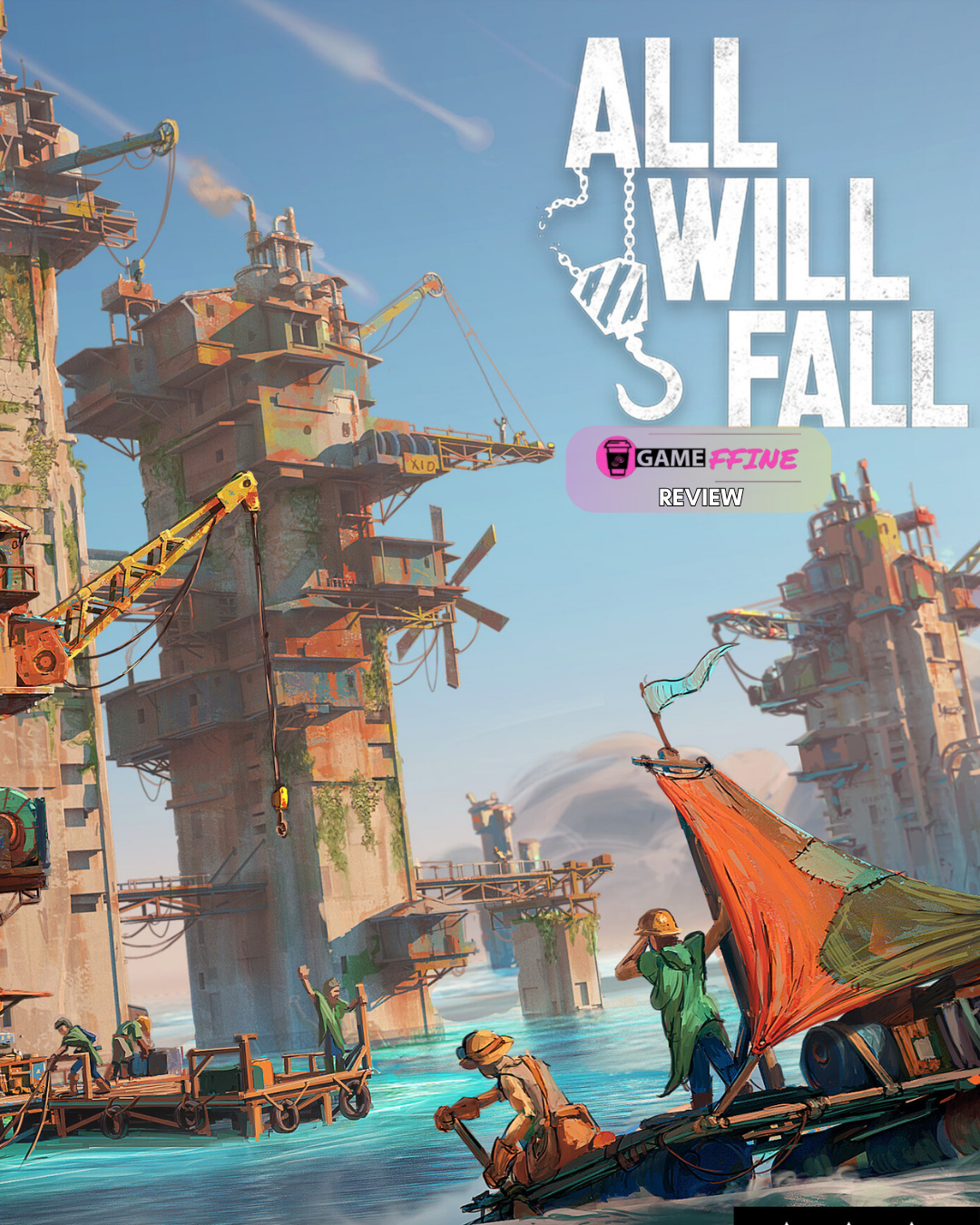





The first time everything collapses in ALL WILL FALL, it catches you off guard. You think you’ve done a decent job. The structure looks stable enough. Then something shifts, just slightly, and the whole thing starts to give way. Within seconds, it’s all on the ground. That moment pretty much sums up the game. At a glance, it looks like a regular city builder. You place buildings, expand your space, and try to grow something that works. But it doesn’t take long to realize this game plays by different rules. Nothing is guaranteed to stay where you put it. If your structure isn’t balanced properly, it will fall. Not maybe. It will.
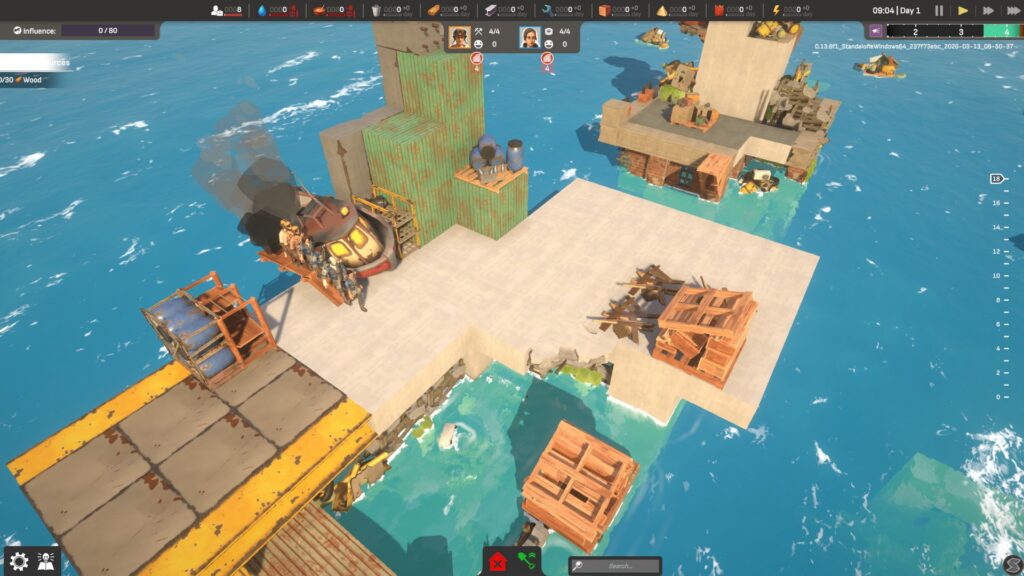
Building Feels Physical
What makes the game interesting is how “real” everything feels. You’re not just placing buildings on a grid and moving on. You’re stacking weight, creating pressure points, and hoping your design can actually hold itself together. You start thinking differently without even noticing it. Instead of asking what you should build next, you start asking where you can safely build. You pay attention to angles, spacing, and support in a way most city builders never ask you to. And even when something looks fine, there’s always that small doubt in the back of your mind. That feeling that it might not hold.
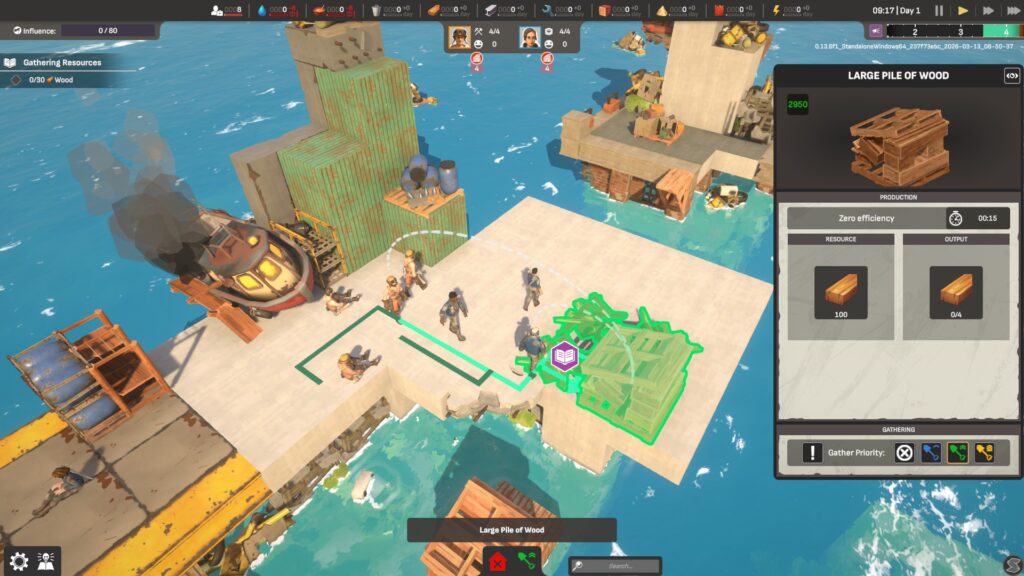
When It Goes Wrong, It Really Goes Wrong
There’s no gentle failure here. When things collapse, they don’t just reset or disappear. They break apart piece by piece, and you’re left watching your work come undone. It can be frustrating, especially early on. You’ll spend time carefully placing things, only to see it all fall apart because of one weak spot you didn’t notice. But after a while, that frustration changes. You start to understand why things are failing. You remember what you did wrong. And the next time, you try to fix it. It’s not always smooth progress, but it feels like you’re actually learning something each time.
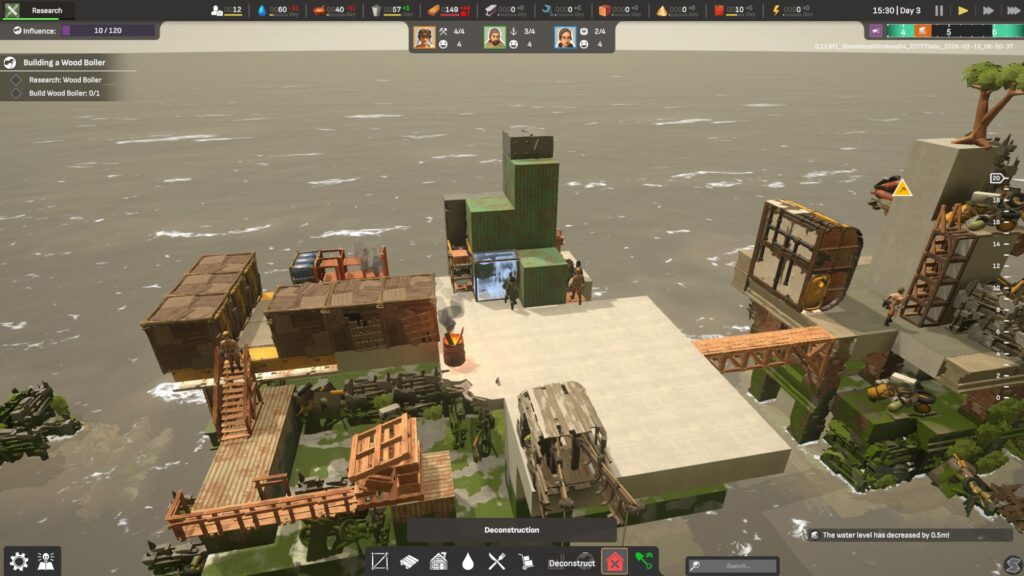
You Figure It Out as You Go
The game doesn’t explain much beyond the basics. It gives you the tools and lets you get on with it. At first, that can feel a bit rough. You’ll make mistakes. Probably a lot of them. Some of them will feel avoidable. Others won’t. But slowly, things start to click. You notice patterns. You get a feel for how much weight a structure can handle. You learn when to stop pushing your luck. That process is where most of the enjoyment comes from. Not from building something perfect, but from getting a little better each time you try.
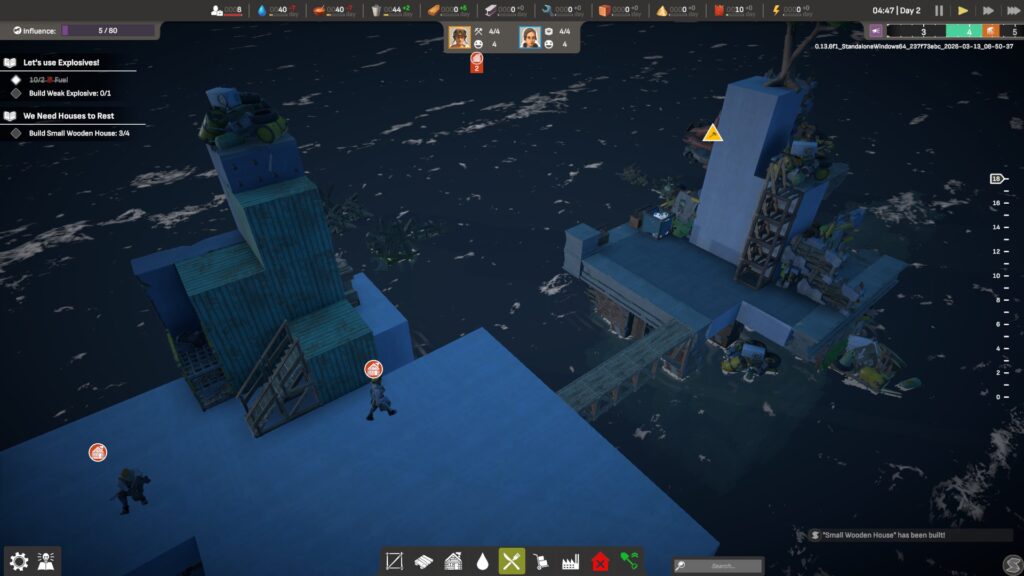
Every Expansion Feels Like a Risk
Growing your city isn’t just about adding more buildings. Every new piece affects everything around it. Add too much in the wrong place, and you might bring the whole thing down. Play it too safe, and you won’t make much progress. So you’re constantly making small decisions. Do you take the risk and build higher? Do you reinforce what you already have? Or do you leave things as they are for now? There’s no clear answer, and that’s what keeps it interesting. Sometimes you’ll get it right. Sometimes you won’t.
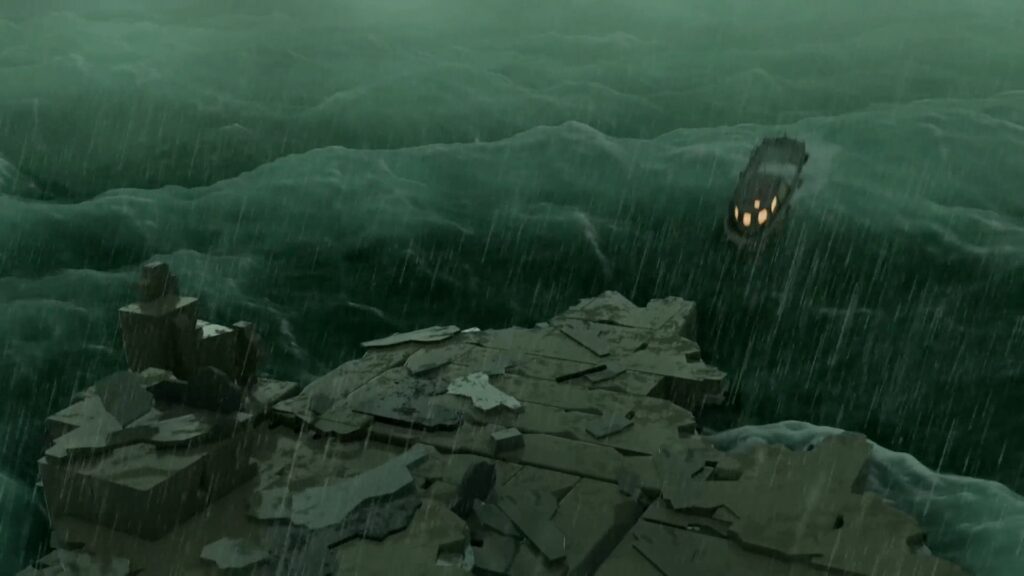
Simple Look, But It Works
Visually, the game keeps things pretty straightforward. It doesn’t try to impress with detail or flashy effects. But it doesn’t need to. Everything is clear and easy to read, which matters more here. You need to see what’s happening with your structures. You need to notice when something is starting to lean or shift. And when things collapse, it looks convincing enough to sell the moment. Pieces fall, stack, and scatter in a way that feels believable. It’s hard not to watch, even when it’s your own build falling apart.
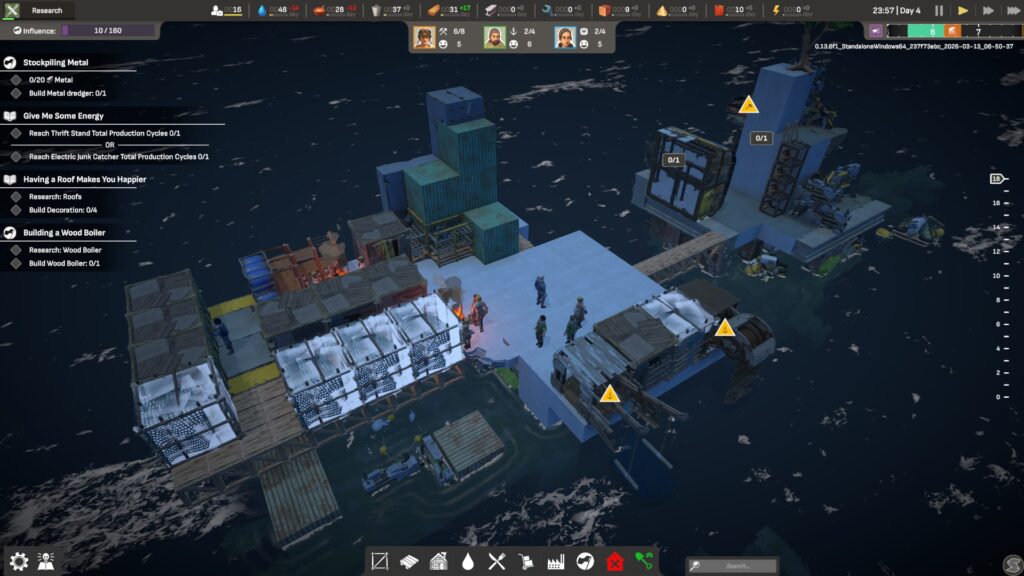
Not the Easiest Game to Settle Into
This isn’t the kind of game you can play on autopilot. It asks for your attention. If you rush, you’ll pay for it. If you stop paying attention, you’ll see the results pretty quickly. The game doesn’t try to protect you from your mistakes. That can make it feel a bit unforgiving at times. There’s no shortcut around learning how things work. You just have to go through it. For some players, that’s exactly the appeal. For others, it might feel like too much effort for what looks like a simple game on the surface.
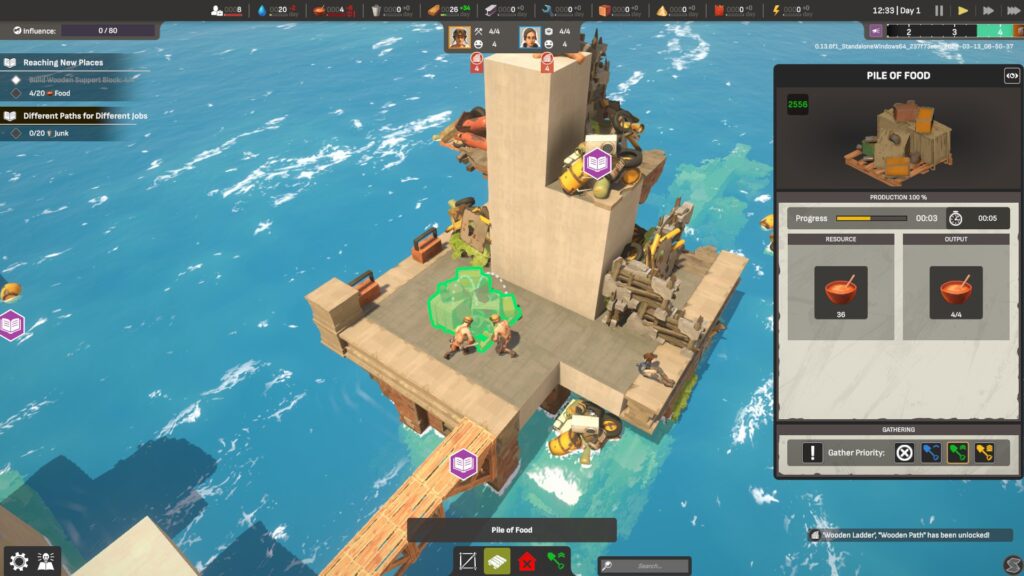
Who It Clicks With
If you enjoy figuring things out on your own, this will probably click. It’s very much a trial-and-error kind of experience. It rewards patience more than anything else. If you’re willing to slow down, experiment, and accept that things will go wrong, there’s something satisfying here. But if you’re looking for a more traditional city builder where things behave predictably, this might feel frustrating. It doesn’t give you that sense of control.
Real Talk
ALL WILL FALL sticks with you because of how it handles failure. It doesn’t hide it or soften it. When things go wrong, you see exactly what happened. It can be annoying at times, no doubt about that. But it also makes the moments where things actually work feel a lot more rewarding. It’s not a game for everyone. It can be slow, a bit rough, and sometimes frustrating. But it’s also different in a way that’s hard to ignore. You’re not just building a city. You’re trying to keep it standing. And most of the time, that’s harder than it sounds.
FINAL SCORE: 80/100
All Will Fall
All Will FallThe Good
- Unique physics-based building that makes every decision feel meaningful
- Satisfying collapse mechanics that look and feel realistic
- Encourages creative thinking and problem-solving
- Learning curve feels rewarding as you improve over time
The Bad
- Can feel frustrating when structures collapse unexpectedly
- Repetitive trial-and-error may not appeal to everyone
- Lacks guidance, which can make the early game confusing