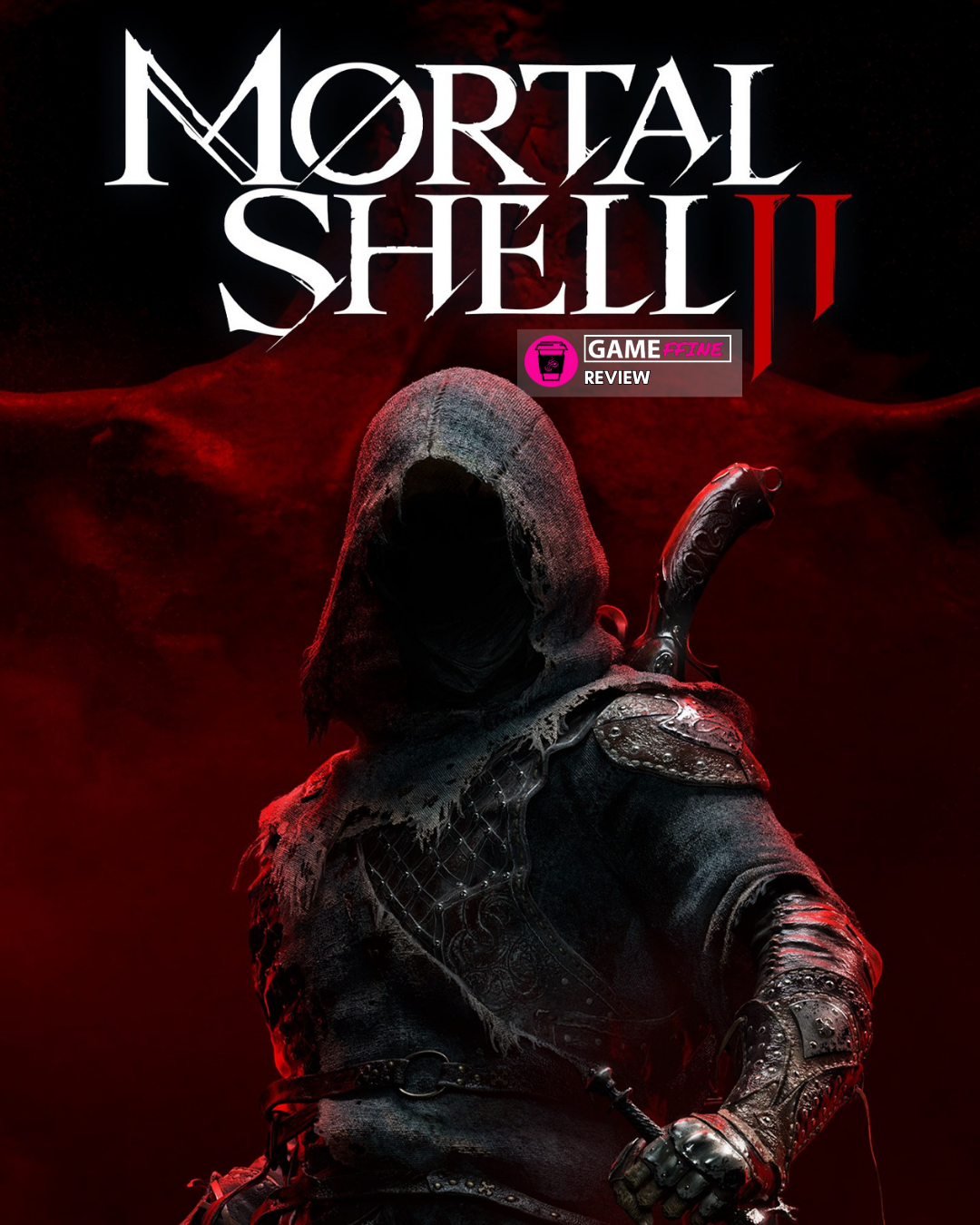



The first Mortal Shell was an interesting game. It wasn’t trying to compete with Dark Souls by simply copying everything FromSoftware had done. Instead, Cold Symmetry found its own hook with the Shell system, letting players inhabit the bodies of fallen warriors and experiment with different abilities and playstyles. Mortal Shell 2 takes that idea and asks a pretty simple question: What if we made everything bigger? The answer is a much more ambitious Soulslike with a connected open world, more weapons, more Shells, more exploration, and a combat system that feels considerably faster than its predecessor. It still has that grim Mortal Shell atmosphere, but this time Cold Symmetry seems much more confident about what it wants the series to be. And that’s a very good thing.
No Stamina? No Problem
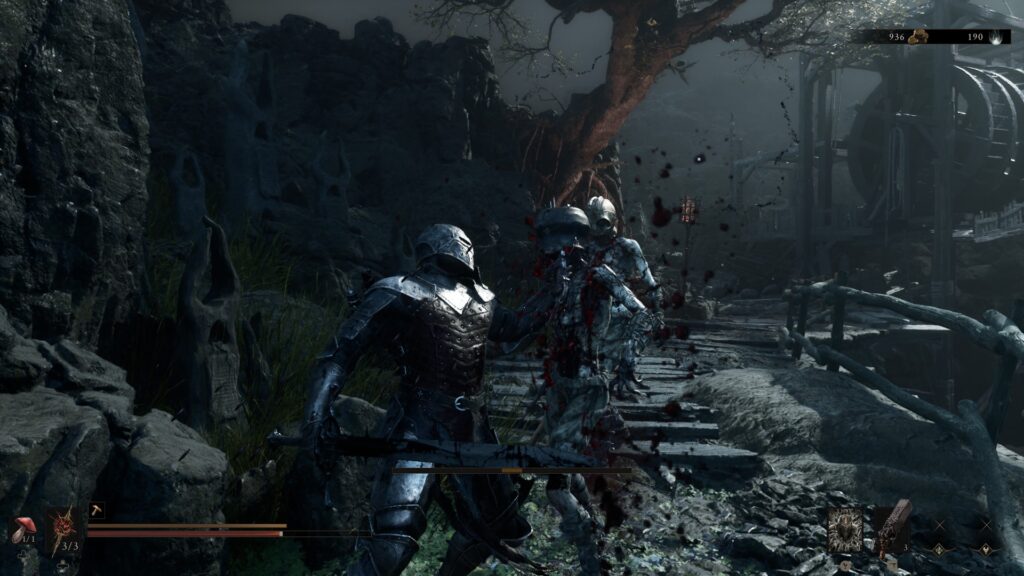
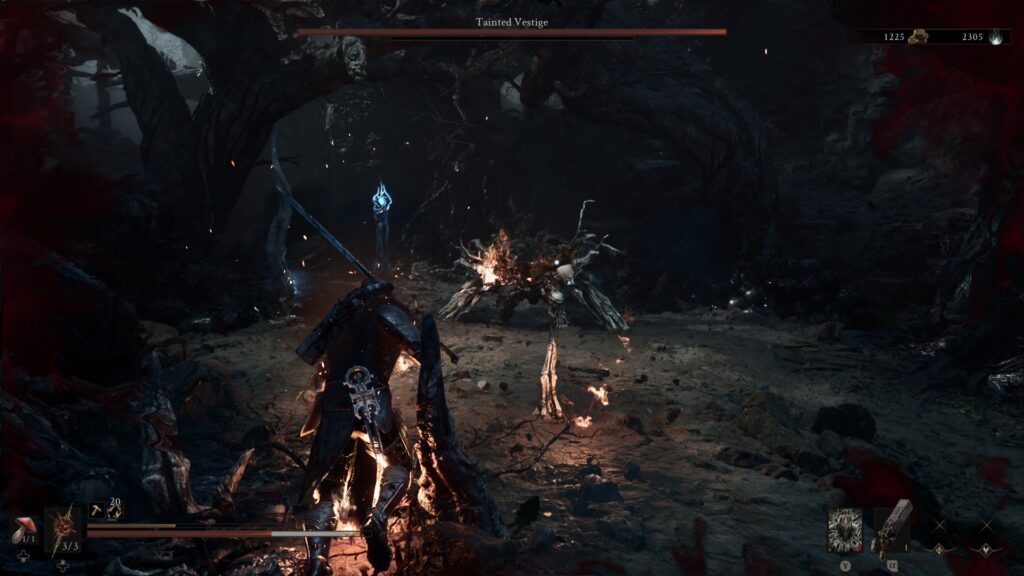
The biggest change becomes obvious almost immediately. There is no traditional stamina bar. For a Soulslike, that’s a pretty bold decision. Instead of constantly watching another meter while attacking, dodging, and repositioning, Mortal Shell 2 gives you considerably more freedom in combat. You can attack, move, and evade without constantly worrying about running out of stamina. At first, it feels strange. After years of Soulslikes teaching us to count every swing, having that restriction removed almost feels wrong. But eventually, it starts making sense. The challenge hasn’t disappeared. It has simply moved somewhere else. Enemies are more aggressive, attacks are more varied, and encounters demand better positioning and timing. You have more freedom, but you’re also expected to use it properly. Several reviews have praised this faster combat while noting that the lack of stamina can occasionally encourage button-mashing if you’re not paying attention. In other words, the game gives you more rope. It’s up to you not to hang yourself with it.
The Shell System Finally Gets Room to Breathe
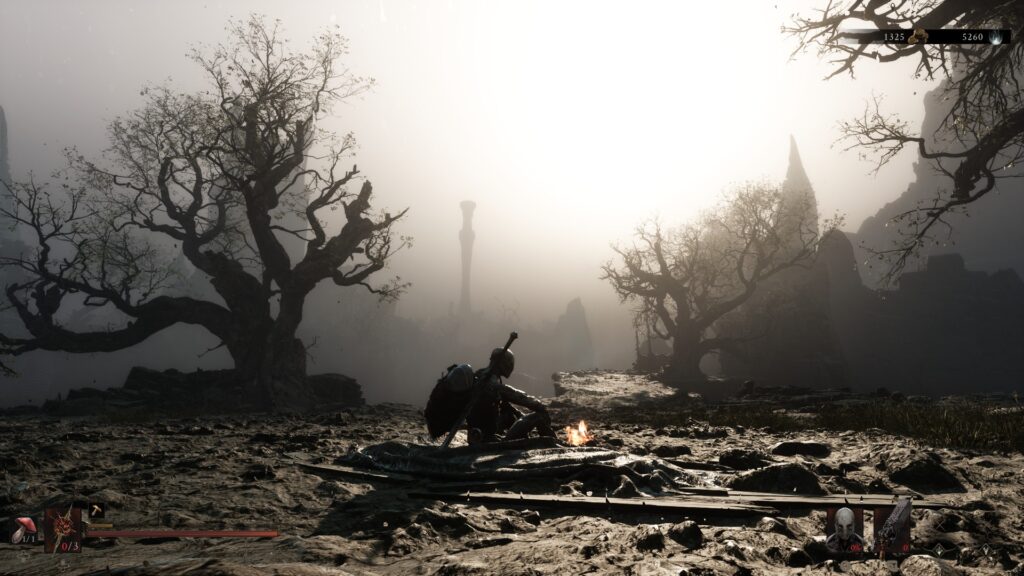
The Shell mechanic was always the most interesting thing about Mortal Shell. Mortal Shell 2 turns it into one of the main pillars of the experience. Instead of committing to a traditional character class, you discover fallen warriors and inhabit their shells. Each one brings different strengths, abilities, and ways of approaching combat. That makes experimentation feel natural. You don’t necessarily need to create an entirely new character just because you want to try something different. Find another Shell, learn what makes it unique, and suddenly the same weapon or encounter can feel completely different. Returning shells such as Tiel and Eredrim are joined by new options, giving players a much broader selection of playstyles than the original offered. The system works especially well because it isn’t just a character-selection screen. You’re encouraged to actually learn these characters. That’s where the fun begins.
A World Worth Getting Lost In
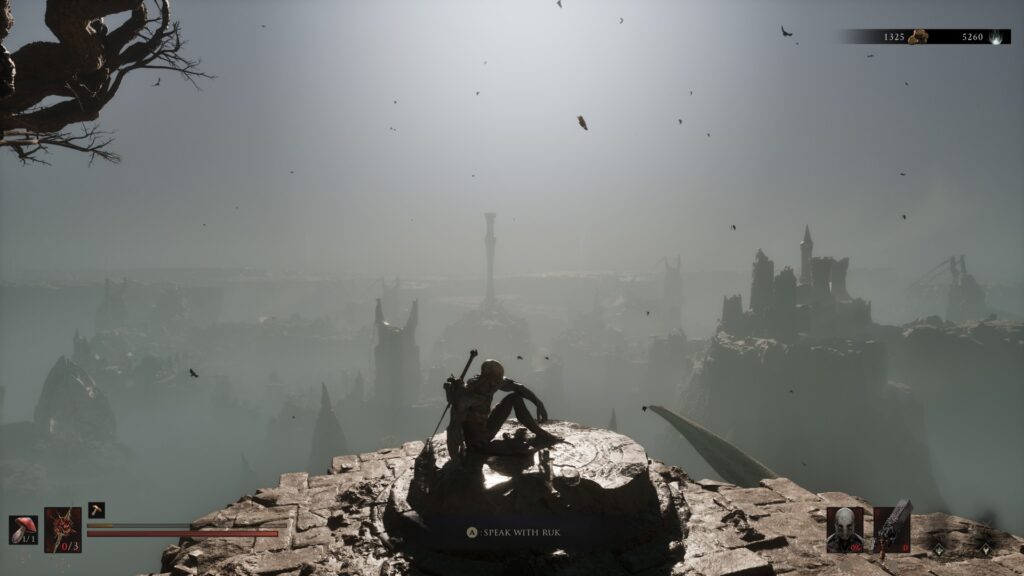
The original Mortal Shell was compact. Mortal Shell 2 isn’t. Cold Symmetry has moved into interconnected open-world territory, but thankfully, it hasn’t created a giant empty map just for the sake of saying the game is open world. The world is deliberately compact and packed with things to discover. Winding paths lead to hidden areas, forgotten warriors, strange weapons, story details and optional challenges. The game includes more than 80 dungeons scattered throughout its world, giving exploration a genuine purpose. This is where the sequel feels most ambitious. You aren’t simply following a straight route toward the next boss. You can wander. You can get distracted. And in a Soulslike, getting distracted is usually when things get interesting.
The Dungeons Are Where Things Get Weird
The optional dungeons are one of the better additions because they give exploration another layer. You can follow the main path if you want, but there’s always the temptation to investigate another doorway or strange structure. And you probably should. These areas aren’t simply there to increase the map’s size. They provide additional challenges, rewards, and pieces of the world’s lore. That makes exploration feel worthwhile rather than like another checklist. It also fits the atmosphere perfectly. Mortal Shell 2’s world is not a pleasant place. Ancient temples, forbidden forests, icy graves, and grotesque citadels create the kind of landscape where you start wondering why your character keeps walking forward. Then you walk forward anyway. Of course you do.
Weapons Feel Like Their Own Progression System
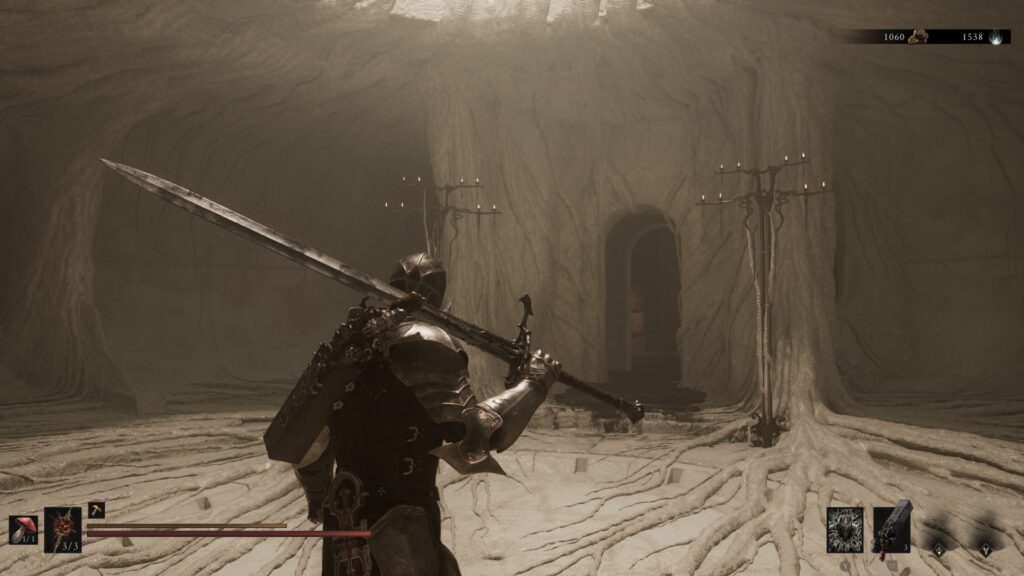
Another area where the sequel expands considerably is weapon customization. There are more weapons to discover, and each can be developed through extensive upgrade options. That gives you another layer of experimentation alongside the Shell system. The result is a game where your build isn’t simply defined by one choice. Your shell matters. Your weapon matters. Your upgrades matter. And how those pieces interact can completely change how you approach a difficult encounter. That’s the sort of depth I want from a Soulslike. Not complexity for the sake of complexity, but systems that encourage you to try something different when your current approach isn’t working.
A Beautifully Miserable World
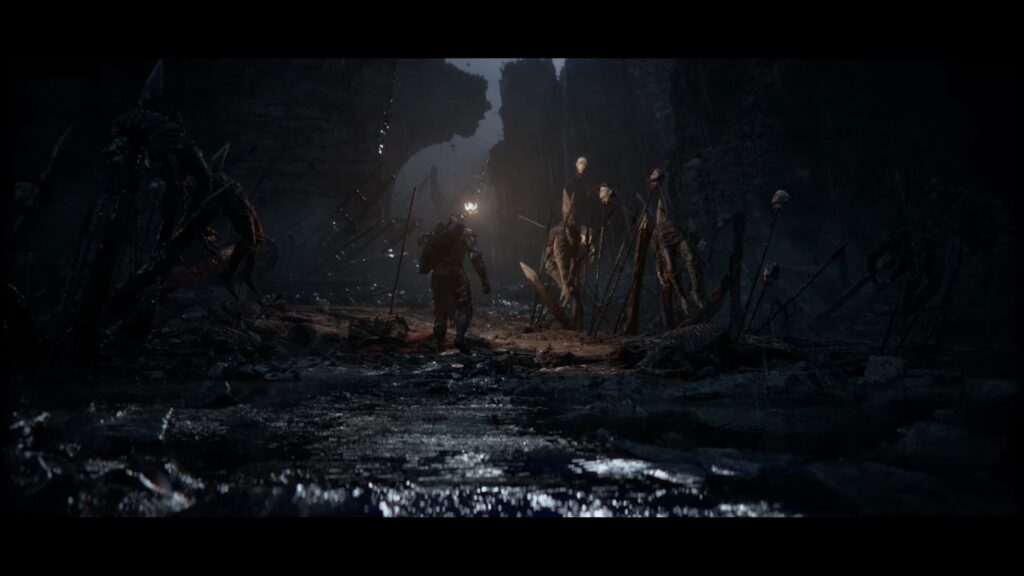
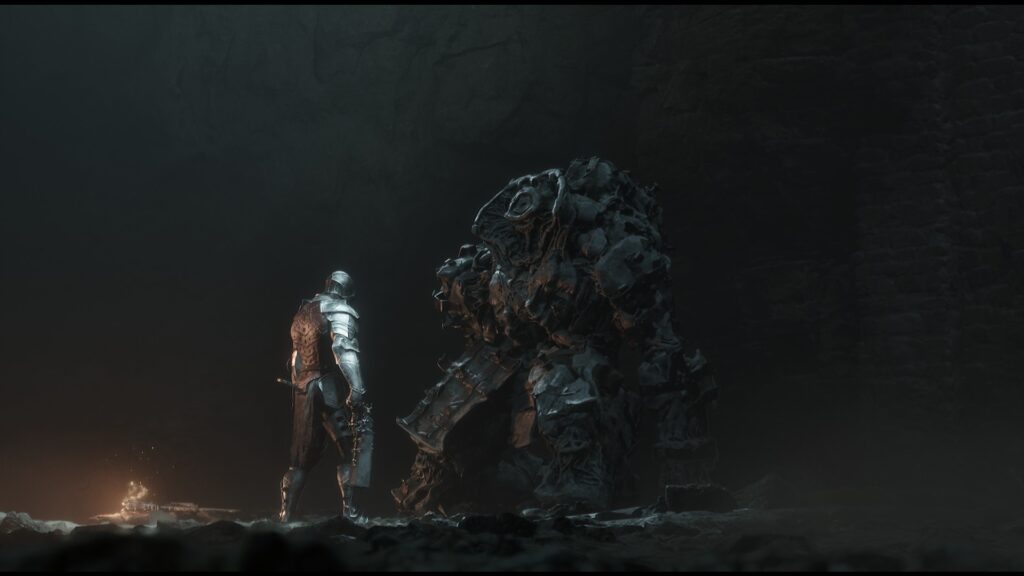
Mortal Shell 2 doesn’t exactly have a cheerful aesthetic. Thankfully. The world is dark, decayed, and heavily atmospheric, with environments that constantly reinforce the feeling that something has gone horribly wrong. That visual identity was already present in the original, but the sequel has considerably more space to work with. The larger environments make the world feel more imposing, while the grotesque architecture and enemy designs maintain that uncomfortable Mortal Shell identity. It isn’t beautiful in the traditional sense. It’s beautiful because it looks miserable. And that’s exactly what this game needs.
Not Everything Lands Perfectly
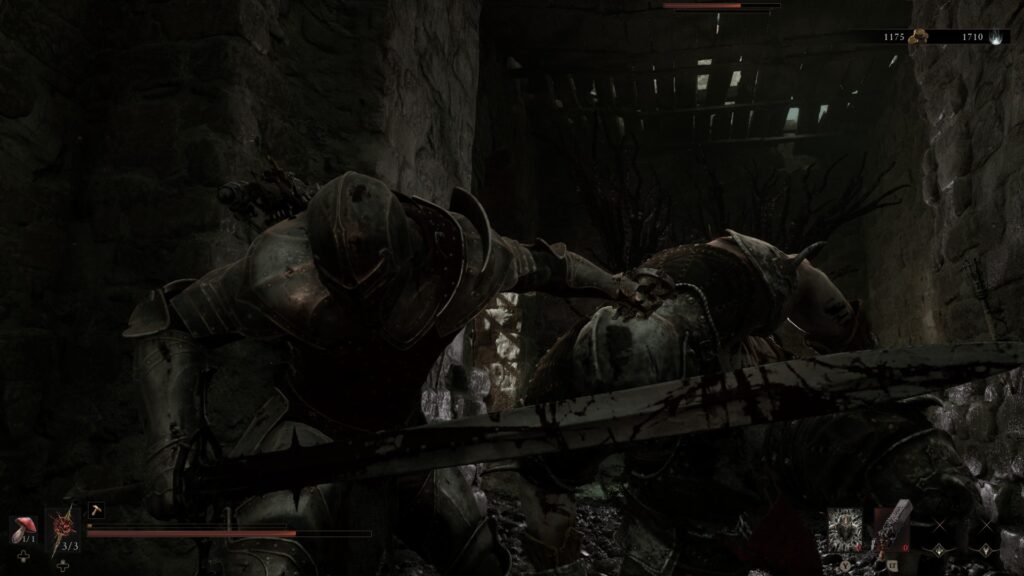
Mortal Shell 2 is ambitious, but that ambition occasionally works against it. Some encounters can feel less polished than the game’s best fights, and the increased freedom in combat isn’t always an advantage. Without stamina, certain encounters can lose some of the deliberate rhythm that defines traditional Soulslikes. The map can also become difficult to read when you’re trying to remember which dungeons you’ve already completed. One specifically noted that manually marking completed dungeons can become frustrating when you’re searching for the last few objectives. These aren’t game-breaking problems. They’re simply reminders that Cold Symmetry has attempted something much larger this time around. And occasionally, you can see where the seams are.
Real Talk
Mortal Shell 2 could have played it safe. It could have taken the original game, added a few new shells and weapons, increased the resolution, and called it a day. Instead, Cold Symmetry went considerably further. The sequel takes the Shell system that made the original interesting and builds an entire game around it. Combat is faster, the world is larger, exploration is more rewarding, and the sheer number of weapons, abilities, and dungeons gives players plenty of room to experiment. It doesn’t always get everything right. But I’d rather play a sequel that occasionally reaches too far than one that never tries anything new.
FINAL SCORE: 86/100
Mortal Shell 2 Review: Death Has Never Looked This Good
Mortal Shell 2 Review: Death Has Never Looked This GoodPros
- Excellent expansion of the Shell system
- Faster and more flexible combat
- No stamina bar makes combat feel liberating
- Large interconnected world without unnecessary emptiness
- More than 80 dungeons encourage exploration
Cons
- Combat can occasionally encourage button-mashing
- Open-world navigation can be confusing
- Some systems feel more complicated than they need to be