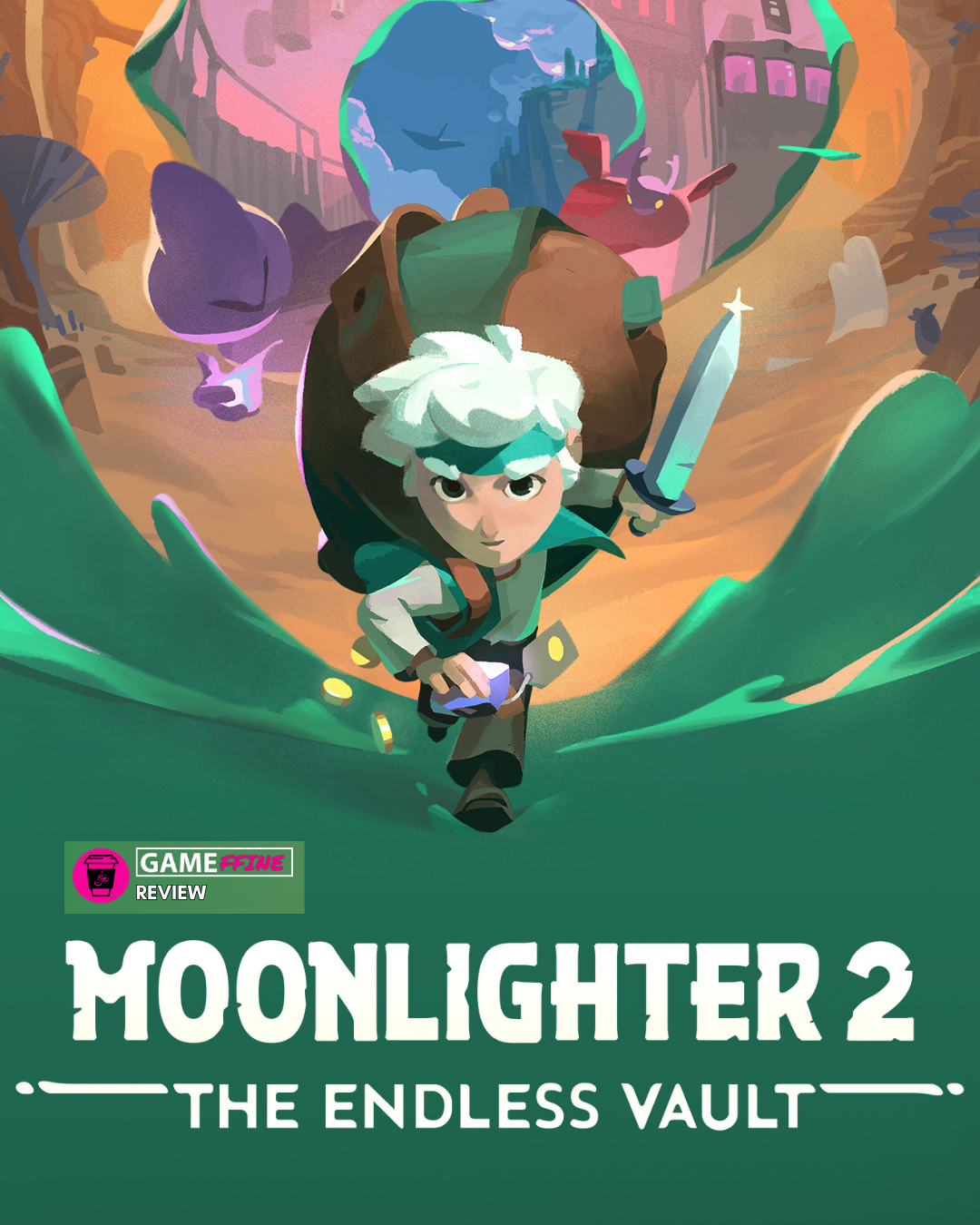



When I first played Moonlighter 2: The Endless Vault in Early Access, I came away thinking the foundation was already there. The combat felt cleaner than the original, the shop had more going on, and the new 3D presentation gave the series a completely different look. The obvious question was whether Digital Sun could actually turn that promising foundation into a complete game. Now that version 1.0 is here, I think they mostly pulled it off. Moonlighter 2 still revolves around the same wonderfully strange idea: you’re an adventurer who spends one part of your life fighting through dangerous dungeons and the other part selling whatever you manage to drag home. It sounds simple. Then you lose half your backpack because you got greedy, and suddenly you’re standing in the shop wondering why you didn’t just leave the dungeon five minutes earlier. That feeling is still very much alive.
The Loop Still Works
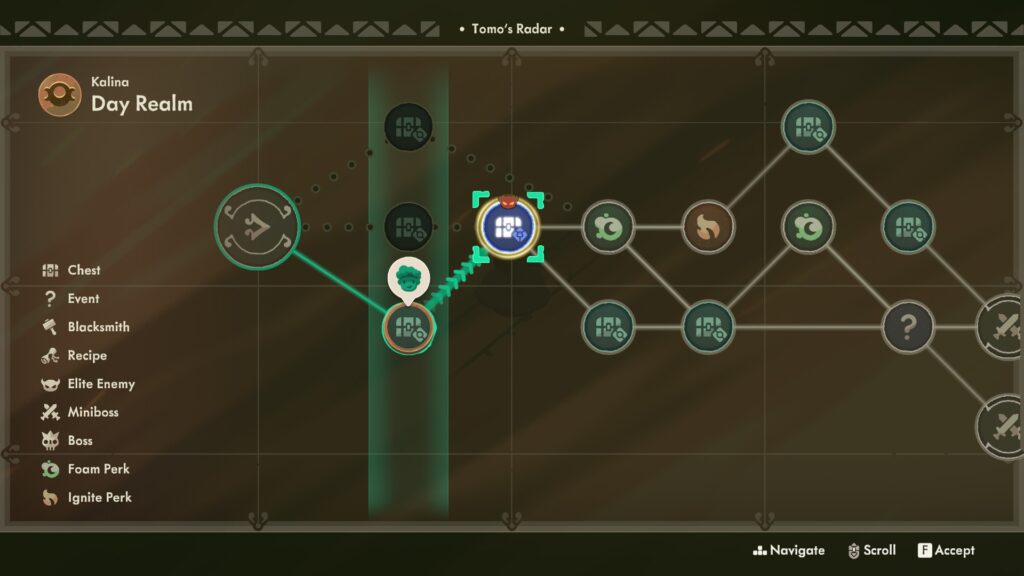
The biggest compliment I can give Moonlighter 2 is that I kept telling myself I’d do one more run. One more dungeon. One more chest. One more attempt to find something valuable enough to justify staying. That loop remains the heart of the game, and the full release gives it enough content to keep things moving for much longer than the Early Access version. You head into the Vault, fight enemies, collect relics, and decide how much you’re willing to carry. Your backpack has limited space, so every item has a value beyond its selling price. Something might be worth a lot of money, but is it worth throwing away three other items to make room for it? Those little decisions are what make Moonlighter 2 work. The game doesn’t need to constantly throw huge rewards at you. Sometimes finding one particularly valuable relic is enough to make a run feel worthwhile.
Combat Finally Feels Like It Belongs Here
Combat was one of the areas I was most interested in seeing after Early Access. The original Moonlighter was fun, but its fighting never quite had the same polish as the shopkeeping side. Moonlighter 2 feels much more confident. There are multiple weapon types, each with its own rhythm, and enemy attacks are generally readable enough that getting hit feels like your mistake rather than the game’s. Dodging is especially important. You can still get yourself into trouble by becoming too aggressive, but there’s enough responsiveness here to make careful play feel rewarding. It’s not trying to be the next great action RPG. That’s probably for the best. Combat exists to support the dungeon loop, and it does that job well.
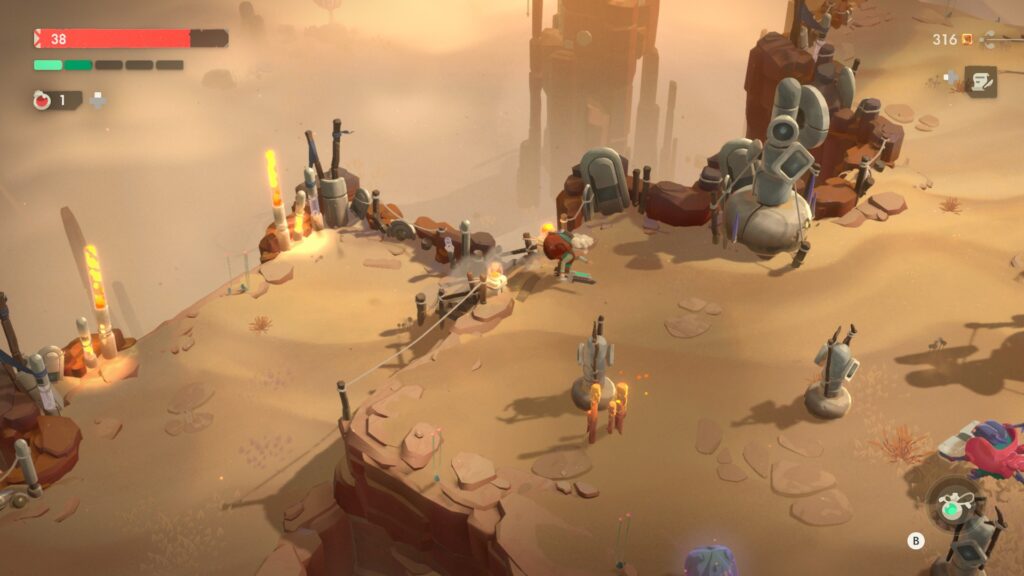
Running a Shop Is Still Weirdly Addictive
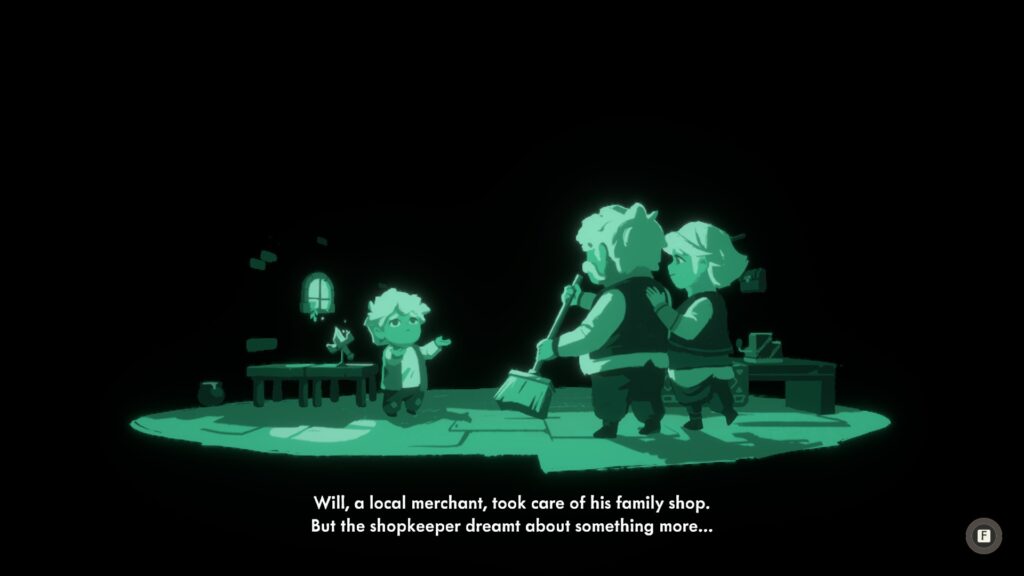
Then you return to town, and the game completely changes its mood. After fighting monsters, dodging attacks, and worrying about whether your backpack is full, you suddenly have customers standing in front of you judging your prices. It’s a funny contrast, and it remains one of Moonlighter 2’s biggest strengths. The shop has also become a much more important part of progression. You’re not simply dumping items onto shelves and waiting for money to appear. The layout, customer behavior, upgrades, and the way you manage your stock all feel more connected to the rest of the game. There’s something satisfying about seeing a relic that was practically worthless to you inside a dungeon become the thing that pays for your next upgrade. That’s the magic of Moonlighter. You’re constantly turning adventure into money and then turning that money into better adventures.
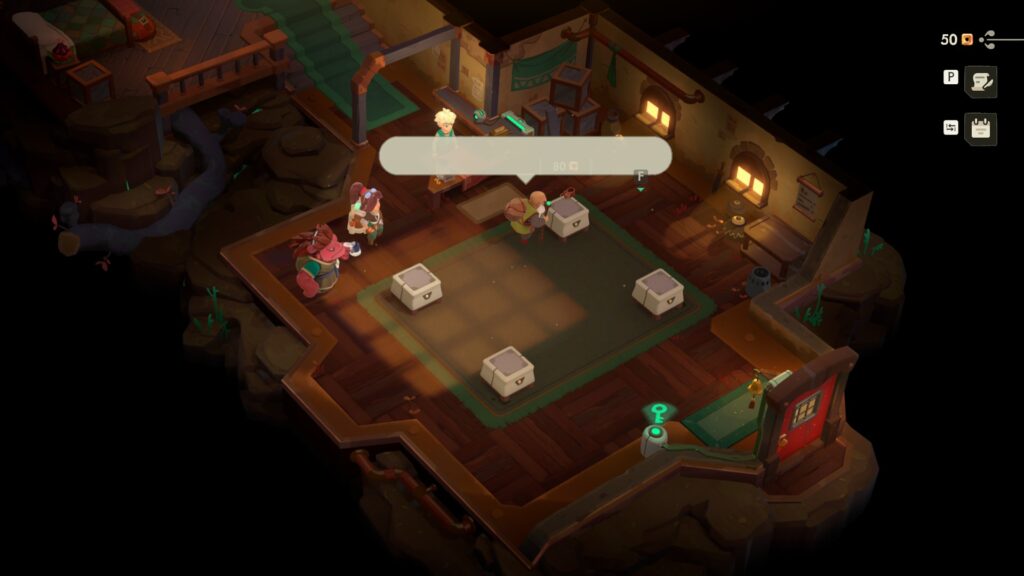
Greed Is Still Your Worst Enemy
The best part of Moonlighter 2 isn’t really the combat or the shop. It’s greed. The game knows exactly how to tempt you. You’ve already had a decent run. Your bag is getting full. You’ve made enough money to buy the thing you’ve been saving for. You should leave. Then you see another room. And another chest. And suddenly you’re thinking, “I’ll just check what’s inside.” This is where the roguelike structure fits the series so well. A failed run doesn’t completely destroy your progress, but losing valuable loot still hurts. That risk makes exploration more exciting than simply clearing a dungeon from start to finish.
The 3D Change Still Takes Getting Used To
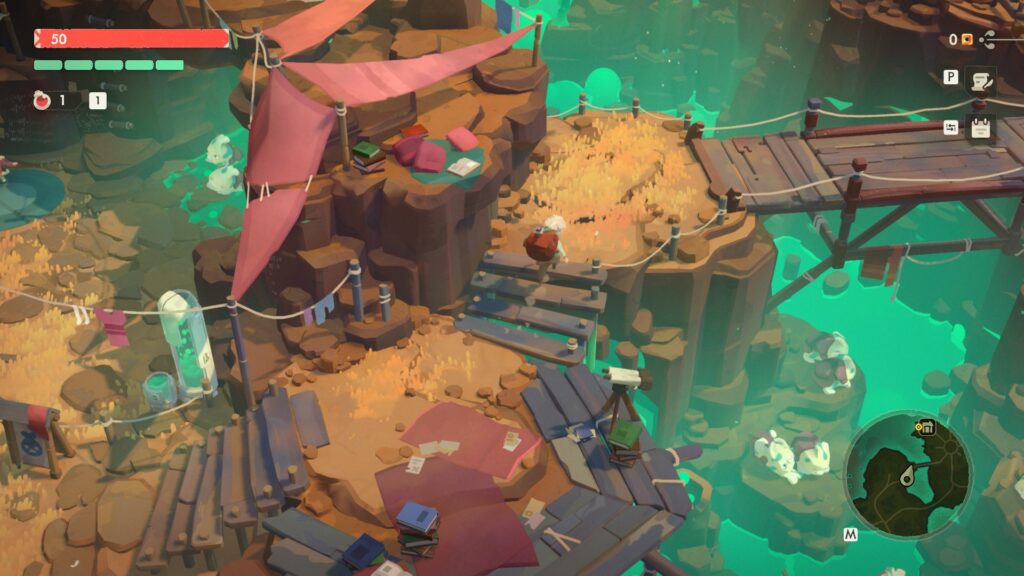
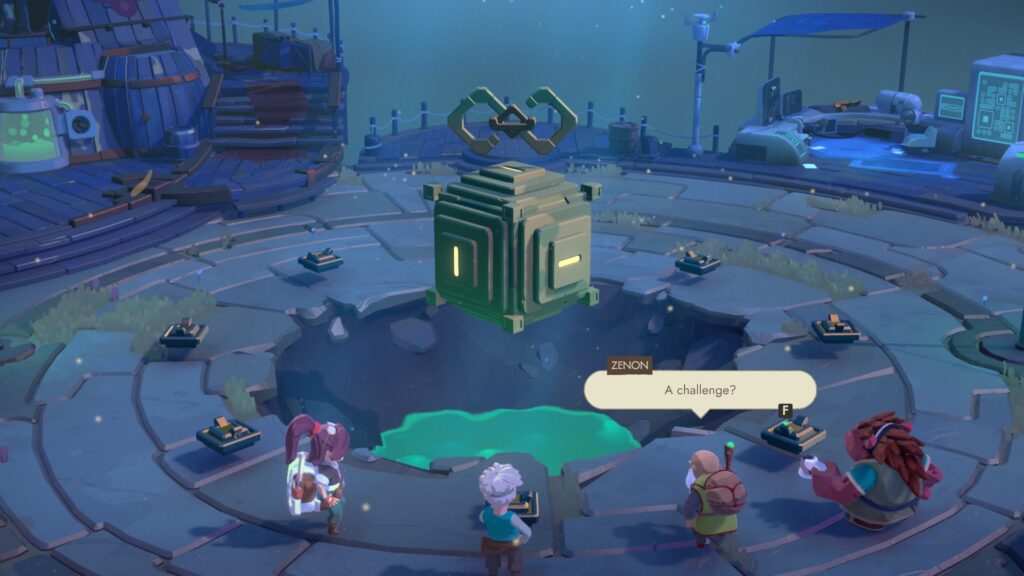
I remember the move to 3D being one of the things I wasn’t completely sure about during Early Access. Moonlighter had a very recognizable pixel-art identity, and changing that was always going to be risky. Moonlighter 2 doesn’t try to recreate the original in three dimensions. It has its own look, with colorful environments, exaggerated characters, and a softer visual style that gives the world plenty of personality. I still think some players will prefer the original’s art direction. That’s understandable. But after spending more time with the sequel, I don’t think the 3D presentation hurts the game. In fact, the larger environments benefit from it. The different areas feel more like actual places rather than simply stages leading to the next boss. It’s different, but it works.
There’s More to Chase Now
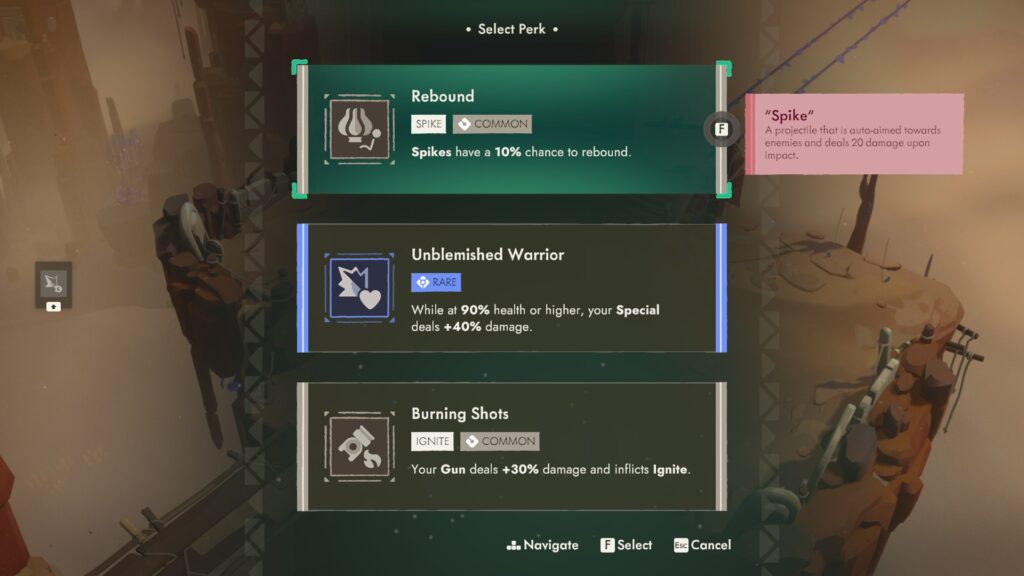
One of the problems with reviewing an Early Access game is that you can see the potential without knowing whether the developers will actually get there. Version 1.0 feels considerably more complete. There’s more progression, more content to work through, and a proper conclusion to the story. The later parts of the game also give you more reasons to keep improving your equipment and shop instead of simply reaching the end and stopping. That said, the grind does become noticeable. Moonlighter 2 likes repetition. That’s built into the genre, but some progression requirements can make the journey feel longer than necessary. If you’re the type of player who enjoys perfecting builds and squeezing every bit of value from a run, you’ll probably be happy. If you just want to see the story and move on, the repetition might test your patience.
The Sequel Knows What Made Moonlighter Special
What I appreciate most about Moonlighter 2 is that it doesn’t abandon the strange little identity of the original. There are plenty of changes, especially visually and mechanically, but the central idea remains intact. You’re still a shopkeeper who wants to be an adventurer. You’re still crawling through dangerous places looking for things people will pay too much money for. And you’re still going back into the dungeon because you need just a little more cash. The game understands that this combination is the reason people cared about Moonlighter in the first place.
Real Talk
Moonlighter 2: The Endless Vault had something to prove. After the Early Access version showed plenty of promise, the final game needed to prove that the ideas could carry a complete adventure. Thankfully, they do. The shop is better, the combat is better, the world is bigger, and the progression gives you plenty of reasons to keep going. More importantly, the strange little rhythm that made Moonlighter special is still here. You fight for loot. You sell that loot. You spend the money. Then you go back because you know you can do better next time. It’s an easy loop to understand and a surprisingly difficult one to stop playing. The shop is open. And business is good.
FINAL SCORE: 82/100
The Good
- Excellent dungeon-to-shop gameplay loop
- Combat feels much better than the original
- Shop management has more depth
- Loot management creates constant risk and reward
- Plenty of progression and endgame content
The Bad
- Some progression can feel grindy
- The 3D art style won't appeal to everyone
- Repetition becomes more noticeable later
- Story isn't always as interesting as the gameplay


