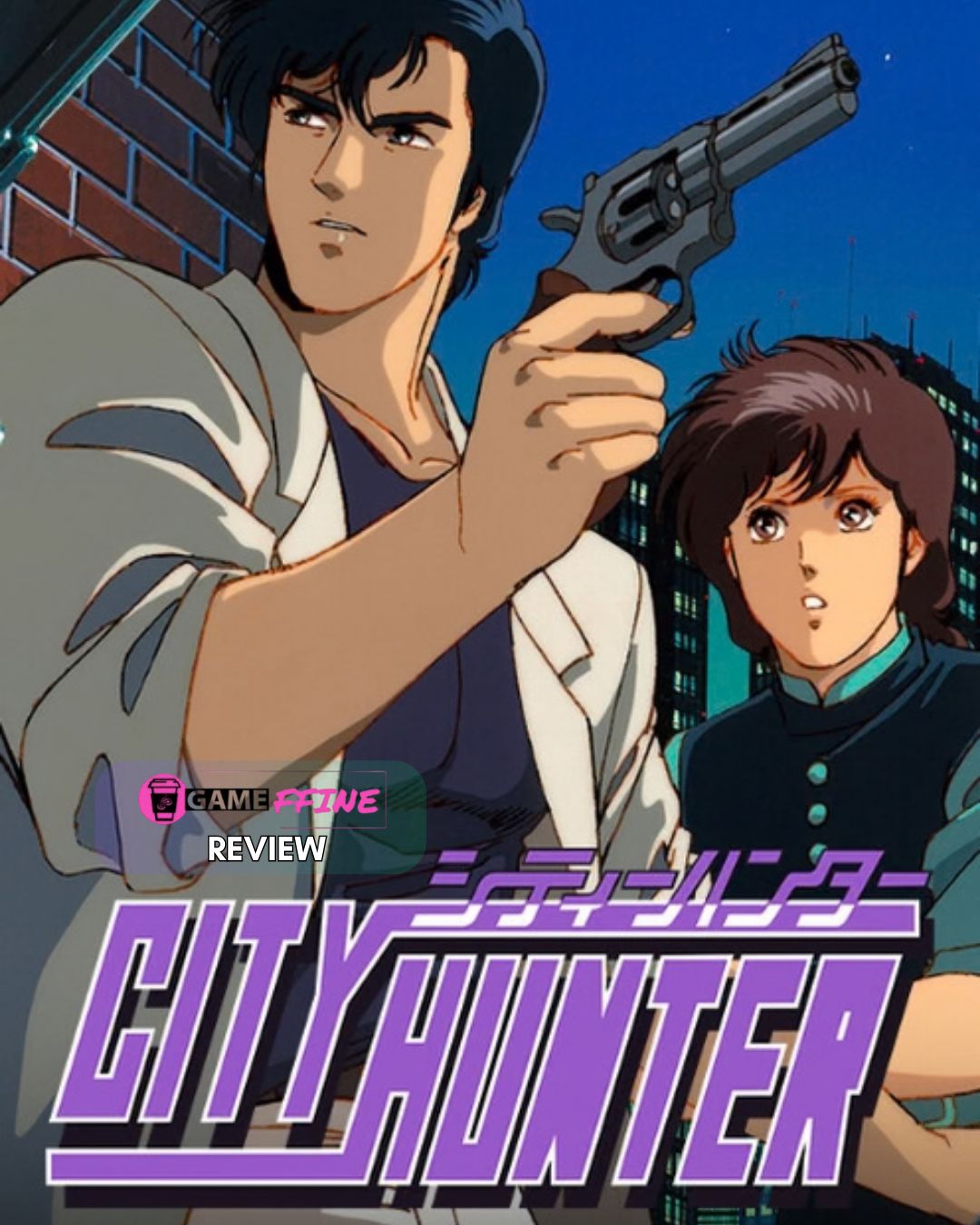





It was the summer of 2013, around 4:30 PM, when Animax first introduced me to City Hunter ’87. Up until then, the only version of the franchise I had known was the live-action Jackie Chan movie. But Ryo Saeba’s unique blend of “mokkori” perversion and effortlessly cool action won me over instantly. So, when I found out that an old 8-bit City Hunter game—which never saw a Western release—was finally being localized, I knew I had to jump the gun.
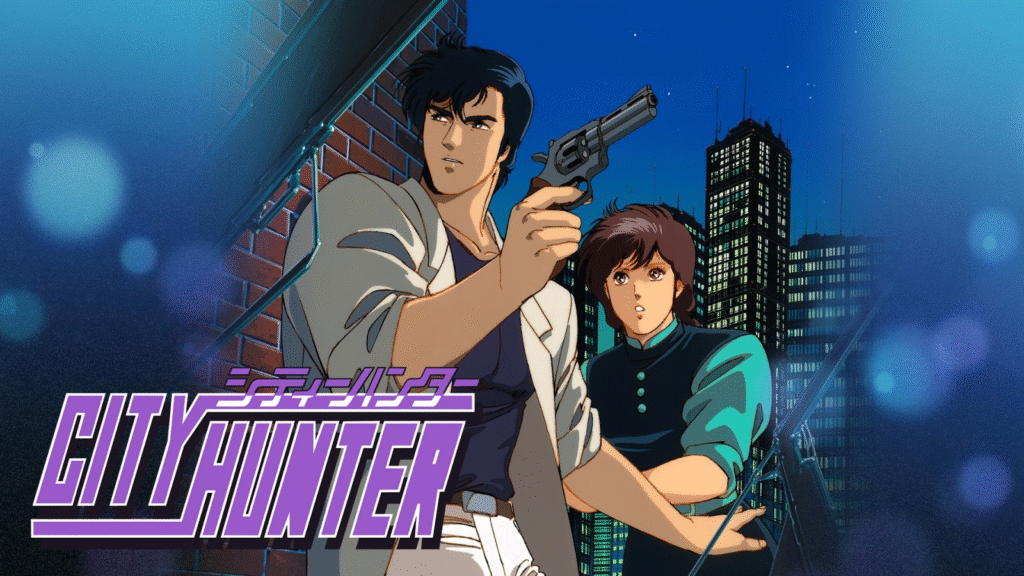
While it feels like a lost Nintendo cartridge, this title is actually a remastered port of a 1990 PC Engine (TurboGrafx-16) game. Developed originally by Sunsoft and brought to modern audiences by Clouded Leopard Entertainment (with Red Art Games handling distribution in the West), City Hunter officially hit the PS5, Xbox, Nintendo Switch 2, and PC on February 26, 2026. It stands as a fascinating, if slightly dusty, time capsule of licensed gaming history.
Back In Action
The game’s premise is surprisingly faithful to the anime’s episodic nature. Rather than one long continuous campaign, you select from three distinct case stories right from the start, which can be tackled in any order. The first two cases typically involve infiltrating corrupt tech conglomerates, sending Ryo into sterile, maze-like office buildings to uncover corporate espionage.
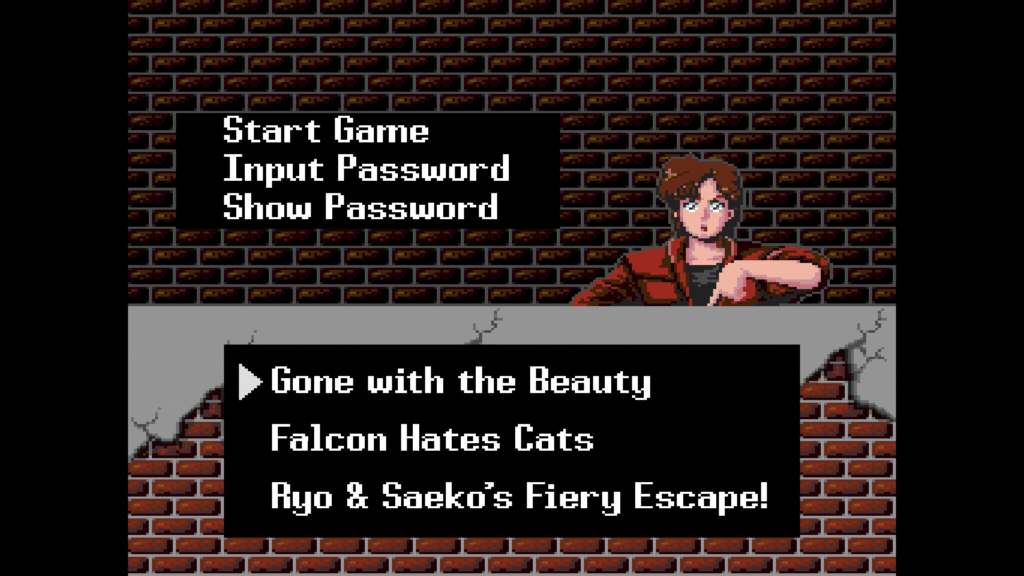
The third case takes a turn into sci-fi territory, dropping you into a shady biolab teeming with genetic experiments—a slight departure from the gritty noir streets, but fitting for the era’s game logic. Once you complete all three, it unlocks the final case, a high-stakes rescue mission that ties the loose threads together. While the plots aren’t that great, they capture the case-of-the-week vibe of the show perfectly.
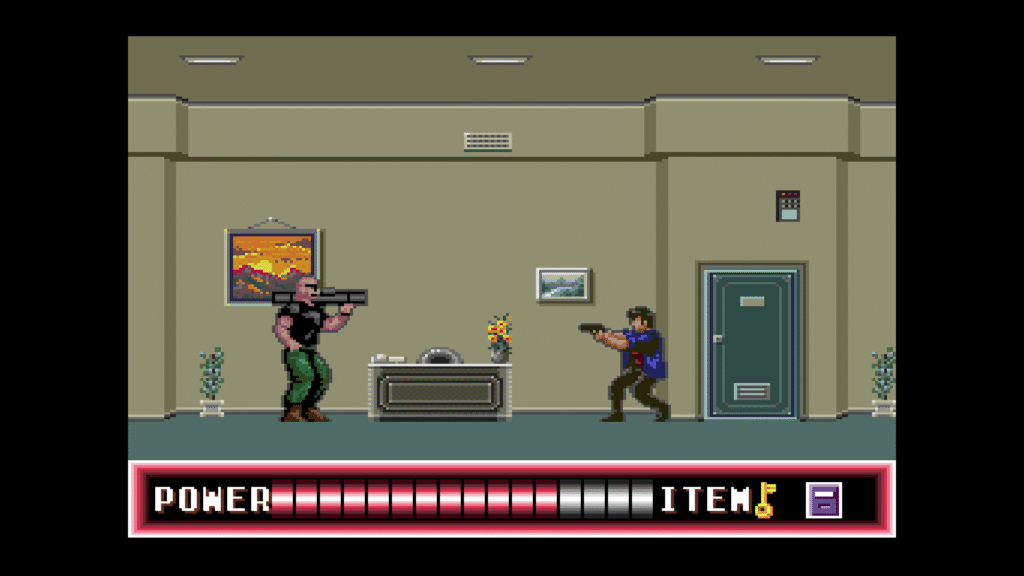
Die-hard fans will be relieved or perhaps disappointed by the brevity to know that the gang is all here, though mostly in cameo roles. Kaori Makimura appears to keep Ryo in check (often with her signature 100-ton hammer during story sequences), while the seductively dangerous Saeko Nogami provides critical intel to move the plot forward. Even Umibozu, Ryo’s imposing rival-turned-friend, makes an appearance. However, he is tragically not a playable character—a missed opportunity that leaves you wishing you could swap Ryo’s revolver for Umibozu’s bazooka during the tougher segments. Still, you do get a bazooka as you progress.
35 Years Too Late
Since it’s a remaster of a 35-year-old title, it doesn’t hold up well against modern gameplay standards, even when compared to classic NES platformers. As soon as I focused on the gameplay aspects of it, cracks began to show, and the retro charm faded.
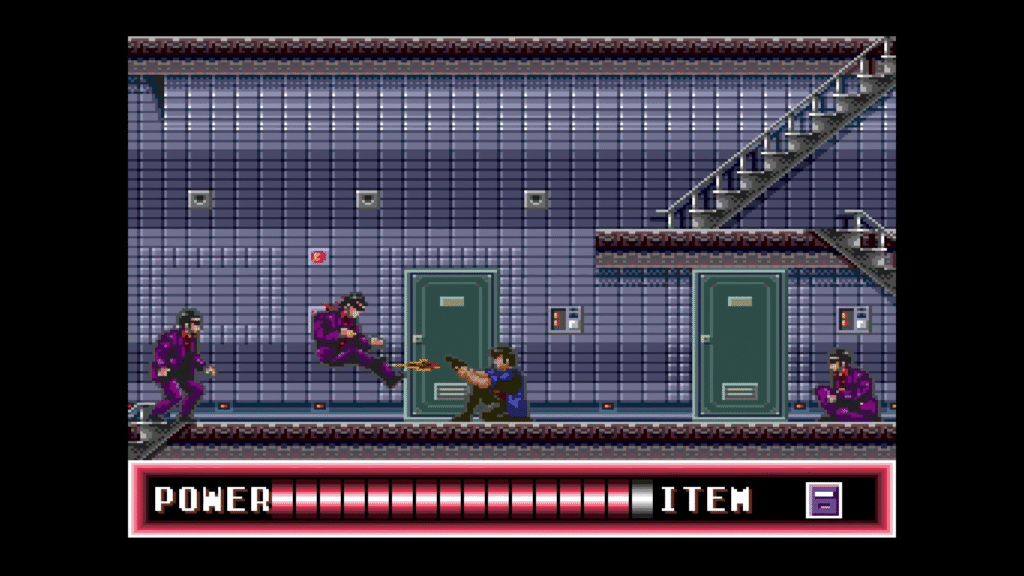
The stages are essentially side-scrolling mazes composed of endless, identical-looking corridors and doors. You aren’t just moving left to right; you are constantly ducking into rooms to find key items or NPCs, often backtracking through confusing layouts that lack distinct landmarks. Enemy design is fairly basic—mostly thugs in suits—but the Enhanced mode makes them surprisingly aggressive, with foes often camping right outside doors to cheap-shot you the moment you transition screens.
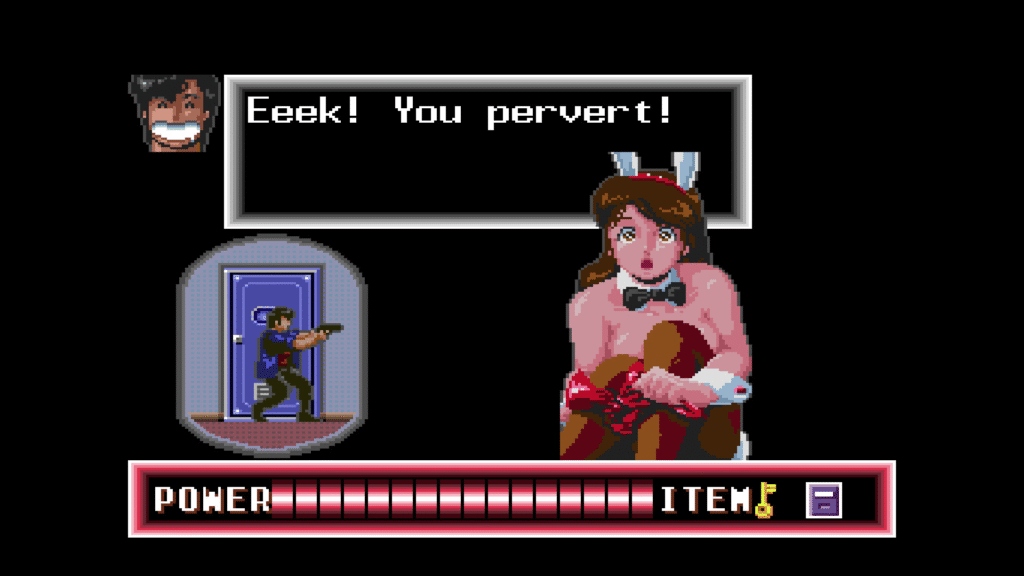
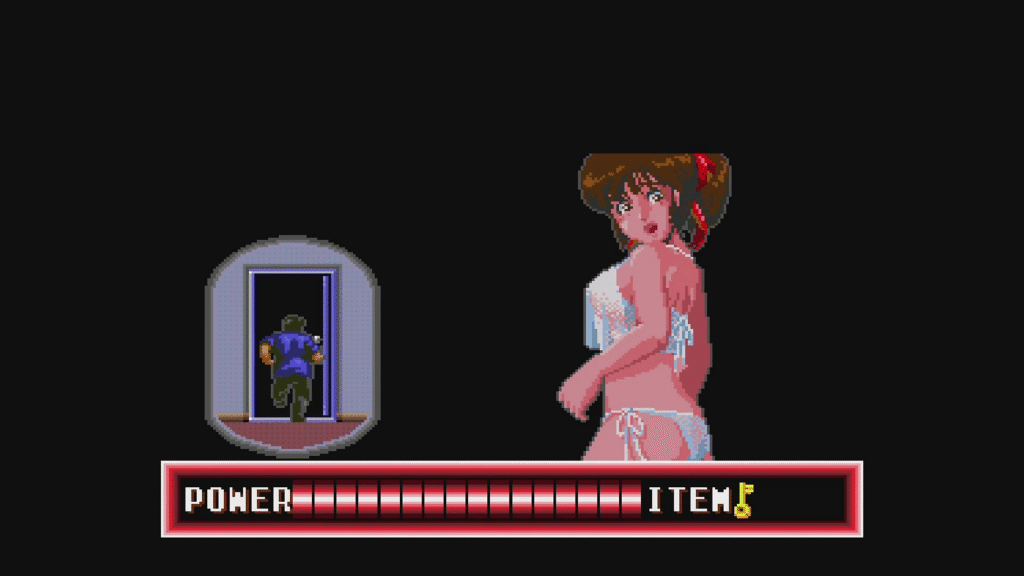
Combat is a straightforward run-and-gun affair, though it requires more calculation than your typical shooter. Ryo starts with his trusty .357 Magnum revolver, but you can unlock a machine gun and a rocket launcher as you progress. Crouching and shooting are essential to dodge high bullets, but the hitboxes can feel unforgiving. The progress relies heavily on NPC interactions. You’ll frequently pop into rooms to talk to helpless citizens who give you ID cards or keys needed to advance. In true Ryo fashion, you can also find nurses or stumble into occupied changing rooms—awkward mokkori encounters that, in a bizarre twist of game logic, actually serve as the primary way to heal your health bar.
The experience culminates in boss battles that act as the punctuation mark for each case. These fights usually involve dodging predictable projectile patterns while waiting for an opening. While not mechanically deep, they provide a satisfying break from the maze exploration. However, they can be spikes in difficulty, forcing you to master the patterns or risk being sent back to the start of the section. By 2026 standards, this is way tougher than any Soulslike game.
Improvements and Added Bonus
Thankfully, this remaster adds a suite of modern features to soften the blow of 1990s game design. You get Save States and a Rewind feature, which are absolute lifesavers during cheap deaths. Visually, you can toggle between a crisp modern look or a surprisingly authentic Retro CRT filter, which adds scanlines and a slight curvature to the screen, mimicking the glow of an old tube TV. There is also a dedicated Gallery Mode for viewing original manual art and a Music Player to blast the chiptune rendition of “Get Wild” on repeat.
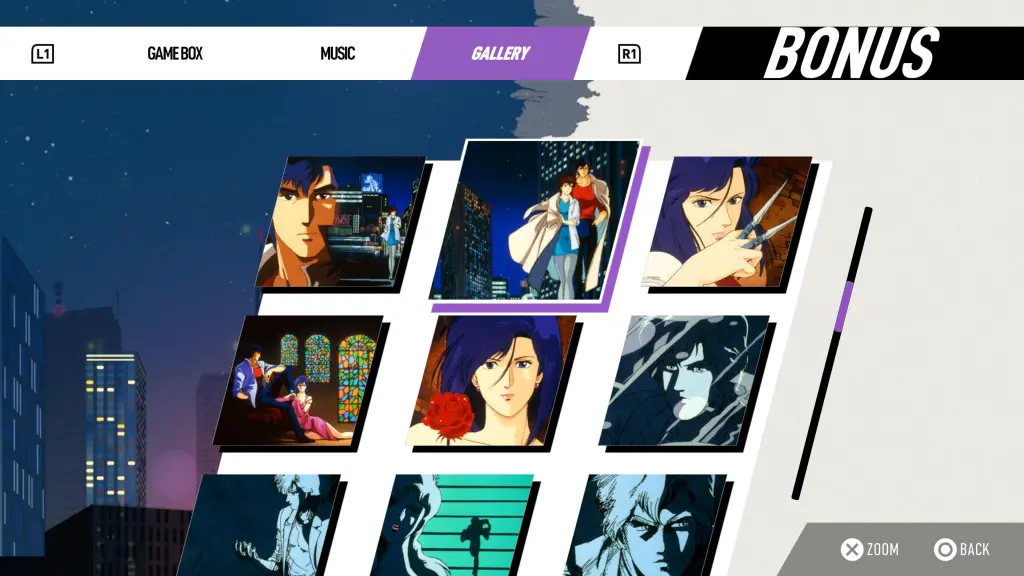
Where the game truly falters is in its modernization—or lack thereof—specifically regarding the movement system and controls. For a PS5 port, the button mapping feels bafflingly unintuitive. Shooting is often mapped to face buttons in a way that feels cramped, and crucial actions like switching weapons are sometimes relegated to the touchpad or awkward button combinations that ruin the flow of combat. Ryo’s movement also retains the stiff, grid-like rigidity of 1990; jumping often feels heavy, and turning around while crouching can be a clumsy affair that leads to unnecessary damage.
Real Talk
If you are a die-hard fan of the anime, this game is a lovingly preserved curio. Hearing Get Wild in 8-bit glory and seeing pixel-art cameos of Kaori and Umibozu will likely carry you through the frustration. However, if you are looking for a polished action platformer, City Hunter might feel more like a midlife crisis than mokkori magic. It is a product of its time. It’s charming and authentic, but undeniably dated.
FINAL SCORE: 70/100
City Hunter
City HunterThe Good
- Added Save and Rewind Systems
- Detailed Character Sprites
- Bonus Add Ons
The Bad
- Overwhelmingly Challenging due to Clunky Movement System
- Repetitive Level Design
- Frustrating Button Mapping