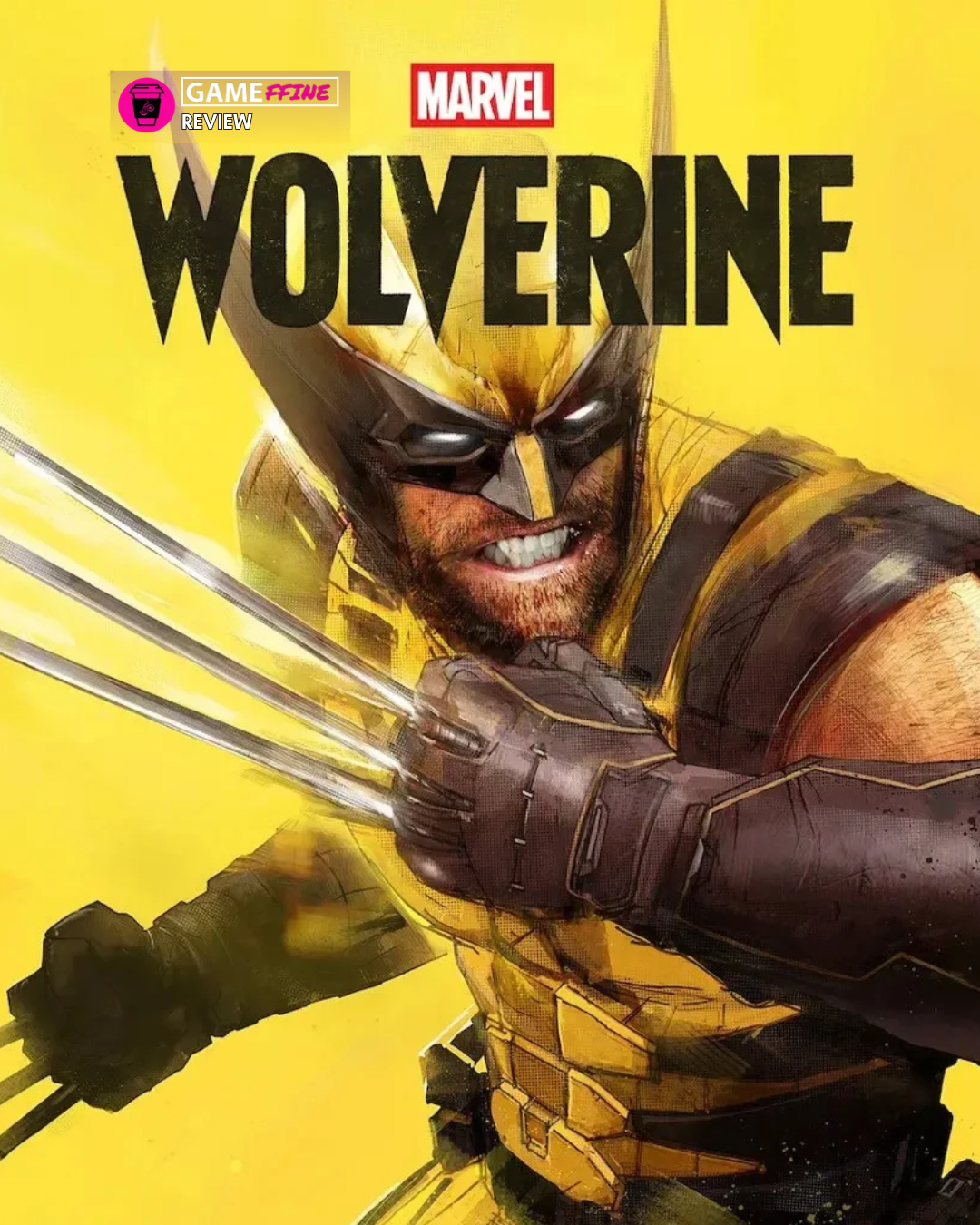



The past couple of months have been rough as a PlayStation fan. While Saros and Marvel Tokon: Fighting Souls were great games, PlayStation fans were looking for a breakthrough title—one that could turn the tide for good, just like Insomniac’s Spider-Man did back in 2018. All eyes were on their latest entry—Marvel’s Wolverine—but what followed is something that no one saw coming. There are people hating on this game on social platforms, and there’s the audience that will defend this title to their grave. This review belongs to neither of those extremes. The package that we have here is far from being a bad title; it’s a decent game with impressive visual spectacle at times, but at what cost?
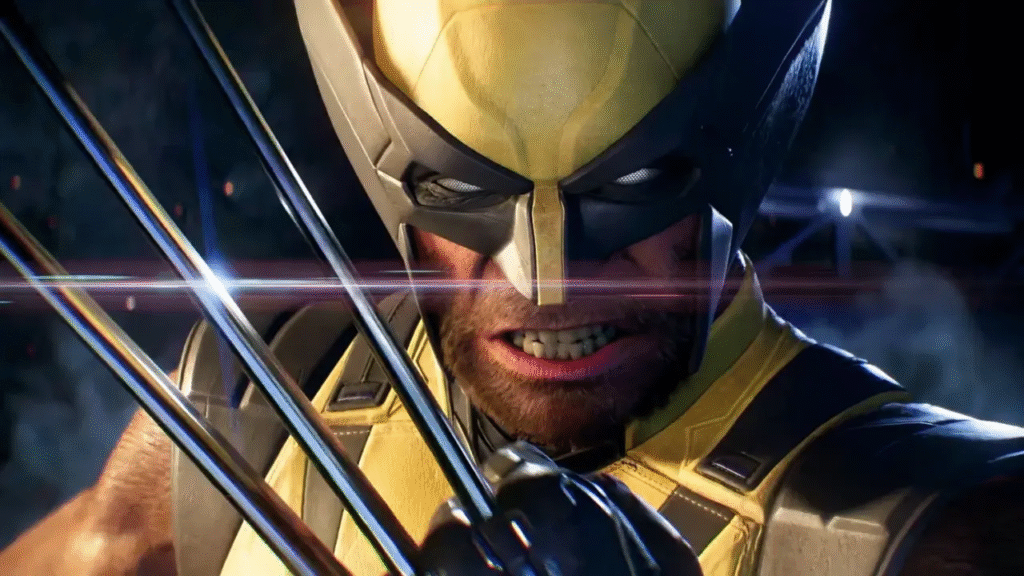
Marvel’s Wolverine is an action-adventure video game developed by Insomniac Games in collaboration with Marvel Games and published by Sony Interactive Entertainment. Released worldwide on September 15, 2026, exclusively for the PlayStation 5, it stands as a standalone entry starring the fan-favorite mutant Wolverine while sharing continuity with Insomniac’s popular Marvel’s Spider-Man universe.
Marred Motivations, Missed Ambitions
Marvel’s Wolverine follows an amnesiac James “Logan” Howlett as he reunites with Team X alongside comrades Mystique and Sabertooth. Their first mission is to rescue their leader, Nathaniel Essex, from Trusk, an anti-mutant organization. What ensues is a gritty, intense bloodbath, and before long you’re controlling Logan, effortlessly slicing through soldiers like butter.
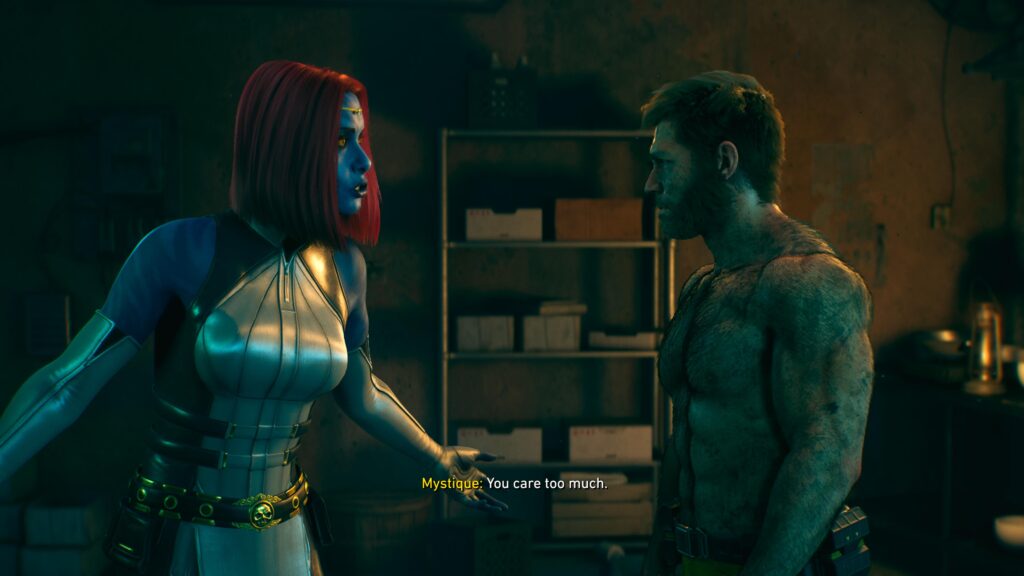
For most studios, this would be a great introduction to a superhero game, but not for Insomniac. Whether it’s Spider-Man’s Fisk sequence, Miles Morales’ Rhino chase, or Spider-Man 2’s Sandman fight, Insomniac consistently exceeds expectations. Unfortunately, Wolverine falls short of capturing the magic of those moments. The story in the early hours just doesn’t hook you the same way. Still, it’s far from boring or a snoozefest.
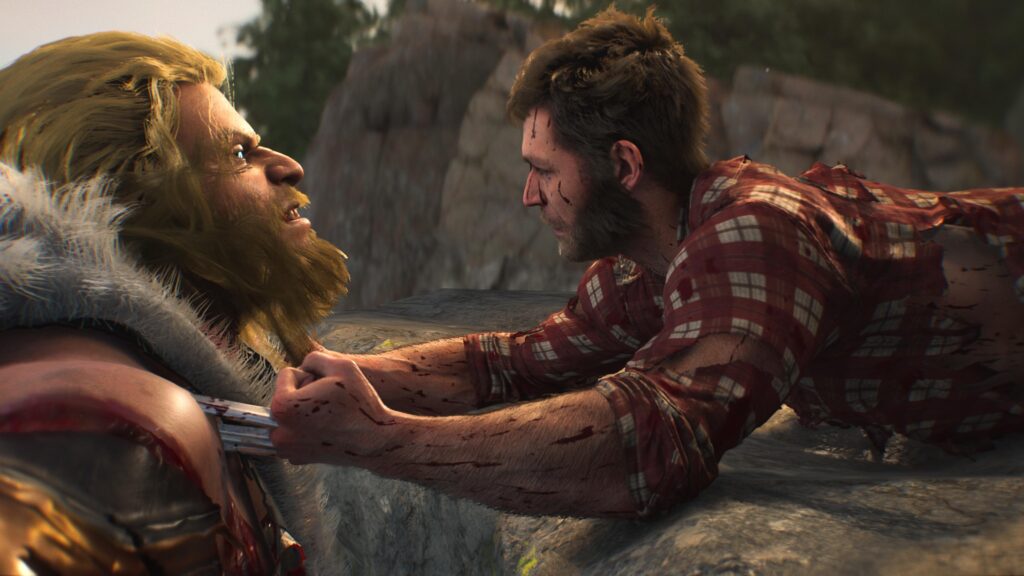
The voice actors deliver outstanding performances, but the writing they’re given is inconsistent in quality. Troy Baker, one of the greatest voice actors ever, still struggles due to how his character is written. The most cringe-worthy moments show up in the highly linear sections, like in Canada, where Logan is often paired with Mystique and Sabertooth. When Sabertooth says to Logan, “That’s my Wolverine,” it sounds like something a teenager would write—and he repeats it again in a dream sequence. For a character like Sabertooth, often seen as Marvel’s boogeyman, that line never should’ve made it into the game.
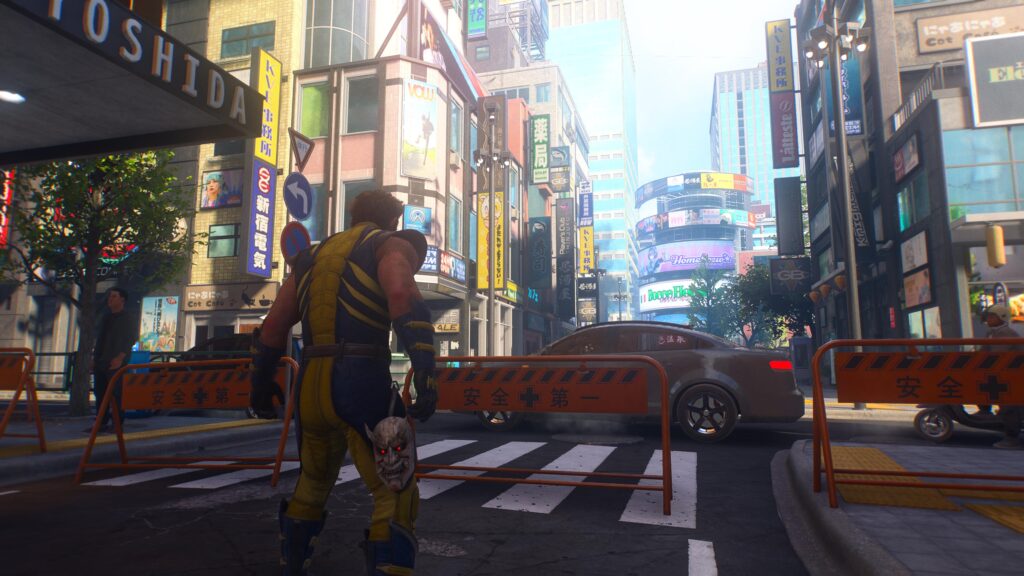
Overall, while it’s not a bad story, it’s not a great one either. This is reflected in diminishing character motivations and in its ambition. Marvel’s Spider-Man had the tagline of ‘Be Greater,’ which is also reflected in the undertones of its story. The same goes for Miles Morales with the tagline of ‘Be Greater. Be Yourself,’ which perfectly manages to capture the swagger of a Black teenager trying to be himself. Spider-Man 2 continues this tradition with ‘Be Greater. Together’ as its tagline. However, for Marvel’s Wolverine, the game seems to be stuck in the cloud of self-doubt, just like amnesiac Logan, who has no recollection of who he was for the hundreds of years that he has lived so far and is just trying to suppress the monster within. This is partly the reason Liam, who plays Logan in the game, has a nonchalant look without a mask. While the internet may slam this as ‘Baby Face Logan’s look,’ it’s a narrative choice, and considering the overall plot, it’s quite fitting.
Messy, Bloody, and Brutal
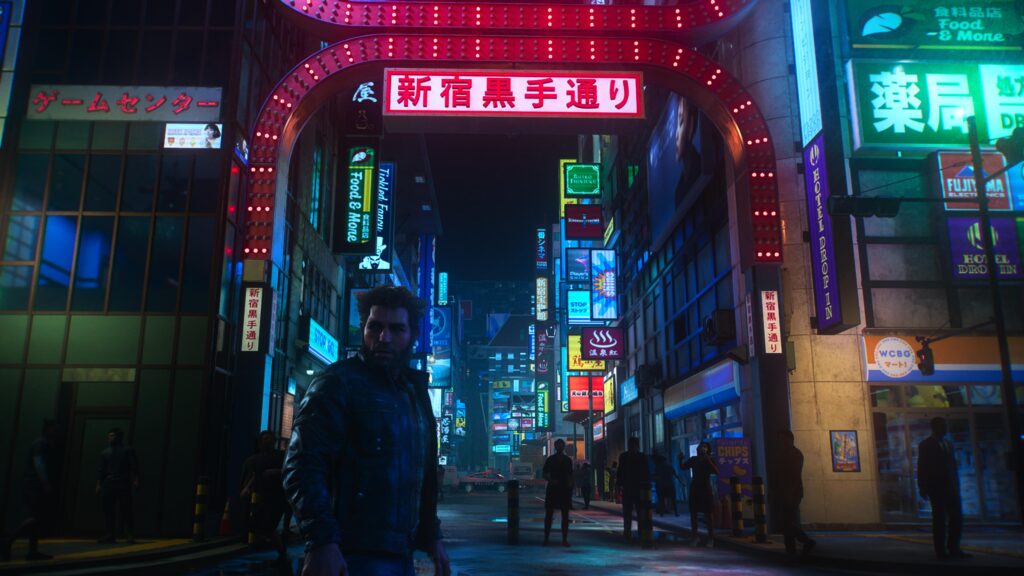
The writing really starts to shine when Jean Grey enters the scene, whisking you away to the neon-lit streets of Kabukicho in Japan. Unlike early-game foes like the Reavers, the Hand—a shadowy ninja cult—brings a far more engaging presence to the story. The on-screen chemistry between Logan and Jean works wonderfully. From the chaotic charm of lawless Madripoor to the bustling streets of Shinjuku, the second act’s levels feel more open and alive, offering gorgeous visuals and some truly spectacular cinematic moments.
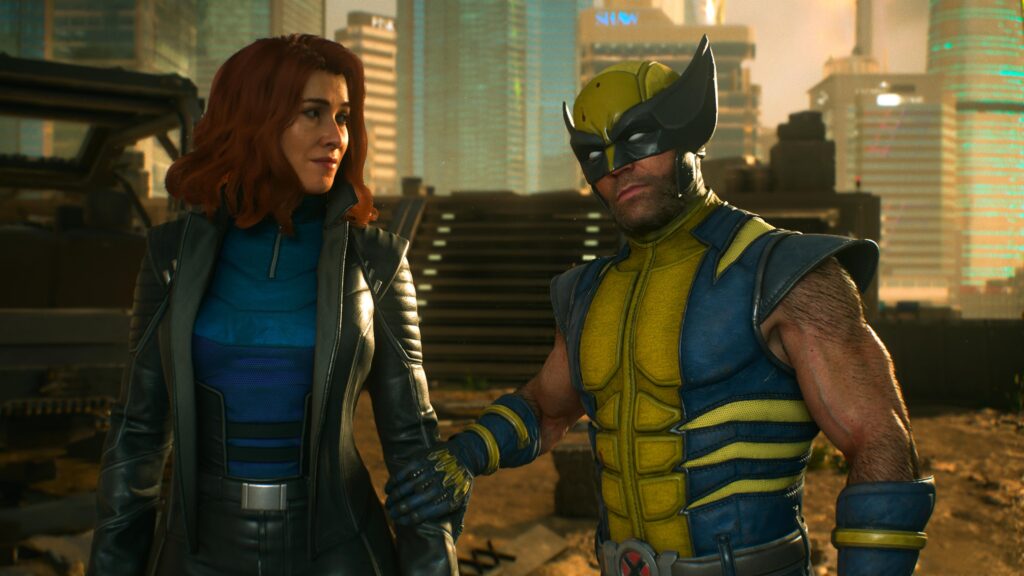
This change greatly shifts the characters’ motivations and makes the game noticeably more engaging than before. Although the pacing and plot take a slight dip once the crew heads back to Madripoor, it still feels far better than the first three hours. The combat reflects this improvement as well. Early on, while decent, it feels overly simple with limited moves available. You can leap at enemies from a distance and mash square to unleash a flurry of stabbing attacks, complemented by parries and counters with a generous timing window that never feels too challenging—much like the game’s QTEs, which are almost impossible to fail.
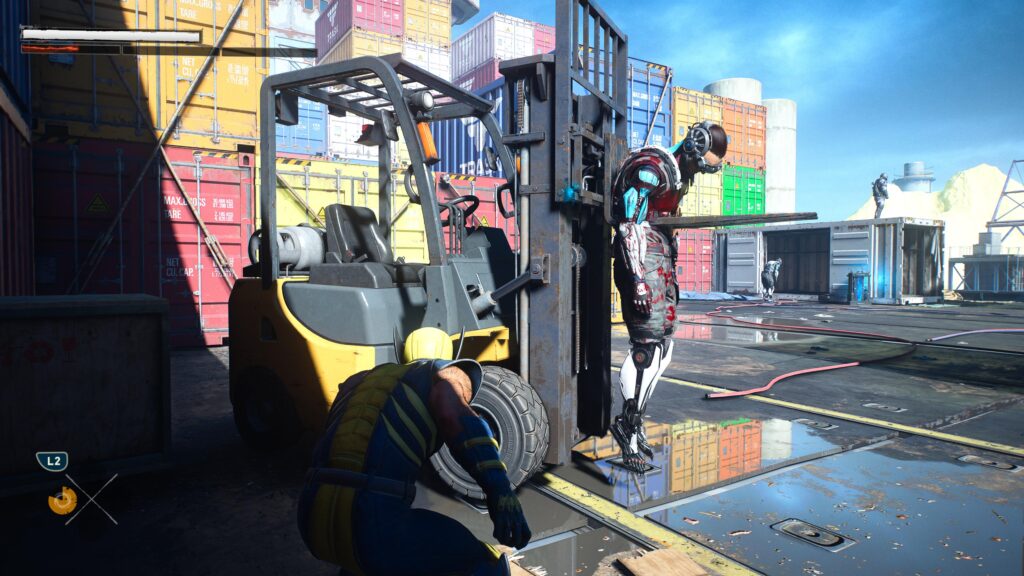
I made some changes—maxed out the difficulty, unlocked more special moves, and tweaked passive skills for combat. After that, everything finally felt right. The boss fights are now much tougher, though some adjustments to difficulty scaling could be handled with a patch. Still, the combat stays bloody, brutal, and gloriously messy, letting you rip enemies apart limb by limb in all their grotesque glory.
The Lost Levels
There have been countless memes about the excessive hand-holding, the fart-gas smell trail, and the flawless QTEs. While there’s some truth to them, it’s been exaggerated. The so-called fart gas actually represents Logan’s sense of smell as he sniffs the air to track down targets, people, and packages. It only shows up in certain sections but can’t be completely turned off. Thankfully, this has been fixed in a recent patch, but as a Day 1 experience, it’s pretty disappointing. The same goes for QTEs, though they’re not the main issue here. The real problem is the parts of the levels that never actually made it into the game.
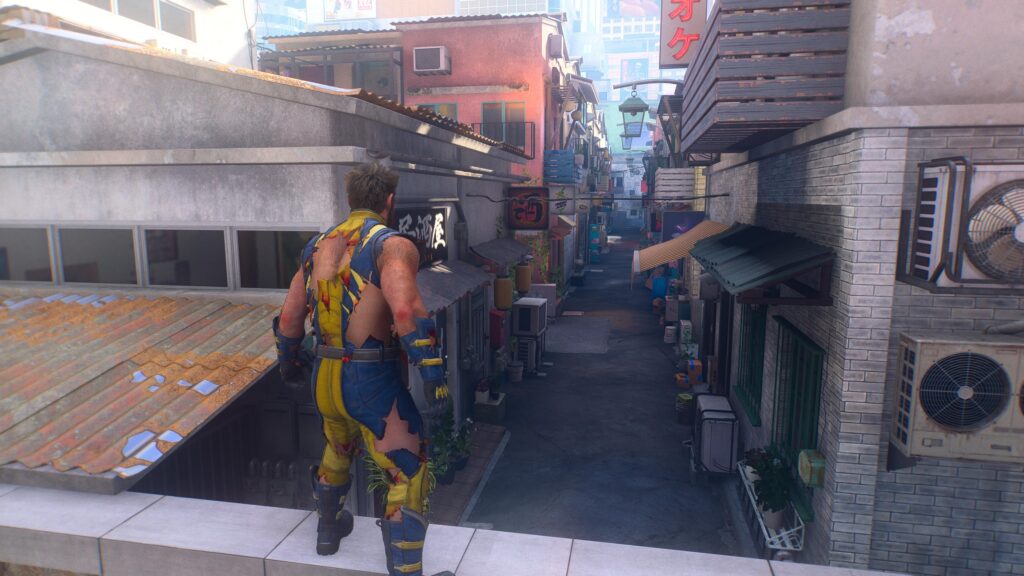
Much like The Last of Us Part 2, Wolverine has its own hidden “lost levels” tucked away in plain sight. In certain parts of the map, you can slip past the invisible walls of its highly linear stages and stumble into vast stretches of uncharted land, complete with housing complexes, cars, roads, and wilderness. Some of these hidden areas are even larger than the actual in-game levels, hinting that the game could have been a semi-open world where you’d revisit multiple cities packed with things to explore. While it’s unlikely these lost levels will ever be added to the game, their inclusion would have made for a very different experience from what we have now.
It’s Short but Fun
Despite its extreme hand-holding, locked levels, and a story that never really finds its footing, it still remains a really fun game to play. In my 15-hour playthrough, I was never once bored or tired while playing it. Sure, some of the combat sessions in the nightmare strands and finding those collectibles through the levels may seem repetitive, but those are completely optional. Yes, the overall material is short for a 300 million dollar game, but it’s still very fun to play, which can’t be said for most games these days. If you barely find time to play games, this one would be an easy choice.
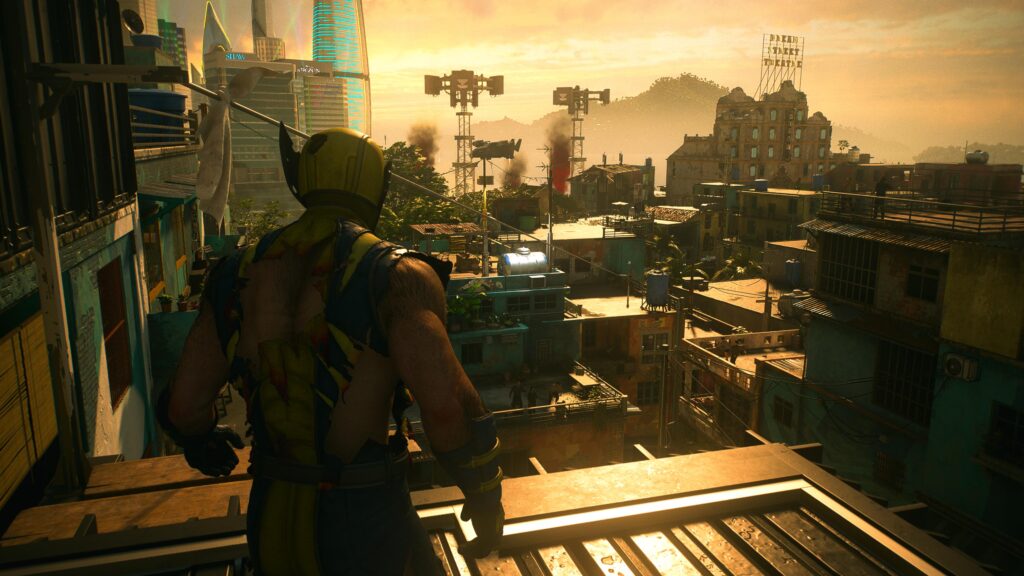
One area where Wolverine really stands out is its visuals, especially when paired with a 120Hz VRR display. It’s easily one of the most stunning games I’ve seen on an OLED TV, with vibrant colors, rich blacks, and striking contrast that rival last year’s Ghost of Yotei and Death Stranding 2. Likewise, the implementation of DualSense haptics and speakers is outstanding in this game; it really immerses you in the experience.
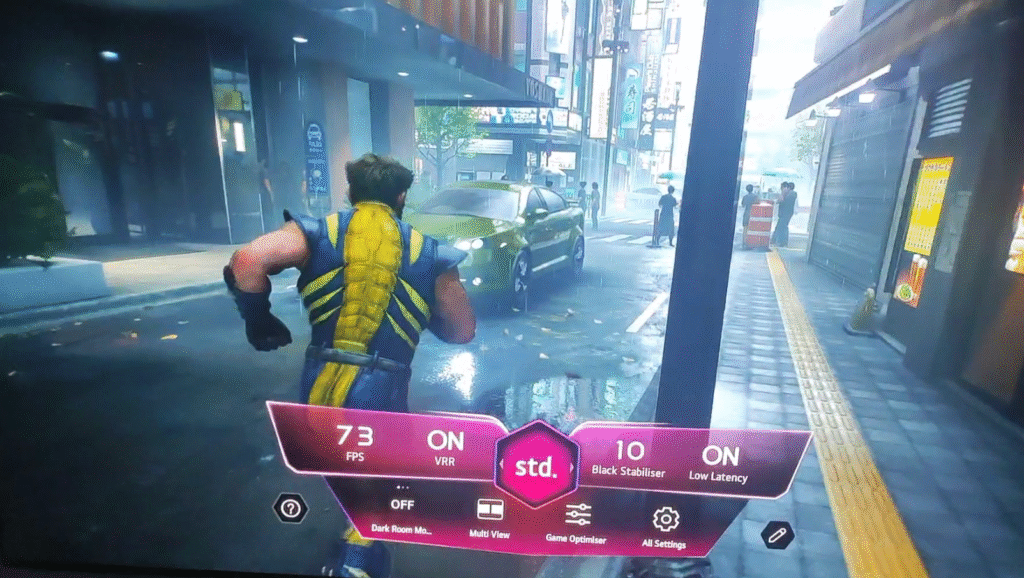
The best part is the VRR frame rate in 120Hz mode. The game offers two modes: Smoothed and Unlocked. Smoothed provides more stable frame times with relatively higher frames than 60 fps, while Unlocked can reach up to 110 fps in some scenes, making it future-proof for next-gen console upgrades—if we’re lucky enough to get them in this era of memory shortages.
Real Talk
Despite its many flaws in storytelling, hand-holding, and highly linear level design, Marvel’s Wolverine is still an enjoyable game to play. I’m really interested in how Logan and Jean’s story moves forward, so I hope this game gets a sequel. The combat, though occasionally repetitive, is really captivating while being brutal and bloody as it gets. With plenty of visual spectacles and cinematic moments, it offers a short yet entertaining experience for PlayStation players.
Final Score: 75/100
Marvel's Wolverine
Marvel's WolverineThe Good
- Character Designs and Suits
- Jean and Logan's Couple Dynamic
- Gritty and Brutal Combat
- Dual Sense Features, Visuals and Performance
- Gauntlet Challenges and New Game+ modes
- Voice Acting and Motion-Capture of the Cast
- Cinematic Presentation in Cutscenes
The Bad
- Linear Level Design and Hand-Holding
- Cringe Dialogues and Underwhelming Narrative During Early Hours
- Improper Difficulty tunning, Skippable Puzzles and some Infallible QTEs
- Short in Length and Content in terms of Pricing
- Multiple Bugs and Glitches During Gameplay
- Feral Senses Cannot be Turned off during Story Segments