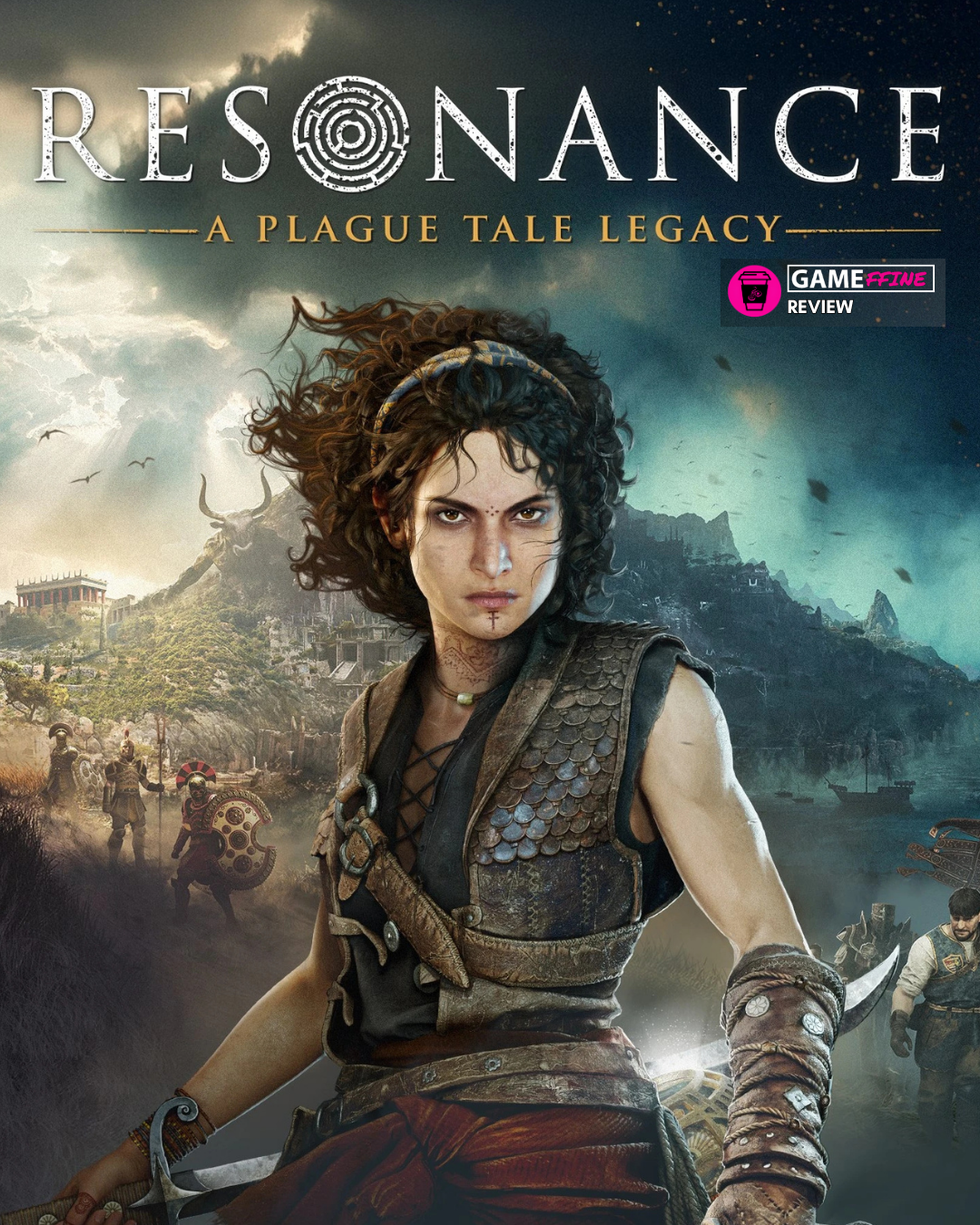




The Plague Tale games are one of the strongest reminders of how much an emotionally charged story can carry the rest of the game. Sporting narratives built around fear, sorrow, loss, and reconciliation, the two Plague Tale games have welcomed numerous accolades, and for good reason. The teams at Asobo Studio knew how to cover up the games’ weaknesses (the gameplay) with a narrative that kept you on edge, with characters you really cared for and with moments that pulled your heartstrings. When it comes to Resonance: A Plague Tale Legacy, the first spinoff in the series, the team wanted to balance both. That is, to present a more polished and action-heavy gameplay loop while still keeping the emotionally driven human narratives intact. After spending a week 100%ing the game on Steam, I can attest to the fact that Resonance: A Plague Tale Legacy offers the best gameplay in the series but struggles when it comes to its story, characters, and narrative beats.
Out of the Frying Pan
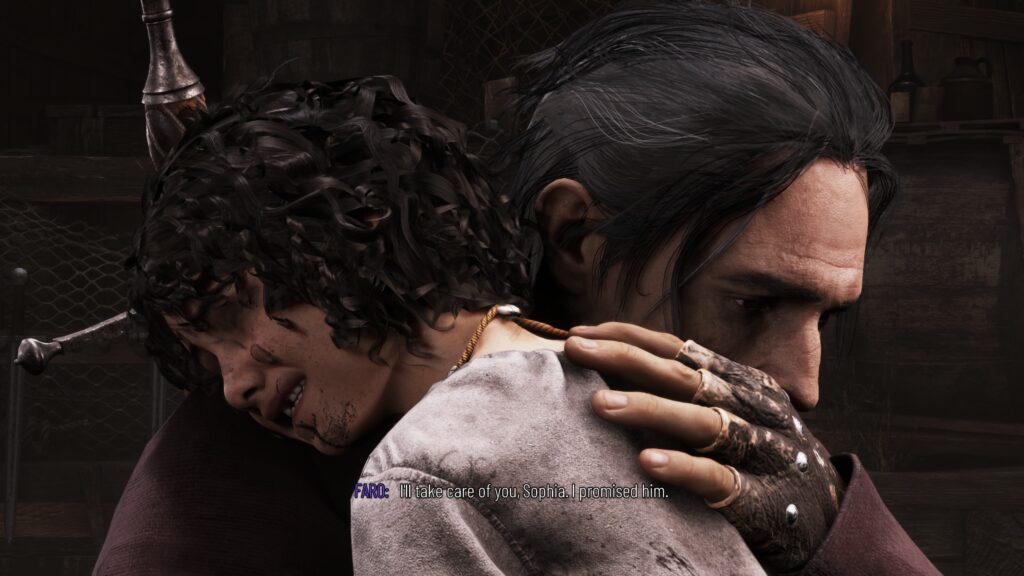
Resonance being a spinoff, the game is led by Sophia, aka the Scorpion of the Seas, a secondary character from A Plague Tale: Requiem. Set 15 years before the events of Requiem, Resonance begins a flashback scene showing a convent-bound young Sophia getting experimented on by the nuns for her mysterious visions. It isn’t long before she is reunited with her father Alec and joins the merry band of outlaws/pirates. Nothing good lasts forever, and young Sophia is once again acquainted with loss and loneliness. Fast forward a few good years, and the game properly begins.
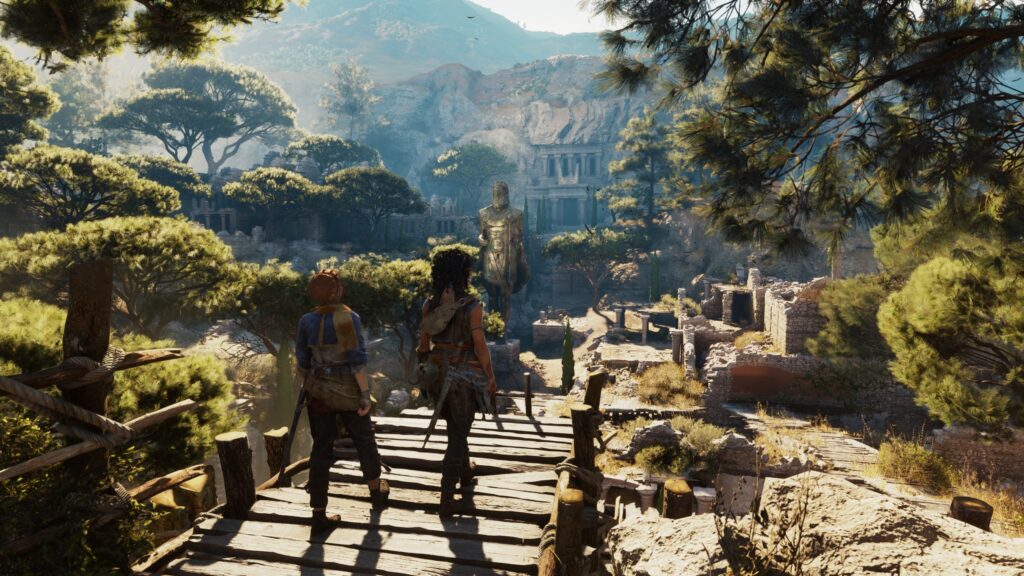
Sophia’s visions of an ancient civilization and the promise of great treasure lead their raggedy bunch to Minotaur Island (yes, the same one) only to be hunted by the law and by something far more primal. The rest of the game has Sophia trying to survive the many challenges of the island, going deeper and deeper into the rabbit hole to understand the truth behind her visions.
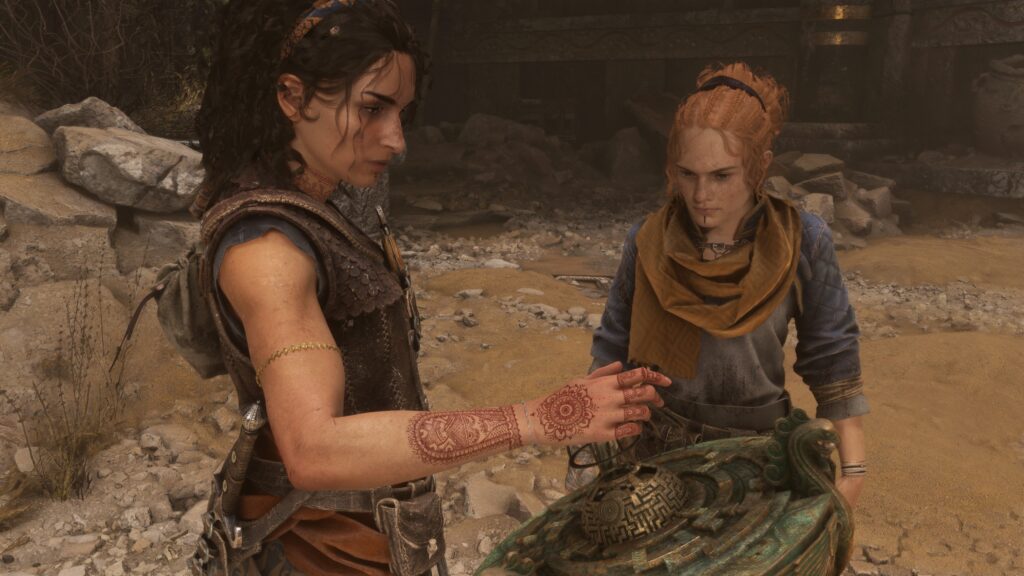
From the get-go, the story does not impress. Usually, spinoffs like these are made when characters or events steal the show (often more than the devs originally intended) and end up as fan favorites. In the case of Plague Tale, there were far more interesting characters to base an entire game on rather than Sophia. She was not that interesting or memorable in Requiem, and at no point did I go, “I have to see more of her. ” But alas, we are here, so there is no point whining about something after the fact. Props to the writers and the VA for trying their best to make Sophia into a likeable character. There are several sections (mostly near the end) where they succeed too. You can see glimpses of her character’s depth here and there, but unless I missed something, Sophia remains a fairly stereotypical protagonist and chock-full of tropes.
Secondary characters share worse fates. Since the story is based on the Greek myth of the Minotaur, Thesus makes an appearance as the second protagonist through Sophia’s vision. There are moments of greatness, virtue, and horror in the parts where you control Thesus, but it all comes crashing down towards the end. I do not mind when games reflect the politics and cultural changes of the times we live in. That is one thing, but deconstructing a legend about human perseverance in order to subvert expectations and, as a result, drastically change the age-old story’s messaging does not sit fine by me. Even then, graceful deconstructions can sometimes save you. But the way the writers used the myth of the Minotaur to form parallels with the core themes of the series does not land, at all. You can all see it coming from a mile away. I’m not saying the story doesn’t have its moments. It does. But they pale in comparison to the rest of the series in invoking the same themes of horror, loss of innocence, and acceptance.
The rest of the cast are as memorable as background noise—from the big bads to a companion you spend half the game with. They either do not get enough character depth to demand a reaction from the player or they’re just plain forgettable. The writers try a lot to make you care, but as with the rest of the story, it ends up being a fruitless endeavor.
Light at the End of the…
While the story was such a big disappointment, the gameplay side of things saw a lot of improvement. The gameplay loop takes a big inspiration from God of War 2018 in terms of how it handles set pieces, exploration, and light puzzle solving. However, the game Resonance: A Plague Legacy reminded me of the most was Echoes of the End. From the general plot to the locations to the gameplay flow to the combat, there are plenty of similarities between both titles. It’s just that Resonance is the most polished out of the two.
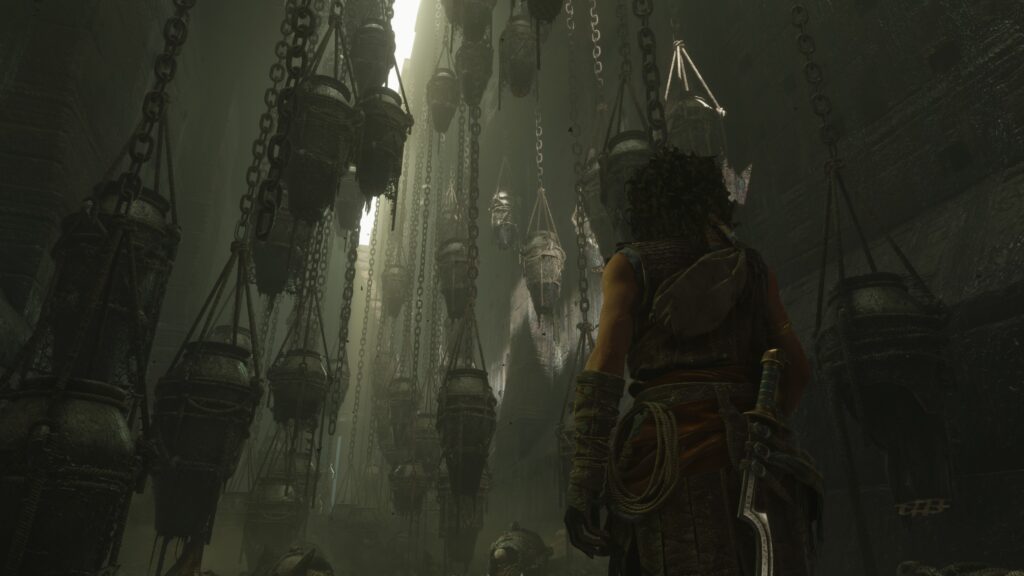
The game takes a good 20 hours to complete, and within those 20 hours, you’ll explore a whole dead civilization, get into some fun combat scenarios, solve some really light puzzles, and do a lot of chase sections, which I’d rather not spoil. It’s all typical over-the-shoulder third-person adventure game trope-y material, but it’s done well.
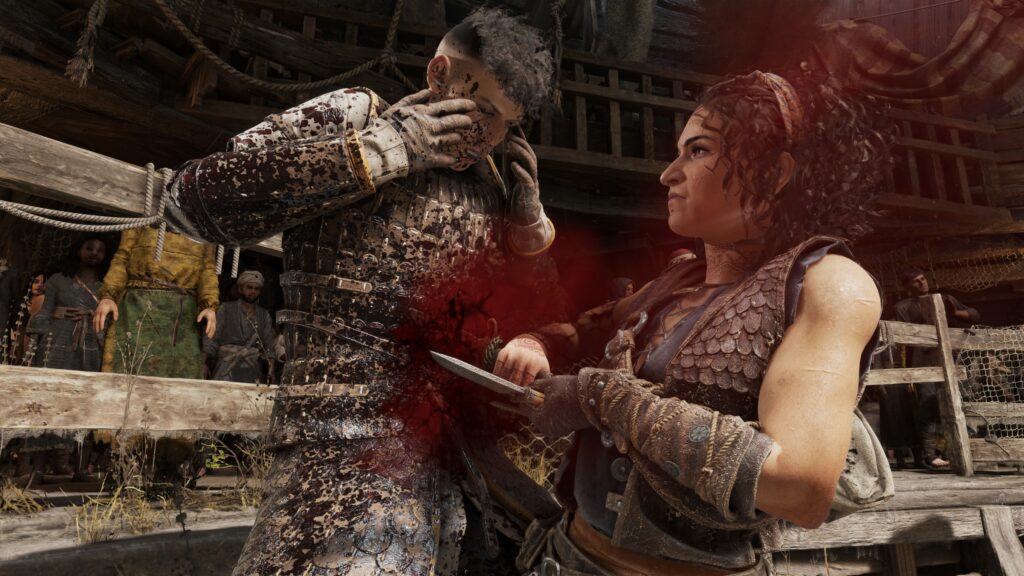
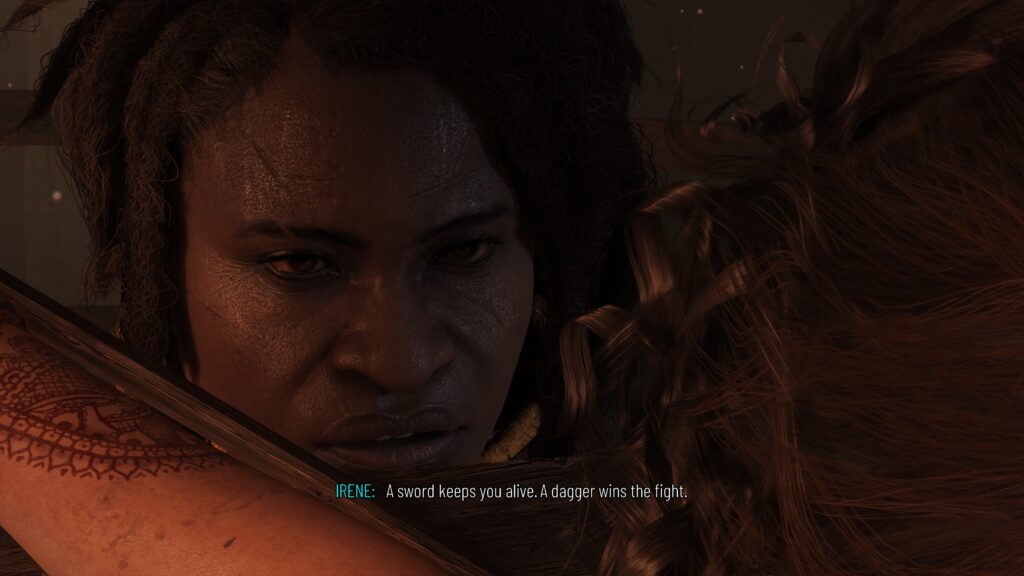
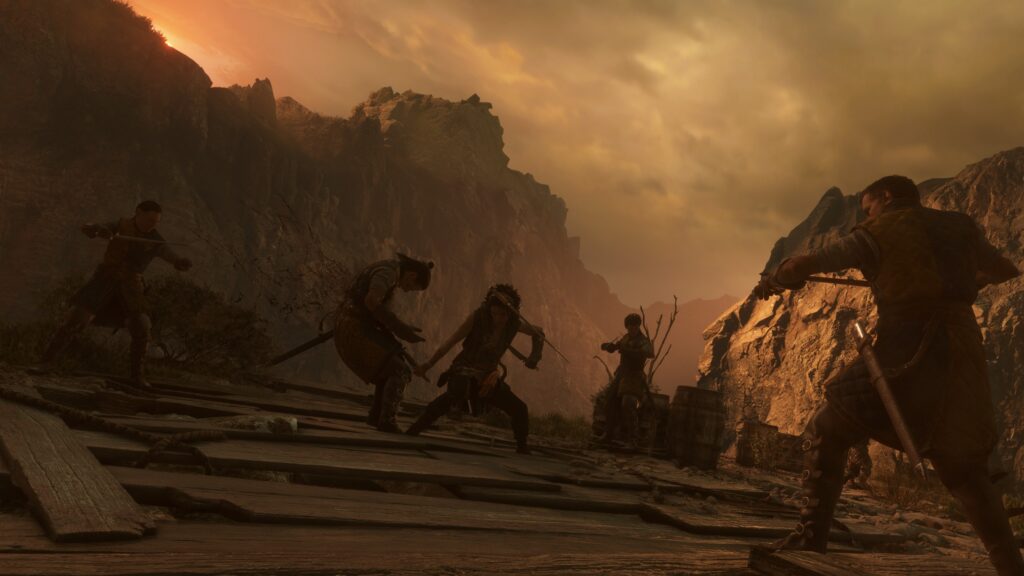
For the first time, the series focuses on full-on melee combat rather than sticking to the shadows and behind cover. Sure, there are some forced stealth sections, but they are few and far between. Sophia’s signature sword and dagger combat feels good to control and is backed up by good animations and satisfying hit feedback. Similar to Ghost of Tsushima, there’s an enemy stance meter you have to deplete to stun them, and there’s also the option to parry and dodge. Sophia also has a grappling hook she can use to pull enemies closer, and she can throw daggers/bottles at the enemies to break their stance.
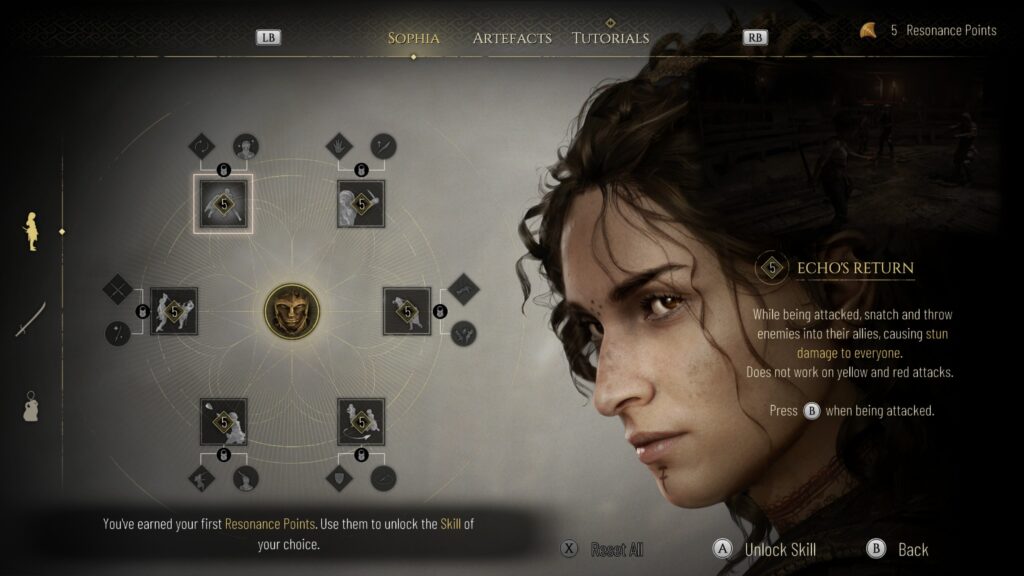
Complementing the melee combat is a rudimentary skill tree that gives you a few more options. Granted, you can easily beat the game without ever spending a single skill point, but hey, I’m glad that it’s there. There’s also a charms system of passive buffs and processes that I only remember existing once I pick up a charm from the environment. There are only a handful of enemy types, but they do the job for this kind of gameplay loop. The combat takes up only roughly 20-30% of the game. There are also several sections where you take control of Atheus. They are mostly straightforward point A to point B types of affairs, but they do provide a brief change of pace. The latter half of the game presents the player with more varied encounters, requiring you to run, hide, and retaliate one after the other. It’s a pretty welcome change that will go down nicely with players beginning to tire of fighting the same 5 enemy types.
Respecting Your PC and Your Ears
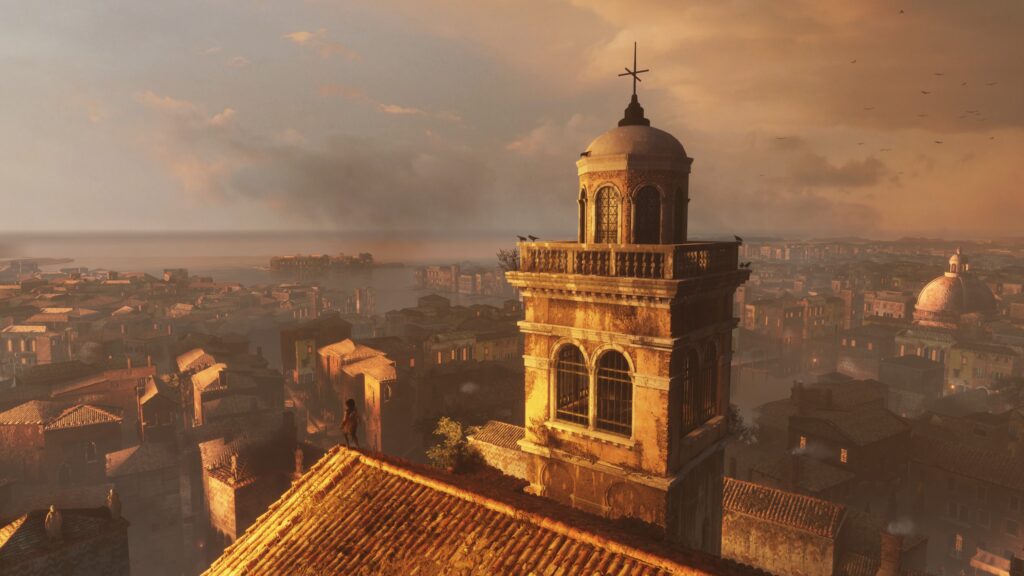
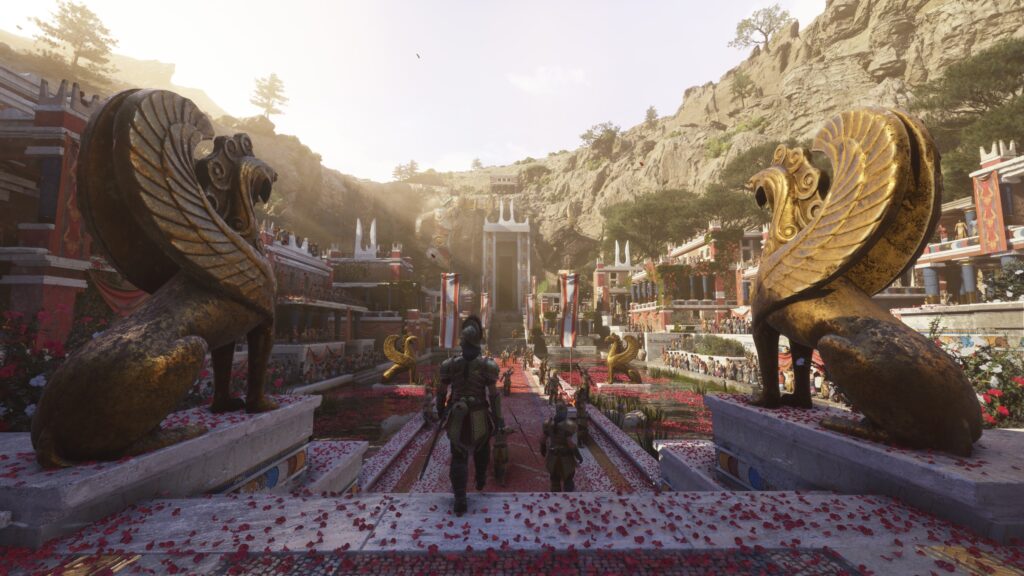
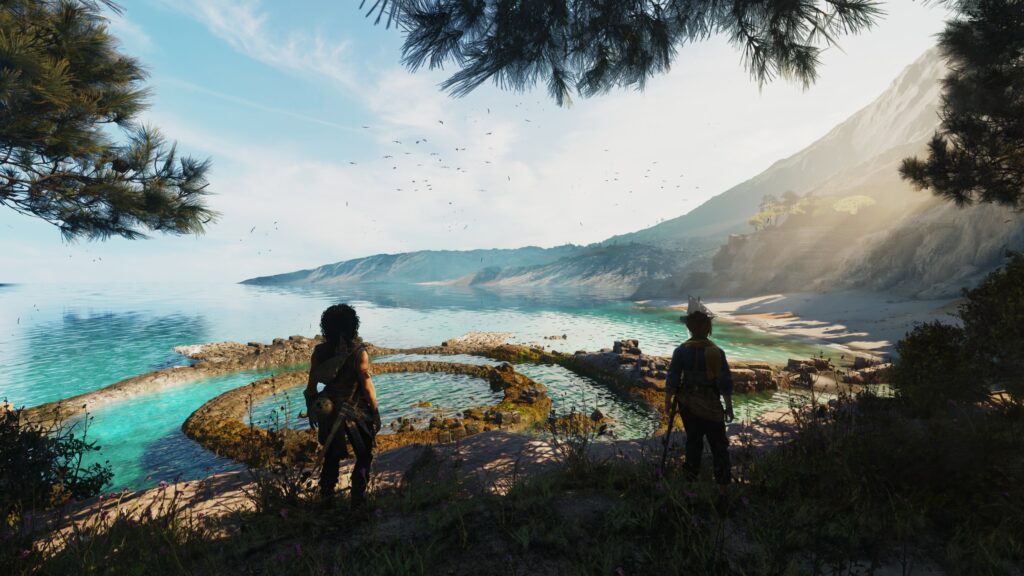
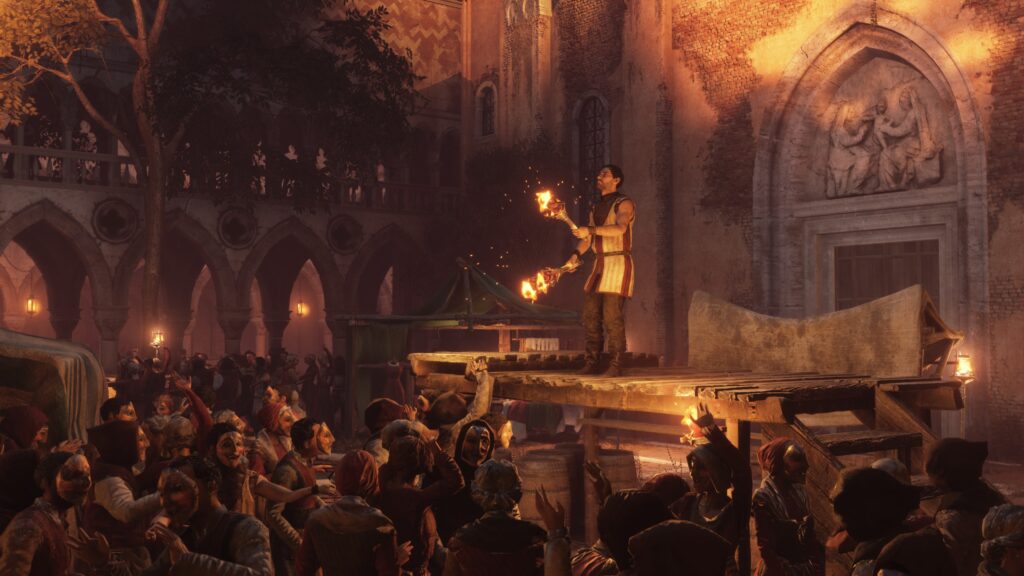
If there’s one thing, Resonance: A Plague Tale Legacy does well; it’s the optimization. As you can deduce from the screenshots, the game looks good and runs just as fine even on any low-mid-end PC (by 2026 standards). There are plenty of graphical settings to tweak, including frame generation. Despite the majority of the game taking place on a secluded island, there is a decent amount of variety in the locations and the atmosphere. Some of the environments were so gorgeous that I spent a lot of time taking pretty screenshots using the in-built photo mode. One annoyance I had to get over was the absence of a Depth of Field toggle. But, since it runs on the same engine as Requiem, editing the ini file to remove DoF was an easy task.
Another area where Resonance scores high is the sound department. Now, I’ve said this multiple times—I’m not a musical expert. But even I can appreciate a good score. The main menu theme in particular invokes strong feelings within your soul. The voice acting is pretty decent across the board, and they all do a good job with the material they’re given.
Real Talk
Resonance: A Plague Tale Legacy is easily the most refined entry in the series yet. With a polished, well-paced gameplay loop and enjoyable combat encounters, it represents a noticeable improvement over Requiem. Unfortunately, the series’ defining strength—the emotional weight of its storytelling—feels significantly diminished here. A predictable central narrative, forgettable characters, and an overreliance on deconstructive fantasy ultimately make for an experience that feels less impactful than it should.
FINAL SCORE: 70/100