


There are studios that redefine horror with every single release, and then there are studios that keep redefining themselves within it. Supermassive Games has spent the better part of a decade doing exactly that — building a reputation on interactive horror that feels less like a game and more like a movie you’re slowly, helplessly ruining. Until Dawn remains one of the most engaging experiences I’ve ever had on a couch as far as interactive horror movies go. The Quarry gave us memorable, warm characters and just enough campfire nostalgia to make each death sting. The Dark Pictures Anthology, while uneven, showed the studio could iterate quickly and experiment freely. So when Directive 8020 was announced — sci-fi horror, shapeshifting aliens, cast including Lashana Lynch — I was more excited than I probably had any right to be. The result? Good. Genuinely good, in places. But unmistakably familiar in ways that sting.
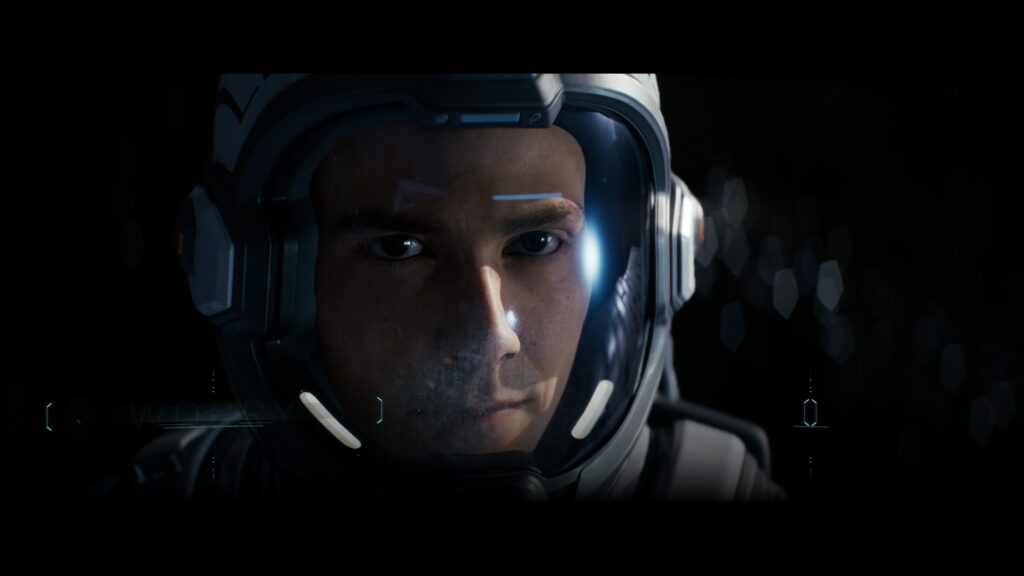
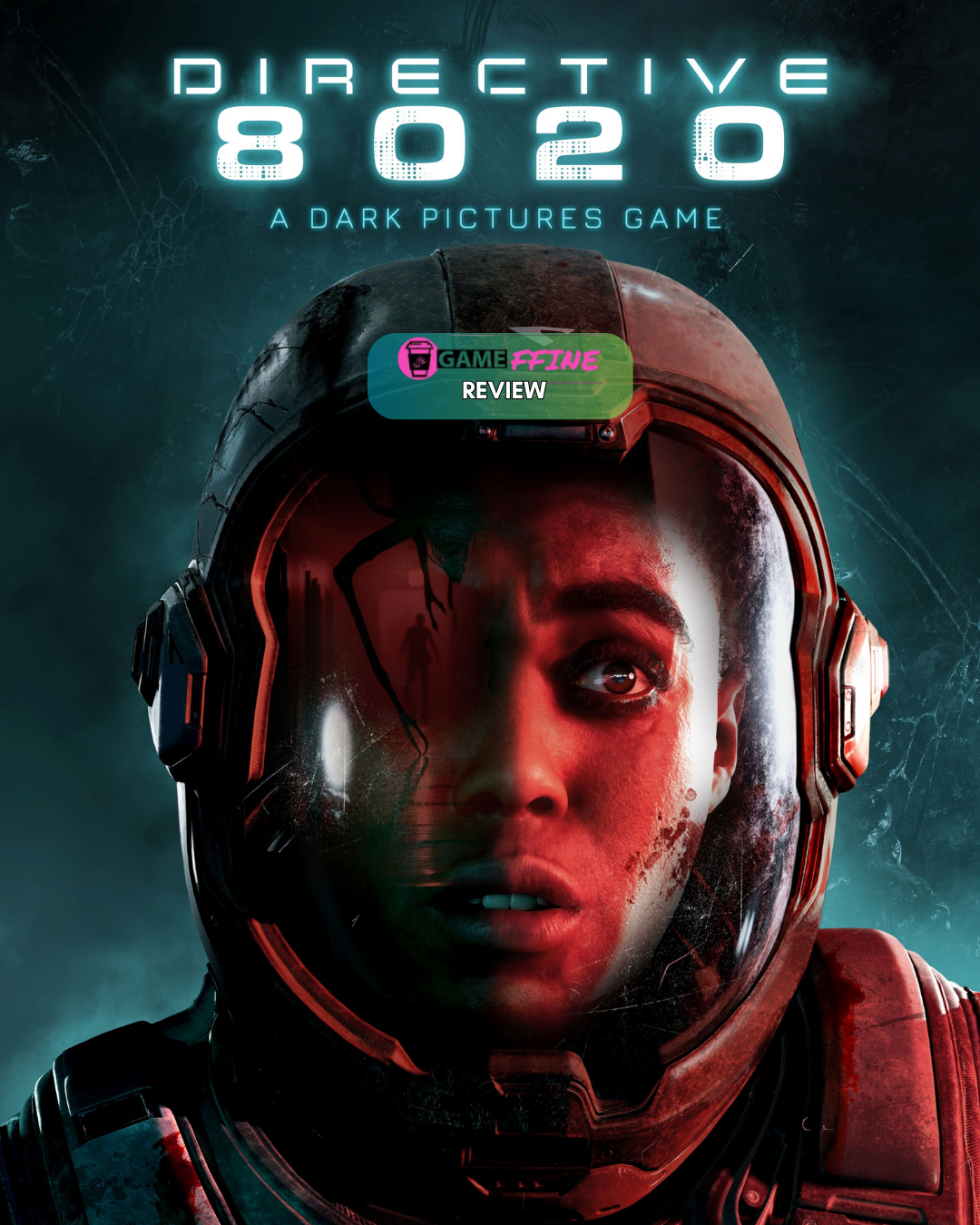
Directive 8020 is an interactive drama survival horror video game developed and published by Supermassive Games, released for PlayStation 5, Xbox Series X/S, and PC on May 12, 2026. It is the fifth installment of The Dark Pictures Anthology series. It tells the story of a space expedition crew aboard the colony ship Cassiopeia, sent 12 light-years from a dying Earth to establish a new colony on Tau Ceti f — only for the crew to crash-land on the planet and find themselves hunted by a shapeshifting alien organism capable of mimicking its prey.
Twelve Light-Years From Feeling at Home
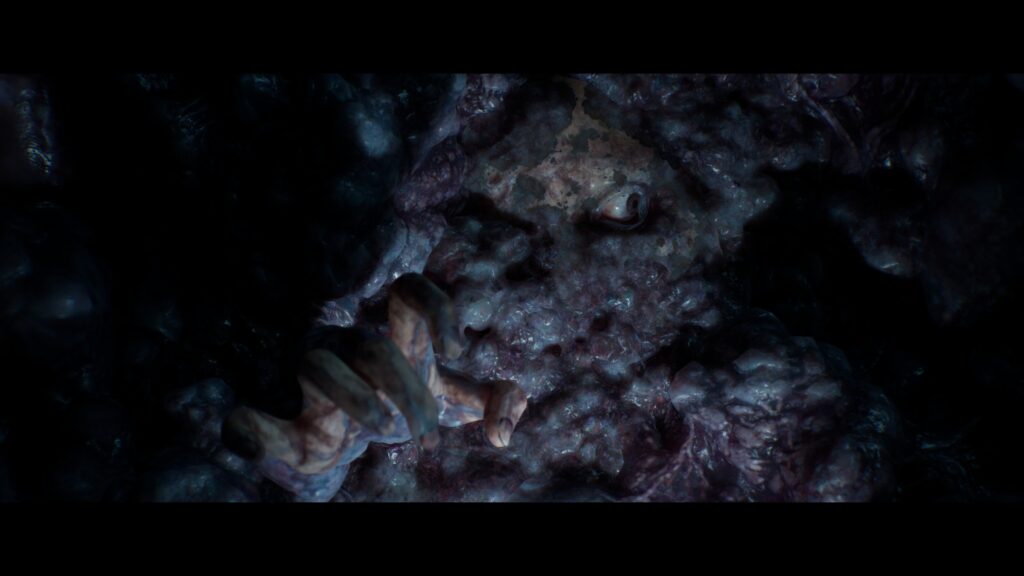
The setup for Directive 8020 is undeniably compelling on paper. You’re aboard the Cassiopeia, an exploratory vessel ferrying a crew of scientists toward Tau Ceti f — a planet twelve light-years from a dying Earth, scouted as humanity’s next potential home. The crew wakes from cryosleep, groggy and immediately suspicious of one another, and before they can get their bearings, something boards the ship. Something that doesn’t announce itself with a roar or a screech, but by quietly wearing the face of whoever it just killed. Shapeshifting aliens. Paranoia. A crew with no guns and no plan. It’s The Thing meets Alien, and frankly, it’s a premise that practically writes its own review.
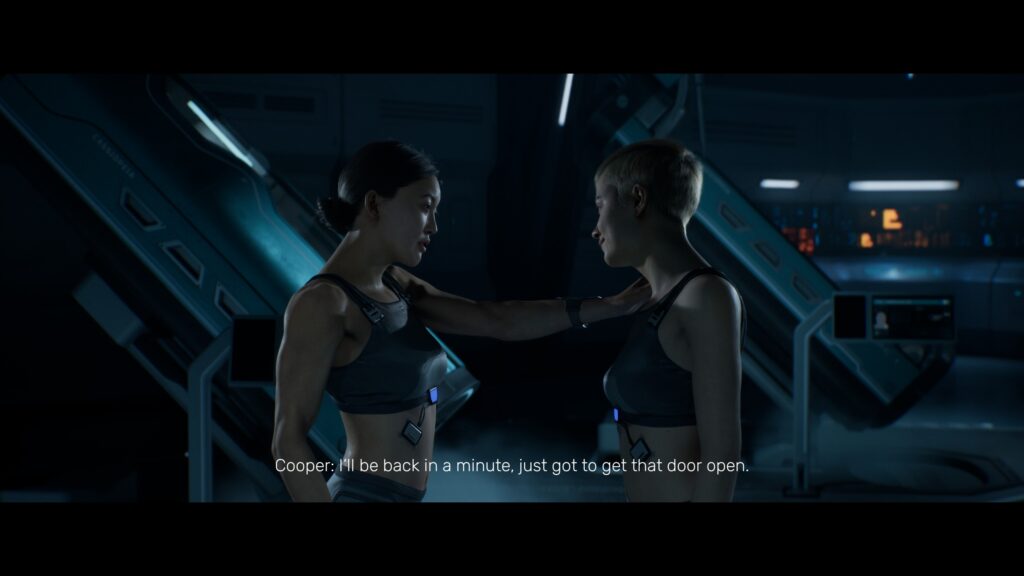
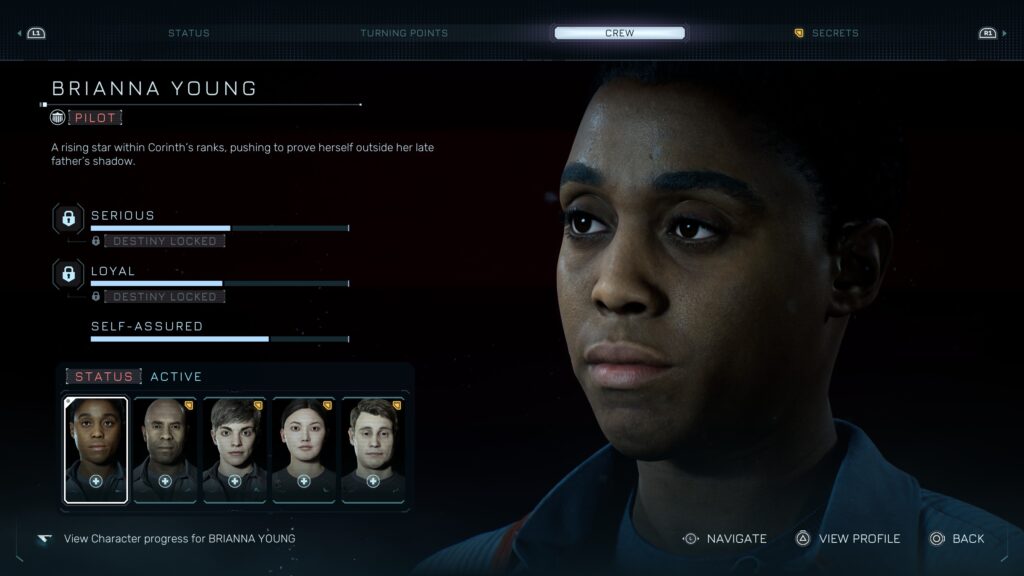
And yet — for all the promise baked into that setup, Directive 8020 never quite achieves the emotional pull that made Until Dawn or The Quarry impossible to put down. Part of the problem is the setting itself. Isolating your cast in the cold vacuum of space is an interesting choice, but it also means stripping away the human familiarity that grounded Supermassive’s best work. Teenagers at a ski lodge, counselors stumbling through a summer camp — there’s something about those settings that makes you care more. The Cassiopeia’s crew, despite decent performances, feels more like uniforms than people. I finished the game and still had to double-check character names.
That said, this isn’t a Dark Pictures Anthology comparison where the gap is enormous. Those games — Man of Medan, Little Hope, House of Ashes — were decent if uneven. Directive 8020 sits comfortably above them. It’s more ambitious in scope, technically superior, and has a tighter narrative than anything from the anthology. But it’s still clearly a cousin of that lineage rather than a true successor to The Quarry. It trades warmth for spectacle, and more often than not, that trade doesn’t quite pay off.
The Galaxy’s Most Frustrating Hide-and-Seek
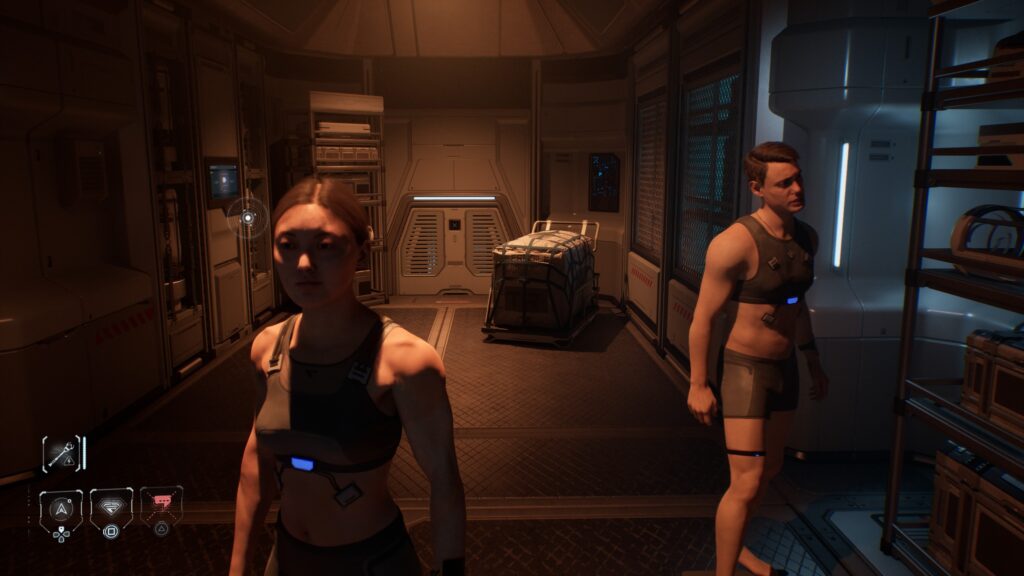
The headline new addition is what Supermassive calls “threatening exploration” — stealth sections where you must navigate corridor by corridor while an alien wearing your crewmate’s face actively hunts you. The concept is brilliant. The tension these sequences create is real. There were moments where I was genuinely holding my breath, creeping past a corner while the creature stood just meters away, doing nothing but waiting. Credit where it’s due: the atmosphere is exceptional.
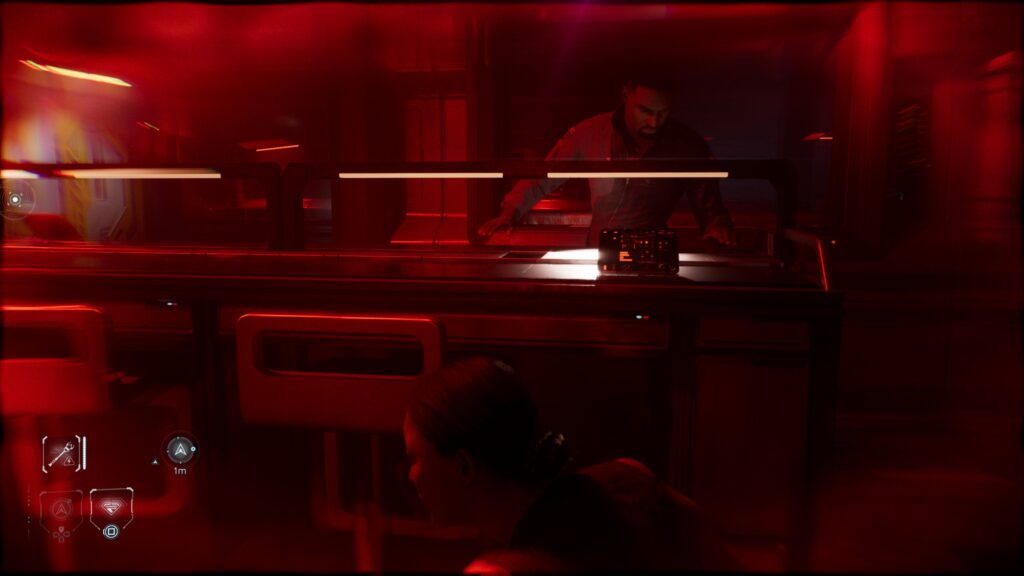
But here’s the thing — getting through that corridor feels like dragging your character through wet concrete. The movement during stealth is just sluggish. Not the deliberate, tense slowness of something like Alien: Isolation, where the pacing is a feature — this is the kind of sluggishness that makes you feel like the game is fighting your inputs. Your character turns with a ponderous reluctance that feels less like careful sneaking and more like the engine is loading something. Crouching behind cover and peeking around a corner should be fluid. Here, it’s molasses.
It brings out the dread, yes — but it also brings out frustration, and those two emotions don’t sit well together for extended stretches. There are sequences where the stakes are high enough that even the sluggish controls amplify the anxiety. But there are other moments — particularly mid-game — where I died not because of a bad decision, but because my character simply couldn’t turn quickly enough to avoid a threat I clearly saw coming. That’s not design tension. That’s friction.
The Illusion of Consequence
Here’s my biggest gripe, and it’s a familiar one with Supermassive: the choices. Directive 8020 introduces Turning Points — a branching display that shows alternate paths your story could have taken, Detroit: Become Human style. It’s a thoughtful addition for completionists, and on paper, it should incentivize multiple runs. The problem is that by the time you finish your first playthrough, you realize the game’s narrative has been quietly building walls around you the entire time.
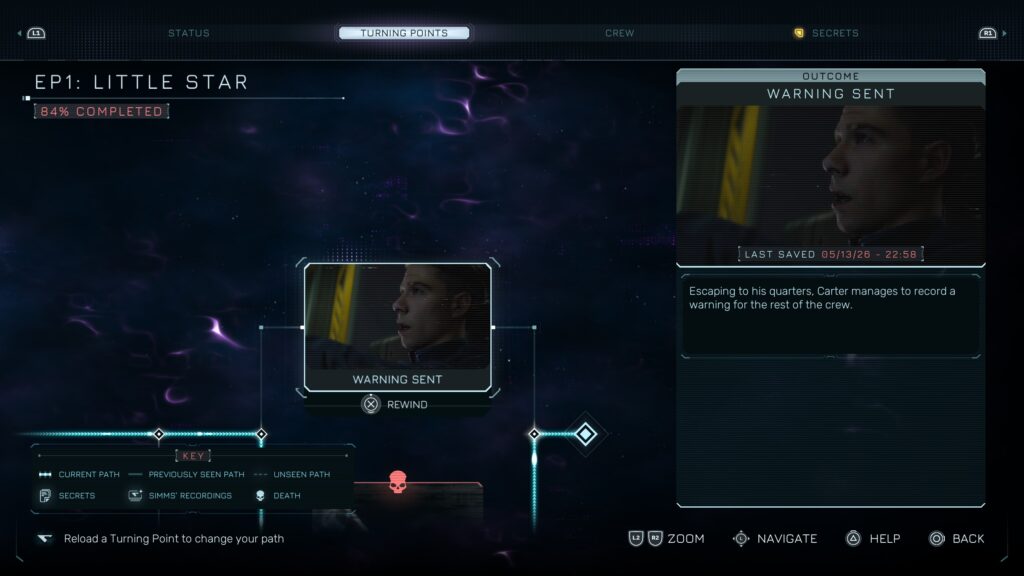
Even when you go back and play certain sequences in the correct order — setting up choices that should logically cascade into different outcomes — the game nudges you back toward the same beats. The deaths that once seemed avoidable now feel staged. The decisions that were supposed to ripple forward don’t actually ripple. It’s the classic Supermassive trap, and Directive 8020 falls into it harder than The Quarry did. The choices feel less like a branching tree and more like a bonsai — meticulously pruned to look complex, but rooted firmly in one place.
Great Visuals, Taxing Extras
Visually, Directive 8020 is gorgeous. The jump to Unreal Engine 5 pays visible dividends. Cassiopeia is rendered in extraordinary detail — every corridor feels real, every surface contextually reflective, and the alien sections carry a visual horror that’s hard to look away from. The facial capture, as always with Supermassive, is among the best in the business. Lashana Lynch’s performance translates remarkably well, and the lighting throughout is frequently cinematic in the best possible sense.
On my desktop with an RTX 5070 and Ryzen 5 7600X, I was getting a steady 110–120 fps at 1440p with everything maxed and RT off. To enable RT, I had to exit my playthrough since it can only be toggled from the main menu. Turning it on dropped the frame rate by about 40%, averaging 68–75 fps. Going further with path tracing and ray reconstruction brought it down to around 45–55 fps. Frame generation is definitely viable here, thanks to the game’s cinematic playstyle. I really enjoyed RT mode, as it looks almost as good as PT in most scenes, though in some spots the aliasing in RT is still pretty noticeable.
Real Talk
Directive 8020 is a game I’d recommend with caveats — which is, I suppose, the honest review for what it is. It’s a step up from the Dark Pictures Anthology’s more rushed entries, ambitious in its sci-fi premise, and it genuinely delivers on atmosphere and tension. The performances are good, the production values are decent, and there are sequences aboard the Cassiopeia that may rank among Supermassive’s most unsettling work. But it falls short of the emotional stakes that made Until Dawn or The Quarry compulsive viewing. Its characters don’t burrow under your skin the same way. Its stealth, while conceptually excellent, is mechanically frustrating. And its choices, despite the gleaming new Turning Points system, still feel more illusory than transformative. If you’ve been craving a Supermassive game with a fresh coat of paint and a sci-fi setting, Directive 8020 absolutely scratches that itch. Just don’t expect to feel it the way Blackwood Pines or Hackett’s Quarry once did.
Final Score: 80/100
Directive 8020
Directive 8020The Good
- Atmosphere and Tension in Stealth Sequences
- Turning Points
- Facial Capture and Performances
The Bad
- Characters lack the warmth of Until Dawn and The Quarry
- Clunky Controls and Movement
- Pacing Issues in Early Chapters