





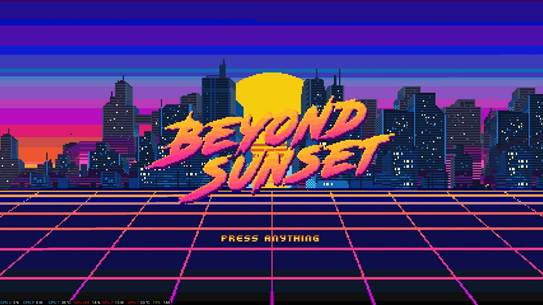
The first thing Beyond Sunset does is throw you into chaos. One second, you’re waking up from cryostasis with no idea who you are, and the next, you’re sprinting through alleys lit by broken neon, katana in hand, while synthwave rattles your skull. There’s no gentle onboarding here, no slow build-up; it’s as if the game grabs you by the collar and says, “Welcome to Sunset City, now fight your way out.” That opening blast sets the tone for everything that follows. Beyond Sunset doesn’t just want to be another retro shooter with a cyberpunk paint job; it wants to feel like you’re living out a lost VHS era anime where the world is grimy, the enemies are relentless, and the only way forward is fast, violent, and stylish.
Fast, Fluid, and Sometimes Messy
Combat is undeniably the beating heart of Beyond Sunset, and for the most part, it feels great. You’re not just running and gunning here, you’re sliding, dashing, wall-dodging, and slashing with a katana that’s more than just a melee backup. The fluidity of movement makes encounters dynamic, forcing you to weave between enemies rather than turtle in one spot. The game encourages aggression by letting you regain resources through risky close-quarters attacks, which creates an adrenaline-fueled loop that feels incredibly satisfying when it clicks. That said, the systems don’t always come together cleanly. On the mouse and keyboard, the shooting is sharp enough, but on a controller, the imprecision becomes much more noticeable. Aiming can feel loose, and in chaotic arenas where enemies come from all angles, that lack of precision is punishing. Movement can also feel floaty in midair, which leads to some unfair deaths, especially in vertical arenas where a missed landing means falling into a pit of enemies or environmental hazards. Still, when combat works when you chain a dash, reflect bullets with your katana, and mow through a room to the beat of pulsing synths, it delivers some of the most exhilarating shooter moments I’ve played in a while.

Sharp but Uneven
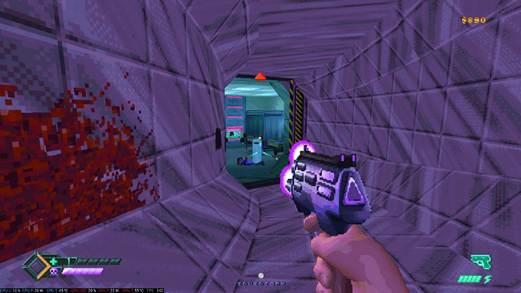
The arsenal in Beyond Sunset mixes the familiar with the stylish. You start with your trusty katana and a pistol, but soon you’re packing SMGs, shotguns, and heavier tools of destruction. Weapons can be upgraded, and over time, you feel the power ramping up as they gain new abilities and bonuses. This keeps things fresh for the first stretch of the game, and experimenting with different loadouts can be a lot of fun. The katana deserves special mention. Unlike in many shooters where the melee option is an afterthought, here it’s vital. You can slash through weaker enemies in a flash, but more importantly, you can reflect incoming projectiles back at enemies. Pulling this off in the middle of a firefight feels slick and cinematic, like something ripped from a cyberpunk anime duel. The downside is that balance isn’t always consistent. Early weapons can feel underpowered against tougher enemies, and later fights sometimes overwhelm you with mobs that soak up bullets faster than your arsenal can keep up. The upgrade system helps, but the curve isn’t as smooth as it should be, which can leave you feeling undergunned in critical moments.
Style Over Clarity
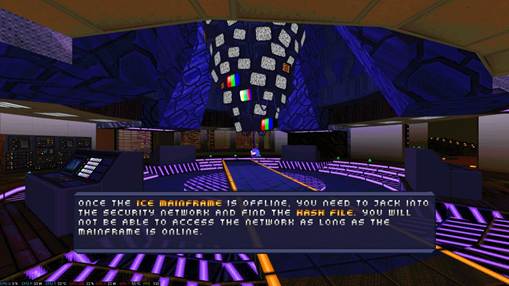
The world of Beyond Sunset is ambitious. Instead of linear corridors, you are dropped into sprawling, layered maps that mix combat arenas with exploration. The developers clearly want to channel the immersive sim spirit of Deus Ex, with secrets tucked into alleys, terminals to hack, and side paths that reward curiosity. On paper, this is exciting. In practice, it’s hit or miss. The maps look great, dripping with neon atmosphere, but they aren’t always intuitive to navigate. Objectives aren’t always clearly marked, and it’s easy to waste time backtracking through areas you’ve already cleared, wondering what you missed. The cluttered visual style doesn’t help; neon signs, particle effects, and environmental details sometimes obscure important pathways or even hide enemies until it’s too late. When it works, exploration feels rewarding, especially when you stumble on a secret area or a stash of upgrades. But too often I found myself frustrated by unclear objectives or layouts that felt more confusing than immersive.
The Sound of the City
If there is one element of Beyond Sunset that never falters, it’s the music. The synthwave soundtrack absolutely sells the fantasy of being a katana-wielding street samurai tearing through neon alleys. It pulses and swells with the action shifting gears when the intensity ramps up and provides a constant rush of energy. Sound effects are serviceable, though not as standout. Guns have punch, enemies screech and growl appropriately, and your katana snaps with satisfying impact. Still, I often wished for more variety in the soundscape. The weapons could use deeper, meatier feedback to match the energy of the visuals. But with the music carrying so much of the load, it’s hard to complain too much.
Cyberpunk by Numbers
You play as Lucy, a cyber-enhanced street samurai who wakes up from cryostasis with her memories missing. She’s pulled into Sunset City, a lawless cyberpunk sprawl full of crime, rogue AIs, and corporate corruption. The setup is familiar: memory loss, shady benefactors, a mysterious city full of secrets, and while it provides just enough framing to justify the carnage, it doesn’t push much further than the usual cyberpunk tropes. That said, the atmosphere is strong enough to carry the story’s shortcomings. Even if the narrative beats are predictable, the city itself feels alive. The mix of neon signs, grimy alleys, and bizarre enemies makes exploring Sunset City worthwhile. It’s not storytelling that hooks you here; it’s the vibe.
Real Talk
After several hours in Beyond Sunset, I walked away impressed but conflicted. On one hand, it delivers some of the most exhilarating combat loops I’ve played in a recent indie shooter, backed by an incredible soundtrack and dripping with cyberpunk style. On the other hand, it’s weighed down by clunky navigation, uneven weapon balance, and the occasional bout of frustration that makes you want to step away.
FINAL SCORE: 80/100
The Good
- There is a good variety of enemies keeping combat fresh.
- Weapon & ability upgrades allow for some customization and build variety.
- Movement options like dashing, sliding, and mobility add dynamism to how fights and navigation feel.
The Bad
- Controller support is weak, especially when aiming with gamepads.
- Some levels are confusing to navigate, with unclear objectives or a cluttered design that can disorient players.
- Visual clutter from overlapping effects, many enemies, and lighting.
1 comment