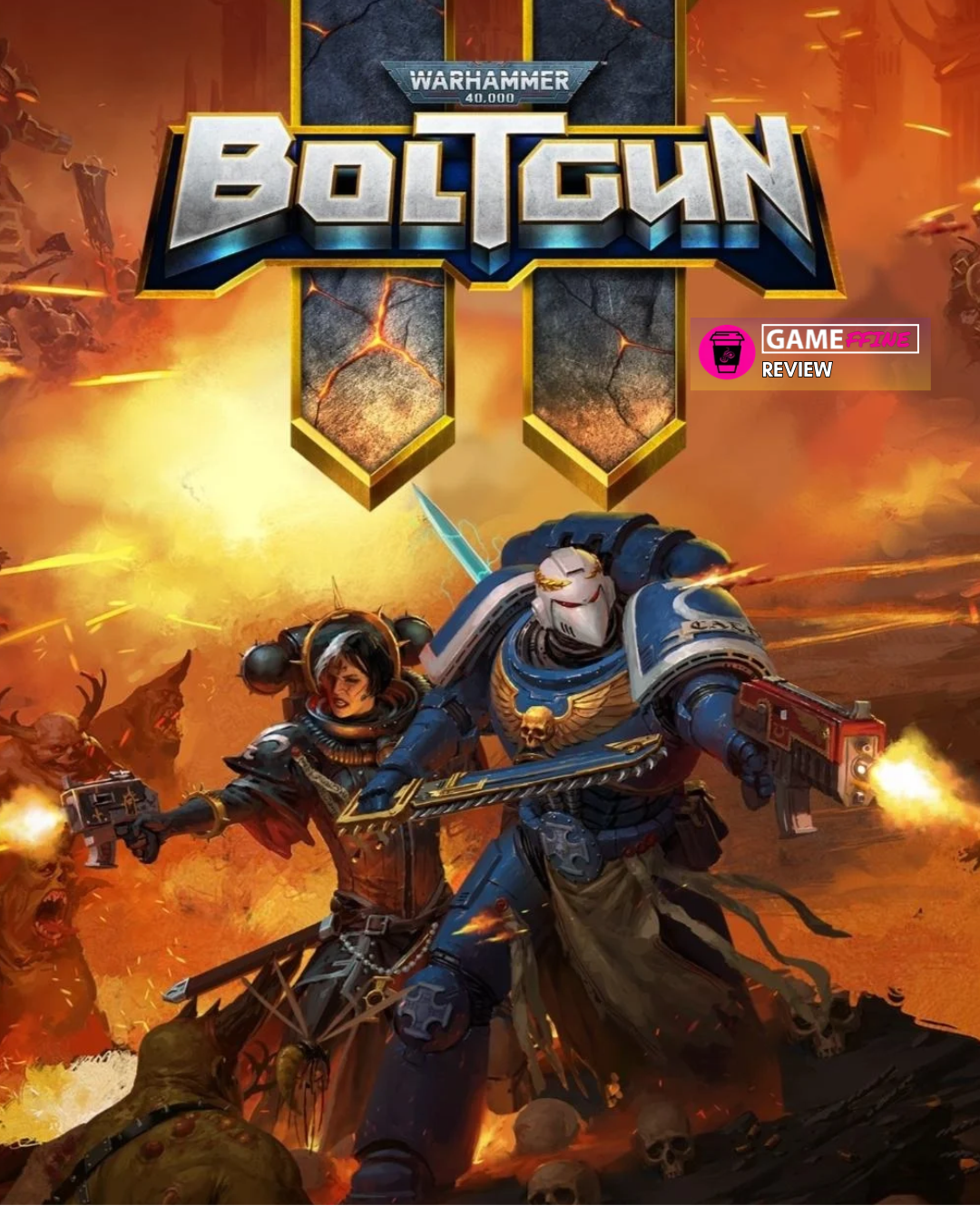



2023’s Warhammer 40,000 Boltgun is a good shooter. In my review, I called it “a competently made FPS that doesn’t deviate from the established formula.” There was plenty of room for improvement, though. For one thing, the level design was a bit too repetitive and confusing at times, and the game has a habit of forcing you into closed arenas and spawning a seemingly endless stream of bullet-spongy enemies, ensuring that the screen was always filled with visual clutter. The Forges of Corruption DLC tried to rectify these mistakes to an extent but somehow made the higher difficulties even more punishing.
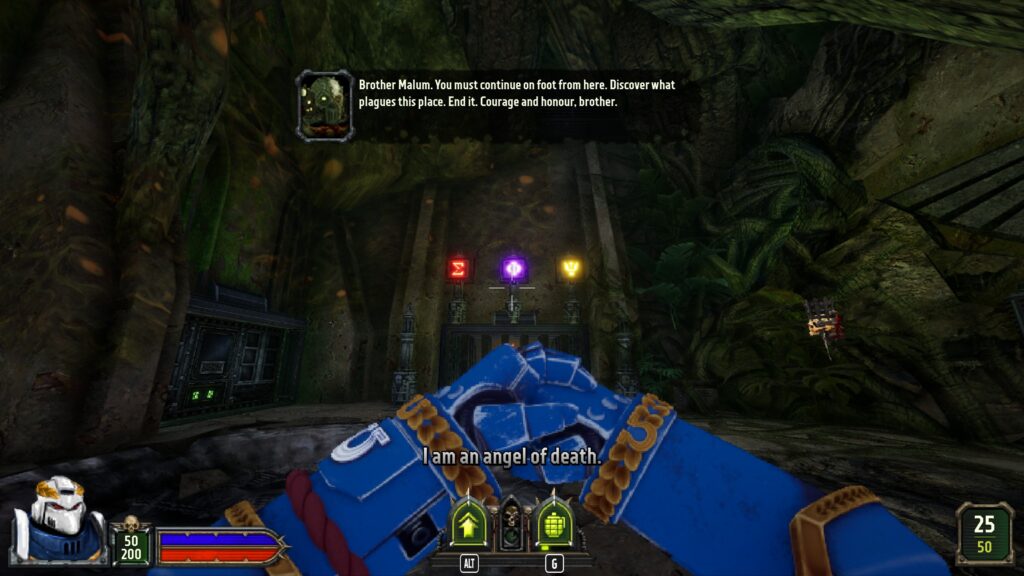
2 and a half years later, Warhammer 40,000 Boltgun 2 is almost here, and it’s the textbook example of what a sequel should be. Boltgun 2 takes what worked in the original (the gunplay, the Grimdark irony, and the enemy variety) and refines it while addressing the criticisms like repetitive level design, unbalanced enemy encounters, and performance issues. The resulting game is one that retains the vibe of the first game but one that feels more akin to the classic retro shooters than Doom 2016 (most of times, at least).
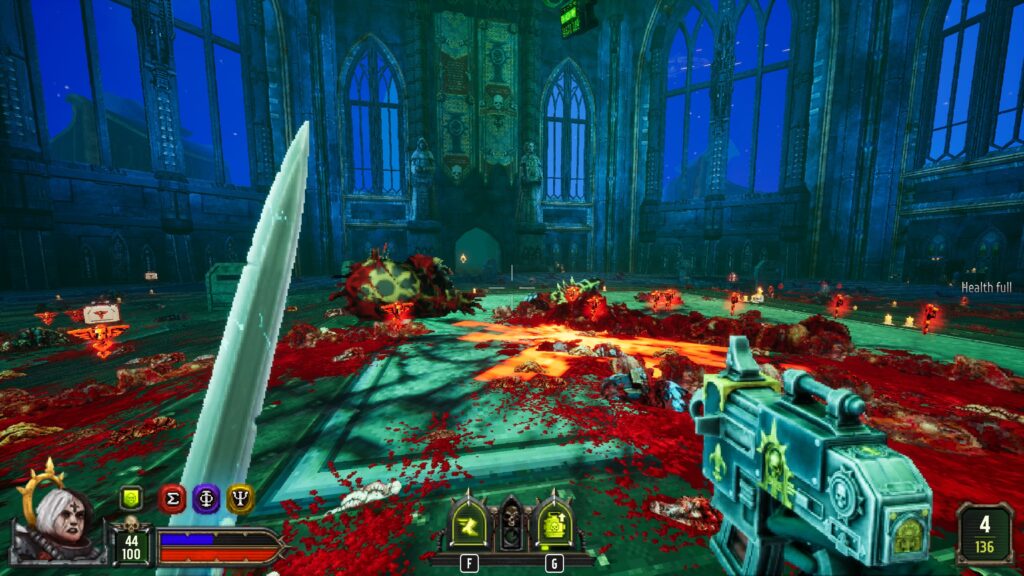
Being a direct sequel, Boltgun once again puts the player in the heresy-stomping boots of Ultramarine Malum Caedo, once again voiced by Rahul Kohli. But this time, he’s not alone. Joining Malum in his galaxy-spanning adventure is sister Nyra Veyrath of the Adepta Sororitas, unironically voiced by Kohli’s partner Alanah Pearce. Divided by tradition, united in their hatred for heresy, they face off against Vashtorr the Arkifane, a literal demigod of chaos.
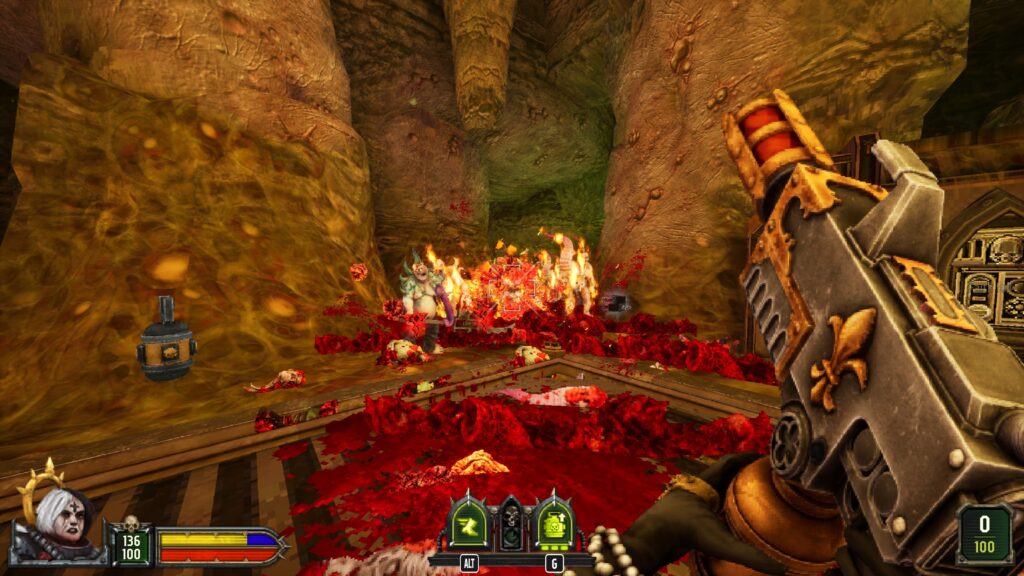
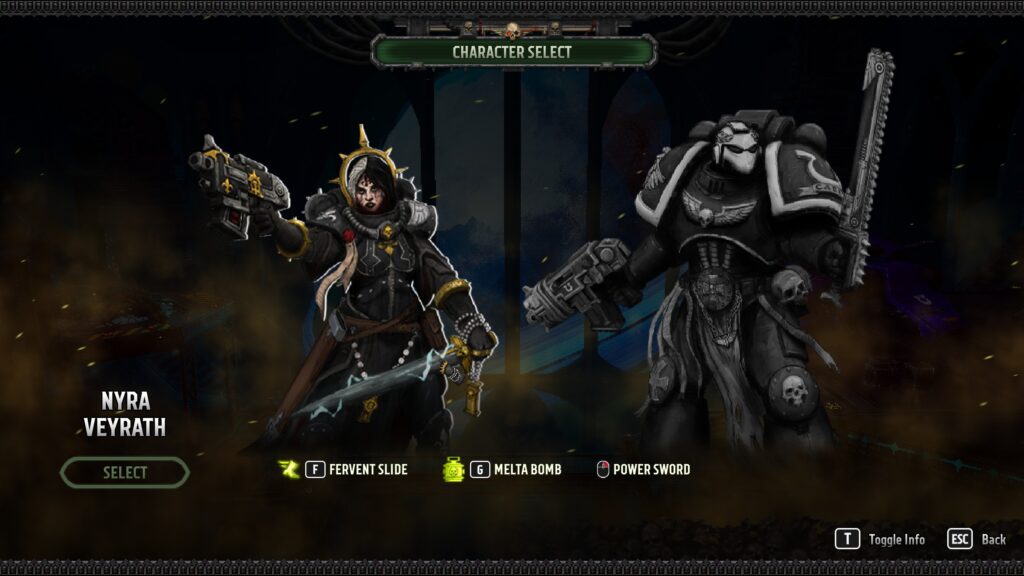
But Boltgun 2 is a single-player experience (a missed opportunity). Thus, you will only be able to play as either Malum or Nyra at any given time. The two characters are not simple sprite model changes, but each comes with their own sets of stats (HP, armor, speed) and melee weapon (chainsword/power sword), as well as a totally different weapon loadout including different throwables. Did I mention that each character has their own signature ability, such as Calum’s Obliterating Charge and Nyra’s Fervent Slide? As you can guess, Calum is more of a tank (he still moves around like a monkey on pre-workout compared to other Space Marines), while Nyra is the agile one. Thanks to their gameplay changes, playing as each character ensures a different experience each playthrough. Despite which option you pick, the experience remains fair even on the hardest difficulty.
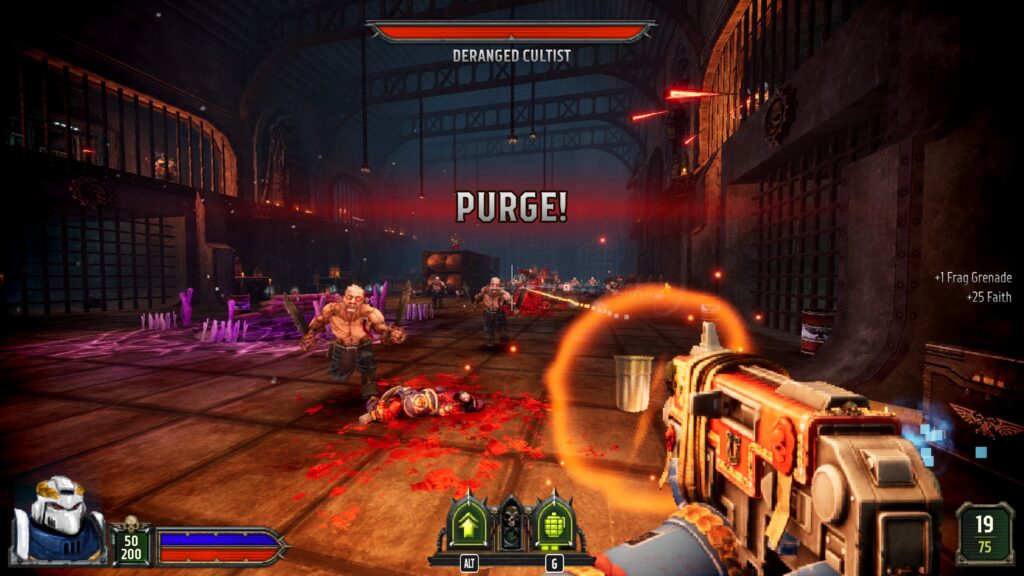
The game sees a huge positive change when it comes to balance and weapon optimization. The first game had a sizeable arsenal of varying firepower, which resulted in you abandoning the starter weapons as soon as bigger and better options were made available. Here, each of the 16 guns you acquire (8 for each character) remain viable for almost all scenarios. If your starting Boltgun or Bolt Pistol doesn’t look like it’s going to cut through hordes of demons, picking up the Machine Spirit power-up will certainly make sure it does. Some of the new weapons might need a little bit of getting used to (like Nyra’s crossbow), but once you stick with them, firing and switching weapons on the fly becomes muscle memory.
Another shake-up to the traditional BoomShoot formula is the presence of a “branching campaign.” Throughout the campaign, whether playing as Malum or Nyra, you’re given the choice to select one of two locations that are besieged by chaos. Deploying to one location means you submit the one you didn’t select to be devoured by the archenemy. There are about 33 missions in the campaign spread across multiple biomes, and the way the campaign is structured means that a minimum of two playthroughs is required to see everything there is to see. While this is a nice option to warrant two full playthroughs with each character, the lack of any consequences for forgoing one location makes this whole branching thing come across as a gimmick. If you’re like me and just want a traditional campaign, there is an option to unlock all the levels under Accessibility settings, and you’ll be able to play through all the levels in one go.
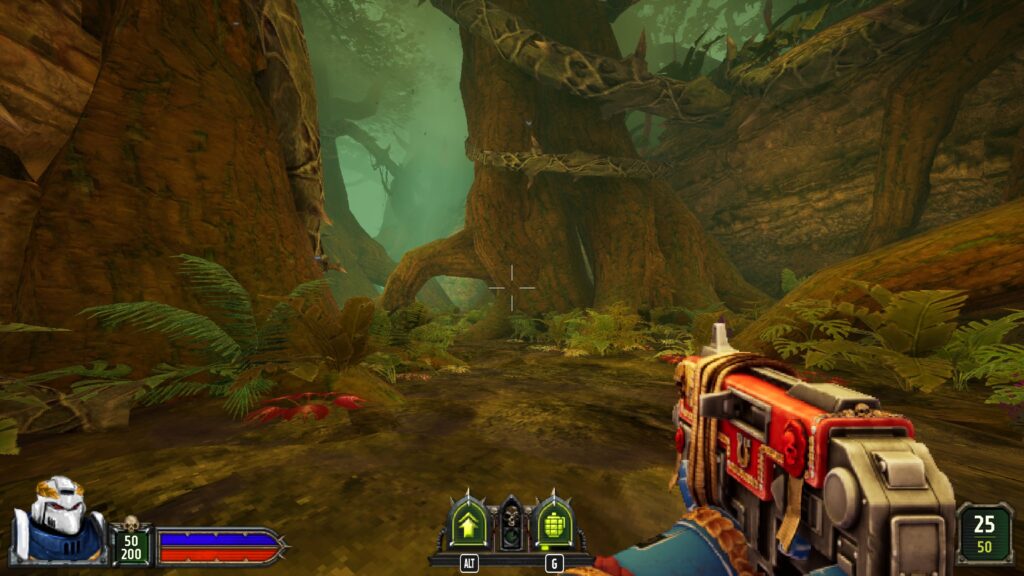
Boltgun 2 features a diverse range of biomes, from infested Space Hulks and murky swamps to blood-soaked fortresses, each offering distinct level layouts with varying degrees of verticality and a few surprises along the way. Unlike its predecessor, the sequel truly excels in its level design. With over 30 levels, the individual stages are also more compact, trading the first game’s abundance of enclosed arenas for more traditional room layouts (the “purge rooms” are much fewer in number) and strategically placed monster closets. The change works in the game’s favor, keeping the action flowing without sacrificing the intensity of its combat. The maps are packed with enemies, too, with each stage throwing an average of 200–250 heretics at you. Exploration is equally rewarding, thanks to well-hidden secrets that offer useful buffs and tangible gameplay benefits.
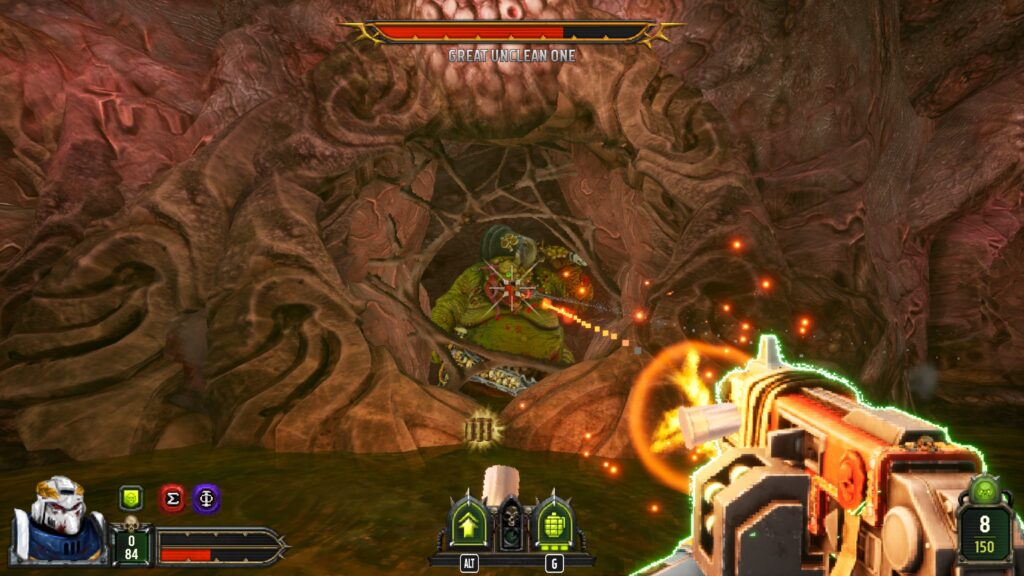
Another improvement is on the enemy variety side of things. Boltgun already had a decent roster of enemy types, but Boltgun 2 takes it one step further. Along the journey, you’ll face off against standard cultists, forces of Nurgle (Poxwalkers, Plague Marines, Blightlord Terminators), Tzeentch followers (Rubric Marines, Scarab Terminators), Khorne’s Daemons, Slaanesh’s Daemonettes, and more. Basically, the whole gang is here and available for your murderous pleasure. Thankfully, the enemy spawns are much more balanced this time around, and they are not all covered in bullet-repelling bubbles. With the newly added abilities like Malum’s Chain Sword Lunge and Nyra’s Slide, Hard and Exterminatus difficulty actually feel challenging, instead of frustrating. I bet you can even finish the game just using melee once you’re good at it.
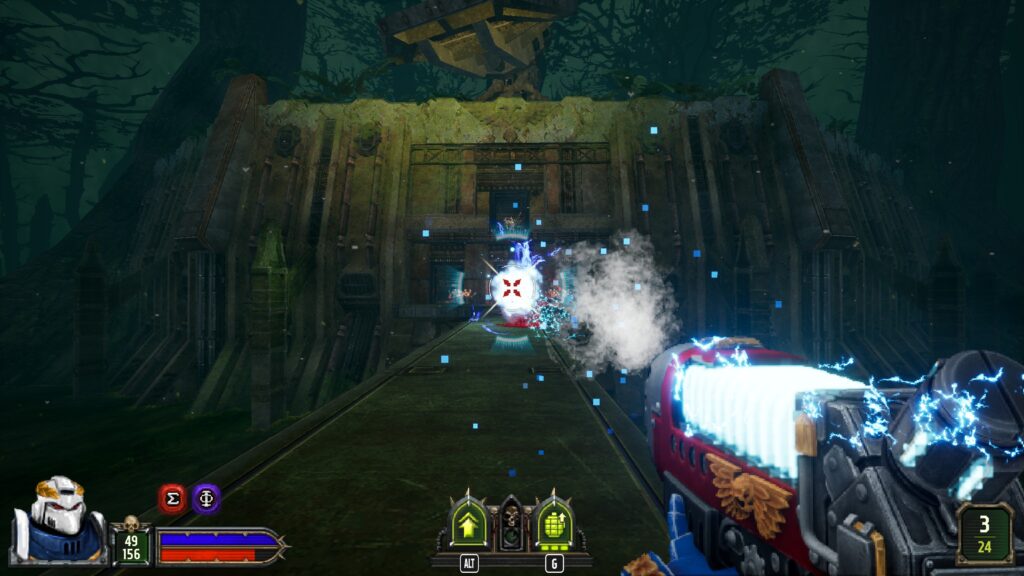
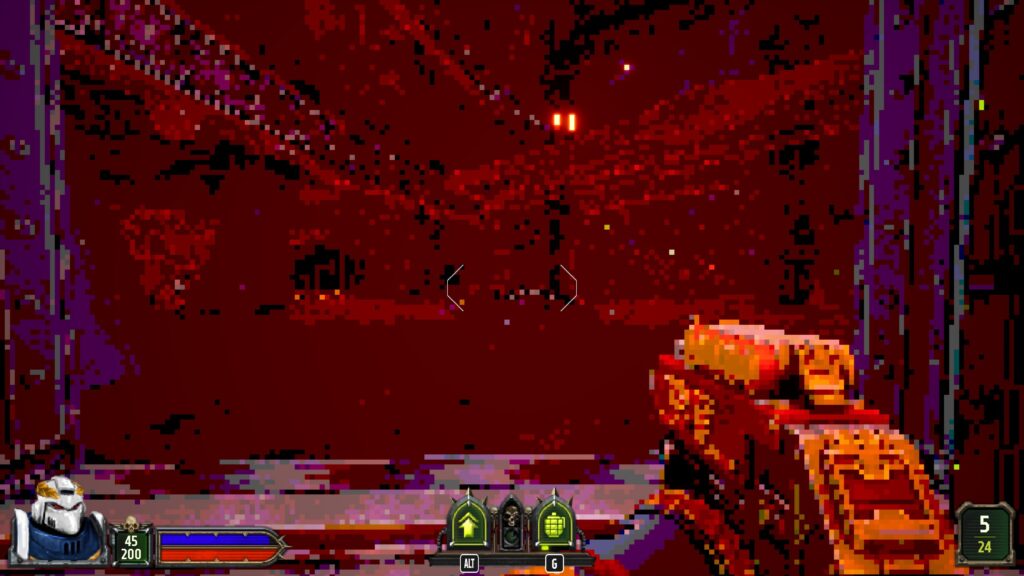
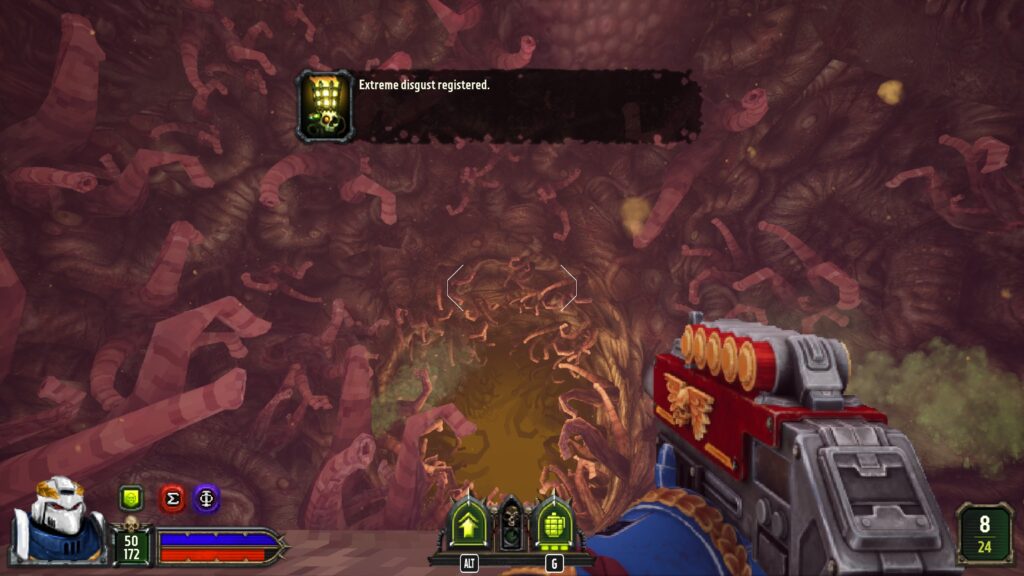
Boltgun 2 doesn’t look much different from its predecessor, and that’s fine by me. You can up the pixellation to make it look like an Amiga game, and it’s just hilarious if nothing else. Boltgun 2 runs really well too, even when the whole world is going crazy on your screen. The game looks good, and the presence of varied environments makes sure that there are more colors on the screen than red, blue, and grey.
I’m hardly qualified to judge a game’s soundtrack, but I’m not particularly fond of Boltgun 2’s industrial metal OST. There’s nothing inherently wrong with it; I was simply expecting something grander and more bombastic. Legendary composer Mick Gordon did contribute to the final boss theme, which is a definite highlight. Beyond that, though, I mostly let the music get drowned out by the relentless roar of boltgun fire.
Real Talk
Warhammer 40,000: Boltgun 2 is a textbook example of a good sequel. It builds on what made the original work while addressing its shortcomings, delivering satisfying gunplay, fluid movement, a well-balanced difficulty curve, and a diverse range of environments. The addition of a second playable character, the Dragonfruit on top, adds another welcome layer of variety to an already excellent BoomShoot.
FINAL SCORE: 90/100