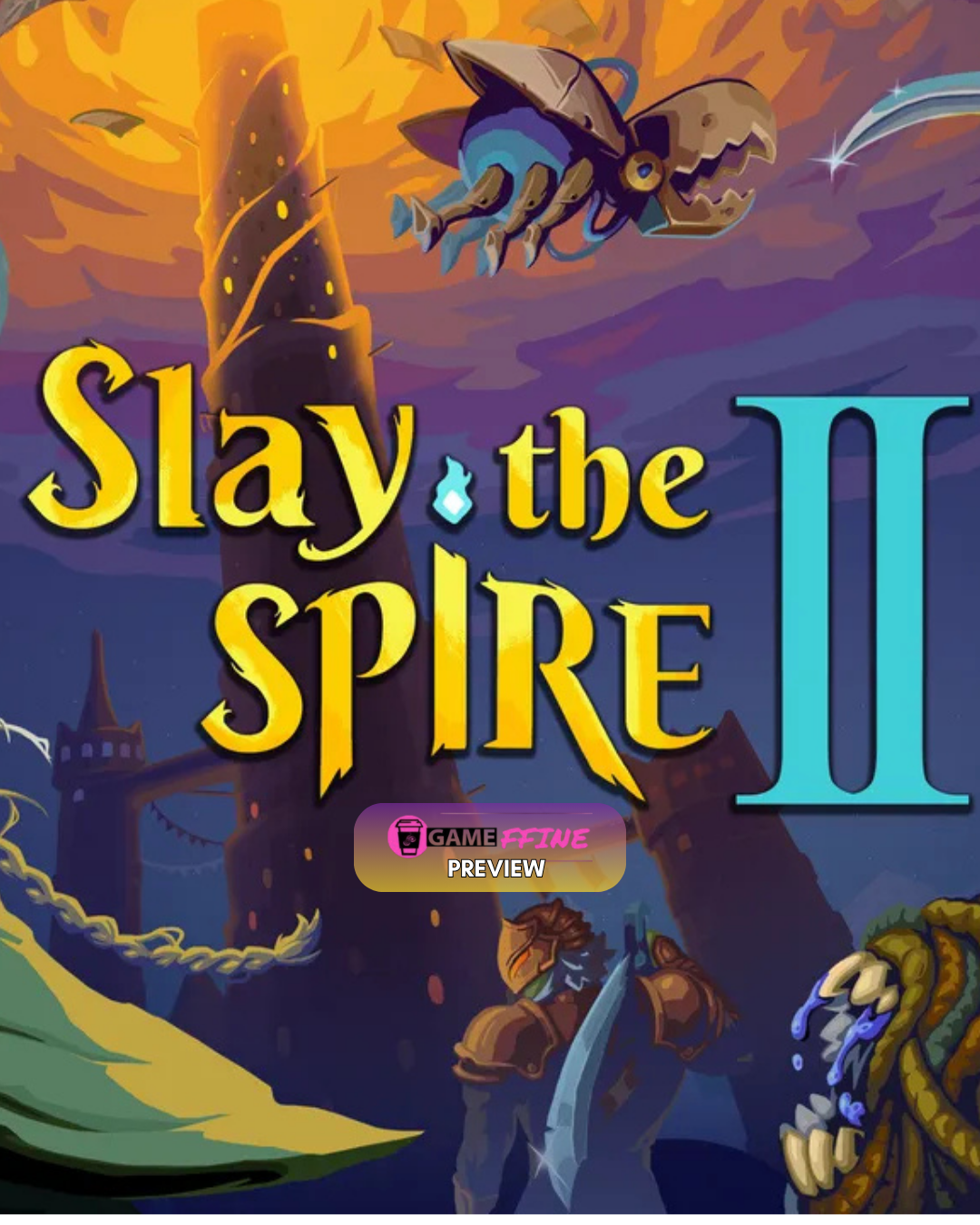





Card-building games have been around us for generations. Most of us started with Magic: The Gathering or Yu-Gi-Oh! in our childhood and then moved on to bigger and better things. For folks who like dueling with cards, every game that supports such a mechanic would look quite decent. Naturally, when roguelikes were becoming popular, developers Mega Crit decided to build a casual card-based battler whose mechanics revolved around being a roguelike. The casual aspect of the game, followed by how easy it was to pick it up, brought in a lot of followers. Being an indie game also helped immensely, as a lot of folks could get access to it at a lower price point. Fast forward to 2026; Mega Crit has come up with a sequel for their original card battler, Slay the Spire 2. Streamers picked it up, and word of mouth resulted in the game putting up a concurrent player count that rivals the top games on Steam like DOTA 2 and Counter Strike: Global Offensive.
Slay the Spire 2 is a card-based roguelike with a focus on deckbuilding and strategy. The game launched in early access on Steam on March 5, 2026. Even though it is in early access, the gameplay looks very well fleshed out (though there are likely to be changes later down the development cycle).
Climb. Die. Repeat. Improve.
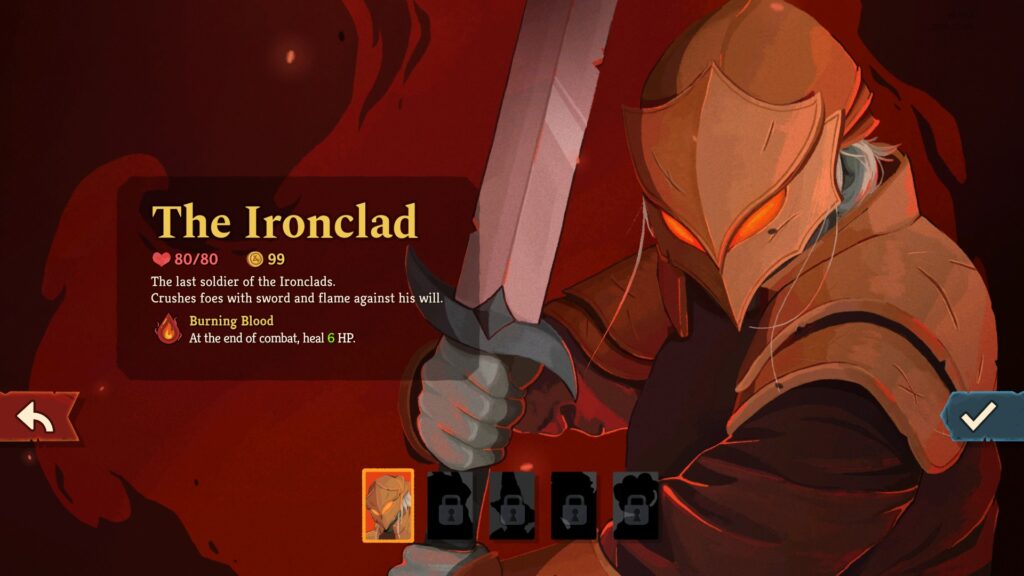
Slay the Spire 2 takes the base game’s concepts and fleshes it out even more. The idea is the same—players need to get to the top of the Spire. It’s a pyramid-like structure that needs to be ascended. Players choose a starting character, which grants a beginning deck with either four or five Strikes and Defends and one or two unique cards that define the playstyle of the character. For example, the Ironclad gets Bash, a unique card that deals 8 damage to one enemy and weakens their attack for one turn. Clearing a stage of enemies will allow the player to add cards to their deck to make it more in line with their strategies.
It seems that Mega Crit has been listening to feedback! Slay the Spire 2 has both single-player as well as multiplayer options. In multiplayer, players can queue with up to 4 characters in a lobby and go through the same gameplay loop as in single-player. The more the players, the higher the difficulty of the enemies at each stage—which means close cooperation will be needed at all stages. In singleplayer, one can do runs on their own or against a timer—or pitch themselves against an online scoreboard. Just like the original game, there’s a gigantic scoreboard for players doing solo runs to rank them on how far they have gone and how well they have done (which changes every week).
Cards, Combos, and Calculated Chaos
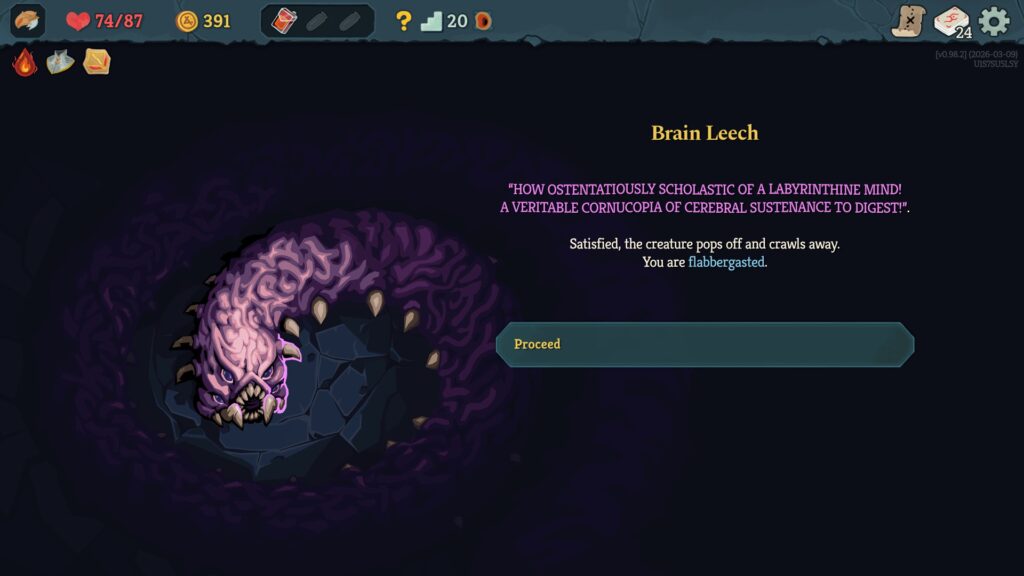
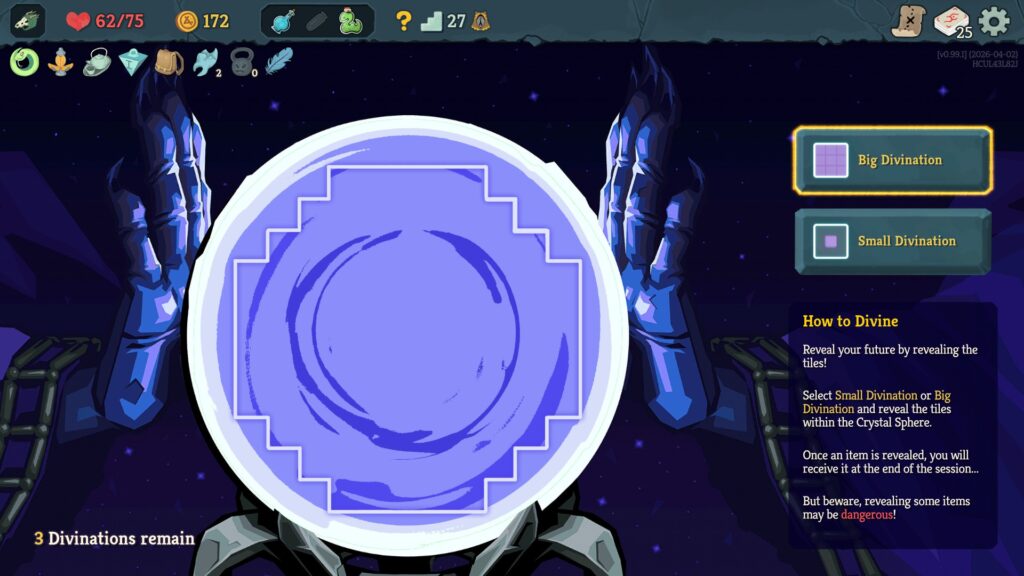
Slay the Spire 2 does not change the gameplay loop at all. After all, is it really necessary to change what’s already perfect? But yeah, there are subtle tweaks to add more variance to gameplay, ensuring players can make each run memorable. The number of random events has increased and gives more choices to players depending on the event. More interactions mean more randomness—something all Slay the Spire players love!
The core strategy remains the same: defeat enemies, pick up cards depending on what is needed for the deck, and push upwards. There’s an option to skip adding cards if they are not needed—not all cards that show up as rewards need to be added to the deck. At some levels in the Spire, a helpful merchant comes to peddle his goods—either relics that give the player an advantage or cards that help boost the deck. One of the most useful things to do down the line is also to remove cards, as strategies for later enemies might need to be changed. Cards can be removed as part of random events or even at a merchant for a certain price.
Slay the Spire 2 does not change the mechanics for relics but makes powerful relics available much earlier. This is a significant change in pace from Slay the Spire, where the power of cards available gradually increased with each following floor cleared. Higher floors have a higher chance of dropping better relics/cards, but the power level of cards is generally higher from the start. Difficult enemies also start spawning really early on (if the player is unlucky enough to encounter them). This also means meticulous attention to detail is needed, as remembering enemies and their play styles can help in planning a counter strategy for them.
Two new characters join the roster of Slay the Spire, and they’re super fun to play with. The Necrobinder has probably the least number of starting cards in her deck and the least amount of health, but she can summon a walking hand that can attack enemies. Oh, she can also banish enemies to the shadow realm (*cough* wrong game *cough*). The second character, the Regent, deals with two resources—the standard mana and cosmic stars. Cosmic stars are used to pay for some of His Majesty’s attacks, which generally are more powerful than the ones that only cost mana. The Ironclad, the Silent, and the Defect are back, each with their own styles—the Defect having the most unique play style in doing stuff passively by using special orbs without doing anything on his own. The Ironclad and Silent are slightly more straightforward by nature, generally recommended if players are new to the game.
Minimal Looks, Maximum Feel
One of the main reasons Slay the Spire stood out initially was its low system requirements and its minimalistic design, which offers little cognitive load. Effects are somewhat flashy yet give the satisfactory feeling of dealing damage. Slay the Spire 2 delivers redrawn sprites, which look sharper and are even more aesthetically pleasing. The variety of backgrounds looks slightly similar for many stages, which might be my only complaint about the design. Even the effects for card upgrades, resting at a fireplace, and attacking enemies look much sharper than before.
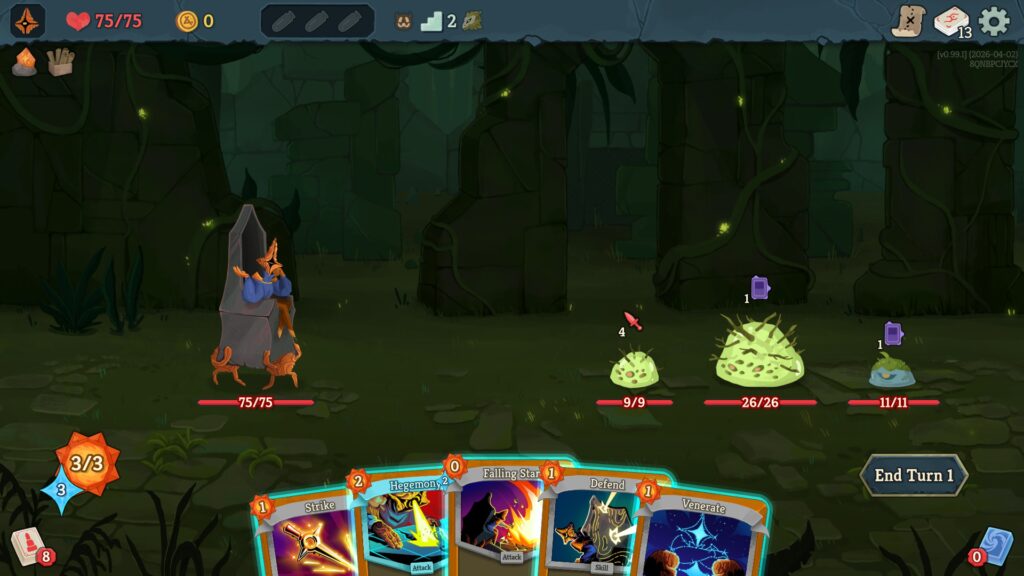
Slay the Spire 2 goes a bit softer on the music itself, allowing players to focus on the combat. The minimalism was designed with great precision, as it allows the player to focus on their goals—getting to the top of the spire. The core compositions from the original game have been retained, just redesigned to be a bit softer.
Slay the Spire 2 is yet another game that runs very well even on low-end rigs. There’s a reason this game is competing with the likes of DOTA 2 and Counter Strike 2 on Steam, and that’s the sheer accessibility offered by the game’s design. Kudos to team Mega Crit!
Initial Impressions
Slay the Spire 2 takes the core gameplay experience from the original game and fleshes it out to build an even better game with lots of interactions to explore and try out. This is a title worth supporting in its current state in early access—though there is going to be more stuff added later on. It’s a good game to boot up, play for a while, and power down rather than watching a few thousand Instagram reels or YouTube shorts (at least there’s some fun to be had this way).