





Since Resident Evil debuted in 1996, Capcom has released 30 titles in the franchise. With the series now over 30 years old, it might seem impossible to create something that feels fresh and innovative, yet they keep pulling it off. Resident Evil Requiem commemorates the 30th anniversary of Resident Evil by combining the chilling survival horror of Resident Evil 2 with the intense, fast-paced action of Resident Evil 4.
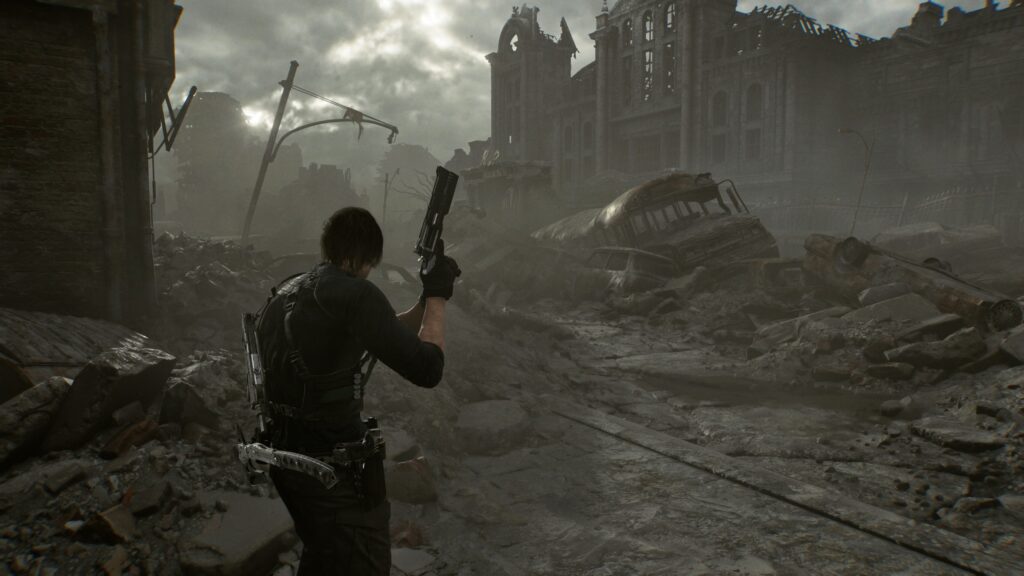
Resident Evil Requiem is the Ninth mainline entry in the Resident Evil series, featuring dual protagonists – Grace Ashcroft, an FBI agent, and our very own Leon S. Kennedy, a veteran who paved the way for this franchise in its most crucial hours. It was released on 27th Feb 2026 for PlayStation, PC, Xbox, and Nintendo Switch 2.
Requiem for The Dead
Set 28 years after the Raccoon City Incident, Resident Evil Requiem follows two intertwined stories: Grace Ashcroft, a part of the generation born after the outbreak, and Leon Kennedy, a seasoned survivor still carrying the physical and emotional scars of that harrowing event. The game explores how the Raccoon City disaster shaped the world decades later. As the title suggests, the narrative acts as a “requiem for the dead,” seeking to provide a final resolution for the victims of Raccoon City and the legacy of the original Umbrella Corporation.
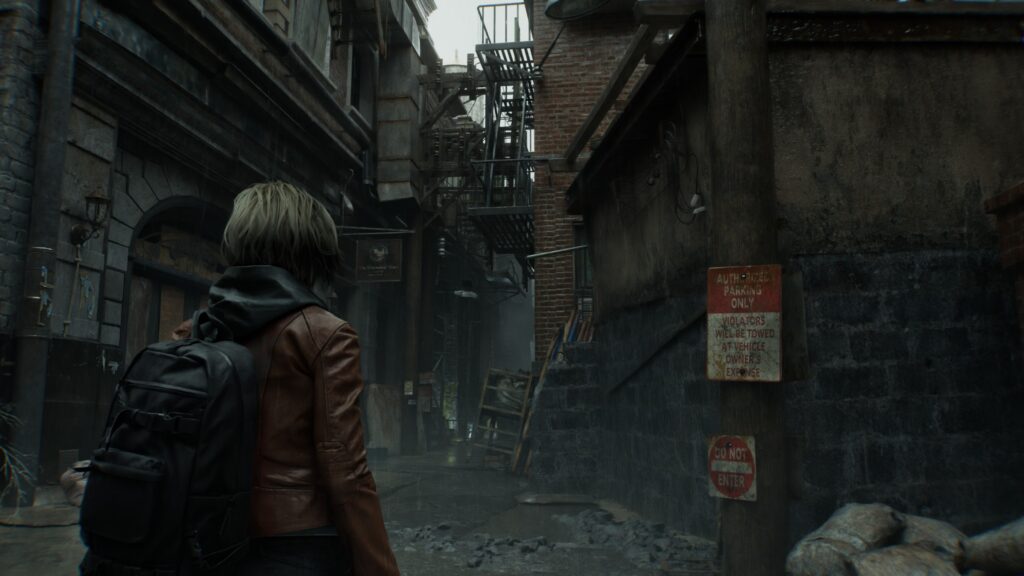
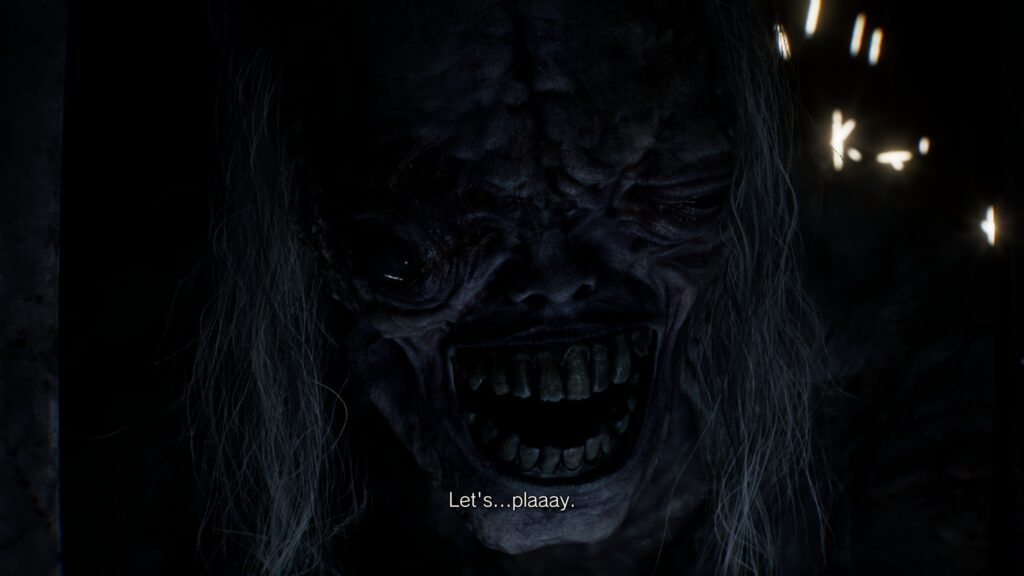
The game opens much like Alan Wake 2, complete with bold title cards before each scene, reminiscent of Remedy’s signature style. Playing as Grace Ashcroft, an FBI agent, you’re tasked with investigating a string of mysterious deaths. The victims bear strange scars and markings, all centered around a hotel. Plus, there’s a monster who stalks you in the darkness, so you gotta stay in the light. Sound familiar? Exactly. It mirrors the way Saga’s story begins in Alan Wake 2—but from there, it takes a truly unique turn.

Grace’s saga dives into the survival horror side of Requiem, with mechanics reminiscent of Resident Evil 2, Biohazard, and Village. You manage a small inventory with limited ammo and resources, all while facing undead that keep coming back no matter how many bullets you put into them. Along the way, there are plenty of puzzles to solve and items to track down to move forward.
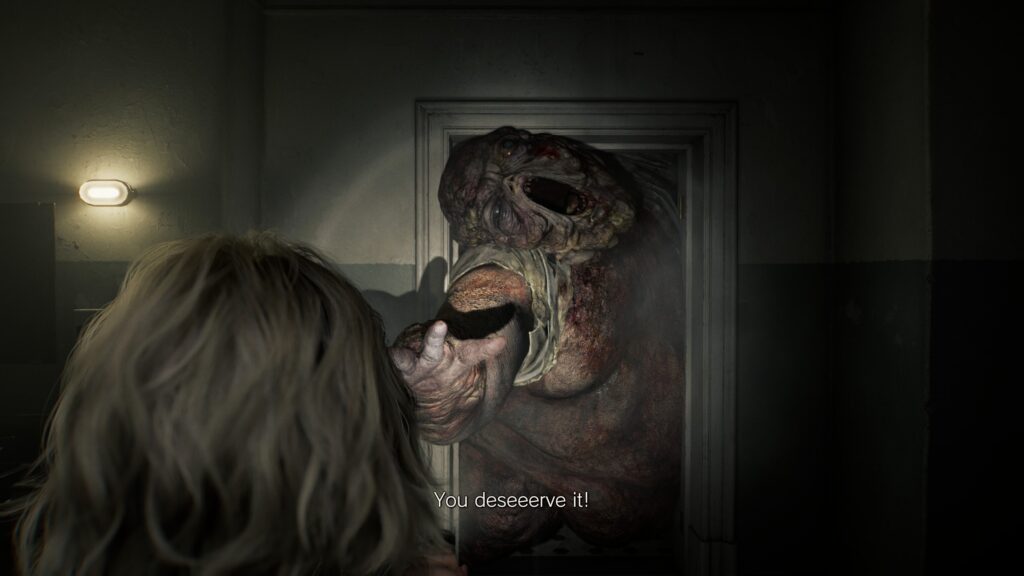
The first two hours are pure survival horror, with a few brief sequences featuring Leon in between. You face terrifying monstrosities that feel especially intense in first-person, but are more challenging in third-person mode, as Grace often stumbles and falls while dashing through corridors. So, despite Capcom’s recommendation, it’s worth giving third-person mode a try when playing as Grace. A major improvement this time is the addition of a blood sample collector, which lets you craft serums to boost Grace’s gun handling and health, as well as create haemolytic injectors to wipe out the undead. The big-fat-chungus in the screenshot above took four of them to fall, and it was absolutely worth it.
A Man Made of Million Bucks
I enjoyed playing as Grace during the first few hours of the campaign, but there was hardly any playtime for Leon. I assumed most of it would focus on Grace, but I was completely wrong.
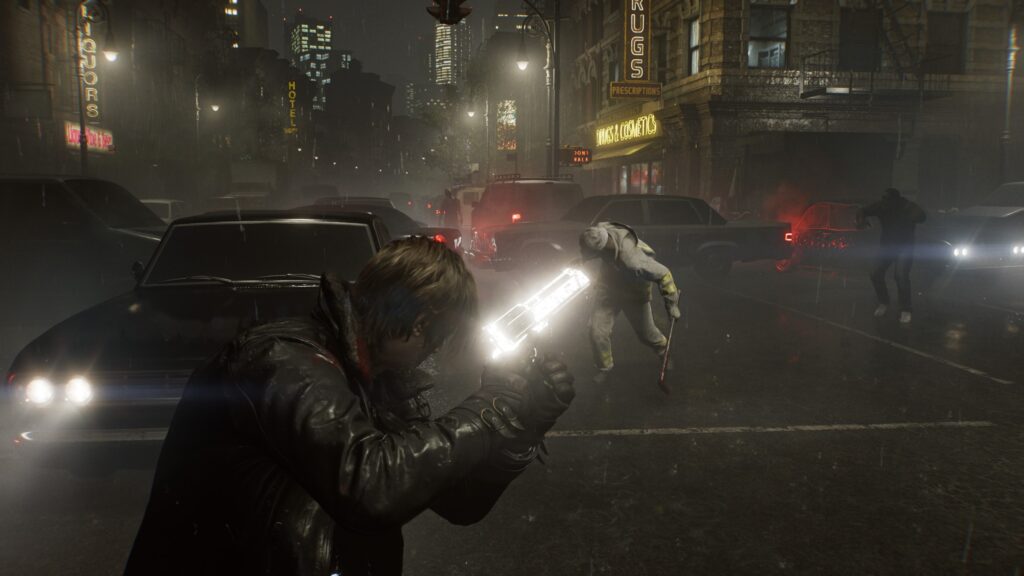
Leon makes a stunning entrance, rolling up in his $260K custom third-generation Porsche Cayenne Turbo GT. He steps out, exuding the effortless charm of a peak 51-year-old uncle while looking remarkably youthful. From his custom NYC B-3 Sheepskin Bomber Jacket to his Hamilton Khaki Field Auto Chrono watch, the man is truly locked and loaded. With almost 30 years of fighting experience, he has turned into the John Wick of Resident Evil.

As you’d expect, he has no doubts and zero affection for the undead. This time, he wields a hatchet instead of the combat knife from RE 4, which would lose durability and eventually break. To top it off, he’s a parry master—whether it’s flying missiles or monstrous tentacles, there’s nothing he can’t deflect. He charges at enemies head-on and obliterates them with finishers unlike anything I’ve ever seen. You also get a wristband that awards points for each kill, which you can use to buy and upgrade your gear. The only catch is that Leon doesn’t have a storage option, unlike Grace, so you’ll need to sell items if you run out of inventory space.

Unlike Grace’s grounded sections, Leon’s levels are sprawling and unlike anything seen before in the RE franchise. There are the ruins of Raccoon City, evoking the atmosphere of The Last of Us, a thrilling sequence straight out of Uncharted, and crooked building levels unlike any other game that I have played. Even though I’ve finished the game, I’ll definitely replay these sections on insanity mode.

The only thing some people find a bit underwhelming is its 11-hour runtime, which is slightly shorter than Resident Evil 4 Remake. However, with the rich content this game offers, every minute of the playthrough feels worthwhile. There are also plenty of hidden items and achievements that would require multiple playthroughs to collect them all. Overall, you’re looking at around 20–25 hours of playtime to experience everything it has to offer.
Stunning Visuals that look amazing with Path Tracing
Resident Evil Requiem showcases the most stunning visuals Capcom has ever produced. Recent heavy-hitters like Dragon’s Dogma 2 and Monster Hunter: Wilds have put the RE Engine’s open-world capabilities to the test. While both games are impressive, their ambitious physics systems caused performance dips, leading the team to scale back on certain visual elements like textures and lighting.
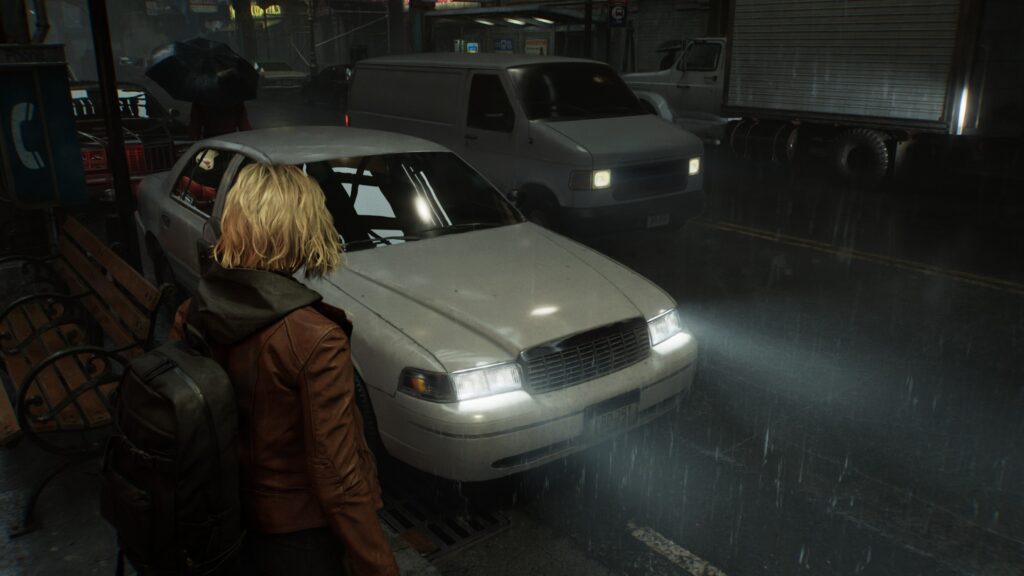
With Requiem, none of those issues are present, and even with high ray tracing, it ran smoothly on an RTX 5070 PC, hitting 88-120 fps in the early sections and climbing even higher once you reach East Raccoon City. With path tracing, performance drops to around 40-55 fps, but with frame generation, it easily surpasses 100. Thanks to its great response time, even with frame gen, I prefer path tracing mode because of the way it makes the faces light up so beautifully.
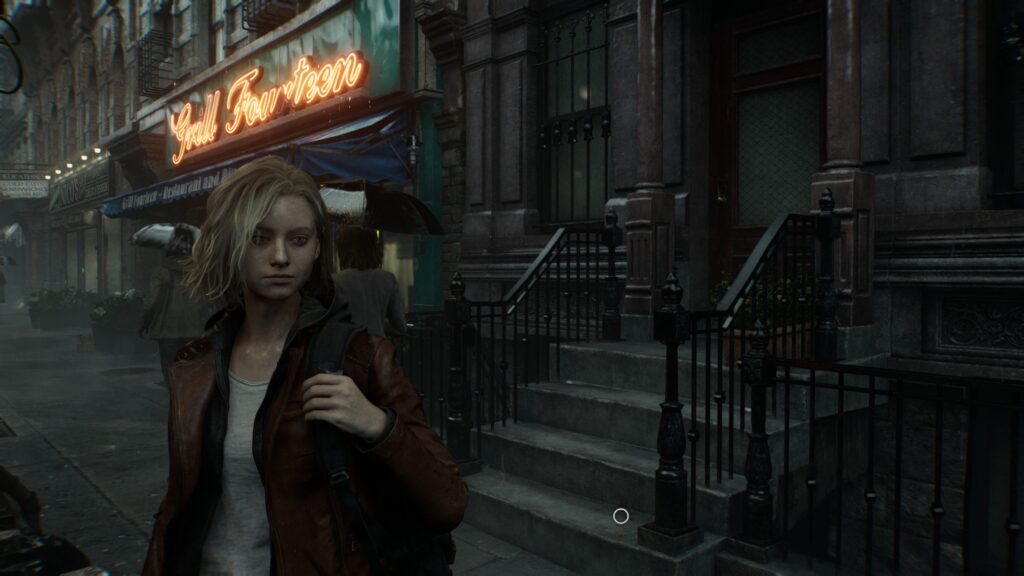
The screenshot above shows high RT mode, and while it looks decent, the lighting on the face has an unusual white hue, and the reflections on the cars and other objects appear jarring compared to the screenshot above it, which uses full path tracing. Without RT, the faces seem quite a bit washed out.
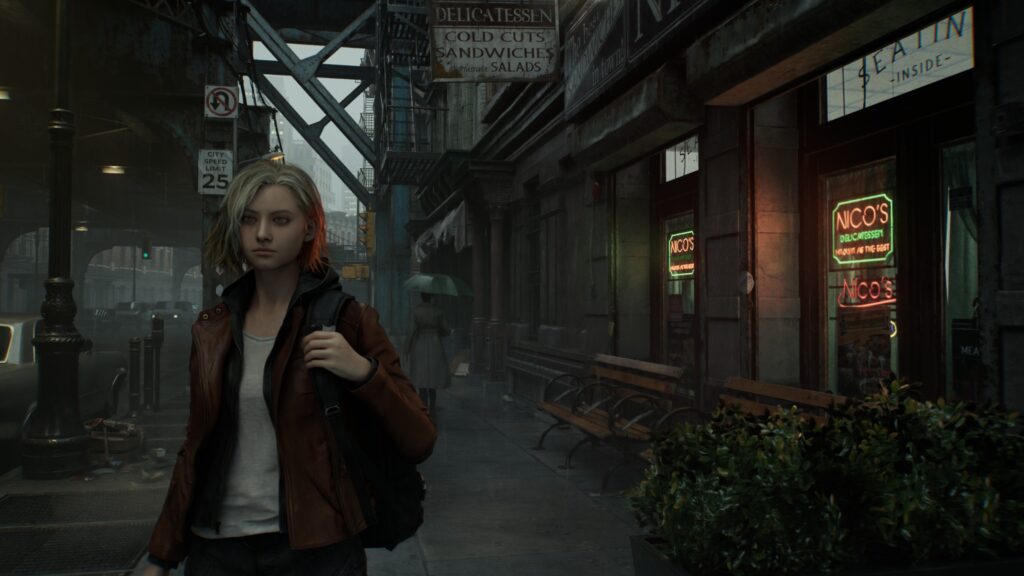
In this screenshot, with Path Tracing, the faces light up naturally. The same goes for indoors, though it can be hard to get a clear look at the characters’ faces since both Leon and Grace auto-rotate with camera movement, always facing forward. Hopefully, a photo mode and free camera option will be added in a future update. That said, the character models and hair physics easily make this the best-looking title of 2026 so far.

Despite its solid optimization, I experienced high VRAM usage with high RT and even more in the PT preset. The VRAM briefly spikes above 12GB, causing micro-stutters, before dropping back to the 10–11GB range. This mostly happens during the early game sections in Eldbridge and Rhoades Hill. A recent Nvidia driver update on March 2 seems to have improved the issue to some extent, though there may still be sections where it occurs.
REAL TALK
Resident Evil Requiem perfectly blends elements from all the Resident Evil games, adding its own unique flavor with expansive level design, intense combat, and breathtaking visuals. It has everything you’d expect from a title celebrating the series’s 30th anniversary. What it accomplishes in its 11-hour campaign is nothing short of impressive, delivering a fitting and satisfying conclusion to the Raccoon City saga.
FINAL SCORE: 95/100
Resident Evil Requiem
Resident Evil RequiemThe Good
- Great Narrative
- Horror and Action Sequences
- Responsive and Engaging Combat
- Great Level Design
- Impressive Visuals and Peformance
The Bad
- Facial Lighting Issues in Non-RT modes
- Missing Storage Options for Leon