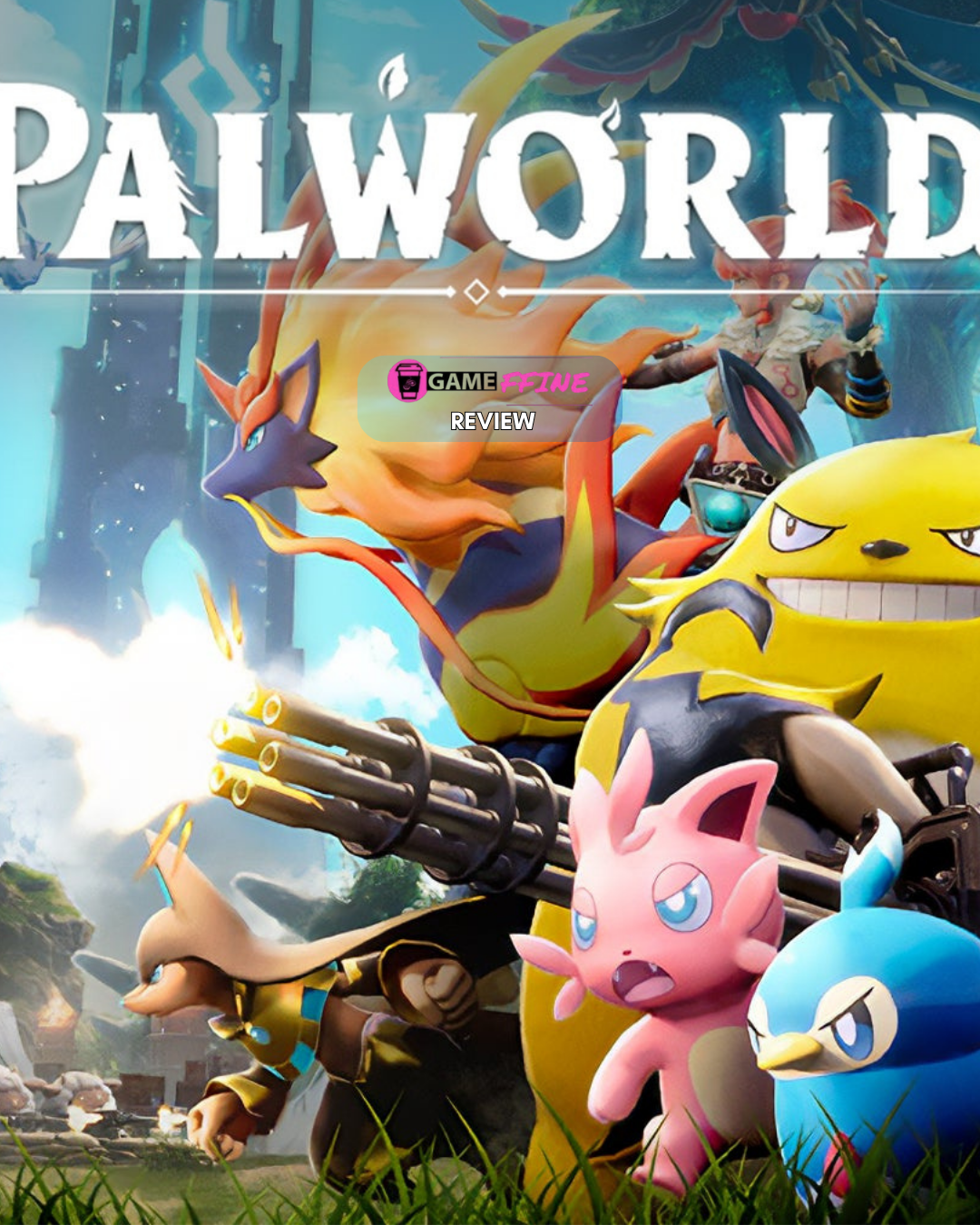




When Palworld exploded onto Steam in Early Access, plenty of people thought it would be another internet obsession that disappeared after a few weeks. Two years later, version 1.0 proves just how wrong that assumption was.
From Internet Sensation to a Complete Adventure
I’ll admit it. When I first played Palworld back in Early Access, I wasn’t thinking about its future. Like everyone else, I was curious because the internet couldn’t stop talking about it. The trailers looked ridiculous, the screenshots looked even more ridiculous, and the phrase “Pokémon with guns” was everywhere. It would’ve been easy for Pocketpair to ride that wave of attention, cash in, and move on. Instead, they kept working. Update after update, the game slowly became something much bigger than the joke people made when it launched. New islands appeared, more Pals were introduced, base building became deeper, combat improved, and the world kept growing. Now, with the arrival of version 1.0, Palworld has finally left Early Access behind, bringing a brand-new region, dozens of new Pals, story-driven content centered around the mysterious World Tree, and major improvements across almost every system in the game. Coming back after all this time genuinely surprised me. This doesn’t feel like the same game I played in 2024. It feels like the version Pocketpair always wanted players to experience.
It’s Time We Stop Calling It “Pokémon With Guns”
That nickname helped Palworld go viral. It also did the game a huge disservice. Yes, you capture creatures. Yes, they fight alongside you. But after spending a few hours in Palworld, it becomes obvious that creature collecting is only one piece of a much bigger experience. This is a survival game first. You’ll spend just as much time gathering resources, expanding your base, crafting equipment, exploring dangerous areas, and preparing for tougher encounters as you will catching new Pals. And honestly? That’s why I kept coming back. Every session naturally creates its own little goals. Maybe you head out looking for ore and end up discovering a dungeon instead. Maybe you’re planning to upgrade your base, only to spot a rare Pal wandering nearby and suddenly forget everything else. Palworld constantly pulls your attention in different directions, but somehow it never feels overwhelming. The freedom is what makes it addictive.
Catching Pals Never Gets Old
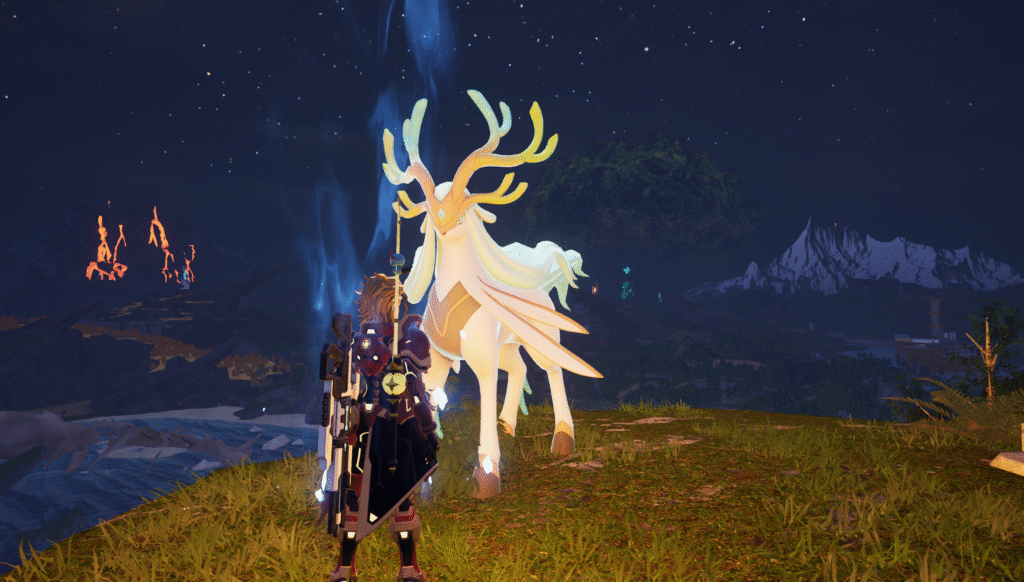
You’d think that after catching hundreds of creatures, the excitement would eventually wear off. It really doesn’t. Version 1.0 introduces 72 new Pals, bringing the total roster to 287, and I was genuinely surprised by how many of them immediately became favorites. Some are adorable, some are intimidating, and a few made me stop just to admire how much more creative Pocketpair’s designs have become over the last two years. The update also quietly redesigns several older Pals, giving them more distinct appearances while keeping their personalities intact. The best part isn’t simply adding them to your collection. It’s figuring out how they fit into your adventure. One Pal might become your strongest fighter. Another ends up handling your farms. Someone else keeps your furnaces running while you’re halfway across the map exploring. Over time, your base starts feeling less like a collection of creatures and more like a busy little community where everyone has a purpose. That’s something Palworld does incredibly well. It gives every Pal value beyond combat.
Survival That Rarely Feels Like a Chore
Survival games have a habit of making simple tasks feel like work. Cut trees. Mine rocks. Eat food. Repair tools. Repeat. Palworld has those same mechanics, but it rarely gets stuck in that repetitive loop because your Pals gradually take over many of those jobs for you. At first, you’re doing everything yourself. Before long, you’ve built a functioning base where different Pals chop wood, transport resources, grow crops, generate electricity, and craft equipment while you’re off exploring. Watching your settlement become more efficient is strangely satisfying. You’re not replacing survival mechanics. You’re automating them. That small difference keeps progression feeling rewarding instead of exhausting. Version 1.0 pushes this even further with significant improvements to base management, balance changes, and smarter systems that make your settlements feel more alive than they did during Early Access.
The Biggest Surprise Isn’t the New Content
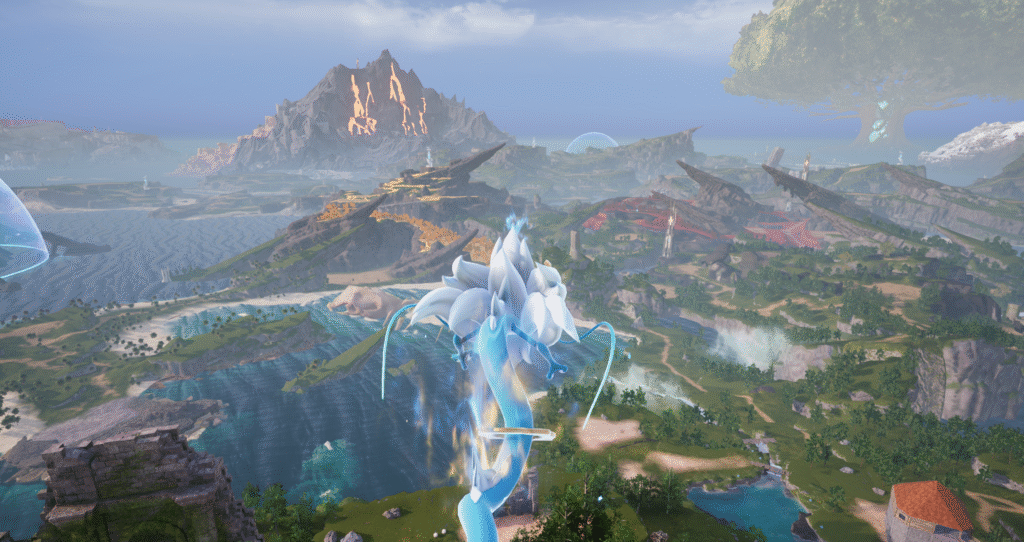
It’s how much more confident the game feels. Back in Early Access, there were moments where Palworld still felt like a collection of really good ideas waiting to be connected. Now those ideas finally fit together. The new content doesn’t feel bolted onto the side of the game. It feels like it was always meant to be there. Everything from progression to exploration flows much more naturally, and the world itself feels richer thanks to the expanded regions, improved visuals, and a stronger sense of purpose behind your journey. After only a few hours, I stopped thinking about what had changed. I simply got caught up in exploring again. And that’s probably the best compliment I can give Palworld’s full release.
Your Base Slowly Stops Feeling Like a Base
It starts with a campfire. Then a workbench. A couple of storage boxes. Before you know it, you’ve built a place that barely resembles the tiny camp where you first spawned. That’s one of my favorite things about Palworld. Your base doesn’t suddenly become impressive because you unlocked one expensive building. It grows naturally. Every new crafting station, farm, conveyor, and Pal assigned to a job makes it feel a little busier than it did the day before. And somehow, just standing there watching everything work is strangely satisfying. One Pal is watering crops. Another is carrying logs across the camp. Someone else is making ammunition while another cooks dinner. You don’t have to imagine your settlement is alive. You can actually watch it happen. Version 1.0 makes this even better. Base management has been cleaned up with smarter Pal behavior, more building options, and quality-of-life improvements that cut down on the small frustrations Early Access players had to live with. Building isn’t just about making something bigger anymore. It’s about making something that actually works.
Exploration Is Still the Reason I Lose Track of Time
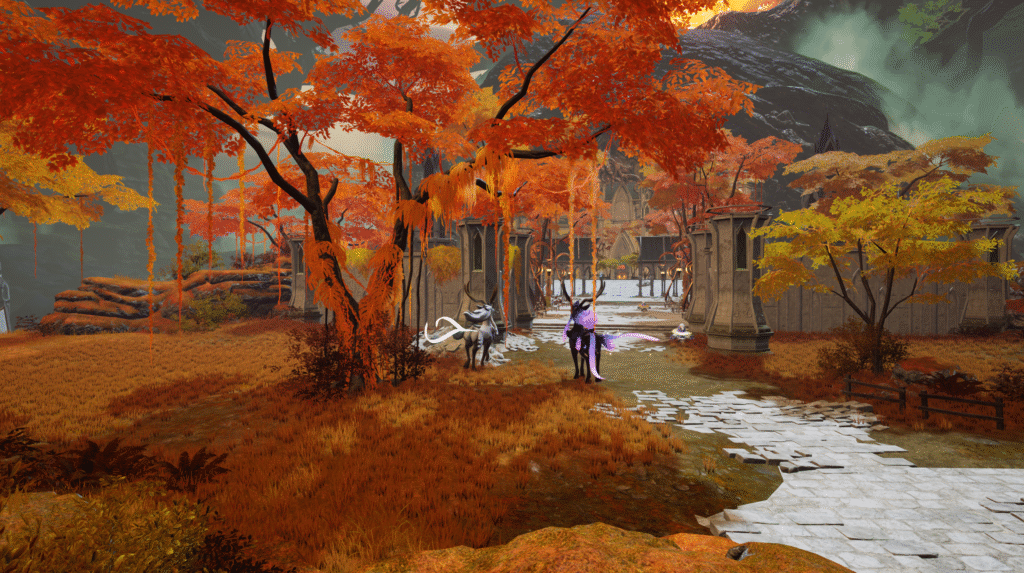
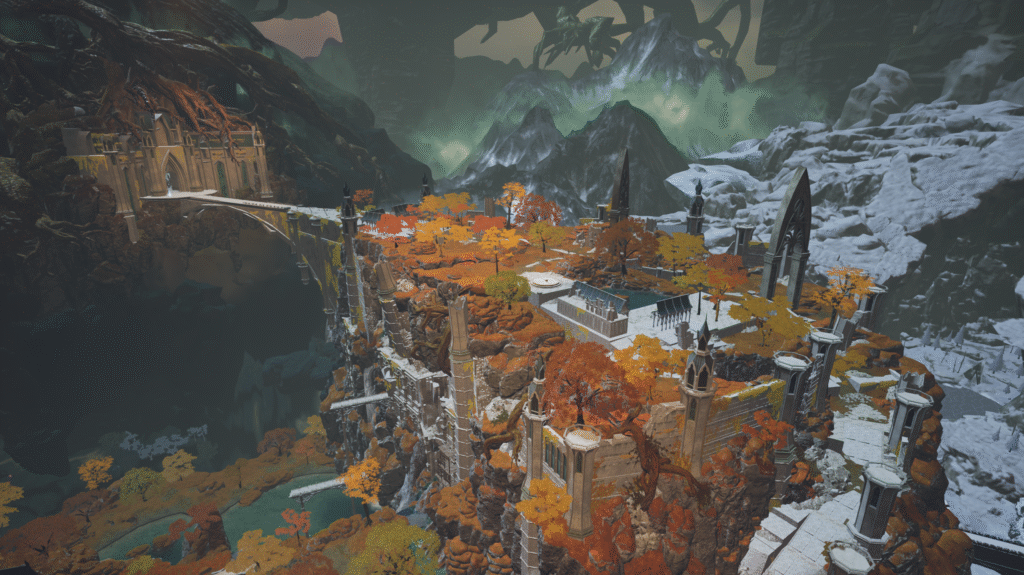
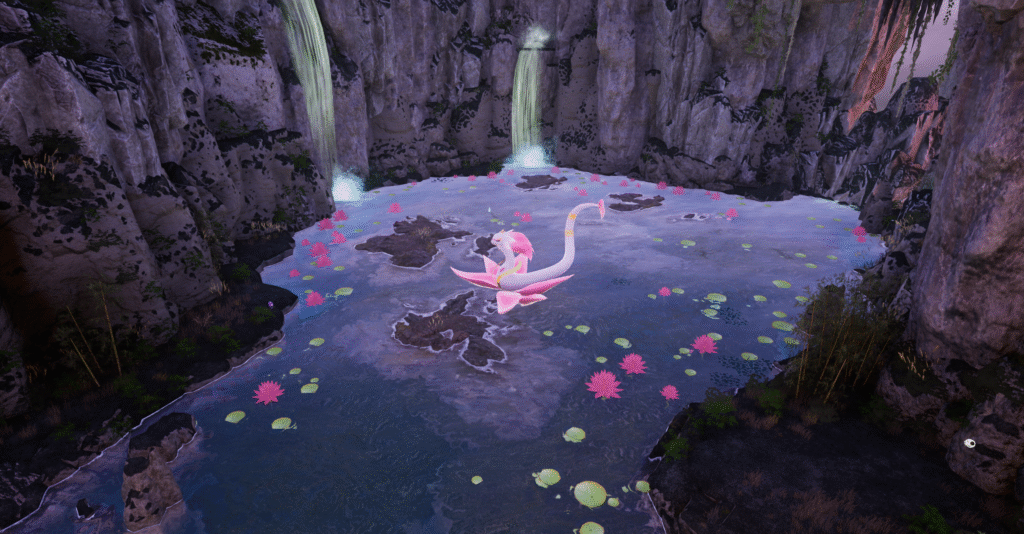
Every survival game promises exploration. Very few actually reward curiosity. Palworld is one of the exceptions. I’d head out because I needed one resource. Three hours later, I’d completely forgotten what that resource even was. Instead, I’d found a cave I hadn’t seen before, stumbled into a new settlement, fought a boss that was far stronger than I expected, and somehow filled my inventory with materials I wasn’t planning to collect. That’s always been Palworld’s biggest strength. The world constantly gives you reasons to wander. Version 1.0 expands that feeling in a big way with the addition of Sunreach, a floating region high above Palpagos that looks completely different from anything that came before it. New wildlife, unique resources, fresh tower encounters, and entirely different scenery make it feel less like another biome and more like discovering a second world hiding above the first. Then there’s the mysterious World Tree. I won’t spoil anything because discovering it yourself is part of the experience, but I will say this… For the first time, it feels like exploration is leading somewhere meaningful instead of simply unlocking better equipment. That extra sense of purpose gives the adventure a momentum the Early Access version didn’t always have.
Combat Finally Feels More Complete
Combat has always been fun. Now it feels far more polished. The biggest difference isn’t that enemies suddenly became harder. It’s that your choices matter more. Pocketpair has rebalanced Partner Skills across hundreds of Pals, added new weapons, expanded movement options, and refined combat so fights feel faster without becoming chaotic. Dodging, switching between weapons, and coordinating attacks with your Pals flows much more smoothly than it did during the game’s early months. I also like that different Pals genuinely encourage different playstyles. Some are built for aggressive combat. Others shine as support. A few surprised me by becoming permanent members of my team simply because their abilities fit the way I liked playing. That’s something I appreciate. The strongest Pal isn’t automatically the most useful one.
There’s Always Something Else to Chase
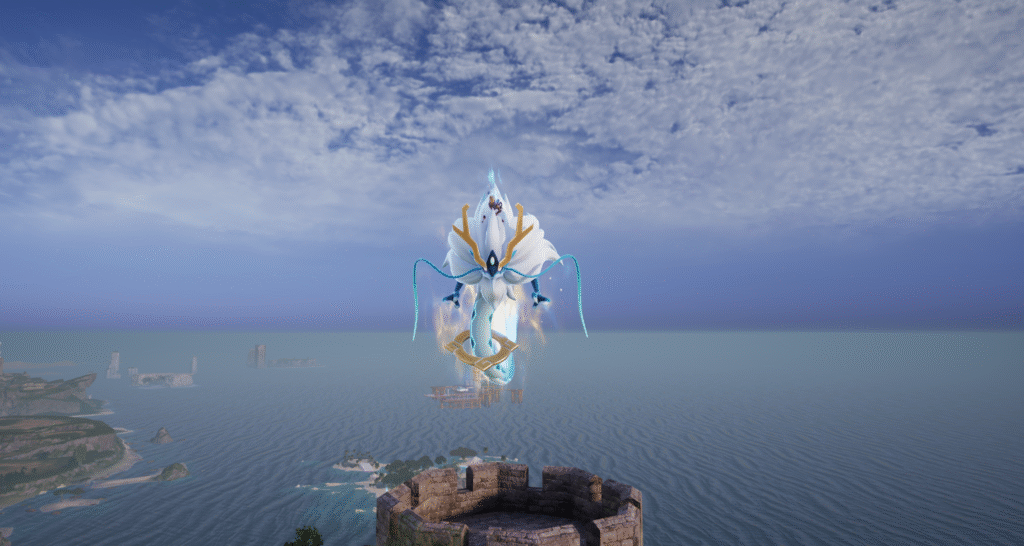
One thing Palworld understands better than a lot of survival games is pacing. It rarely leaves you wondering what to do next. Not because the game constantly tells you… Because you keep finding your own objectives. Maybe you’re searching for a rare Pal. Maybe you’re collecting materials for a better weapon. Maybe you’re breeding for stronger traits. Version 1.0 expands that loop with the new Awakening and Mutation systems, giving long-term players another reason to invest in their favorite companions instead of constantly replacing them with stronger ones. Awakening lets you unlock hidden potential using special materials, while Mutation introduces a chance for offspring to inherit superior stats and unique passive abilities through breeding. I didn’t feel pressured to use these systems immediately. Instead, they felt like natural goals that slowly became more important as my adventure continued. That’s good progression. It adds depth without overwhelming newer players.
Better With Friends, But Still Great Alone
I’ve always thought Palworld works surprisingly well as a solo experience. You can move at your own pace, build exactly what you want, and spend hours exploring without feeling rushed. That hasn’t changed. What has changed is how much smoother multiplayer feels. Whether you’re building a shared base, hunting rare Pals together, or taking on difficult encounters, the improvements made throughout Early Access make cooperative play much more reliable than it used to be. Guild systems, server features, and multiplayer stability have all seen meaningful upgrades, making it easier to stick with a world for the long haul. That said… I still found myself enjoying the quiet moments the most. Standing on top of a mountain at sunset. Watching my Pals work while I sorted my inventory. Heading into an unexplored area without any real plan. Those little moments are what stayed with me long after I logged off. And that’s why Palworld never feels like it’s only about catching creatures or crafting better gear. It’s about creating stories that happen naturally while you’re playing.
It’s Better… But It’s Still Not Perfect
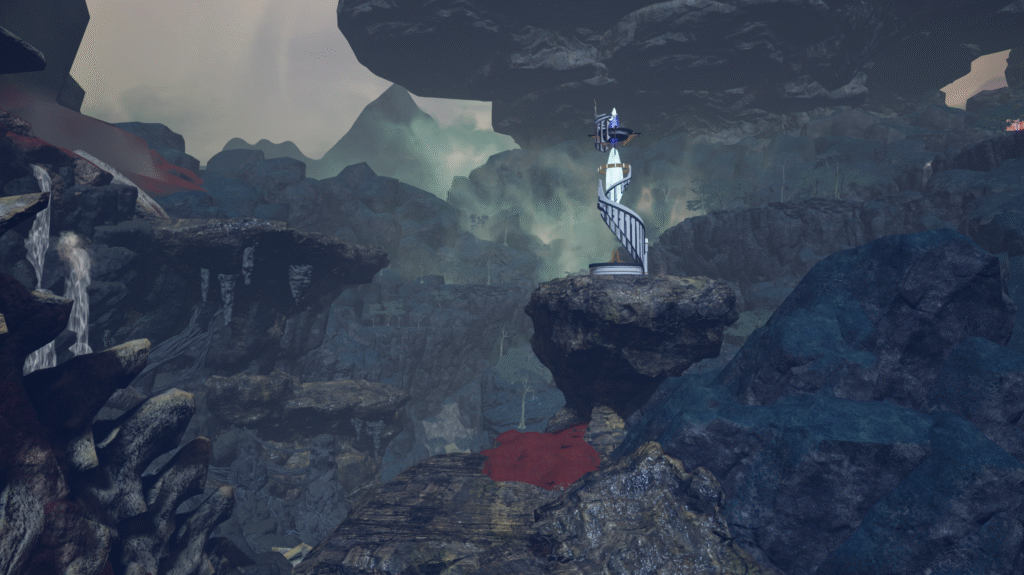
As much as I enjoyed returning to Palworld, version 1.0 doesn’t magically solve every problem. The biggest one is that progression can still become a little grindy once you’re chasing high-end equipment or trying to breed the “perfect” Pal. If you’re someone who loves min-maxing, you’ll probably enjoy that process. If not, there may be moments where it feels like you’re repeating the same activities a little too often. The AI is also much better than it was during Early Access, but it isn’t flawless. Every now and then, I’d notice a Pal getting stuck on terrain or deciding that standing still was apparently more important than carrying the stack of wood I desperately needed. They’re small issues. Most of the time, they were fixed quickly, and they never reached the point where I wanted to stop playing. Another thing worth mentioning is that Palworld still asks you to invest time. This isn’t the kind of game you play for an hour and feel like you’ve seen everything. Its best moments come from slowly building a world that feels like your own. For me, that’s a positive. But it’s worth knowing before you jump in.
Looking Back at Early Access
I think the biggest compliment I can give Palworld is that it never felt like Pocketpair abandoned it after the initial success. When the game exploded in popularity, it would’ve been easy to move on after a few updates. Instead, the developers kept adding features, listening to feedback, reworking mechanics, and expanding the world. Version 1.0 doesn’t feel like a rushed finish line. It feels like the result of two years of constant improvement. That’s becoming increasingly rare. Too many Early Access games either stay unfinished forever or quietly disappear once the excitement fades. Palworld did the opposite. It kept getting better.
Real Talk
When Palworld first arrived in Early Access, it was easy to dismiss it as the game everyone was talking about for one month. A lot of people did. Looking back now, that reaction feels unfair. After spending time with version 1.0, it’s clear this game was never carried by memes alone. The creature collecting might grab your attention at first, but it’s the survival systems, exploration, base building, and freedom that keep you playing. There were plenty of nights where I logged in with one simple goal. Upgrade a weapon. Catch one Pal. Gather a few resources. Then I’d notice something interesting in the distance, wander off to investigate, and suddenly realize I’d been playing for another three hours. That’s the kind of experience Palworld creates. It constantly rewards curiosity.
The full release doesn’t reinvent what made the game popular. It refines it. Everything feels more confident now. The world is larger, progression is more satisfying, your base feels alive, and there’s finally a stronger sense that your adventure is building toward something. Whether you played hundreds of hours during Early Access or you’re thinking about trying Palworld for the first time, version 1.0 is easily the best way to experience it. Some games peak the moment they go viral. Palworld waited until the spotlight faded… Then quietly became a much better game.
FINAL SCORE: 87/100
The Good
- Creature collecting is still incredibly addictive.
- Base building feels deeper, smoother, and far more rewarding than it did in Early Access.
- The new Sunreach region gives exploration a fresh sense of discovery.
- Nearly 300 Pals means there's always something new to find and experiment with.
- Excellent post-launch support has turned a promising Early Access game into a genuinely complete experience.
The Bad
- Late-game progression can become repetitive.
- Breeding and optimization require a significant time investment.
- Occasional AI pathfinding hiccups still happen.
- Some resource gathering can feel grindy during longer sessions.