


The August 27–30 edition of FAN EXPO Canada took over Toronto’s Metro Toronto Convention Centre for four days. I attended as accredited press for Gameffine, exploring Thursday and Friday solo before returning with my family on Sunday. That let me approach its panels, stories and interactive branded experiences—what the events industry calls activations—first as press and then as a parent. On my own, I could chase the next interesting thing without negotiation; with the family in tow, every detour became a small committee decision.
My verdict? FAN EXPO Canada 2026 felt closer to its pre-COVID stride than any recent edition I have attended. Experiences and family fun were back at the centre of the weekend, rather than the convention feeling like rows of booths with celebrities attached. Yet that renewed energy also exposed familiar problems. Dense corridors, guest and schedule changes, long queues and questionable shopping value kept a very good show from becoming a great one.
Here are the five things I loved—and the five things that still need fixing.
The 5 Good Things
1. Cosplay Was the Beating Heart of the Show
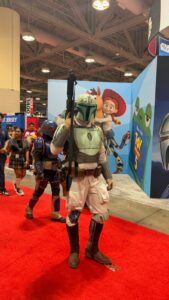
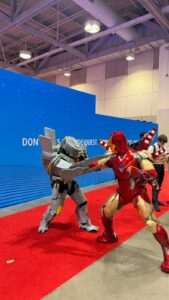
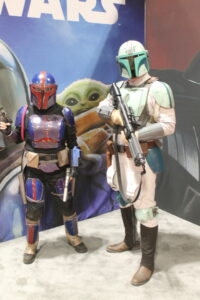
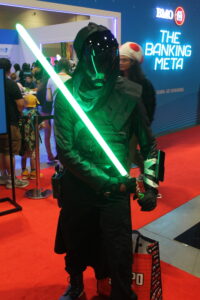
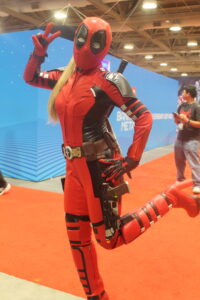
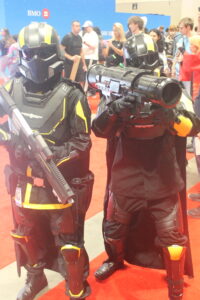
The cosplay game was on fire. That is hardly unusual for FAN EXPO, but this year’s attendees seemed to raise both the creativity and craftsmanship another notch. Everywhere I turned, there was another costume worth stopping for, from elaborate builds designed for the camera to clever creations powered by pure enthusiasm.
X-Men cosplay felt especially prominent to me. It was not an official theme, but the characters appeared across comic, animated and cinematic designs, while the convention’s X-Men panels and the popularity of X-Men ’97 gave that enthusiasm a fitting backdrop.
That energy also comes through in this celebration of the weekend’s costumes and characters. More importantly, the cosplayers gave FAN EXPO a personality no corporate booth could manufacture. They were not decoration around the event; they were its pulse—and often the reason a routine walk to the next panel turned into a spontaneous photo stop.
2. The Show Floor Offered More Than Shopping
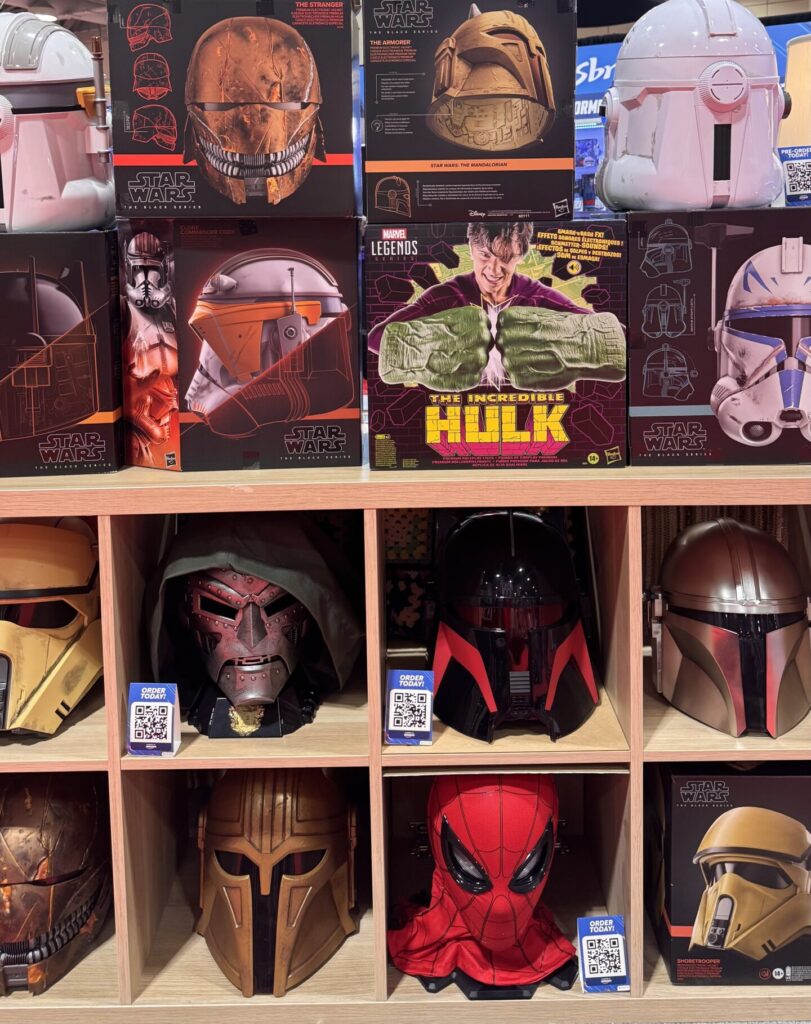
The biggest improvement was the number of interactive experiences. At PlayStation’s Marvel’s Wolverine area, I saw the game-inspired photo setup. Before the show, 4ScarrsGaming had also previewed an interactive claw-screen challenge built around Wolverine’s most persuasive problem-solving tools.
Elsewhere, I encountered photo areas themed around Godzilla Minus Zero, The Hunger Games: Sunrise on the Reaping, Spider-Man and Frozen. Rather than offering only a logo wall, these spaces used themed scenery and props to let fans briefly step into the world, find a pose and leave with something more personal than another picture of a booth. The Disney photo experience leaned into that idea with staged, prop-filled setups, while a Pokémon capturing-themed activity turned another familiar fandom ritual into something visitors could play through on the floor.
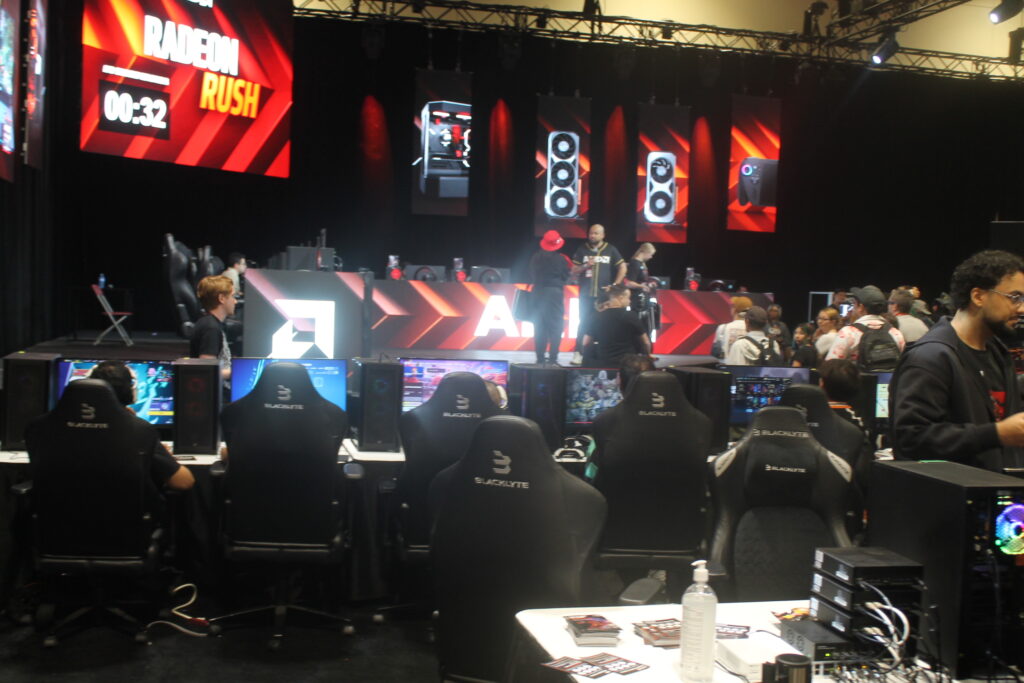
Before the event, LEGO advertised a three-world booth bringing Pokémon, Spider-Man and Star Wars together. Its announced activities included life-sized brick models and photo spots, a scavenger hunt, a station where fans could invent a superhero identity and capture a comic-book-style portrait, and a Make & Take bar for building something by hand. On paper, that mixture was the secret sauce: one person could admire the models, another could chase the hunt, and a child could sit down and create.
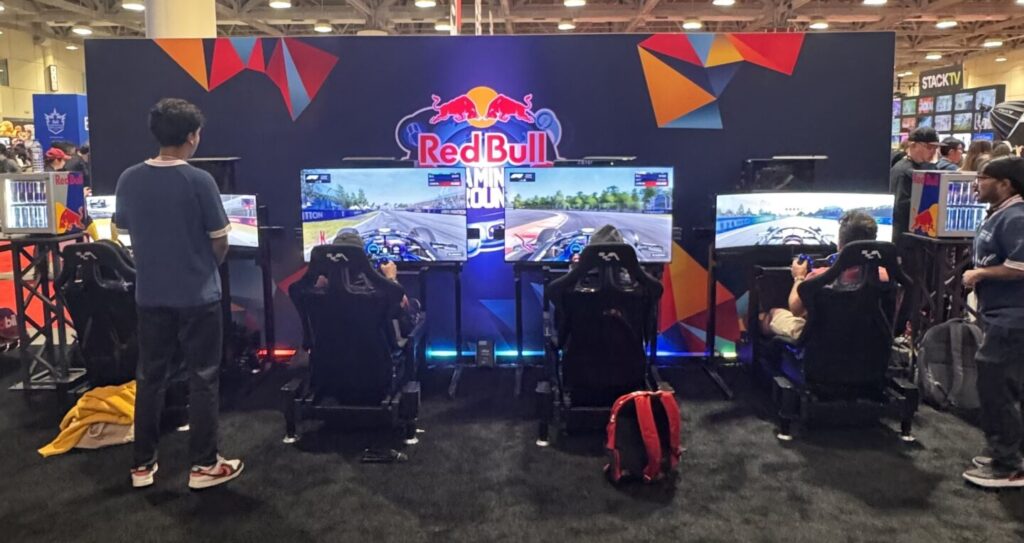
My personal highlight was the Red Bull-branded F1 simulator. The proposition was irresistible: climb into the racing rig, put down a timed run and see where it landed against everybody else brave enough to try. I was fifth on the leaderboard when I stepped away, and I am choosing to preserve that tiny piece of motorsport glory without asking how many quicker drivers arrived later. That small victory captures why these installations mattered. Wandering the convention rewarded curiosity even without a shopping list; the floor became a chain of discoveries instead of merely a place to spend money.
3. The Guest List Felt Worthy of a Major Convention
“Star-studded” gets used too casually, but FAN EXPO Canada 2026 earned it. John Cena was a headline attraction, Alan Ritchson—star of Reacher—was another major draw, and Mark Hamill brought genuine genre royalty to Toronto.
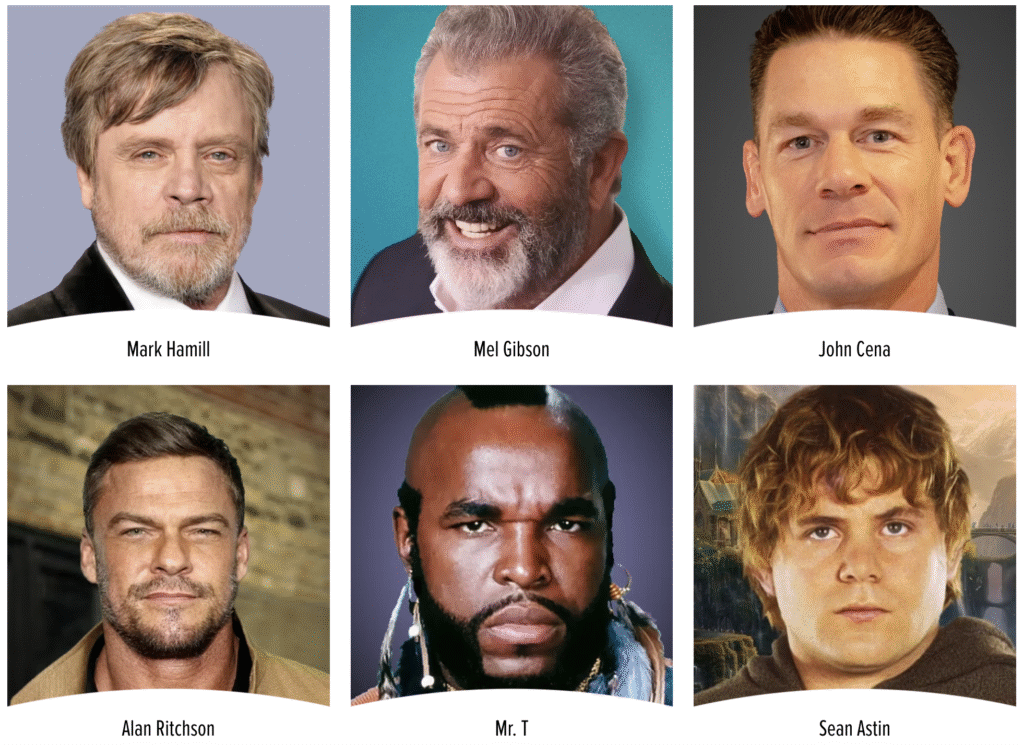
Then there was the remarkable Lord of the Rings reunion. It was not the trilogy’s entire main cast, but the four actors who played the Hobbits—Elijah Wood, Sean Astin, Dominic Monaghan and Billy Boyd—were joined by John Rhys-Davies and David Wenham. For fans who grew up making an annual pilgrimage to Middle-earth, that is perilously close to assembling a Fellowship in downtown Toronto.
Celebrity bookings are not the only measure of a convention, but this roster gave the weekend real scale and drew casual movie and television fans alongside committed collectors.
4. The Best Panels Offered Substance and Nostalgia
I sat in on two panels, and each worked for a different reason. Thursday’s behind-the-scenes look at X-Men: The Animated Series brought together talent connected to the original show, including Cal Dodd, George Buza, Chris Potter and Cedric Smith, alongside producer and director Larry Houston.
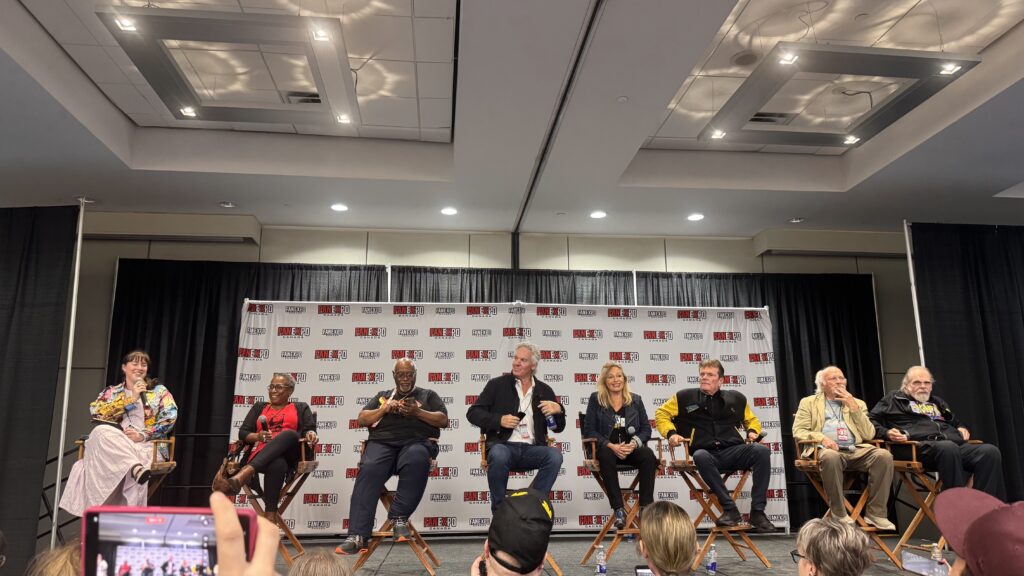
Listening to those voices and stories in person was a trip straight down nostalgia lane. With X-Men ’97 drawing new attention to that animated universe, the conversation also felt current rather than trapped in the past.
On Sunday, I attended a Clair Obscur: Expedition 33 conversation with Ben Starr and Jennifer English, the voices of Verso and Maelle. It was quieter but equally absorbing. I was happy simply to hear the people behind the game appreciate the bond fans have formed with its world and characters. Readers unfamiliar with that enthusiasm can find the context in our Clair Obscur: Expedition 33 review.
5. Sunday Gave Families Their Own Reasons to Attend
Taking my family on Sunday changed my priorities immediately. I was no longer measuring the show by how quickly I could jump between panels and stories; I was asking whether the kids had meaningful things of their own to do.
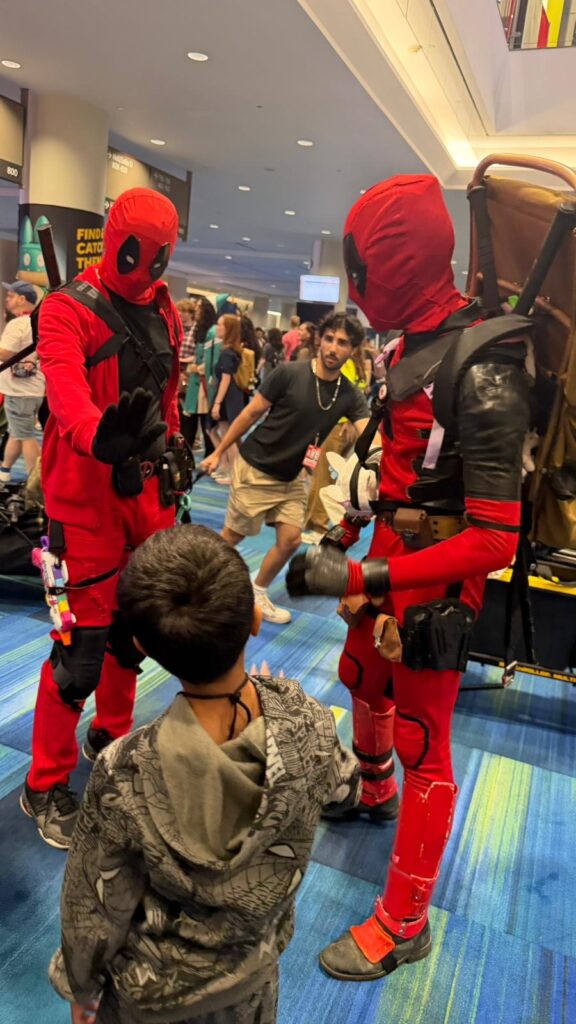
On that front, FAN EXPO impressed me. The published Kids’ Zone schedule mixed Beyblade, Transformers, Marvel and Star Wars with slime-making, a Sorting Hat ceremony, a princess party and a Kids’ Cosplay Red Carpet. These were not just smaller versions of adult attractions: the schedule was designed to give children places to make something, join a themed activity or show off a costume. It meant our family had child-focused stops to build the day around, rather than asking the kids to trail behind an adult itinerary until somebody melted down—and I do not necessarily mean one of the children.
Not every activity will suit every age, and bringing children introduced logistical challenges. Still, younger visitors felt like participants rather than passengers. This was one of the most family-friendly editions I can remember attending.
The convention’s ambition, however, also exposed its biggest weaknesses.
The 5 Bad Things
1. Artist Alley Was Too Crowded to Browse Properly
The problem inside Artist Alley was not simply that it took time to move. The density worked against the area’s entire purpose: stopping to study original work, speaking with creators and deciding what to buy. At its worst, it felt like a Star Wars bazaar without enough room to stop at a stall. With children beside me, browsing became even harder.
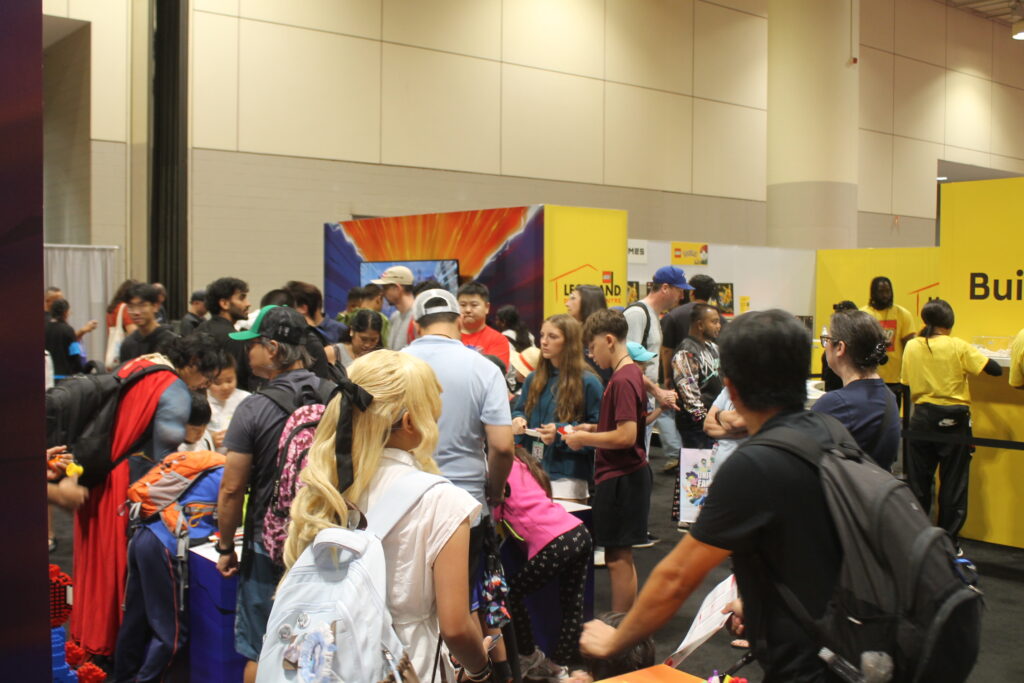
I was far from alone in finding the space uncomfortably dense. Attendee complaints about Artist Alley described shoulder-to-shoulder conditions, difficult circulation and accessibility concerns.
Crowds are inevitable at a successful convention, but an Artist Alley that pushes visitors onward too quickly serves neither shoppers nor artists. Wider paths, better-managed traffic and more space around the busiest tables would let people discover work, have conversations and make purchases without feeling as though they were blocking everyone behind them.
2. Moving Between Buildings Became Its Own Quest
Artist Alley’s internal density was one problem; reaching the show’s widely separated attractions was another. The official exhibitor guidelines confirm that the show used the MTCC’s North and South Buildings, and travelling among celebrity areas, panel rooms and Artist Alley could consume more time and energy than expected.
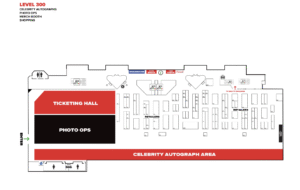
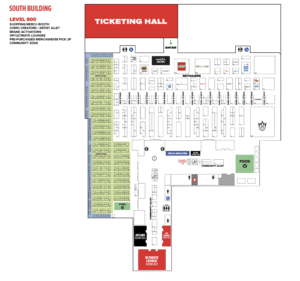
That long trek between the convention’s major zones was a recurring part of the weekend. A trip that was inconvenient while I was solo required more coordination when I returned with family, especially when our interests pulled us toward different parts of the venue.
The schedule should show realistic travel buffers between buildings, while maps and signs should identify the quickest available routes. At a show this large, visitors need to know whether two consecutive events are genuinely compatible before committing to both.
3. Guest and Schedule Changes Disrupted Carefully Made Plans
Celebrity conventions always come with a warning: guest appearances can change or disappear with little notice. Knowing that possibility is printed in the policy does not make it sting less when a carefully constructed schedule suddenly develops a celebrity-shaped hole.
The changes I encountered disrupted plans and caused visible grief around me, especially for visitors who may have built an expensive trip around one appearance. When tickets, travel, accommodation and a limited number of convention hours are involved, a late update can reshape an entire weekend.
Organizers cannot control an actor’s work commitments, health or travel problems. They can control communication. App alerts, prominent information boards and clear instructions for affected autograph or photo purchases should all update together. The faster a change reaches visitors, the better their chance of salvaging the day instead of discovering the problem after crossing the venue.
4. The John Cena-Related Queue Became Impractical
John Cena’s one-day photo opportunity became the weekend’s hottest ticket, drawing a large enough crowd to require its own room. Separately, the John Cena-related queue I joined became impractical for my schedule, so I abandoned it.
I left before I could put a number on the wait; staying would clearly have swallowed too much of my day. At a convention where panels, floor experiences and family obligations compete for every hour, that trade-off became impossible to justify.
A blockbuster guest will always produce a long line. The answer is to give visitors enough information to make an informed choice. Fans needed clearer estimates of how long each line might take, clearly marked places to wait and live updates on whether a line could still accept people. A headline booking loses some of its value when fans cannot judge whether joining the queue means sacrificing the rest of the show.
5. The “Expo Tax” Weakened the Treasure Hunt
Convention shopping once carried the thrill of finding something rare—or scoring a deal unavailable through ordinary retail. This year, too much of the sales floor felt like window-shopping and wish-listing.
Many mass-market products were labelled as collectibles and priced accordingly. Too often, I found items I could buy online for less. That was not true of every booth: there were still discounted books waiting for determined bargain hunters, while independent artists offered work that cannot be reduced to a simple online comparison. But among resellers, the perceived “Expo tax” made impulse purchases difficult to justify.
Vendors have substantial costs to cover, yet the collective effect changes the character of the floor. If visitors assume a mass-market item will be cheaper after they leave, browsing replaces buying. More genuinely exclusive merchandise, creator-focused booths and transparent show specials could restore the once-a-year treasure-hunt feeling without pretending every seller is part of the problem.
Final Verdict
FAN EXPO Canada 2026 was easiest to recommend to fans who came for cosplay, panels and hands-on experiences—and to families prepared to choose a few priorities instead of attempting everything. For me, it felt as though the show had rediscovered its pre-COVID stride, though that remains a personal impression. The biggest task for 2027 is simple to state, if difficult to solve: make the event’s scale easier to move through. Better crowd flow, clearer queue information and realistic travel buffers would let more of the show’s considerable strengths breathe. I left tired and occasionally frustrated, but still hopeful about what comes next.