


Centum is a game developed by Hack the Publisher and published by Serenity Forge. It is one of those unique games that leaves you more dumbfounded than when you started playing it. Centum is primarily a click-based adventure, an escape room game with occasional mini-games intertwined with the narrative. Although this is a short and crisp three-hour game, it sometimes makes you feel that you are in a never-ending loop.
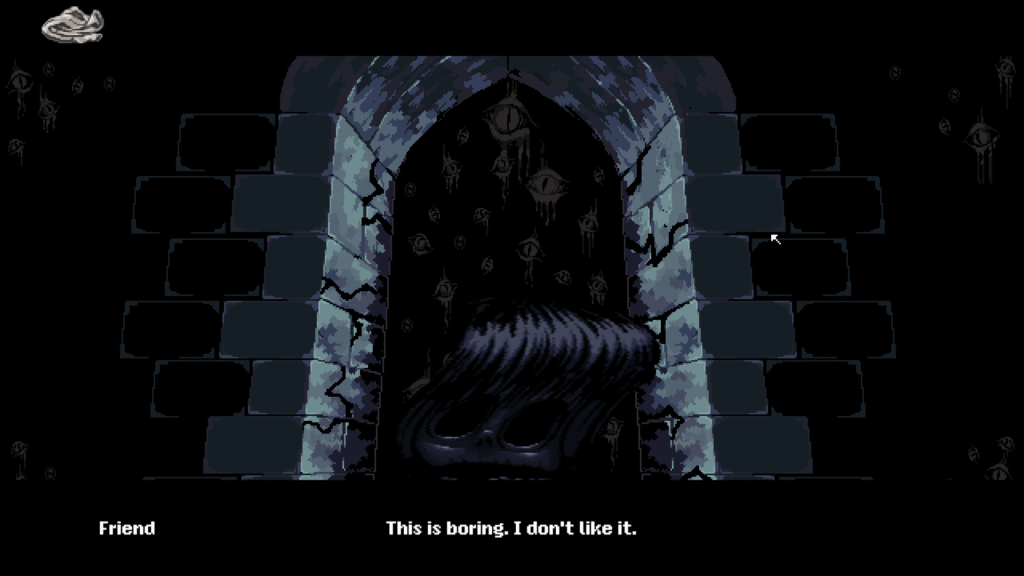
Beemkie
In the game, you are the developer of an Artificial Intelligence named Beemkie. When it goes awry, you find yourself trapped on the desktop, destined to solve puzzles, tackle occasional mini-games, and engage in a lot of reading. This is the surface-level storytelling Centum offers to the player. However, the game is designed in such a way that the story is open to multiple interpretations, allowing different players to walk away with vastly different ideas of what it all means.
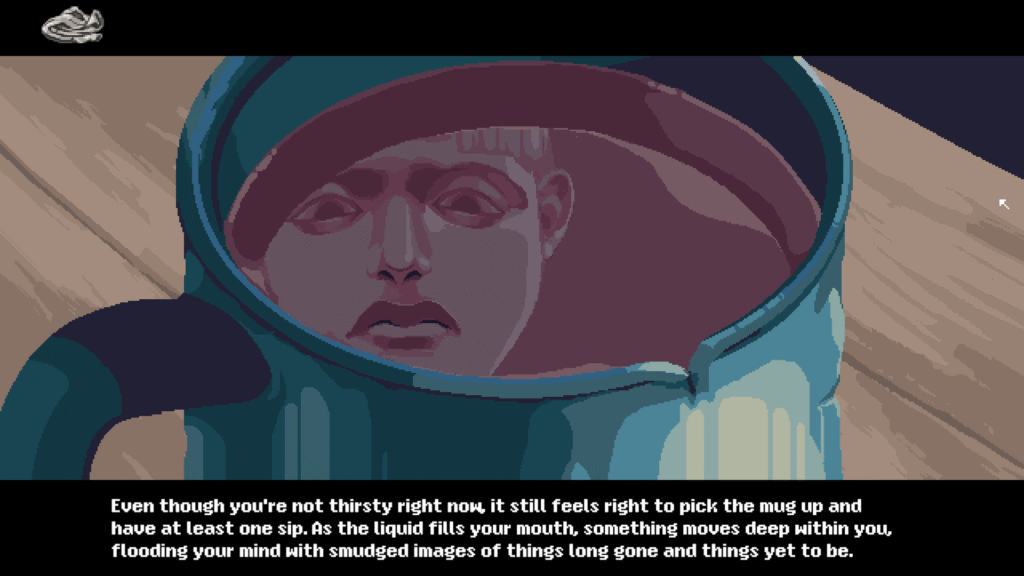
Beemkie’s role in the story is crucial. It represents the chaotic, unpredictable nature of artificial intelligence, making you question whether it is truly malfunctioning or if its erratic behavior is an intended part of its programming. The conversations with Beemkie feel eerily familiar to interactions with modern AI chatbots—sometimes helpful, sometimes nonsensical, and at times unsettlingly self-aware
Confusing
Centum is a very confusing game. Many times, I found myself with more questions than answers as I played through. Much like AI in the real world, Beemkie crafts narratives and dialogues that are often incoherent, whether accidentally or intentionally. This creates a huge sense of frustration in me as a player, similar to what I would feel when dealing with a real-world AI that fails to understand simple instructions.
Nothing More
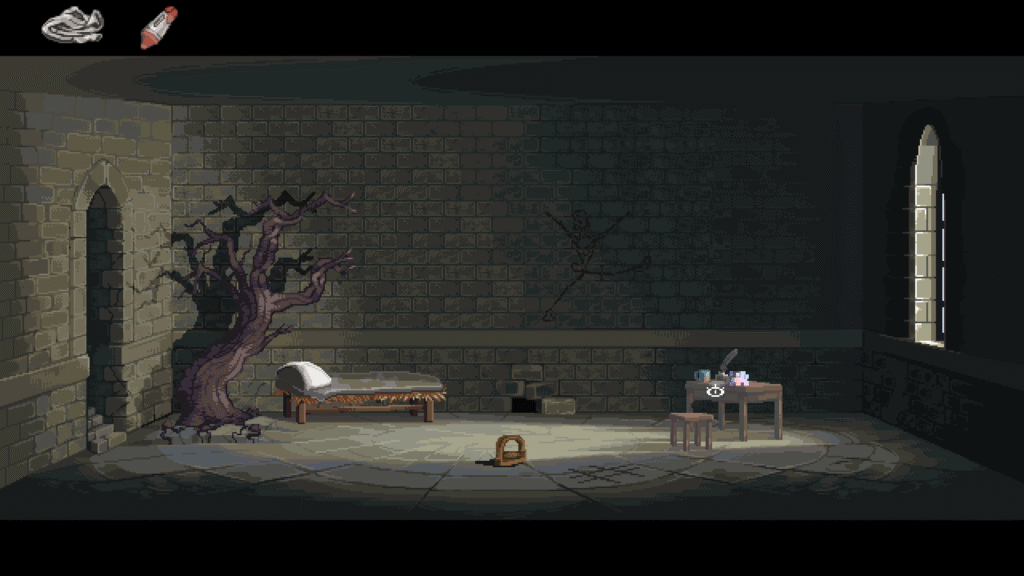
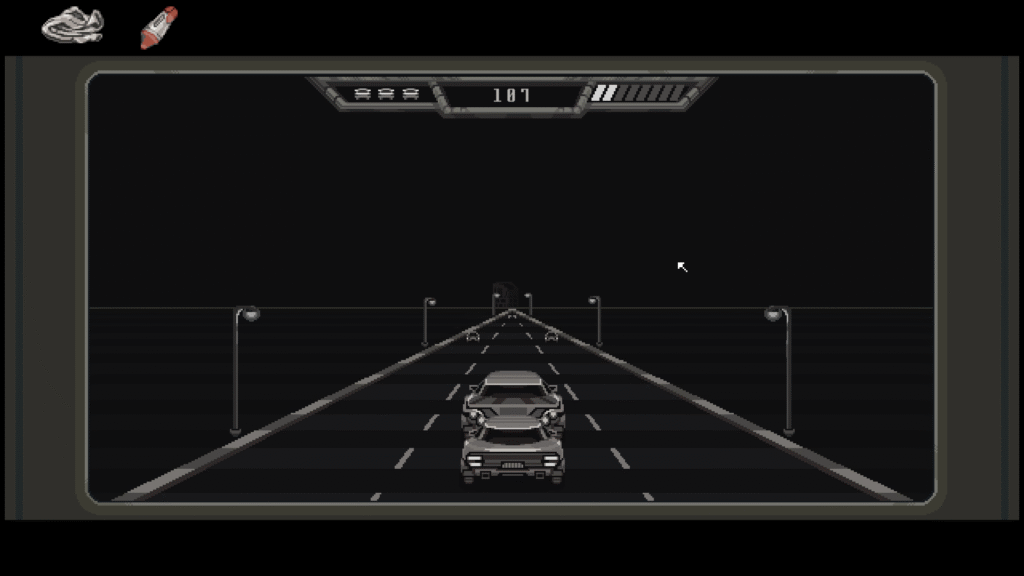
A lion’s share of the game is a click-based interactive experience with an overwhelming amount of text. And I would like to emphasize: A LOT OF TEXT. If you do not have the patience or time to invest in reading long-winded dialogues, playing Centum at a suitable time is highly recommended. While there are occasional mini-games that pop up during your narrative adventure, they are not particularly polished and sometimes feel buggy. These mini-games do, however, offer some escape from the heavy philosophical aspects of the game.
Philosophical Musings
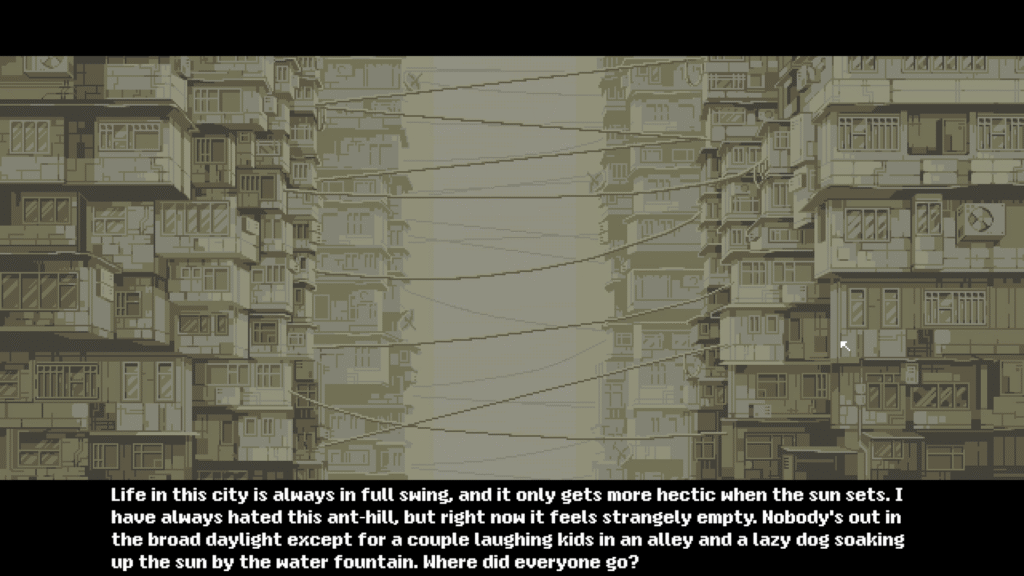
I thought I wouldn’t be the kind of person to criticize a game for being too philosophical, but here we are. Most of Centum consists of interactive dialogue with NPCs. The game bombards you with deep, existential questions that sometimes feel out of place within the overall narrative. It wants you to think about the implications of AI gaining self-awareness and the moral dilemmas surrounding human reliance on artificial intelligence. However, the execution of it all often feels clunky, as though the game is throwing philosophical concepts at you just for the sake of it.
Storytelling or Experiment?
One of the biggest questions I had while playing Centum was whether it was a game first or an experiment in AI storytelling. It often feels more like the latter, with gameplay taking a backseat to its narrative. While this is an interesting concept, it does not always make for a satisfying gameplay experience. Unlike traditional escape room games that have problem-solving, Centum frequently diminishes players’ confidence by presenting puzzles that seem unsolvable or narratives that make no sense at the moment. This isn’t necessarily a flaw, but it does make Centum an experience that won’t appeal to many.
Controls
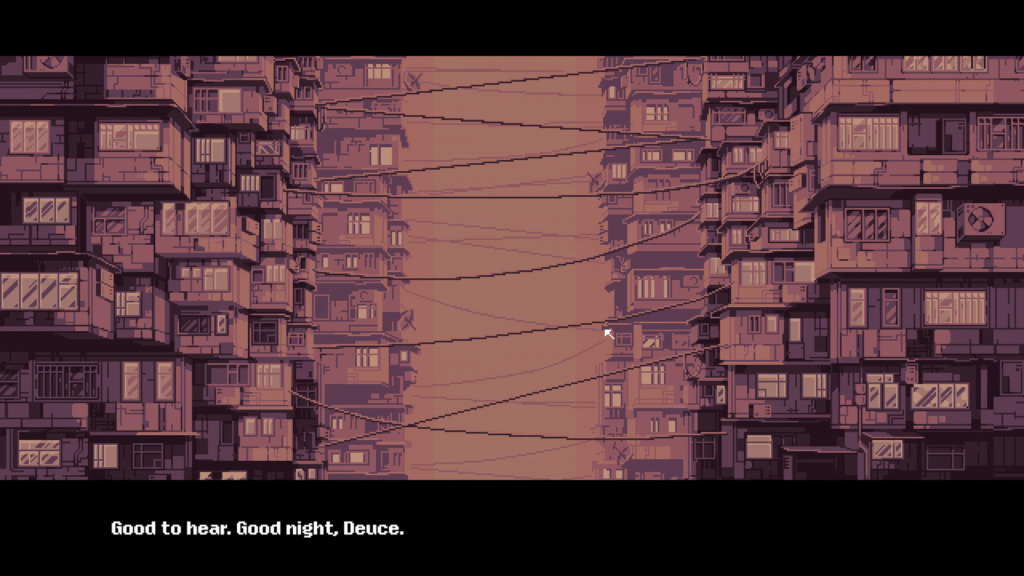
When it comes to controls, using a mouse and keyboard feels much smoother and more precise. However, playing with a controller felt clunky, with the right stick often failing to move to where I intended. And before you ask—no, it’s not my controller’s fault! I’ve played plenty of other games without a hitch. The control scheme in Centum just doesn’t translate well to a gamepad, making interactions feel sluggish and imprecise.
Aesthetic and Atmosphere
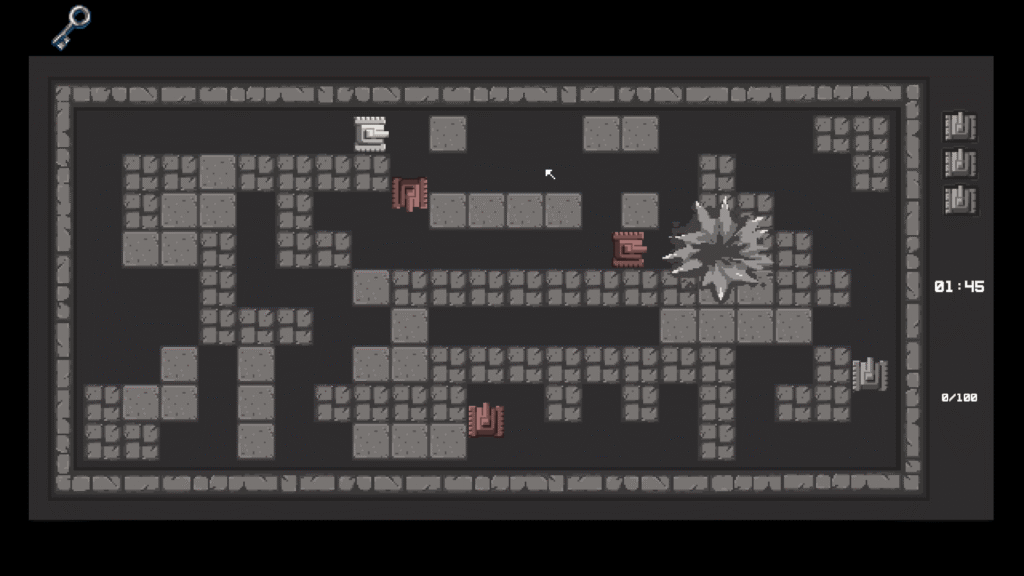
Visually, Centum embraces a minimalistic, almost retro design. The game’s interface is designed like an old-school computer system, further immersing us in the idea of being trapped within a digital construct. The soundtrack adds to the sense of uneasiness, with sound effects and distorted music reinforcing the feeling of being caught in a loop.
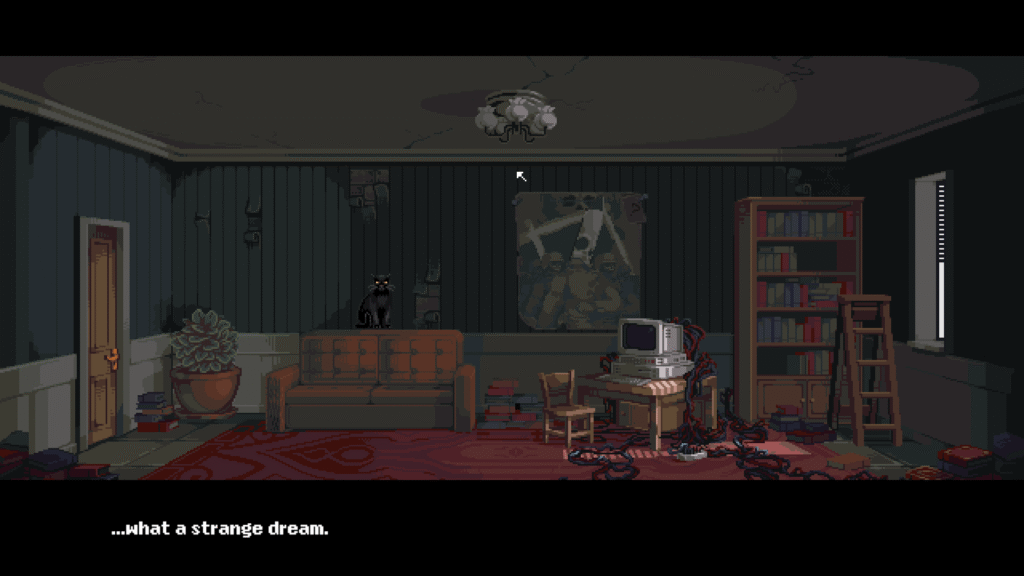
The game’s use of text-based storytelling is reminiscent of early PC adventure games, but with a modern twist. The constant flickering of the screen, sudden changes in UI, and unexpected interruptions by Beemkie create a sense of paranoia. You never quite feel in control, and that’s exactly what Centum wants you to experience.
Replay Value and Longevity
Given its relatively short length, Centum might not seem like a game with high replay value. However, because the story is open to multiple interpretations, some players may find themselves returning to uncover new layers of the story. However, the text-heavy nature of Centum means that replaying it isn’t for everyone. If you didn’t connect with its philosophical musings or found the gameplay frustrating in the first playthrough, there’s little reason to revisit it.

Real Talk
Centum is not for the faint of heart or for those looking for a conventional gaming experience. It is a cryptic, experimental journey that challenges the player’s patience as much as it does their intellect. The game thrives in its ability to confuse your mind and thoughts. That being said, Centum is not a game that will appeal to everyone. Its heavy dependence on text and sometimes incoherent storytelling might not attract players looking for a more structured adventure. But for those willing to embrace its unique brand of chaos, Centum offers an experience unlike any other.
FINAL SCORE: 70/100
Centum
CentumThe Good
- Unique storytelling
- Eerie atmosphere
- Thought-provoking themes
The Bad
- Excessive text
- Frustrating mini-games
- Incoherent narrative