




Audentes fortuna iuvat – fortune favors the bold. These are words that Warhorse Studio’s Kingdom Come: Deliverance lived by when it first came out in 2017 with a bold directional approach to its combat that revolutionized the hack and slash genre. Despite several people finding it too overwhelming, the studio did not compromise on its core experience and refined it to its peak in the critically acclaimed sequel, and their fortunes finally came. MercurySteam’s (Lords of Shadow, Metroid Dread) Blades of Fire takes a similar approach to stand out amongst the sea of soulslike titles with its bold yet risky ideas.
Blades of Fire is an action-adventure game developed by MercurySteam and published by 505 Games. It was officially released on May 22, 2025, and is available on PC via Epic Games Store, PlayStation 5, and Xbox Series X/S.
Hammers That Shaped the World
Blades of Fire tells the story of Aran de Lira, a warrior bestowed with a sacred hammer, one of the seven legendary hammers that shaped the world. This hammer grants him the power to forge any weapon. He sets out on a quest to defeat Queen Nerea, who has cursed steel to turn into stone, rendering conventional weapons ineffective.
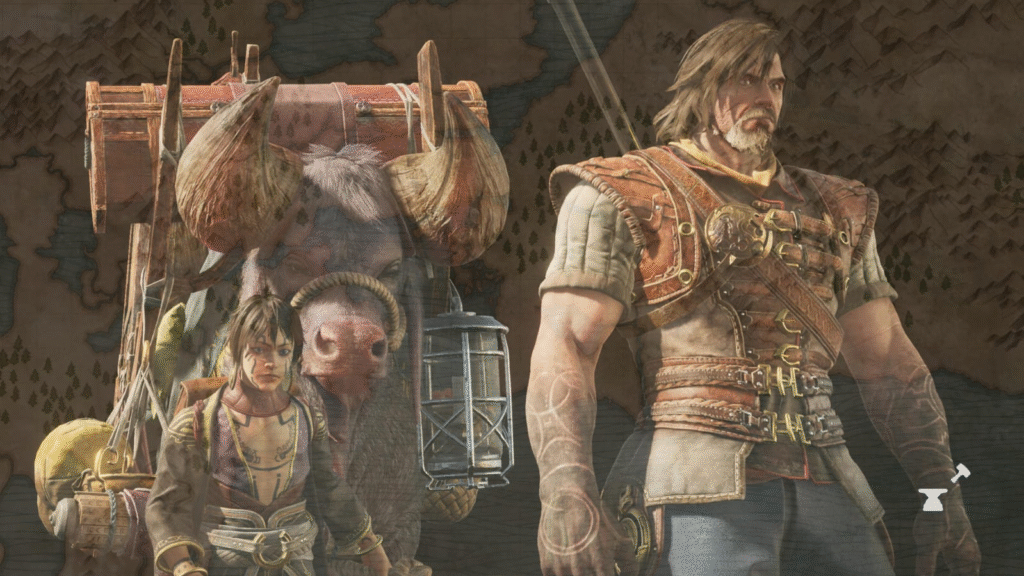
Throughout the journey, Aran is joined by Adso de Zelk, a young scholar who offers combat guidance and assists in solving puzzles. The game takes place in a world shaped by the Forgers, an ancient race that created humanity and imparted the knowledge of steel crafting. However, the ascent of Queen Nerea to power has unleashed a catastrophic curse that imperils the entire kingdom.
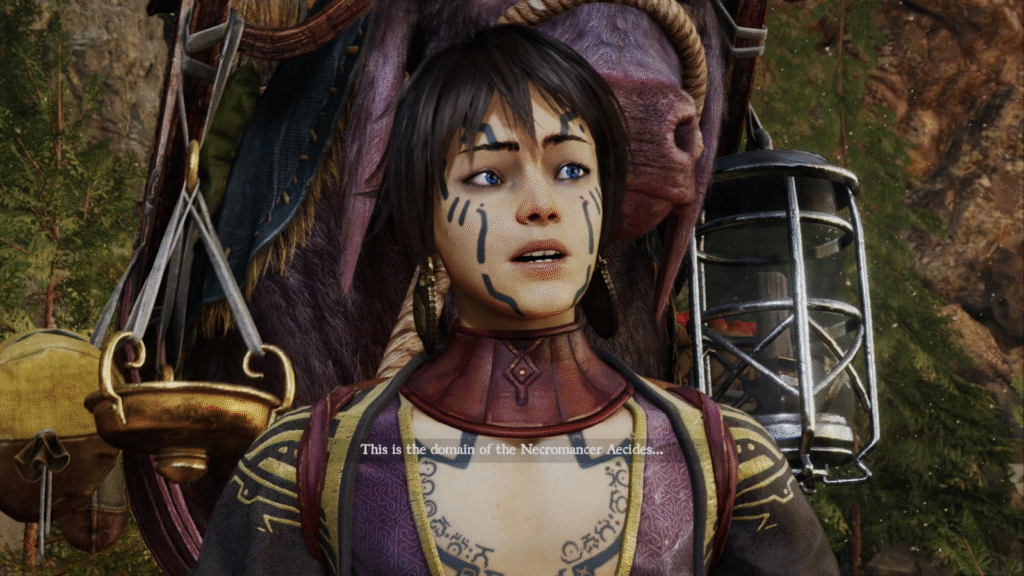
Overall, the game’s story and presentation are not the focus, and it seems quite underwhelming in that regard. The game’s dated visuals and lacklustre writing further marred it, making me easily lose track of it all. Thankfully, the story and cinematic bits are relatively short and can be easily overlooked in the face of its combat and challenges.
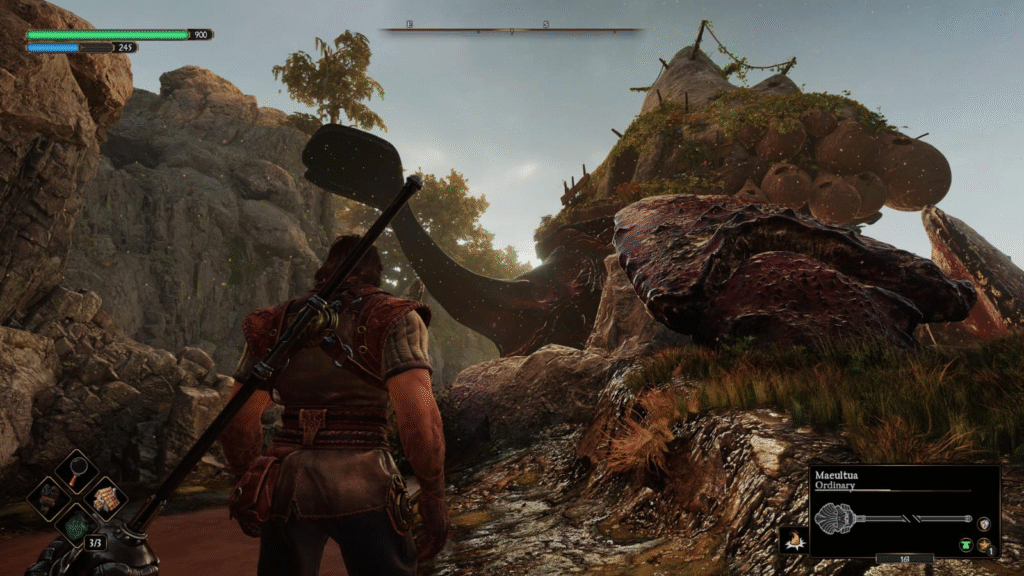
The in-game voice acting is serviceable, but the character models look slightly dated in the game’s Mercury engine. Thankfully, performance-wise wise it holds up well and offers a rock-solid 60 frames per second throughout with sharp, high-res textures. Unlike other console titles, 60 fps is the only mode that this game offers.
A Bold Yet Risky Endeavour
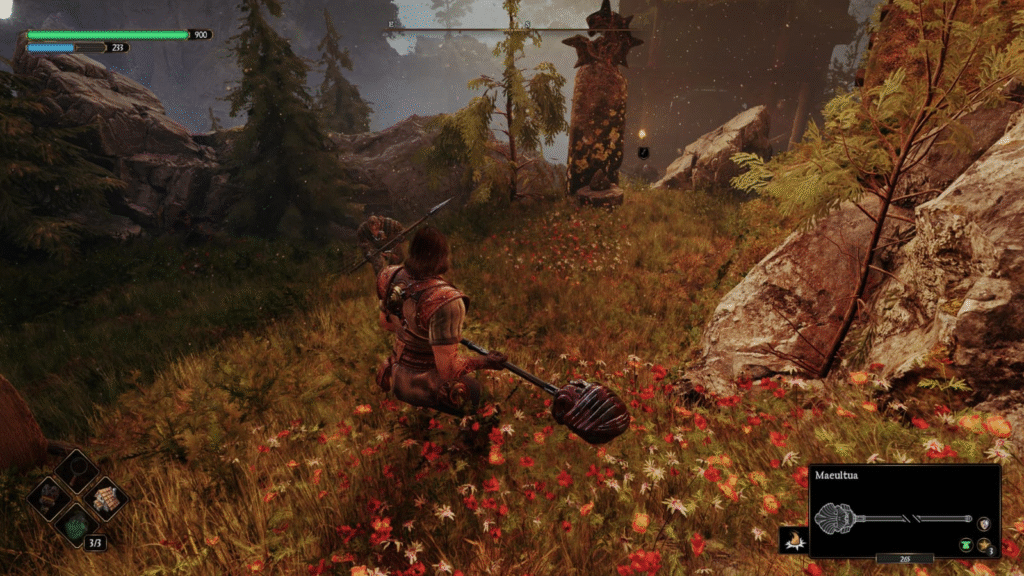
Unlike most third-person hack-and-slash titles that rely on light and heavy melee attacks in combination with various combos and weapon skills, Blades of Fire takes a bold approach similar to KCD’s directional melee combat. Depending on the controller action buttons, Aran can attack his foes on four fronts – upper attack for the head, left and right attacks targeting limbs, and a lower attack that targets the enemy’s torso.
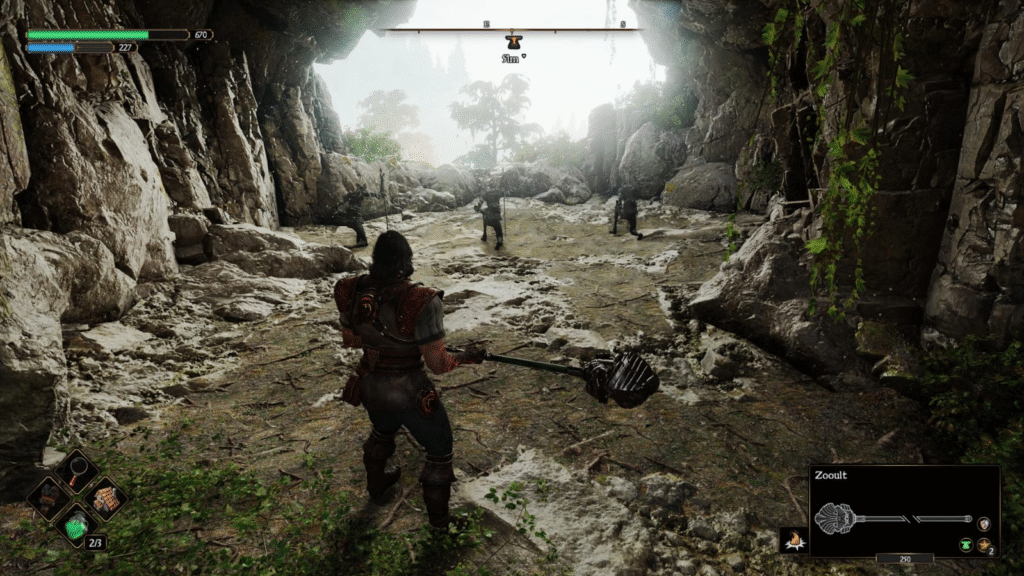
In addition to that, it also involves two types of attack stances that can be switched on the fly – piercing and slashing. Some of the forged weapons, like the Great Sword and Spear, allow both, and some, like the mace-headed polearms, only offer a slashing stance but are effective against a wider range of enemies. The direction of the attacks also matters a lot, similar to walls in Dark Souls. If the player attacks from the direction of a nearby wall, chances are they will end up hitting that wall, which will leave the player vulnerable to the enemy’s attacks.
The game features a diverse array of enemies across different regions of the map, including goblin-like soldiers, heavily armored warmongers, formidable skeletons wielding Greatswords and double knives, and assassins armed with Khukris. Each enemy type demands a specific set of weapons for effective combat. This is emphasized by the game’s lock-on system, which highlights enemy body parts in three distinct colors: red, indicating the current weapon is ineffective; amber, signifying the enemy is vulnerable to only 30-40% of the weapon’s attack power; and green, confirming the weapon can deliver maximum possible damage.
The main focus of combat is maintaining distance from enemies, having the right weapon ready, and striking from an angle that can intercept their attacks. However, it noticeably lacks combos or specific attack sets for the weapons. Most low-level enemies are easily one-shotted, and the dodging and parrying mechanics feel sluggish. Regardless of the weapon equipped, the player’s dodges and rolls resemble the ‘fat roll’ from Dark Souls’ heavy armor build, making lighter weapons like Khukris and Short Swords practically unusable.
Sacrifice Swords, Not Souls
Unlike other soulslike games where you collect souls to enhance your character’s attributes, Blades of Fire takes a completely different approach. Defeating enemies rewards you with materials to forge new weapons, each requiring careful crafting to achieve higher quality. The forging process is a mini-game where you must strike the hammer at the right angle and width to succeed. At first, it’s incredibly frustrating, but over time, you get the hang of it.
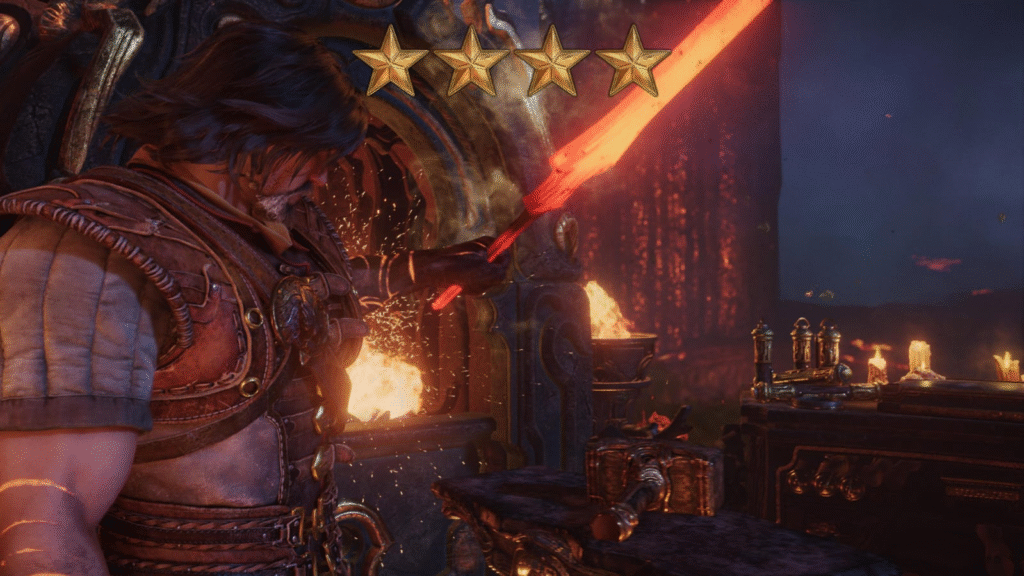
As you defeat more rare enemies, you’ll unlock new weapons to forge, each with a star rating. The number of stars shows how many times the weapon can be repaired. When the weapon’s durability runs out, it needs repairing, consuming one of its stars. If the player dies, they lose the equipped weapon, but it can be retrieved from the spot where they previously died.
To level up health, stamina, and weapon stars, players need to gather gems and scrolls. Collecting four stamina or health gems boosts Aran’s attributes by ten percent, resembling the Nordic chests mechanic in God of War. While this limits health and stamina upgrades to increase the challenge, it also prevents players from diversifying their build with strength, dexterity, or magic.
Real Talk
Despite its flawed presentation and dated visuals, Blades of Fire remains an engaging experience, thanks to bold new ideas of combat, wide-enemy variety, and progression. If you’re tired of the same old hack-and-slash titles, give this one a try.
FINAL SCORE: 80/100
Blades of Fire
Blades of FireThe Good
- Directional Combat System
- Enemy variety
- Wide Weapon Selection
The Bad
- Story and Presentation
- Dated Visuals
- Weapon Forging, Parrying and Dodging