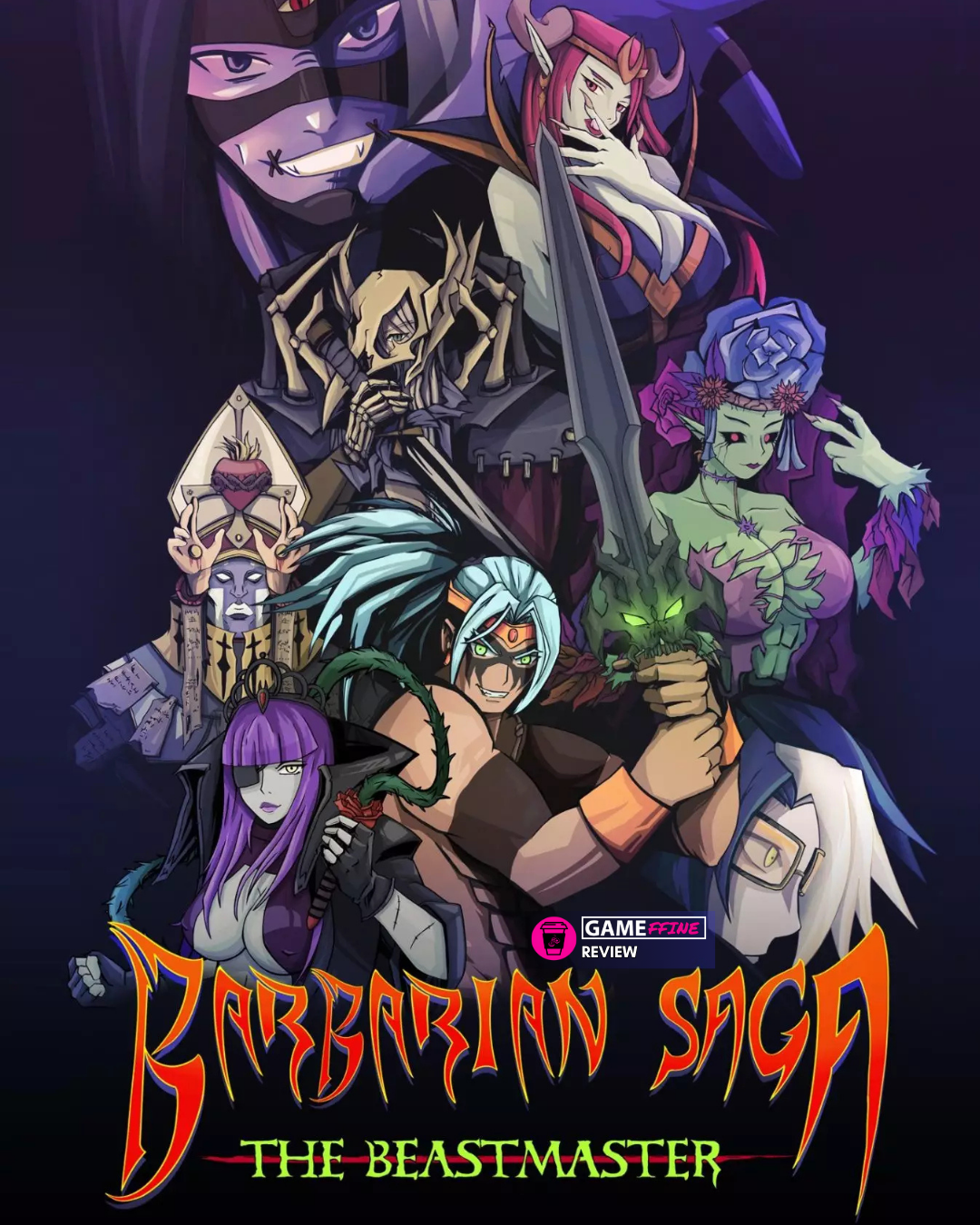



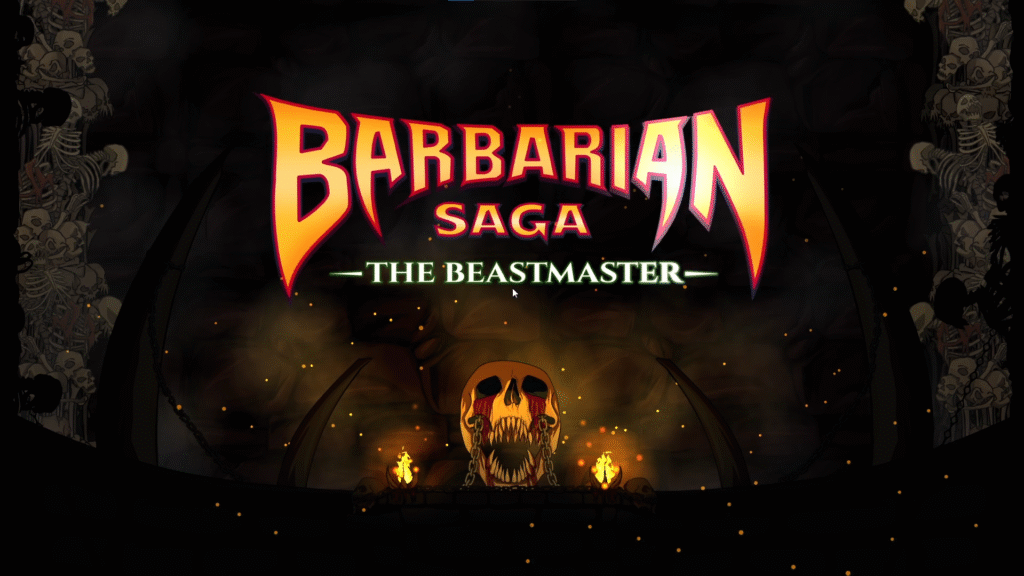
There is something immediately familiar about Barbarian Saga: The Beastmaster. Not because you’ve played this exact game before, but because it feels like it wandered out of an old fantasy magazine, an arcade cabinet, and a Saturday morning cartoon, then somehow found its way into a modern Metroidvania. It’s loud. It’s bloody. It’s occasionally ridiculous. And it clearly doesn’t mind any of that. Developed by Dormidin Studio, Barbarian Saga: The Beastmaster follows the last Beastmaster as he travels across the war-torn land of Arborea. The basic idea is simple enough: humans and non-humans are once again at war, an evil wizard is involved, and you’re the unfortunate person expected to fix everything. But the interesting part isn’t the story. It’s what happens when you start getting your hands on the Beastmaster’s abilities.
Your Sword Is Only Half the Story
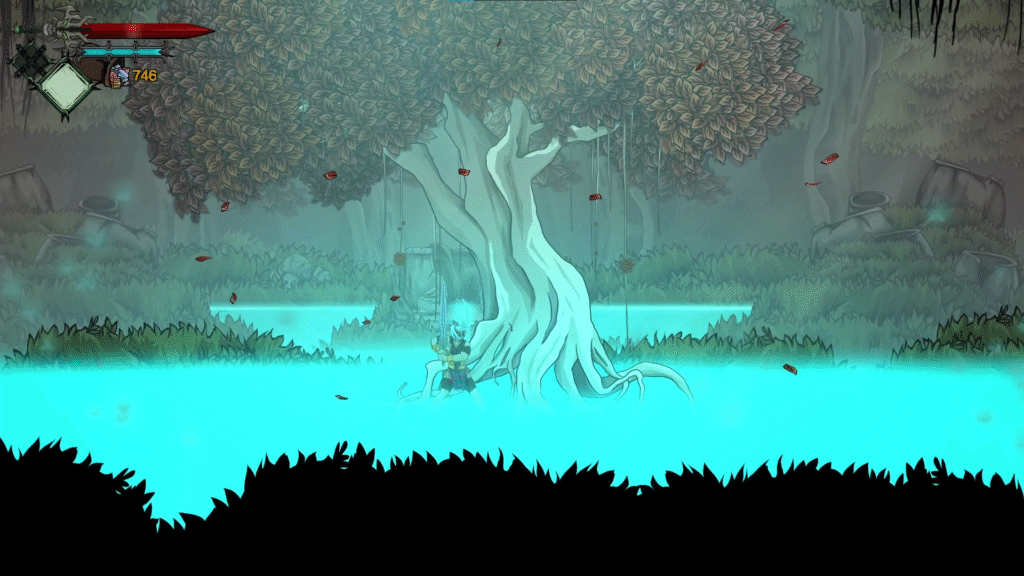
At first, Barbarian Saga looks like a fairly traditional 2D action game. You’ve got a sword. You’ve got enemies. You’ve got platforms. You hit things until they stop moving. Then the Beastmaster system starts opening up, and the game becomes much more interesting. Defeated creatures can give you souls that allow you to transform into different animals. These transformations aren’t simply cosmetic changes or temporary power-ups. They are part of how you explore the world and reach areas that were previously inaccessible. That gives the Metroidvania structure a nice twist. Instead of finding another familiar ability and thinking, “Oh, I can finally double-jump,” you’re wondering what creature you’re going to become next. The idea is simple, but it gives exploration a distinct identity.
The Map Wants You to Get Lost
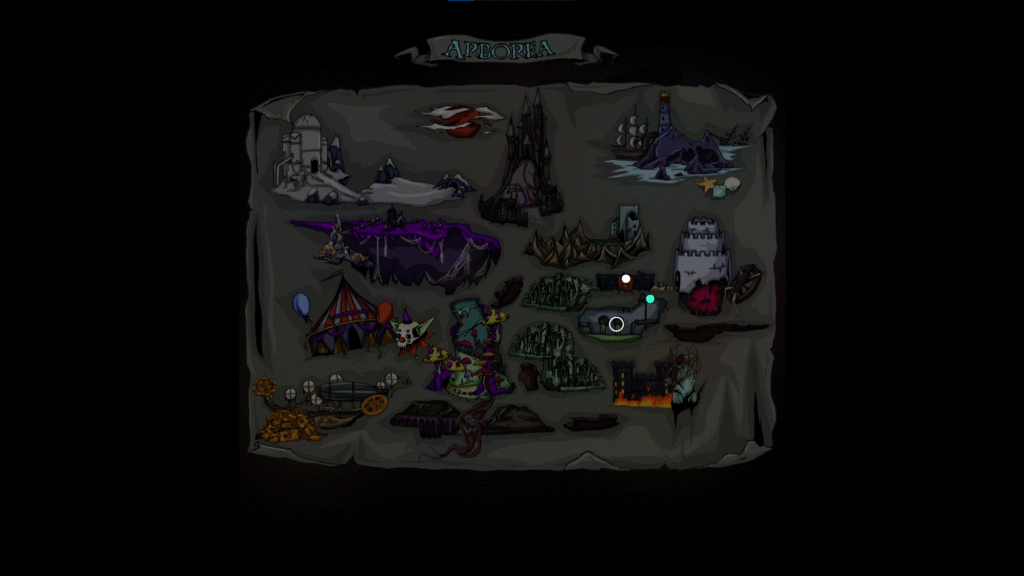
Barbarian Saga uses one interconnected world rather than a collection of completely separate stages. That’s exactly what you’d expect from a Metroidvania, but the game clearly wants you to explore rather than simply follow a straight line from one objective to another. You’ll encounter paths you can’t access yet, areas that look suspiciously important and obstacles that practically scream, “Come back later.” It’s the kind of design that encourages curiosity. The downside is that the game isn’t always particularly good at telling you where you should be going next. Early hands-on impressions have pointed out that the lack of direction can sometimes leave you wandering without a clear objective. For some players, that’s part of the appeal. For others, it may become frustrating. I’m somewhere in the middle. I like being given room to explore, but there are moments when a small nudge in the right direction would’ve saved me from retracing the same ground.
The Ritual Necklace Is a Surprisingly Good Idea
Progression doesn’t stop with transformations. The Beastmaster also has a ritual necklace that can be customized with different beads, fangs, amulets, and plant roots. These can alter things such as attacks, health, and mana, giving you another way to shape your character. I like systems like this when they actually encourage experimentation. Barbarian Saga doesn’t simply ask you to become stronger. It gives you reasons to think about how you want to become stronger. Want more offensive power? Build around it. Need more survivability? Change your setup. Prefer using magic? There are options for that too. It isn’t the deepest character-building system I’ve seen in the genre, but it adds another layer to a game that could otherwise have relied almost entirely on its transformation mechanic.
Suddenly You’re Playing a Fighting Game
One of the stranger ideas here is the Arena system. Certain battles switch things up with a closer camera and energy bars that look more like something you’d see in a traditional fighting game than a Metroidvania. It’s an odd transition. And I mean that as a compliment. After spending time exploring the world, jumping between platforms and fighting enemies in the usual side-scrolling view, suddenly being dropped into a more focused duel changes the rhythm completely. These arenas also offer unique rewards and opportunities to improve your abilities, so they aren’t simply there as a visual gimmick. They give combat its own little change of pace.
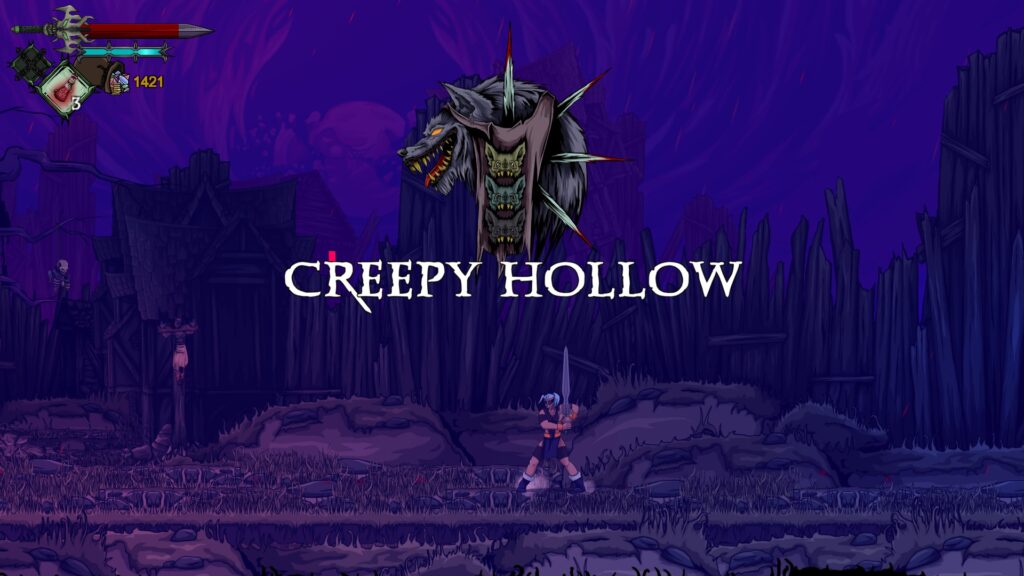
It Looks Like a Comic Book That Got Angry
The visual style is probably the easiest thing to like about Barbarian Saga. The hand-drawn 2D presentation has a rough, old-school charm that fits the game’s fantasy setting perfectly. It doesn’t look like a modern game trying to imitate realism. It looks deliberately illustrated. There are plenty of exaggerated characters, monsters, and environments, and the whole thing carries the energy of classic sword-and-sorcery artwork. The game’s influences are not exactly subtle, either. The developers are clearly drawing from the fantasy adventures of the ’80s and ’90s, along with old arcade beat-’em-ups and action games. That gives Barbarian Saga a personality. Even when the gameplay isn’t doing anything particularly surprising, there’s usually something interesting to look at.
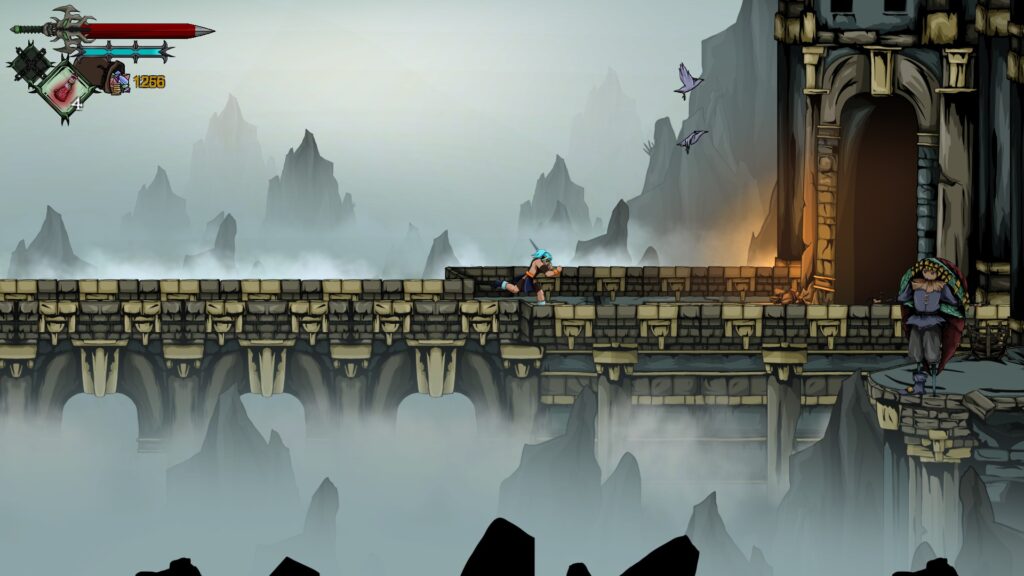
The Rough Edges Are Hard to Miss
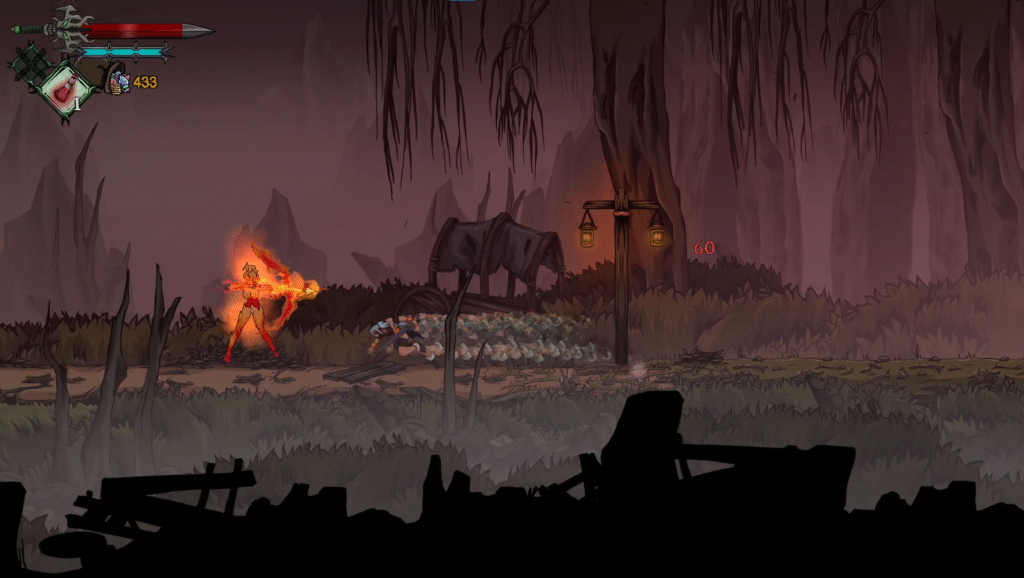
This isn’t a polished masterpiece. Some of the game’s problems become obvious fairly quickly. The combat can feel stiff, enemy AI can behave unpredictably, and certain encounters aren’t as satisfying as they should be. Early coverage has also highlighted issues with save and fast-travel placement, while healing can become frustrating because health potions need to be purchased rather than simply replenished at rest points. Those problems matter more in a Metroidvania because you’re expected to revisit areas repeatedly. If an enemy encounter is irritating once, it’s annoying. If you’re forced to deal with it several times because you’ve died and need to retrace your path, it becomes a real problem. The game does reward patience, but it occasionally asks for more patience than it should.
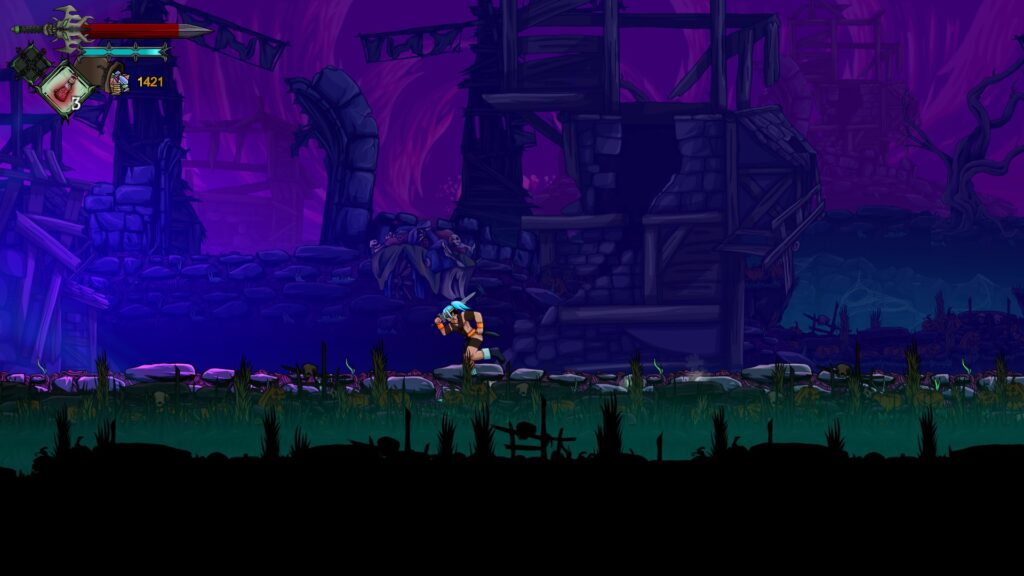
A Rough Gem With Plenty of Personality
What keeps Barbarian Saga interesting is that there are plenty of good ideas underneath those rough edges. The Beastmaster transformations give exploration a unique hook. The necklace system adds meaningful customization. The arena fights break up the traditional Metroidvania rhythm. And the hand-drawn art gives the whole adventure a personality that many smaller games struggle to find. The story isn’t going to be the reason most people play this, either. It’s a serviceable fantasy with a larger conflict, prophecy, and plenty of characters scattered throughout the world. NPC interactions can unlock additional missions, story arcs, and different endings, giving players reasons to pay attention to the people they meet rather than simply running past them. There’s clearly ambition here. The problem is that the execution doesn’t always match it.
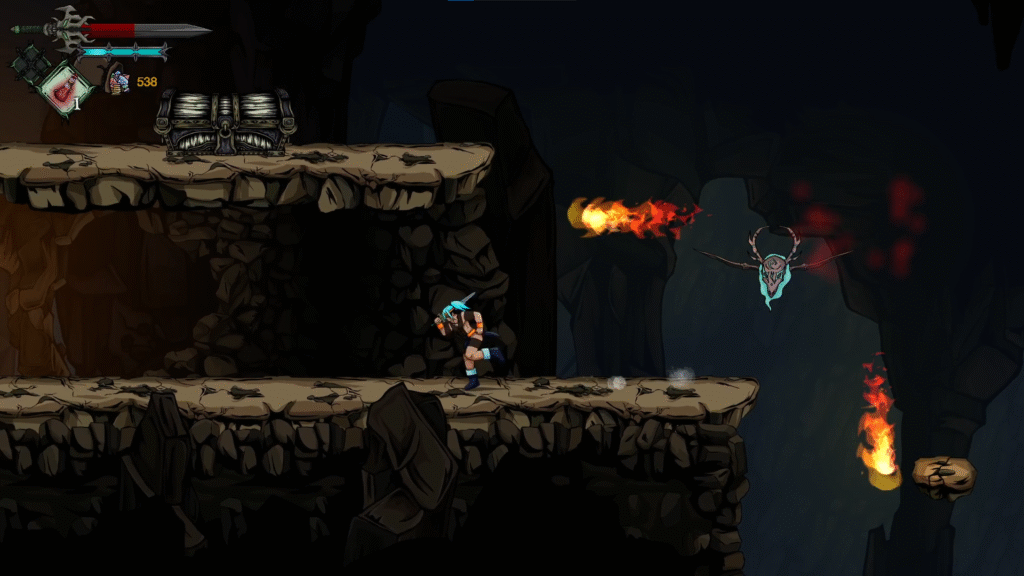
Real Talk
Barbarian Saga: The Beastmaster is not the kind of Metroidvania that completely changes the genre. It doesn’t need to be. What it does have is personality. The hand-drawn art immediately gives it an identity, while the Beastmaster mechanic provides a genuinely interesting reason to explore the world. Barbarian Saga: The Beastmaster feels like a game made by people who genuinely love old-school fantasy adventures. It wears its influences proudly, throws a ridiculous amount of blood and monsters onto the screen, and gives you enough unusual systems to keep the adventure interesting. It’s rough around the edges. But underneath all that roughness is a surprisingly likable Metroidvania.
FINAL SCORE: 77/100
Barbarian Saga: The Beastmaster Review- A Bloody Love Letter to Old-School Fantasy
Barbarian Saga: The Beastmaster Review- A Bloody Love Letter to Old-School FantasyThe Good
- Distinctive hand-drawn visual style
- Beast transformations are a great Metroidvania mechanic
- Interconnected world encourages exploration
- Ritual necklace adds useful character customization
- Arena battles provide variety
The Bad
- Combat can feel stiff
- Enemy AI can be frustrating
- Navigation sometimes lacks direction
- Save and fast-travel placement could be better