



Pool of Radiance: Ruins of Myth Drannor occupies a weird position in the PC RPG hierarchy. As the sequel to the first video game adaptation of Advanced Dungeons & Dragons, its sole legacy is a meme about erasing a user’s operating system. Ouch. Out of all the fantasy RPGs releasing near the millennium, only a few are worth mentioning in the same sentence as Baldur’s Gate or Icewind Dale. Again, the baseline for what was acceptable quality vs. what is not, what was different back then. There will always be that one game that we played the hell out of, only to replay it years later and realize how much dogwater it was.
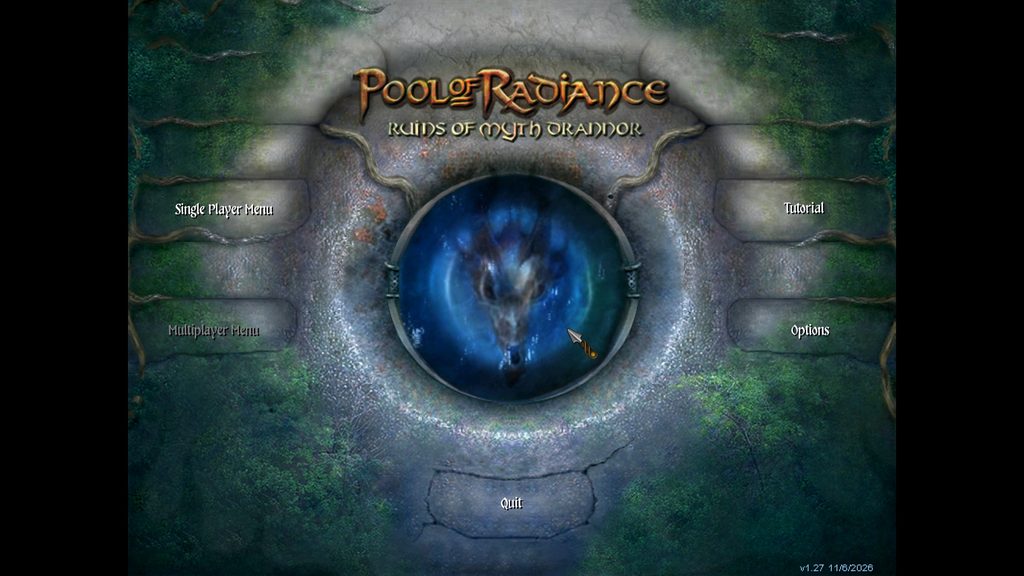
My intention here is not to insult Pool of Radiance: Ruins of Myth Drannor. At least it’s not as bad as Ultima IX. I’m sure that out of the 12 nerds who played it in 2001, at least 2 liked it, 4 tolerated it, and 5 were indifferent to it. I’m that remaining one guy who didn’t jive with the game. Coming hot off of CRPG heavyweights, I was totally disappointed with the limited customization, unbalanced mechanics, and an abundance of bugs from Stormfront Studios’ offering.
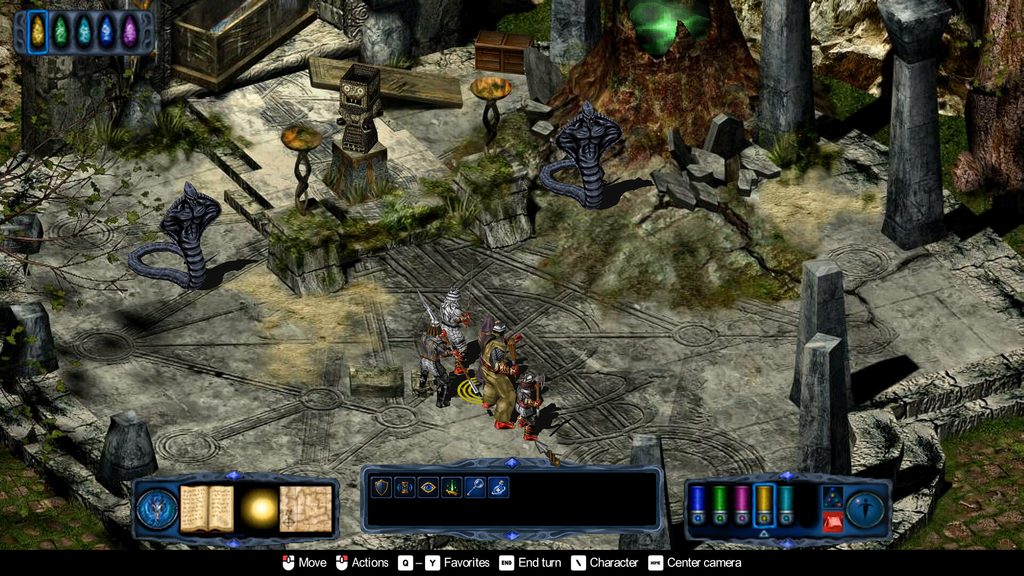
So, Ruins of Myth Drannor had everything going for it: one of the hottest IPs during their peak season in the video game industry, a veteran developer that was to licensed games what Pedro Pascal is to Hollywood, the brand new 3.0 ruleset, and decent visuals for the time. Unfortunately, those things didn’t come together in the most efficient fashion. Despite looking like a love letter to Baldur’s Gate, Ruins of Myth Drannor has more to do with Icewind Dale, or better yet, Temple of Elemental Evil when it comes to the actual gameplay. But the latter would only come out two years later. So, can we call ToEE a better version of Ruins of Myth Drannor? Perhaps Myth Drannor should be better remembered as that RPG where the pre-made characters are actually better than custom ones.
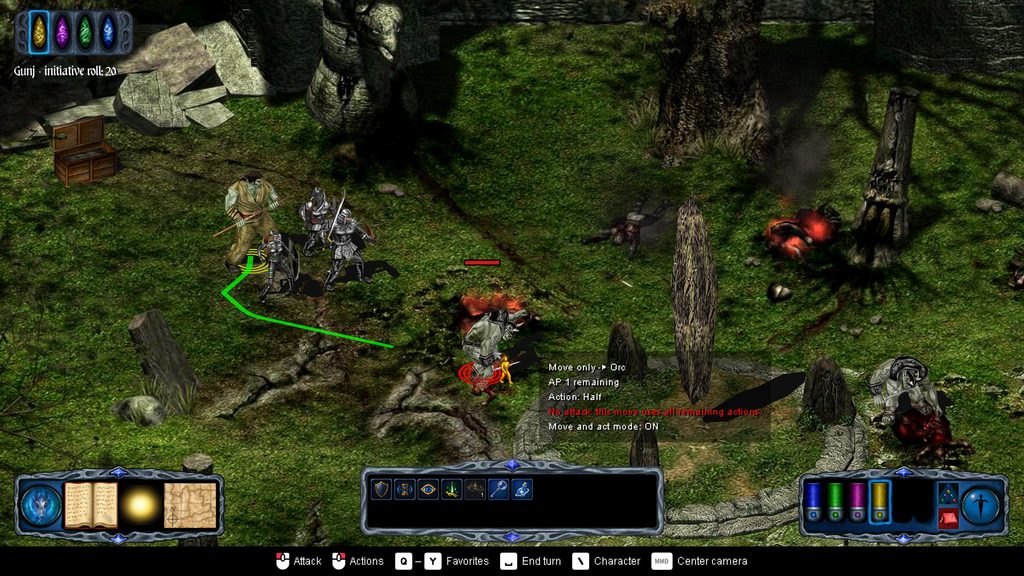
If it’s not evident enough, Ruins of Myth Drannor is basically one big dungeon crawl outside of the opening hour. Worse yet, the combat is turn-based. And not the good kind of turn-based as seen in ToEE. Instead, it’s unintuitive and boring and slows the momentum to a crawl. There are lots of essential classes missing, the dice rolls are very much manipulated, and the difficulty is as balanced as my diet. The game starts out really punishing (unnecessarily so), but if you were to put any effort into optimizing what little character customization there is, you’d end up as a demi-god, wiping entire squads in very few turns. These kinds of designs were very common back then, and we more than put up with it and learned to sugarcoat it with nostalgia.
That’s what I think of Pool of Radiance: Ruins of Myth Drannor as a game. However, this is not a retro review of Myth Drannor. The star of the show is Pool of Radiance: Ruins of Myth Drannor, the 2026 re-release by SNEG. SNEG has been doing some sick work lately, re-releasing several underrated and underappreciated D&D and Warhammer games for audiences both old and new. Just checking out the publisher’s Steam page is enough to send happy jolts down your spine. Judging by their upcoming re-releases, they have no plan of stopping.
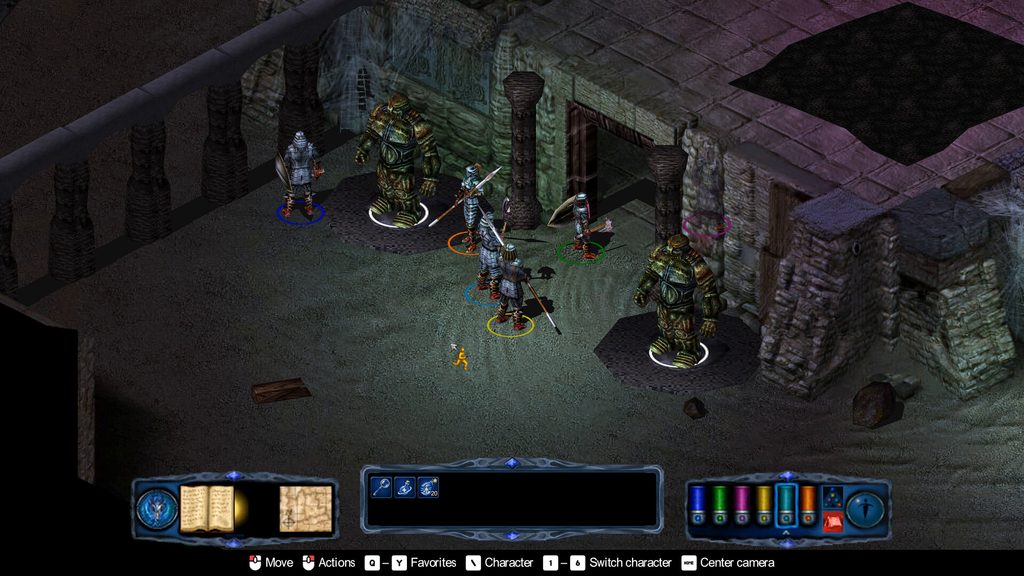
Despite what I think of Myth Drannor, I have to give it up for SNEG. Not only are they re-releasing stuff you cannot legally get anymore, but they’re also packing them with compatibility fixes and sometimes even more. Take The Temple of Elemental Evil, for instance. No, not only did they re-release Troika’s underrated classic, but they’ve also added in modern compatibility fixes as well as most of the QoL and bug fixes from the acclaimed Circle of Eight patch. While Myth Drannor didn’t get the same amount of community love, SNEG has put in most of the work on their own.
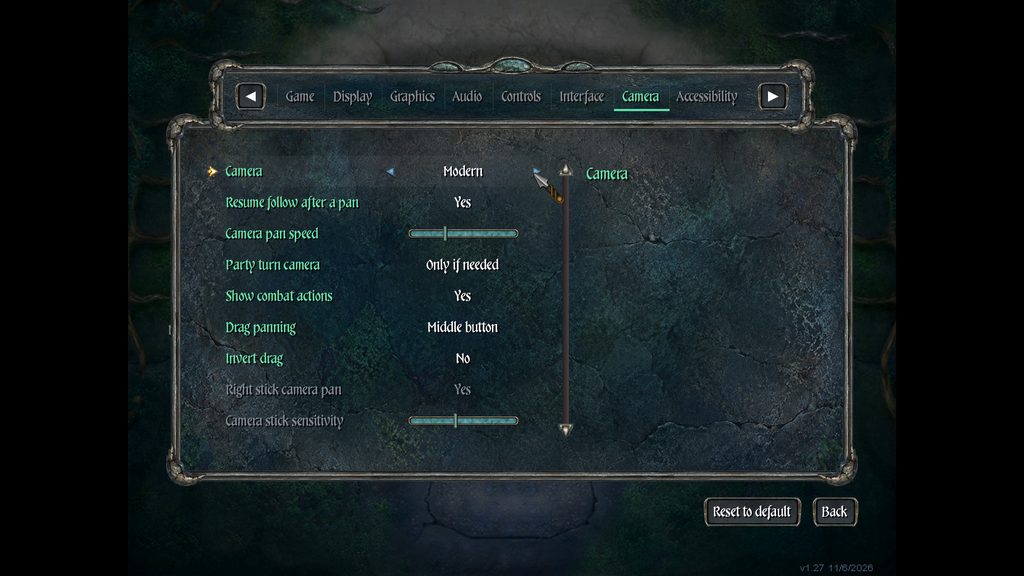
For one, the game works on a modern system right out of the gate. The graphics are now sharper, there is 4k support, and they fixed that one bug where uninstalling the game would delete your Systems32 folder. There is now proper controller support, and they even made the UI feel better to navigate. There are more tweaks in place, like a better camera, a quickbar, and the works. All in all, good stuff from SNEG.
So, there you have it. There you have it. As a game, it’s serviceable at best if you down it with a heavy dose of nostalgia. But as a games preservation project, it’s really amicable stuff from SNEG. Maybe this will encourage whatever fanfare this game has to get around to making a community patch.