


I’ve seen plenty of roguelites over the years, but Clockfall immediately caught my attention for one simple reason: it doesn’t just use time as a story element. It builds the entire game around it. That’s become a pretty common buzzword in gaming lately. Time loops are everywhere. Most games use them as an excuse to reset the world and send players back to the beginning. Clockfall appears to take the idea a step further. Here, time isn’t just part of the narrative. It’s something you’re constantly thinking about while you play.
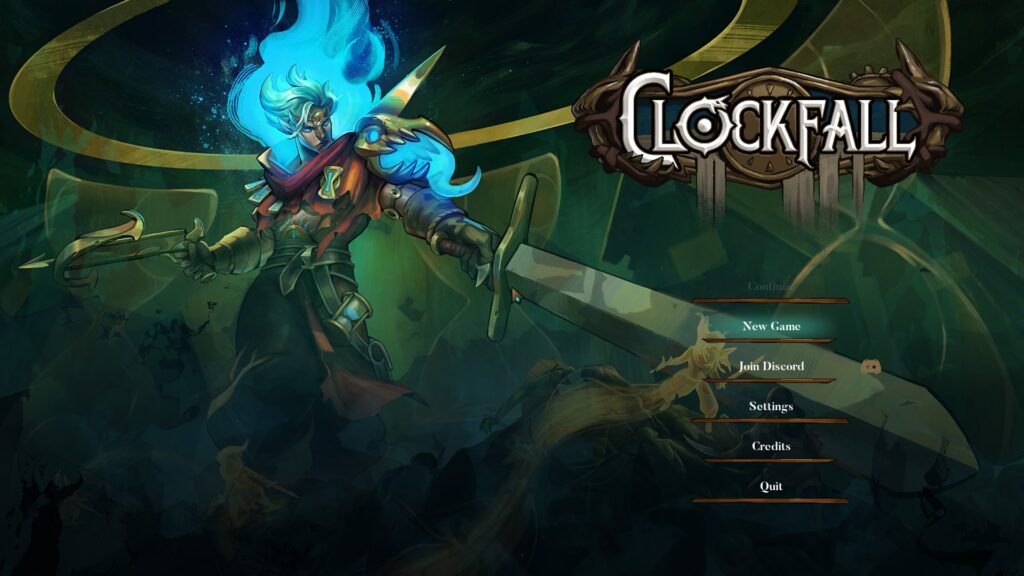
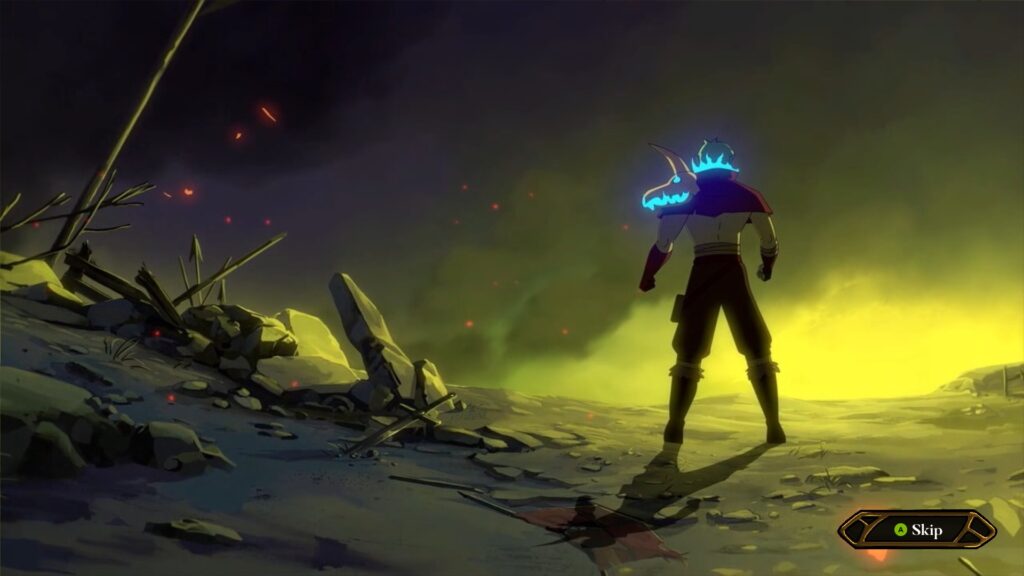
The premise is straightforward enough. Your village has already fallen, and you’re trapped in a repeating cycle tied to a mysterious clock. Every run gives you another chance to prepare, explore dangerous areas, gather resources and figure out how to survive what’s coming next. What makes the concept interesting is how much pressure the game puts on every decision. In a lot of roguelites, there’s a temptation to clear every room, grab every piece of loot, and squeeze every possible reward from a run. Clockfall looks like the kind of game that asks whether that’s actually worth it.
Do you spend another few minutes pushing deeper into a dungeon in search of better rewards? Or do you head back and use what you’ve already found before time slips away? That constant trade-off seems to sit at the heart of the experience. It’s a small change on paper, but it gives the game a different feel compared to many of its competitors.
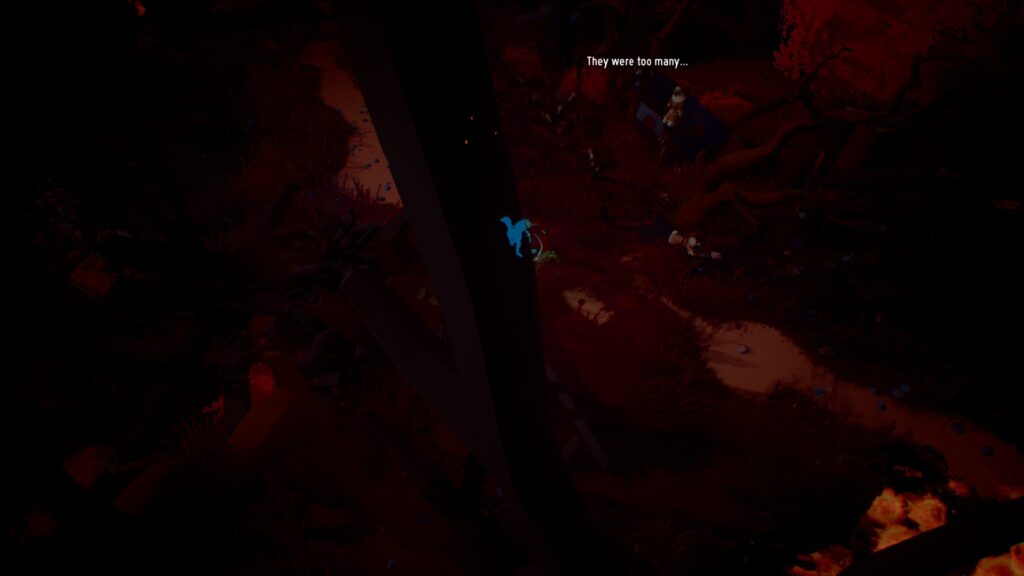
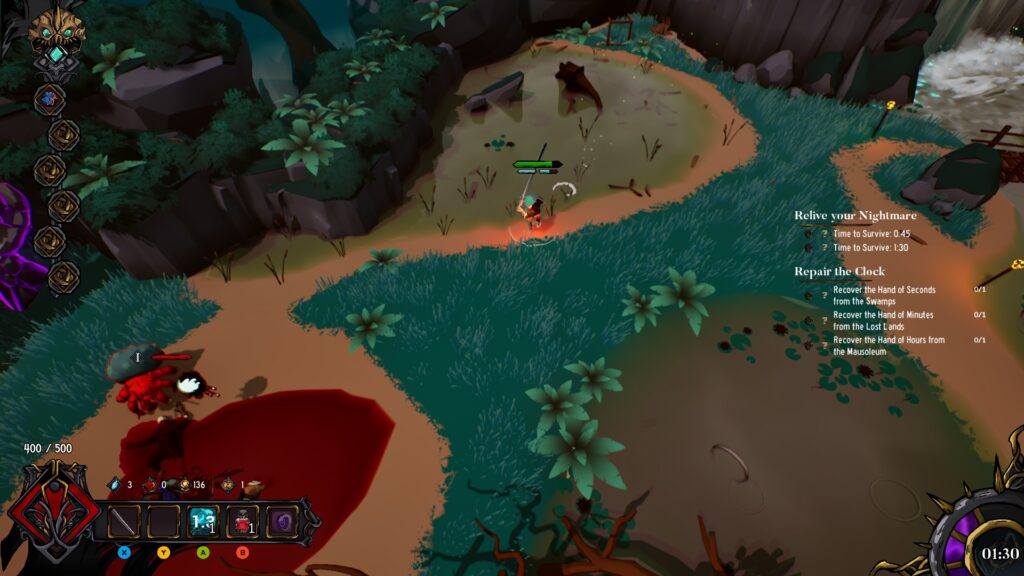
The combat itself looks familiar in a good way. Fast movement, plenty of enemies, flashy abilities, and the kind of action that encourages aggressive play. Nothing I’ve seen suggests Clockfall is trying to completely reinvent action combat. Instead, it seems more focused on making that combat work within the larger time-management system.
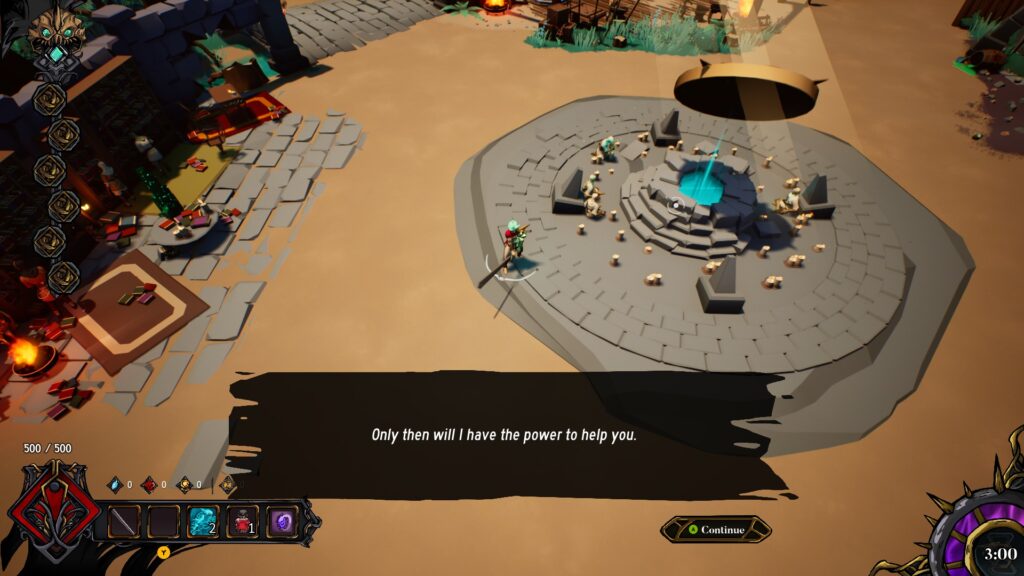
And honestly, that’s probably the right call. What stood out to me more than the fighting was what happens between battles. While exploring dungeons and collecting resources is important, everything eventually feeds back into your village. You are not just getting stronger for the sake of seeing bigger damage numbers. You are preparing for future attacks and trying to improve your chances during the next cycle.
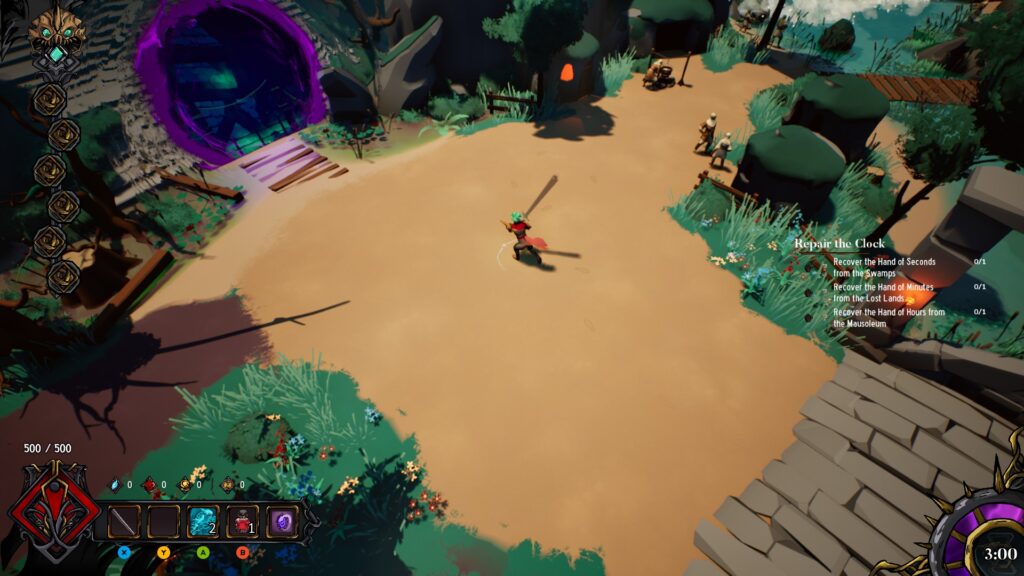
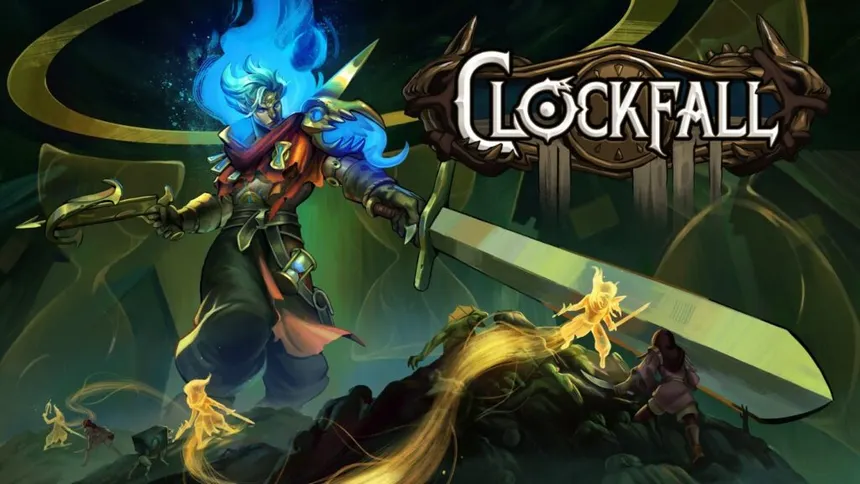
That extra layer makes the whole setup feel more meaningful. Every trip outside the village has a purpose. You’re not grinding because the game tells you to. You’re gathering supplies because you know you’ll need them later. I also like how the world itself seems built around the game’s central idea. Everywhere you look there are reminders that time is running out. Giant clock imagery, ruined environments, and a dark fantasy atmosphere help reinforce the feeling that you are fighting against something much larger than yourself.
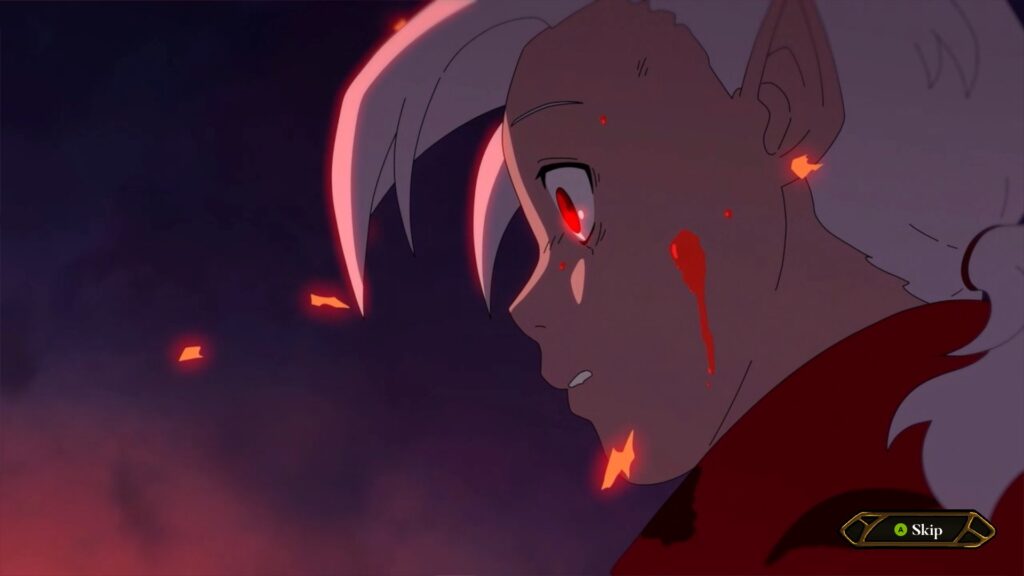
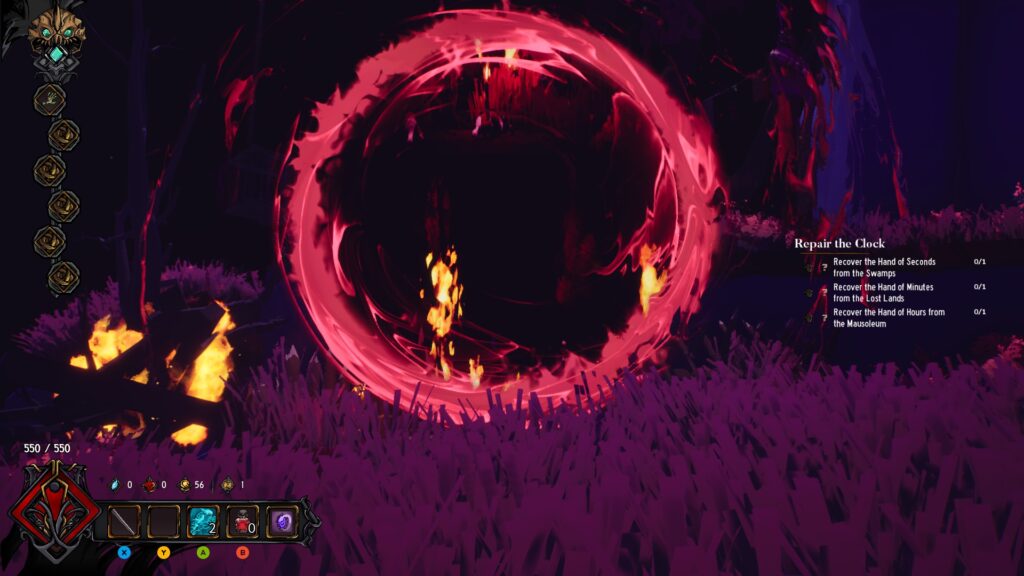
Visually, Clockfall isn’t trying to overwhelm players with effects or flashy spectacle. Instead, it leans into mood. The environments look worn down and dangerous, while the looming presence of the clock creates a sense of unease that hangs over everything. It’s the sort of art direction that feels memorable without screaming for attention. Of course, the biggest question surrounding Clockfall is the same question every roguelite eventually faces: can it stay interesting?
The genre is crowded right now. Players have no shortage of games offering randomized runs, permanent upgrades, and endless replayability. Having a good core idea isn’t enough anymore. The game needs enough variety to keep players invested long after the novelty wears off. Still, based on what’s been shown so far, Clockfall feels like it has a stronger hook than most. The combination of dungeon crawling, village management, and time pressure creates a loop that feels distinct from the usual roguelite formula.
More importantly, it’s a game that seems to understand its own identity. Everything revolves around the clock. The story, the progression, the exploration, and the strategy all connect back to that single idea.
First Impression
Whether Clockfall can fully deliver on that promise remains to be seen, but it’s already managed something many games struggle to do make me genuinely curious about how it all comes together. In a genre packed with familiar ideas, that’s a pretty good start.