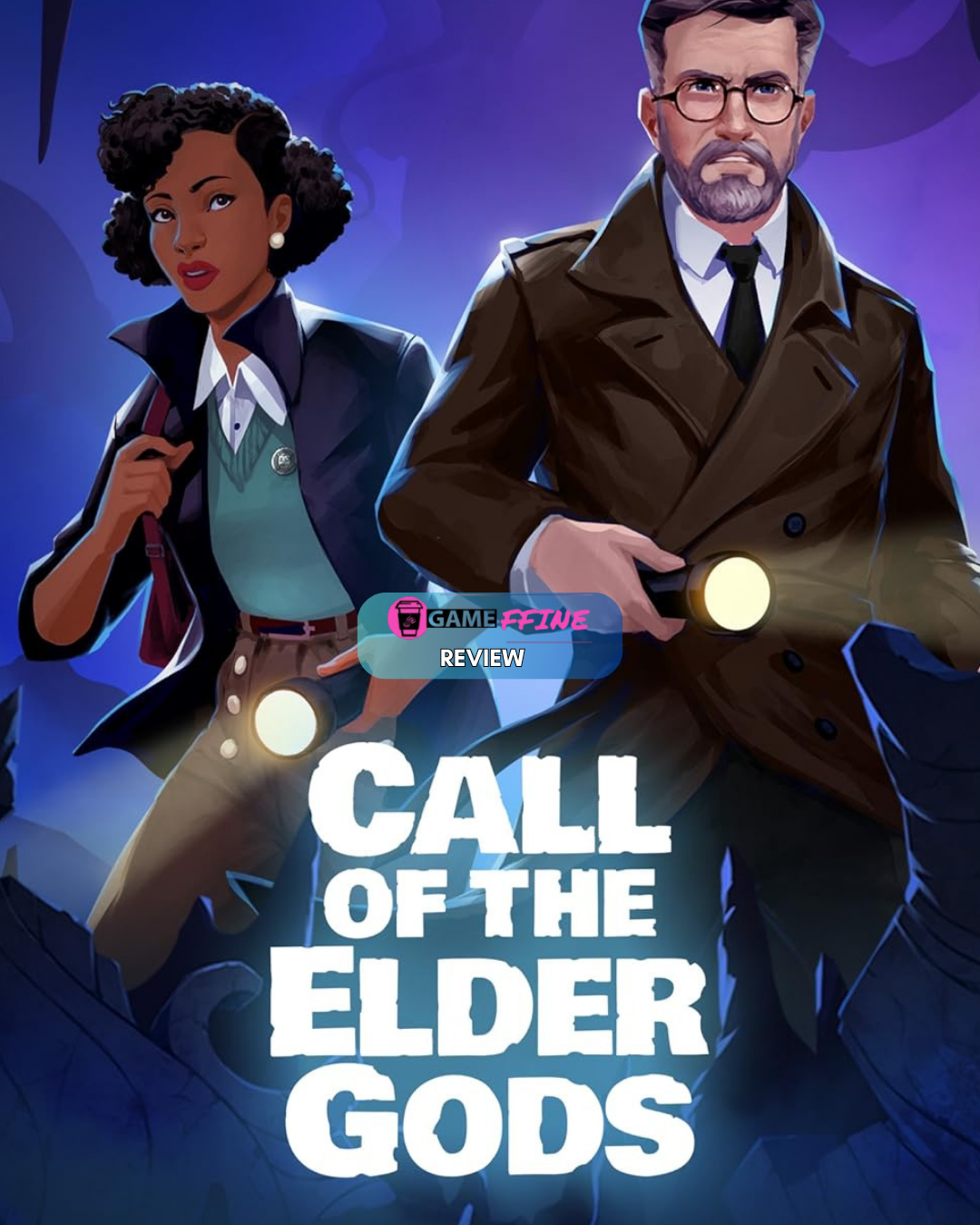



Call of the Elder Gods is one of those games that arrive quietly, ask almost nothing of the mainstream conversation, and yet burrow so deeply into a specific kind of player that they become something close to sacred. Call of the Sea was exactly that. Out of the Blue’s 2020 debut was an understated miracle—a first-person puzzle-adventure draped in 1930s period romance and Lovecraftian dread that somehow managed to feel intimate despite the cosmic horror lurking beneath its surface. Norah Everhart’s journey across that sun-baked Pacific island was one of the more affecting things I’d experienced in a walking-sim-adjacent space in years. The puzzles? Occasionally brutal. The atmosphere? Practically immaculate. For me, it was something unique, and now it kinda feels like a modern classic. And I meant it. So when Call of the Elder Gods was announced—a full sequel set in the 1960s, with two playable characters and a deeper dive into the mythos—the expectations were, perhaps unwisely, enormous.
The result is still good. Genuinely good, in stretches. But it carries the peculiar weight of a sequel that understood what made its predecessor special and then mostly chose to do more of the same — louder, longer, and without the grace of novelty.
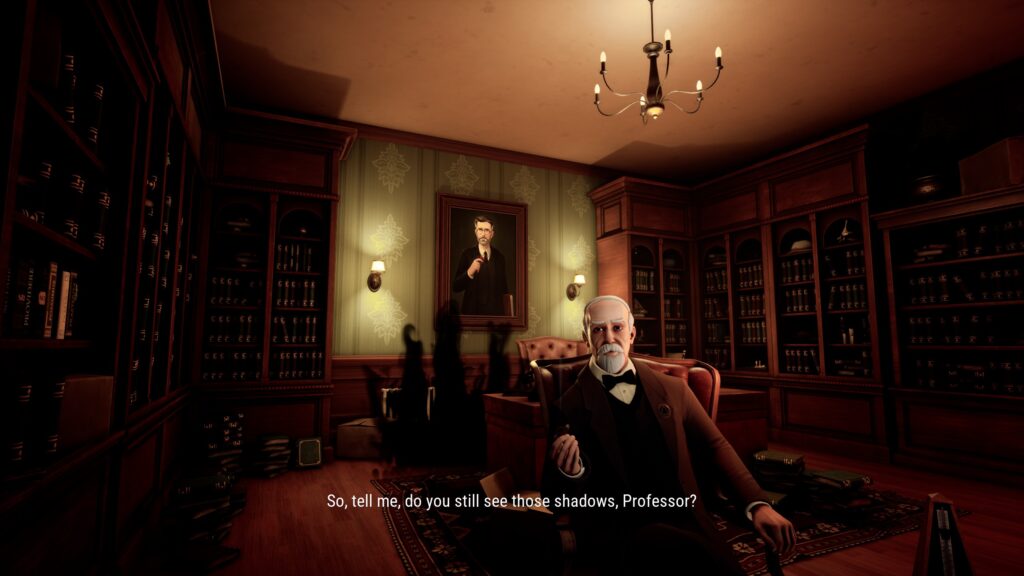
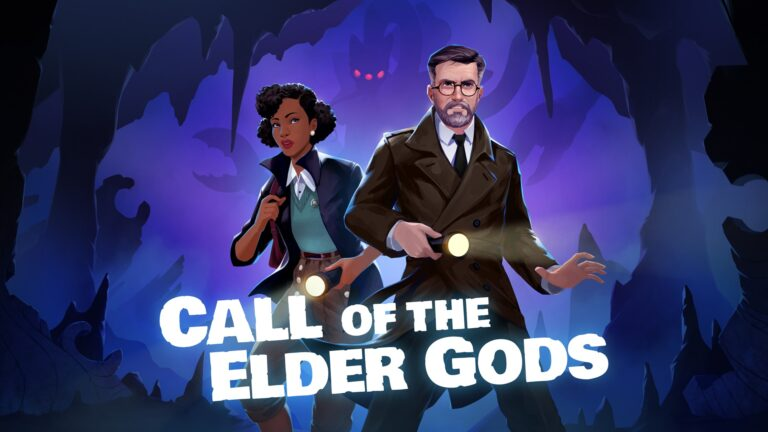
Call of the Elder Gods is a narrative-driven puzzle adventure game and the sequel to Call of the Sea, blending Lovecraftian horror with intricate puzzles and exploration. Developed by Out of the Blue Games and published by Kwalee, it was released on May 12, 2026, for PC, PlayStation 5, Xbox Series X|S, and Nintendo Switch 2. The game continues the story from “Call of the Sea,” introducing new protagonists, Harry Everhart and Evangeline Drayton, as they investigate mysterious artifacts and uncover ancient cosmic horrors. The narrative is inspired by H.P. Lovecraft’s The Shadow out of Time, exploring themes of grief, family, and sanity.
The Weight of a Name It Has to Live Up To
Let me be direct about something: Call of the Sea set a standard that was always going to be difficult to clear. Part of what made it work so beautifully was how personal the horror felt—Norah wasn’t just solving environmental puzzles; she was uncovering a truth about herself, her marriage, and her own nature. The cosmic and the intimate were in perfect tension. Call of the Elder Gods goes bigger. Two protagonists, a grander conspiracy, and a mythology that sprawls further and reaches deeper into the Cthulhu-adjacent territory, which the first game only teased.
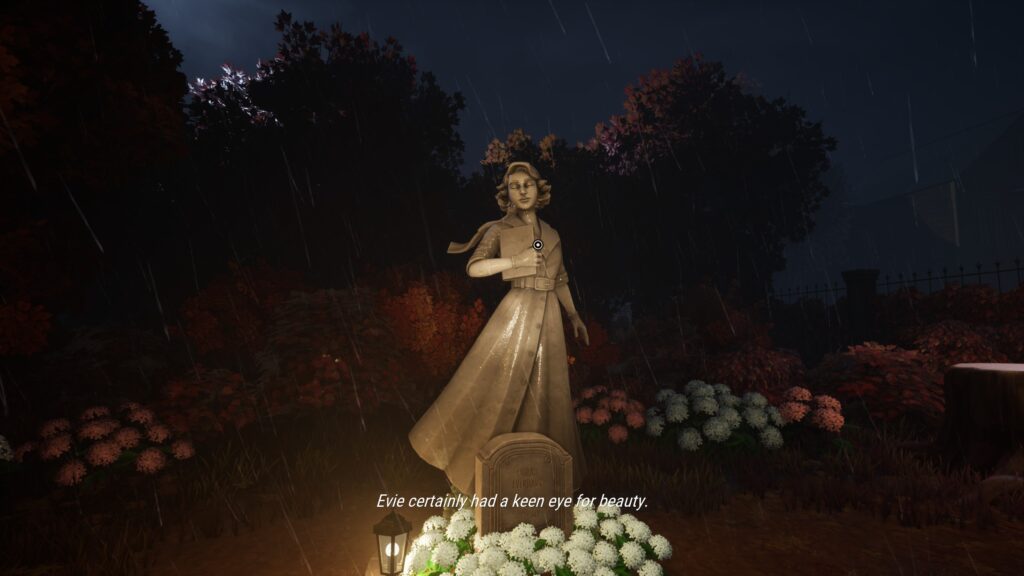
And yet, more threads don’t automatically mean a richer tapestry. The dual-character structure is the game’s most interesting addition on paper, and there are moments, particularly in the second act, where the interplay between the two perspectives creates a genuinely clever form of dramatic irony. You know something Character A doesn’t because you’ve already walked in Character B’s shoes. That’s good design. That’s the kind of thing sequels are supposed to do well. But the connective tissue between the two storylines feels stretched for long patches, and neither protagonist quite achieves the quiet emotional specificity that made Norah feel real. They’re compelling archetypes. They’re not people who will follow you home.
The Puzzle Problem, Amplified
Here’s the honest truth about Call of the Sea that I always acknowledged: the puzzles were a lot to take in. They were gorgeous, thematically coherent, and often genuinely brilliant in construction — but they could also be unrelenting in their refusal to offer a handhold. Call of the Elder Gods has not solved this. If anything, it has leaned further into complexity, introducing multi-layered puzzle sequences that chain together across both character paths, demanding the player synthesize information gleaned across separate playthrough segments before a solution becomes apparent.
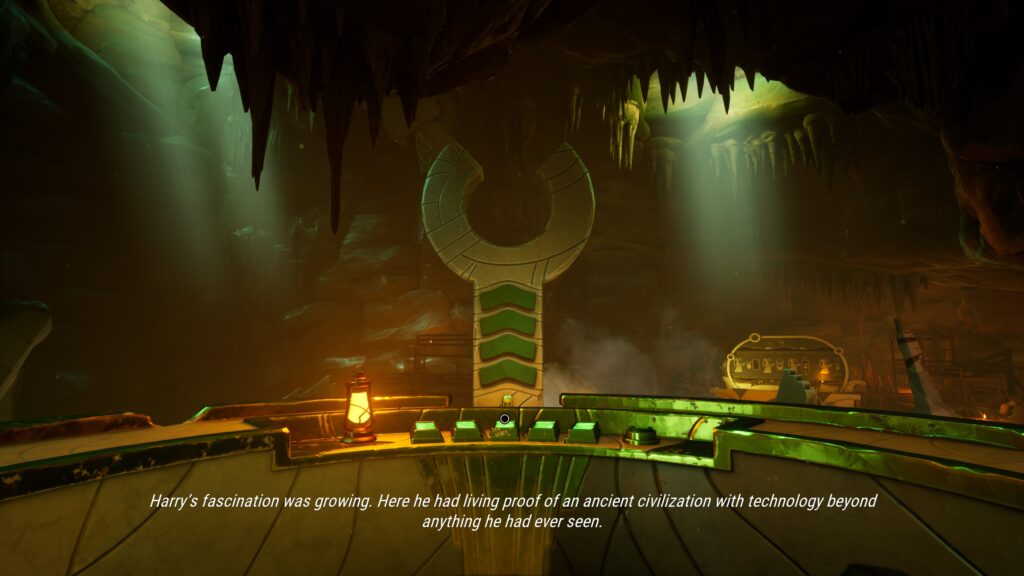
In principle, I respect this enormously. In practice, there were sequences where the cognitive overhead crossed from satisfying challenge into something that felt less like exploration and more like homework. The puzzles are never unfair in a cheap sense — every solution is technically in the room with you, or has been, at some point across the game’s runtime. But the gap between “this is solvable” and “this is fun to solve” occasionally grows wide enough to lose people in.
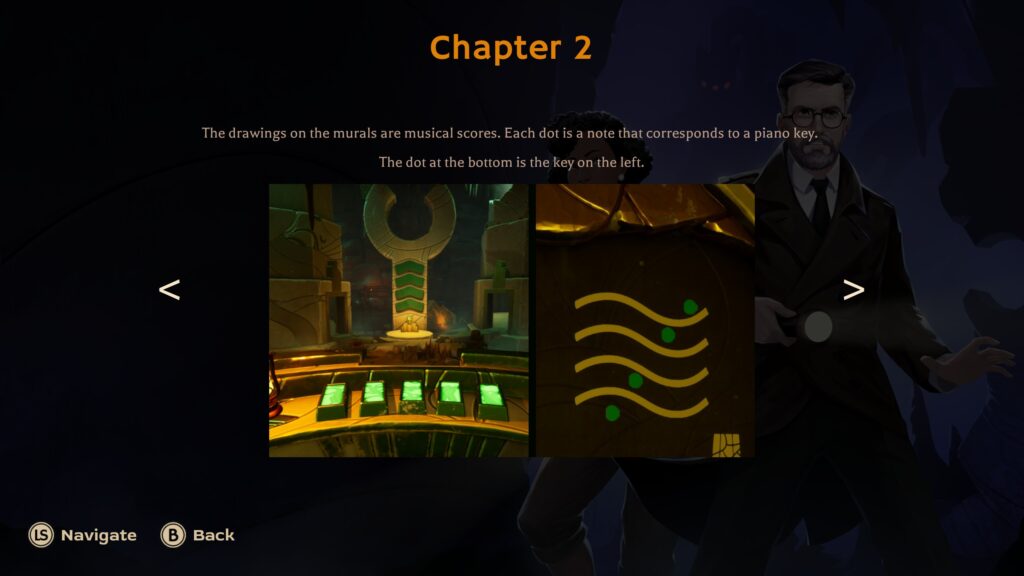
The hint system is the game’s diplomatic answer to this problem, and it works — up to a point. Framed elegantly under the game’s pause menu, it guides at a pace you can control, stopping short of full hand-holding unless you push it there. It’s a genuinely thoughtful addition that respects player agency far more than a blunt hint counter or a tutorial pop-up would. But it’s also, at its core, an acknowledgement that the puzzle design hasn’t fundamentally evolved. A good crutch is still a crutch. Call of the Sea needed one too, and the sequel, providing one more gracefully, doesn’t change the fact that the underlying design challenge hasn’t been wrestled to the ground.
Where It Still Earns Its Keep
None of this is to say Call of the Elder Gods fails. It doesn’t. The atmosphere remains extraordinary — Out of the Blue’s team has a gift for making environmental storytelling feel tactile, and the new locations introduced here carry that same quality of spaces that feel used, ancient, lived-in by forces that were never quite human. Its whimsical and beautiful art style is deployed with restraint and genuine craft. There’s one particular sequence involving a flooded archive and a half-translated ritual text that is among the better-designed moments either game has produced.
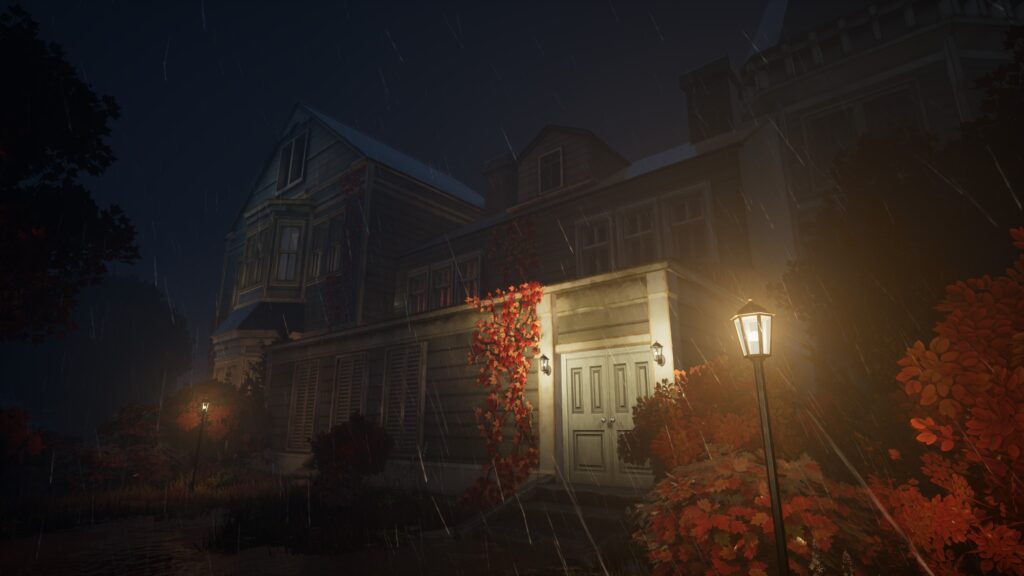
The sound design remains just as impressive as it was in its predecessor. Music swells at precisely the right moments and retreats when silence is more effective. Dialogue, while occasionally reaching for profundity a beat too earnestly, is well-performed and serves the characters honestly. And the dual-perspective structure, even where it strains, does succeed in making the world feel larger — the sense that events are unfolding across a broader canvas, that your individual character is one part of something genuinely vast, is successfully conveyed. My only small complaint is that it lessens the feeling of isolation that was so present in Call of the Sea.
Real Talk
Call of the Elder Gods is a good game that fans of the original will find plenty to appreciate. The atmosphere holds. The lore rewards the curious. The hint system is a genuine quality-of-life step forward. But as a sequel to something I consider a minor classic of its genre, it moves the needle less than it should. The dual protagonists add texture without meaningfully reshaping how the game feels. The puzzles remain demanding in ways that the hint system accommodates without correcting. And the emotional specificity that made Call of the Sea’s ending so impactful is harder to find here, buried under a wider, louder mythology that doesn’t always know what to do with the feelings it excavates.
FINAL SCORE: 80/100
Call of the Elder Gods
Call of the Elder GodsThe Good
- Atmosphere and Environmental Storytelling
- Dual-Character Structure
- Sound Design and Background Score
- Puzzle Hint-System
The Bad
- Narrative is Not as Impactful as Call of the Sea
- Puzzle Design is Frustrating at Times