





I went into Akuma’s Bloodrain without really knowing what to expect, and for the first few minutes it honestly felt a bit chaotic. The game doesn’t ease you in much. You’re just dropped straight into combat and told to figure it out. At first, that can feel a little overwhelming, but once you get used to the pace, it starts to make sense.

How the Combat Feels
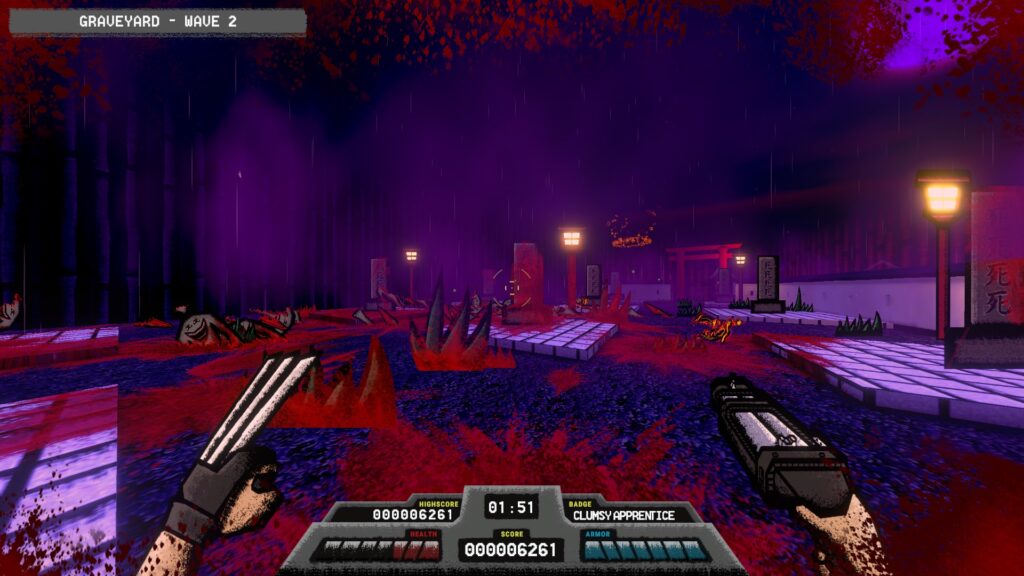
The combat is easily the strongest part of the game. It’s fast, pretty responsive, and pushes you to stay aggressive. If you hesitate too much or try to play it safe, the game kind of punishes you for it. But once you start moving constantly, dodging and attacking in rhythm, it becomes really satisfying.It’s not a deep combat system with tons of mechanics, but it doesn’t really need to be. There’s something nice about how straightforward it is. You focus more on timing and movement than memorizing complicated systems, and that makes it easy to pick up and just play.
Style and Atmosphere
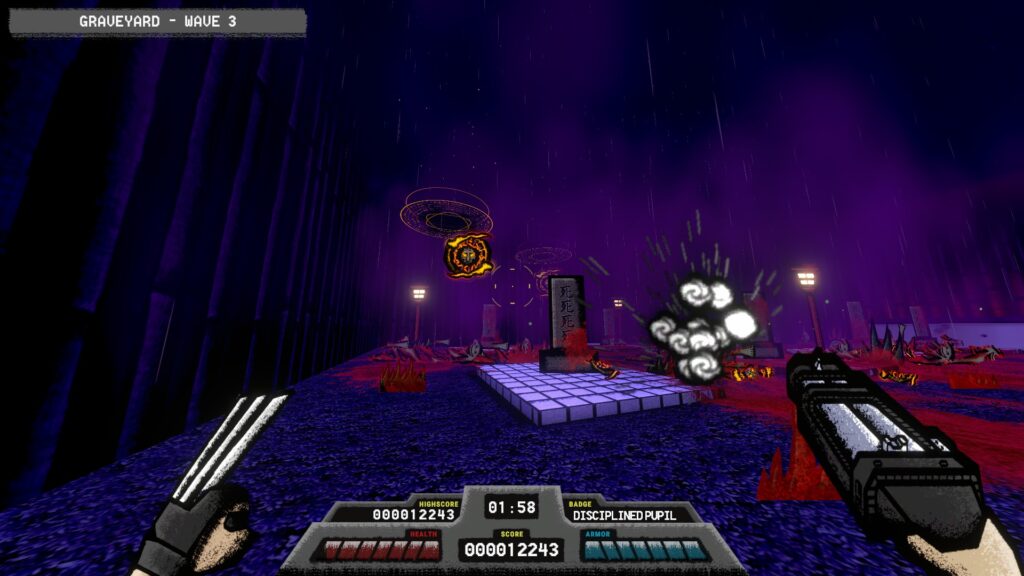
The whole dark, bloody aesthetic works well for what the game is trying to do. It’s not the most detailed or polished visually, but it creates a consistent mood. Everything feels a bit grim and intense and that matches the gameplay nicely. The effects during fights, especially the hits and blood splashes, help give the combat some weight. It’s not realistic or anything, but it adds to the overall feel and makes things more engaging.
Where It Starts to Slip
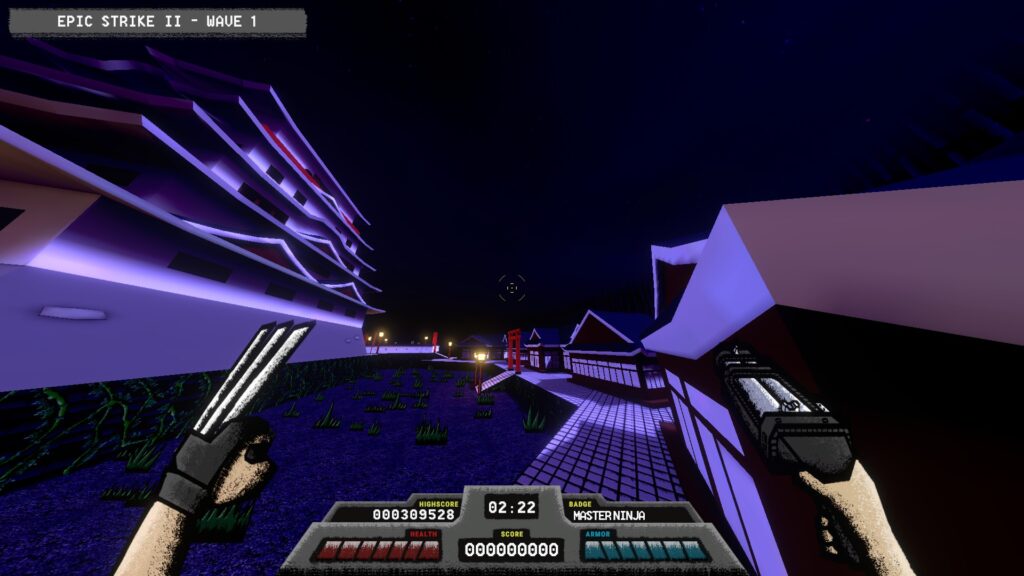
After a while though, the cracks start to show. The biggest issue is repetition. There isn’t a huge variety of enemies and the gameplay loop doesn’t change much over time. If you play for too long in one sitting, it can start to feel a bit samey. There’s also a bit of roughness here and there. Some animations don’t feel as smooth as they could be, and certain transitions feel slightly off. It’s nothing game-breaking, but you can tell this isn’t a super polished, big-budget game.
Sound and Overall Feel
The sound design is decent. It fits the game, and that’s about it. The music and effects do their job in keeping the intensity up, but nothing really stands out as memorable. Still, it never feels annoying, which is important for a game like this.
Best Way to Play It
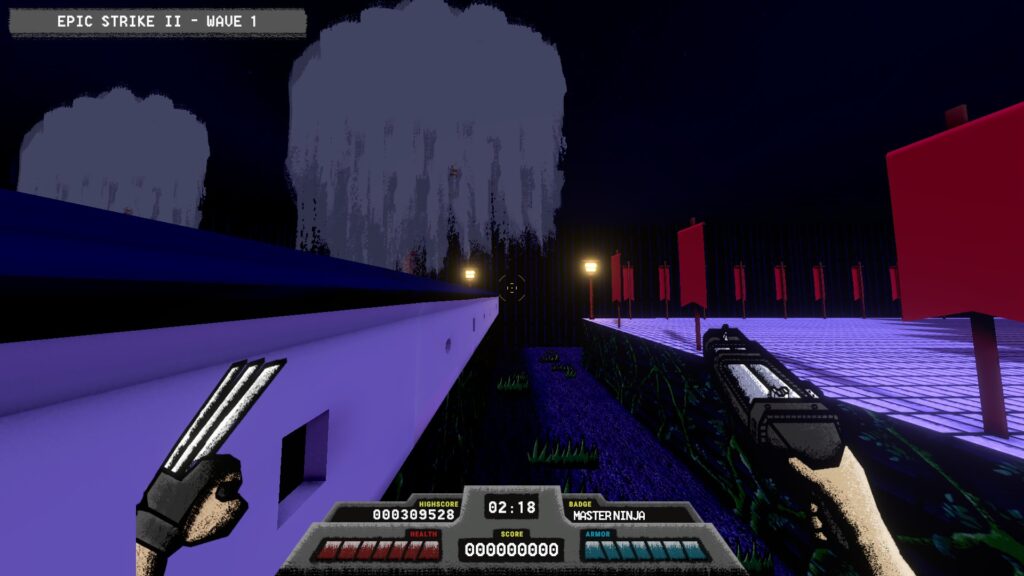
Personally, I think this game works best in short sessions. It’s fun to jump in, fight through a few waves or levels, and then step away. When I tried playing it for longer stretches, that’s when the repetition became more noticeable.

Real Talk
At the end of the day, Akuma’s Bloodrain feels like a small, focused project that put most of its effort into making combat enjoyable. It doesn’t have a lot of depth or polish, but it knows what it’s trying to be. If you’re looking for something fast, a bit chaotic, and easy to jump into, there’s definitely some fun to be had here. Just go in with the right expectations.
FINAL SCORE: 78/100
Akuma's Bloodrain
Akuma's BloodrainThe Good
- Fast and responsive combat that feels satisfying once you get into the flow
- Simple mechanics make it easy to pick up without a steep learning curve
- Dark, gritty atmosphere fits the gameplay and keeps things engaging
The Bad
- Gameplay starts to feel repetitive after longer sessions
- Limited enemy variety makes encounters less interesting over time
- Lacks depth in progression and long-term replay value