


Here’s Arka, presenting Gameffine’s GreedFall: The Dying World review
Spiders’ 2019 RPG GreedFall was set during the pre-colonial era, during the Renaissance period, which resulted in a lot of seafaring expeditions to discover new land for colonization. It’s amazing how accurately it depicted the lands of the Old World (aka Europe) and the New World (aka America). I had a gala time playing the original title (although it did have its own share of bugs and issues), so naturally, I was interested in GreedFall 2, or should I say, GreedFall: The Dying World. GreedFall 2 is a lot different from the original game—a prequel setting, a totally different combat system, new gameplay mechanics, and so much more!
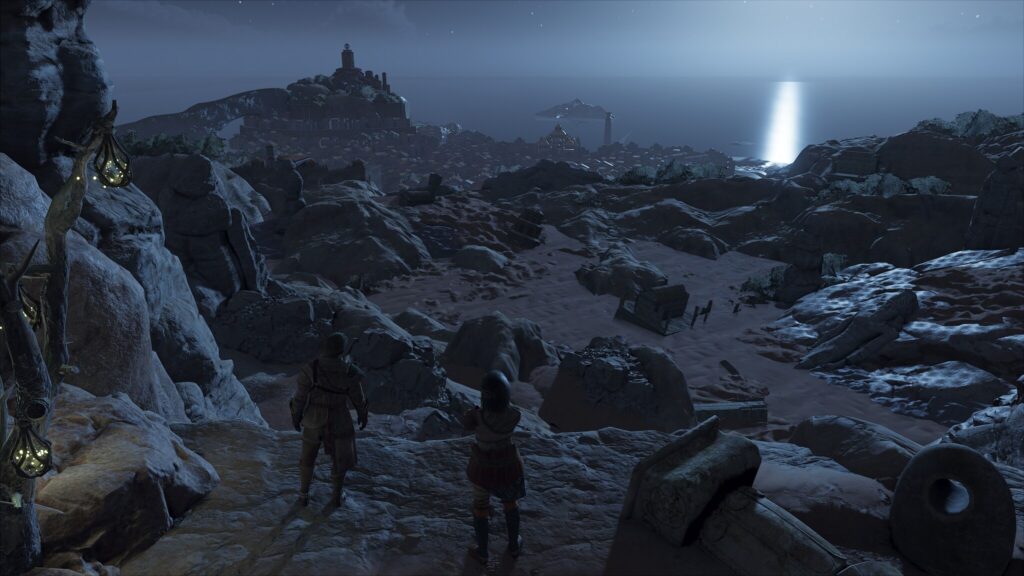
GreedFall: The Dying World is developed by Spiders and published by Nacon Interactive. The game is currently out for the PC, PS5, and Xbox Series X as of March 2026. The game was in early access for quite some time, launching in 1.0 very recently with a lot of changes. Early access for such a big title is indeed peculiar, but it seems like Nacon really needed the cash for the development process, as the game did transform into something entirely different.
Politics, Plagues, and Playstyles
The Dying World starts on Teer Fradee, the island colonized by the superpowers in the first game, with the hopes of finding a cure for the Malichor plague. The story takes place prior to the events of GreedFall and tells the story from the point of view of the Teed Fradee natives. In turn, the player gets to travel to Gacane, the old continent where the settlers came from. There is a lengthy introduction sequence where a lot happens in Teer Fradee, eventually transitioning to the Old World, where the majority of the game takes place. Players can move between different places and complete quests, so there’s that.
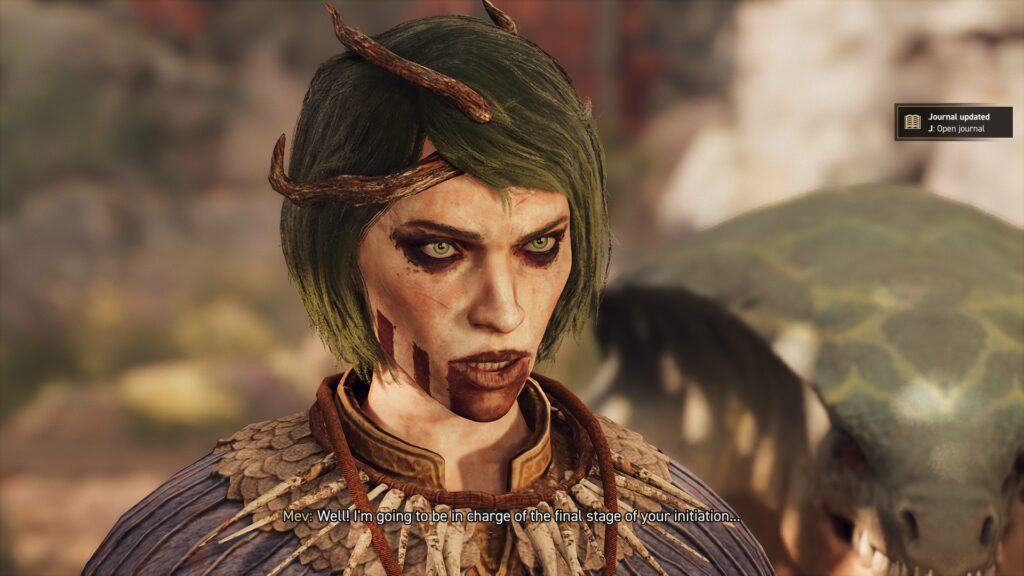
As the main title suggests, the game lays the groundwork for the original Greedfall in the Old World. It establishes the various locations on the old continent and the outlook of the people living in them. The Old World has a deep sickness that manifests multiple times in various ways from the very beginning of the story—a sickness that is seen even in the environment itself. This is the origin of the Malichor plague—a disease with no known cure.
The Dying World, just like the original, is a single-player RPG. It’s good that the focus of the developers is still on the story and the main game mechanics (which there are a lot of), leaving little room for building networking logic for multiplayer.
Gears Behind the Adventure
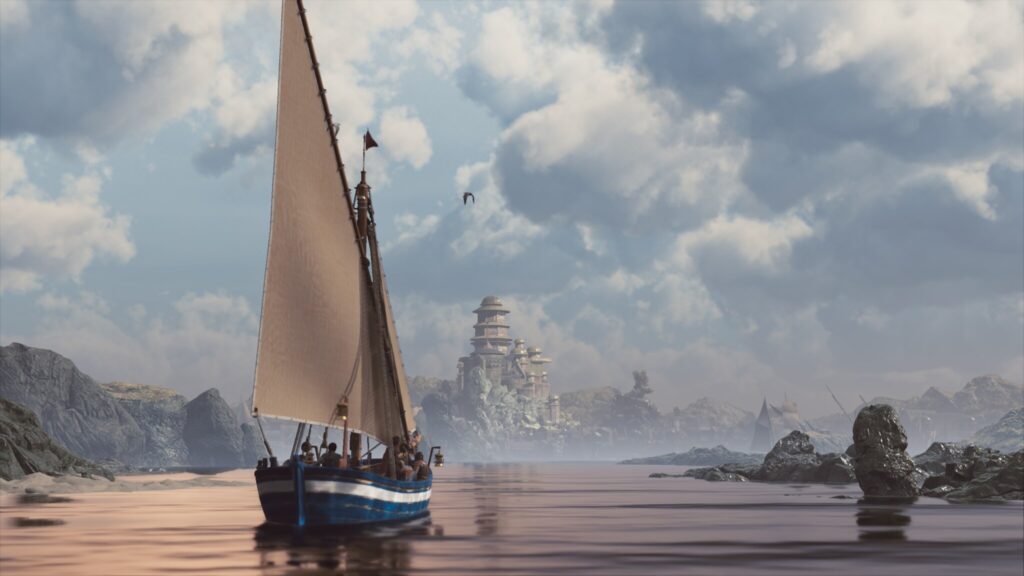
GreedFall 2 takes the story to the old continent, the place from where the malichor started. The story takes the characters to the old continent and back—there is, indeed, a lot to see and explore. The old continent, Gacane, was requested as an explorable area in GreedFall, but I’d say it fell out of scope for the game. The intro sequence shows some moments in Serene, but that’s it. In The Dying World, players can visit most cities in the old world—quite a remarkable addition for a prequel! Many quests encourage exploration, allowing players to visit many of the locations for themselves. The Merchant Congregation, the Nauts, the Bridge Alliance, and Theleme all have different themes for their cities and the region in general—it feels like a dream to see all of their cities up close (even though some of the inhabitants might not extend the warmest of welcomes for our characters).
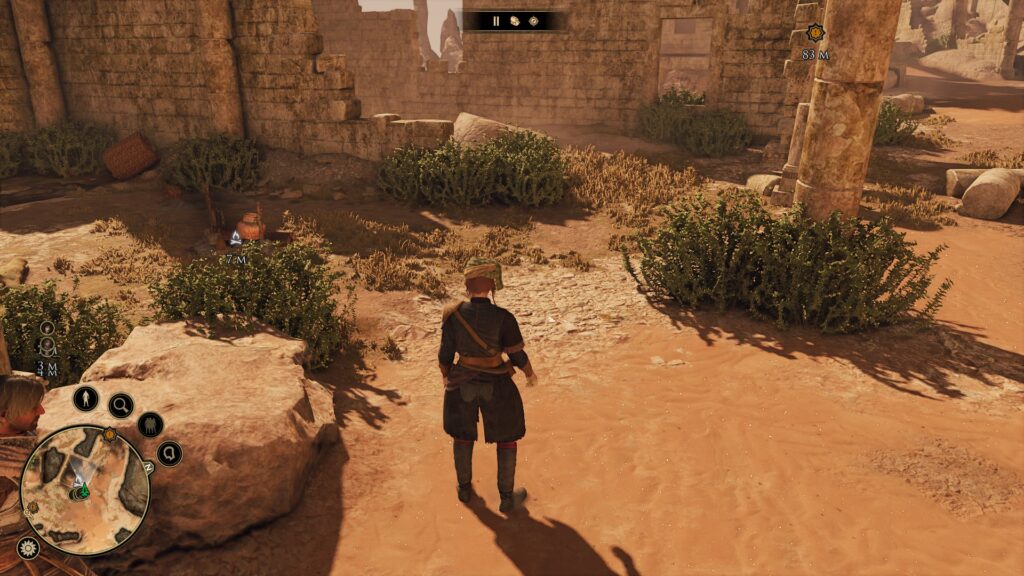
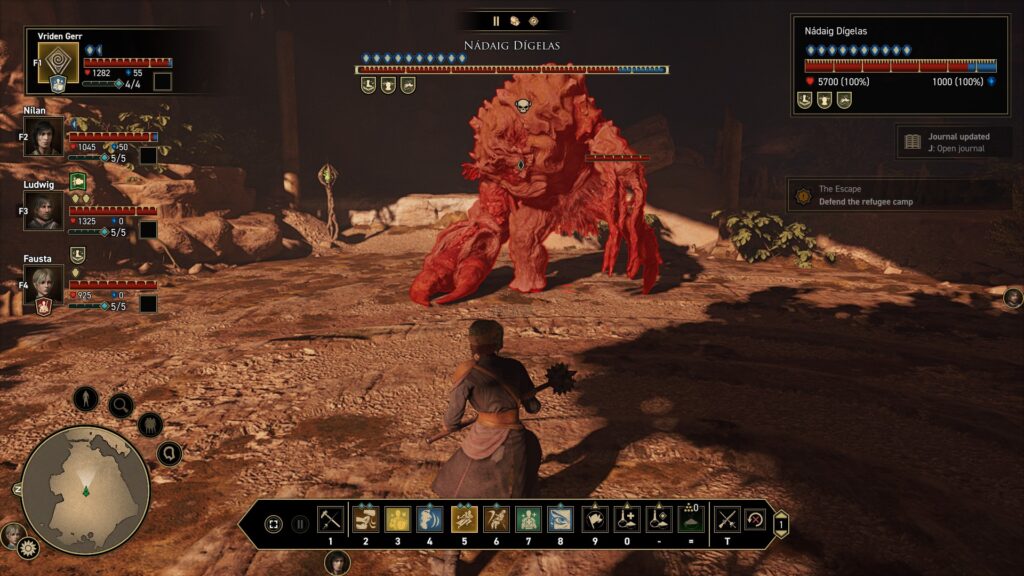
There’s a significant pivot in the combat system. Unlike the first game, GreedFall: The Dying World features a real-time-with-pause, party-based combat system—not unlike Dragon Age: Origins. Many parts of the combat system seem to draw heavily from Dragon Age and its mechanics. Players take control of the various characters in the party and activate abilities and/or attack or defend with them. This new party-based system does take some getting used to, since RTwP is not that popular these days. If combat seems impossible, there’s a way to turn off damage completely. A slight word of warning—doing this would take away the fun one would have had from exploring the new combat system.
One of the main problems with this new combat system is that when battles get hectic, it becomes difficult to micromanage characters. In other words, there’s too much happening on the screen at once, disallowing the player from executing their actions. There are some features that allow the user to “plan” the actions of their party members ahead of time, but even with the feature, it’s still a headache to switch between party members and issue commands.
GreedFall: The Dying World offers similar customization as most action RPGs used to offer. Players can equip clothes and armor to customize their look and feel to their heart’s content. The design of most armor felt a bit odd and out of place for me. The original game’s costume design felt more in line with what one can expect from the fantastical times the game was set in. I had expected a greater variety of weapons to experiment with—but I was disappointed. The Age of Exploration used to be one of my favorite chapters of history—having some of the most diverse range of weapons, clothes, and armors for a time period. The sheer amount of customization possible makes sense, since the entire party has to be customized for a particular play style.
Companions are one of the most important aspects of the game. The variety of companions available is far greater in GreedFall: The Dying World because of the party-based combat system. However, there’s little incentive to level up characters, unlike the first game, because of the lack of unique skills. This happens because characters of the same class share the same skill tree—meaning they do not have any unique skills to unlock on their own. I would have been happier if some of the characters were locked behind quests or needed some amount of progression to unlock them. Most of the characters join the party of their own volition because they hate the imperialistic tendencies of the nations on the continent of Gacane.
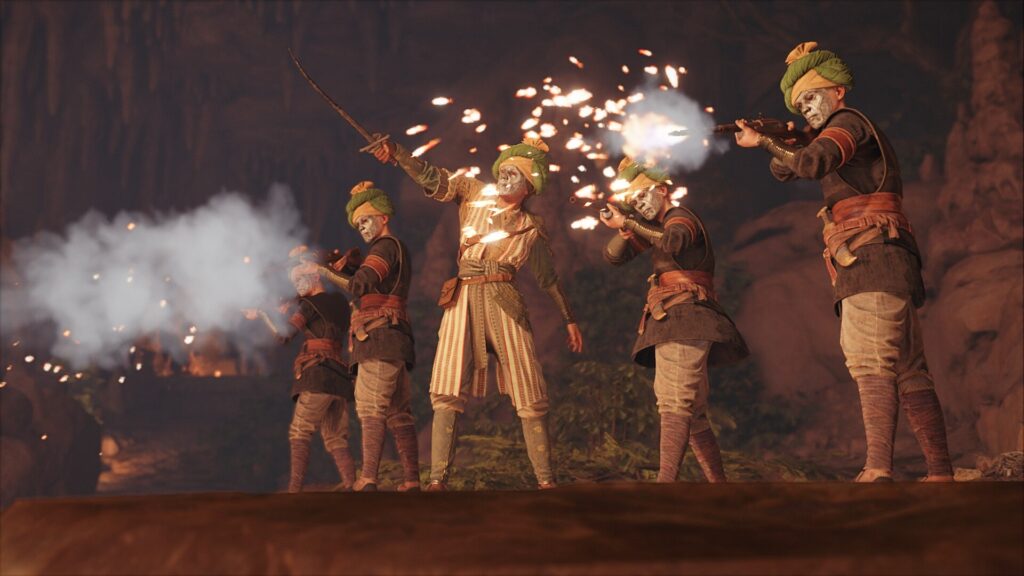
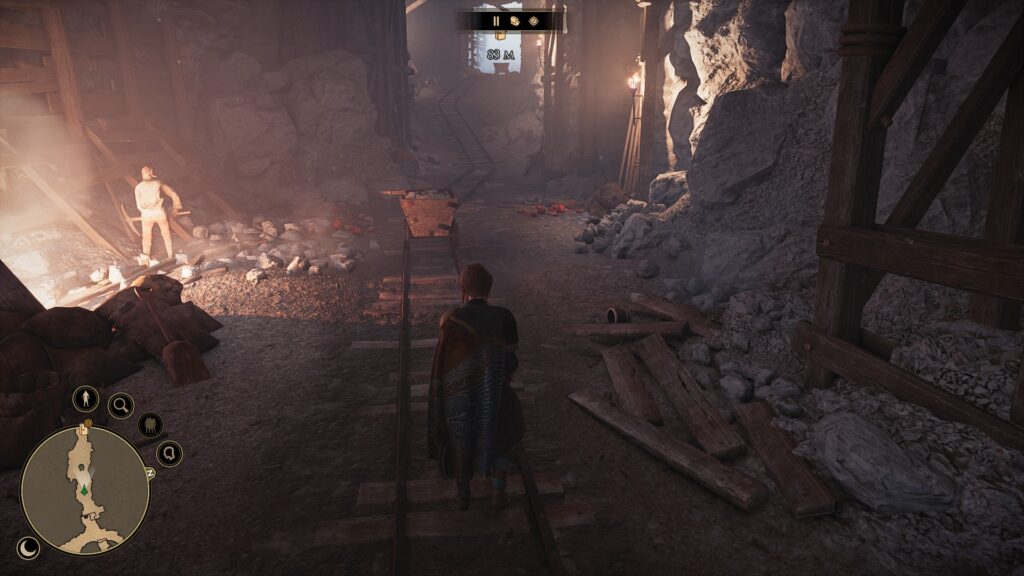
There are a couple of places where GreedFall: The Dying World goes egregiously wrong. Save scumming seems to be bugged out, as reloading saves leads to the same results in an RNG event. There’s a reason why in games like these, players opt to save before key moments—if the advantage of saving is gone, there’s little incentive to manually save, rather. Of course, the stealth sections are some of my least favorite sections—the animations for moving stealthily are extremely weird and clunky, to say the least. The problem? There are quite a few of them, which are unavoidable in the first few sequences. Did I also mention that bypassing conversation checks does not feel rewarding enough? When the checks fail, the punishment meted out is way greater than the reward for successfully passing them.
Brushstrokes and Battle Drums
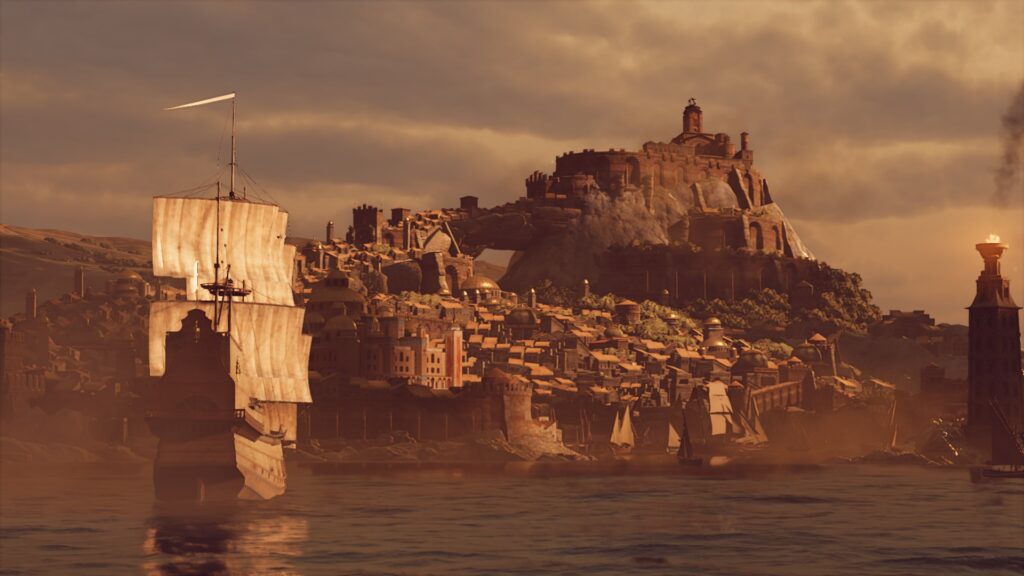
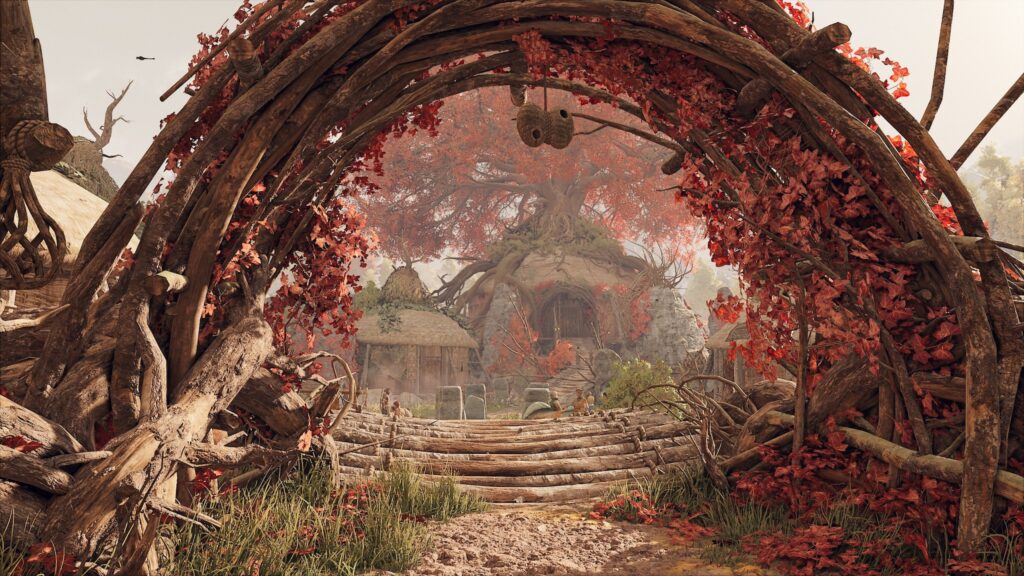
GreedFall: The Dying World improves significantly on the visuals. The old continent and its various regions really look very well done. Each region has its distinct look and feel that makes it different from the others. The Bridge Alliance cities look scorching, with the folks sporting tropical garments. The Nauts sport distinctive tattoos and have extended harbors and markets along the coast. Theleme has a slightly cooler vibe, but with added theocratic symbols. The Bridge Alliance cities also have many places of learning and even districts dedicated to science, their main governing approach to any mystery. The new designs of the natives on Teer Fradee are something I did not like too much—I liked the full-body tattoos and the full straw and leaf garments that they wore in the original game.
As for the music, the main menu theme is good, but it doesn’t really stand out as truly soothing. The voice acting for characters sounds decent enough, but I’d dare say I expected better voices for the protagonist (the male voice feels too high-pitched, and the female voice feels too deep).
The Dying World is living proof that Spiders did not learn from the shortcomings of the original. The game had optimization issues, game bugs (some of which tend to break the game, making some quests impossible to complete), and weird glitches that completely ruin the experience. In the Naut’s homeland, my framerate took a nosedive, which is saying something considering nothing major is being rendered in the viewport. The game still needs work on the optimization front, even after a full release (although the issues have become much less prominent than during Early Access).
Real Talk
GreedFall: The Dying World sports good visuals, a decent story, and genuinely interesting world-building, but it suffers from a myriad of bugs and optimization issues even after the full release. The combat is also not as good as it should be. It has heart, but it often feels like a promising RPG that needed more time in the oven. As of now, this is definitely a game worth getting on sale.
FINAL SCORE: 65/100
GreedFall: The Dying World
GreedFall: The Dying WorldThe Good
- Decent world design
- Likeable characters
- Well-written story
The Bad
- RNG feels rigged
- Stealth sections are fundamentally broken
- Optimization really needs work
- Game-breaking glitches need to be fixed


