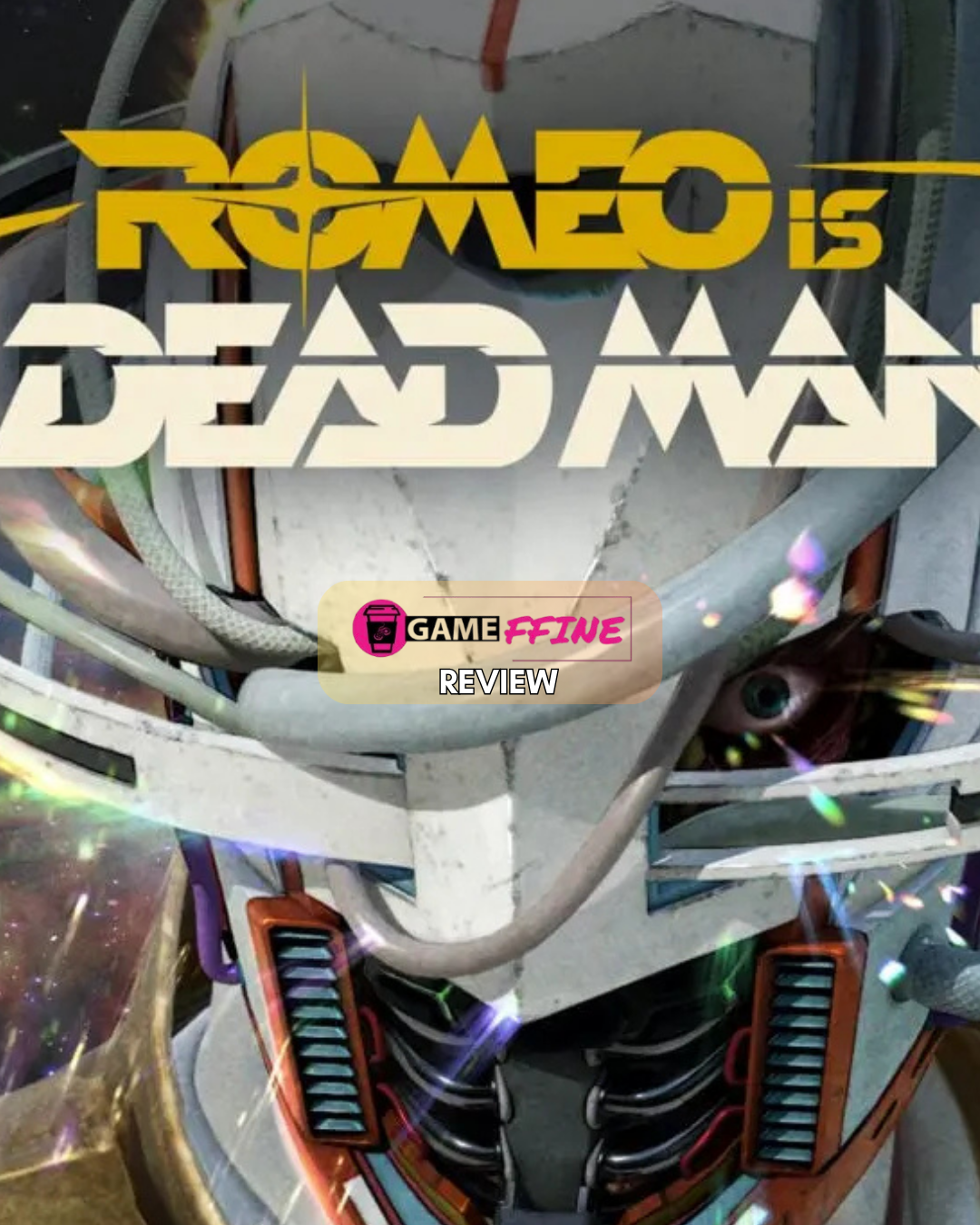




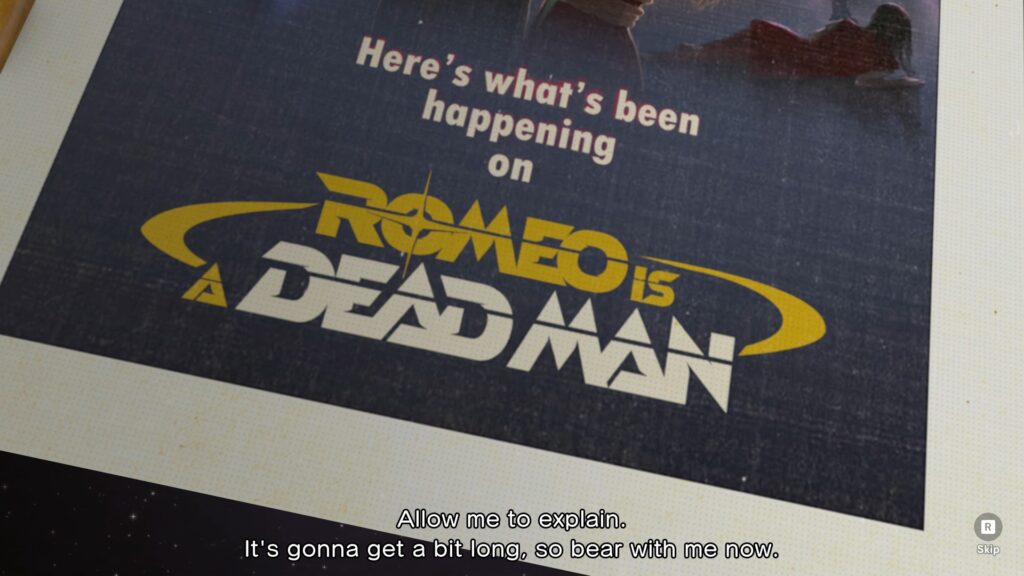
As someone who has spent years playing character-action and hack-and-slash games, I went into Suda51’s Romeo is a Dead Man with cautious optimism. I’ve learned not to be swayed by flashy trailers or stylish key art. What matters most to me is how the game feels in my hands. Does the combat flow? Do the mechanics reward skill? Does it stay interesting after the first few hours? Within the first chapter, I could already tell this wasn’t going to be a generic action title. The game throws you straight into chaos, demanding that you adapt quickly. It doesn’t waste time with overly long tutorials or hand-holding segments. Instead, it introduces its mechanics through movement and combat itself, letting you discover the rhythm naturally. What stood out immediately was the confidence in its identity. It knows it’s strange. It knows it’s style over substance. And it doesn’t apologize one bit!
Steel, Gunfire, and Split-Second Decisions
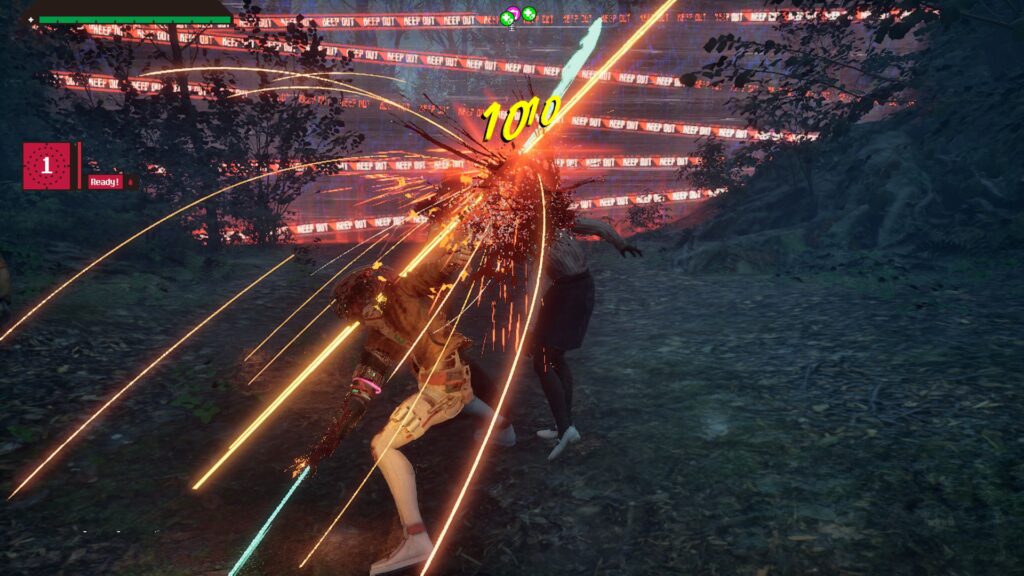
let’s talk about what really matters: the combat. I’ve played enough action games to tell within minutes whether the system has depth or is just surface-level spectacle. Romeo is a Dead Man lands somewhere solidly in the middle, leaning toward depth the more time you invest. The core mechanics revolve around blending melee weapons and ranged firearms seamlessly. Early encounters feel manageable and straightforward, but once enemy waves grow denser, the game starts testing your awareness. You can’t simply mash your way through tougher encounters. Timing your dodges, managing space, and knowing when to switch from close-quarters to ranged attacks becomes crucial. What I appreciated most was the rhythm. Good action games have a tempo, a back-and-forth flow between aggression and evasion. This one finds that groove once you settle in. You dash forward, string together a combo, cancel into a dodge, fire off a few shots to thin out ranged threats, then dive back in. It feels so satisfying because it feels earned. The hit feedback is strong. Weapons connect with weight. Enemies react convincingly. When you land a finishing move, there is a sense of impact that reinforces your actions. That tactile feedback goes a long way in making combat feel meaningful rather than repetitive.
An Arsenal That Encourages Adaptation
While the arsenal isn’t overwhelming in size, each weapon has a distinct purpose. Some excel in crowd control, others in precision damage. The difference isn’t just cosmetic; it genuinely changes how you approach encounters. I experimented with different strategies across chapters. I found that leaning too heavily on one style can limit you. The game encourages flexibility. Switching weapons mid-fight feels smooth, not clunky, which keeps the combat dynamic. Upgrades are straightforward to understand. There is no bloated skill tree or overly complex customization system. While some players may want deeper RPG elements, I personally appreciated the streamlined design. It keeps the focus on player skill rather than stat stacking.
Finding the Rhythm in the Madness
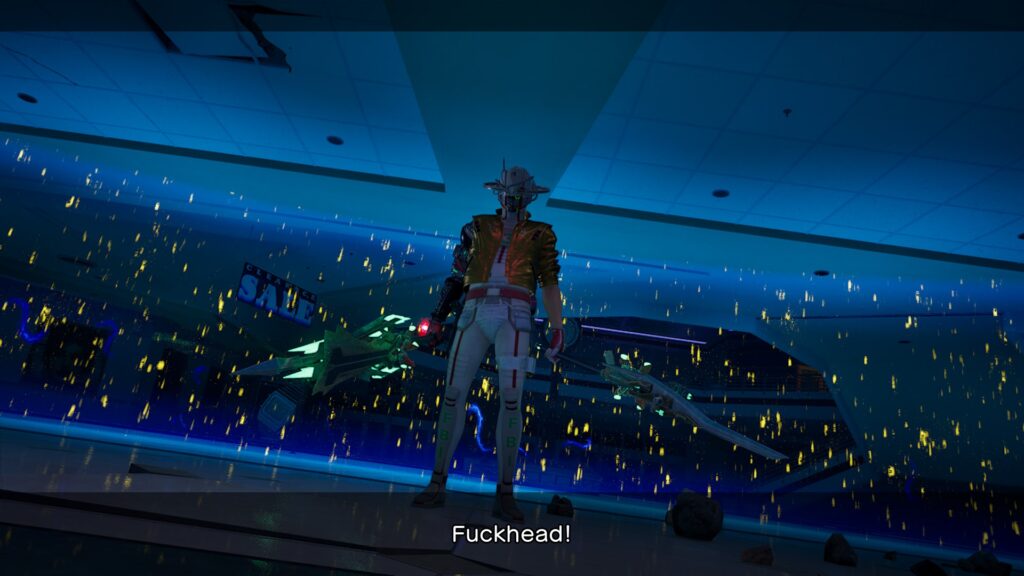
Enemy variety is decent, though not groundbreaking. You will encounter different types that require different responses. Some rush aggressively. Others hang back and pressure you from a distance. A few demand careful timing to break through defenses. The real challenge comes when multiple enemy types mix. That’s when positioning matters. You start prioritizing threats. You learn not to overextend. On higher difficulty settings, enemies hit harder and punish mistakes quickly. I welcomed that shift. A good action game should reward mastery, and here it does. Death rarely felt unfair. Most failures came from greed pushing a combo too long, ignoring a ranged attacker, or mistiming a dodge. That’s a sign of fair design.
Battlefields That Feel Like Stages
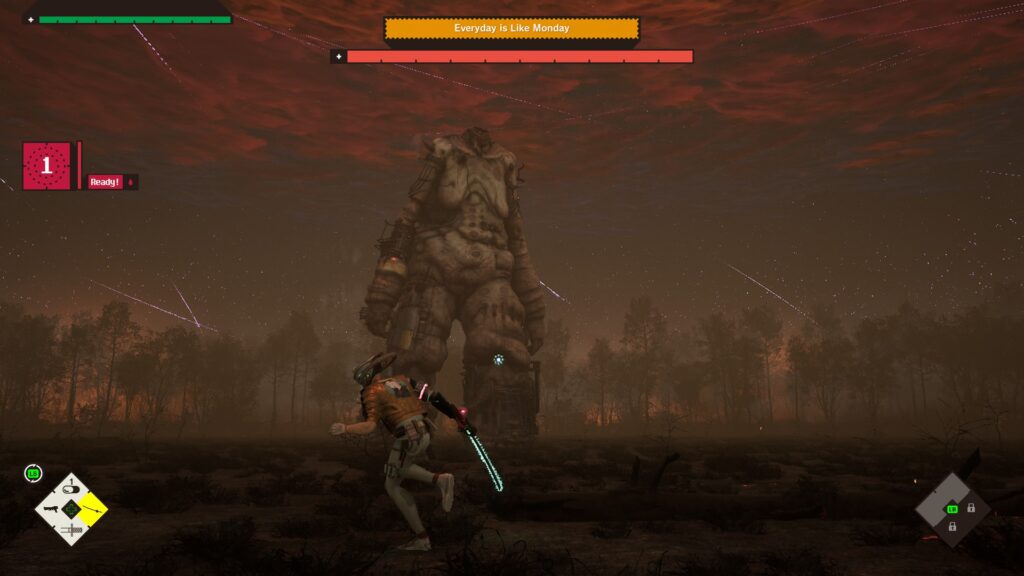
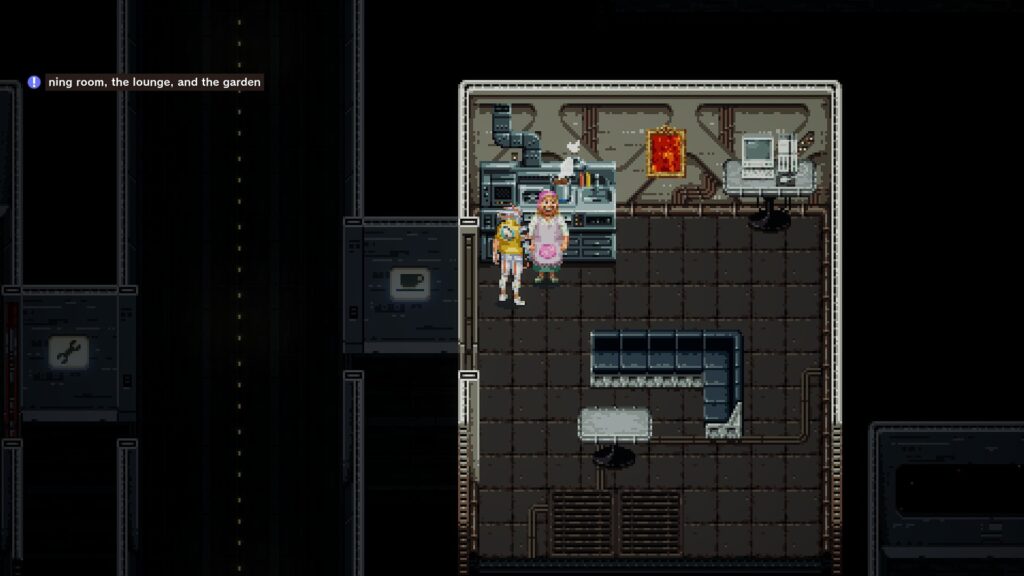
The game follows a chapter-based progression system. Most levels are structured around combat arenas connected by short transitions. This works well for maintaining intensity. Some chapters are tightly packed with enemy encounters, barely giving you time to breathe. Others introduce slower segments, including light platforming or brief exploratory moments. These sections aren’t terrible, but they do slightly interrupt the flow. As someone who prefers constant combat momentum, I found those moments less engaging. However, they don’t overstay their welcome. The game quickly returns to what it does best: action. Visually, environments vary enough to keep things fresh. While not every area is breathtaking, there’s enough stylistic flair to prevent repetition.
Style Over Subtlety – And Proud of It
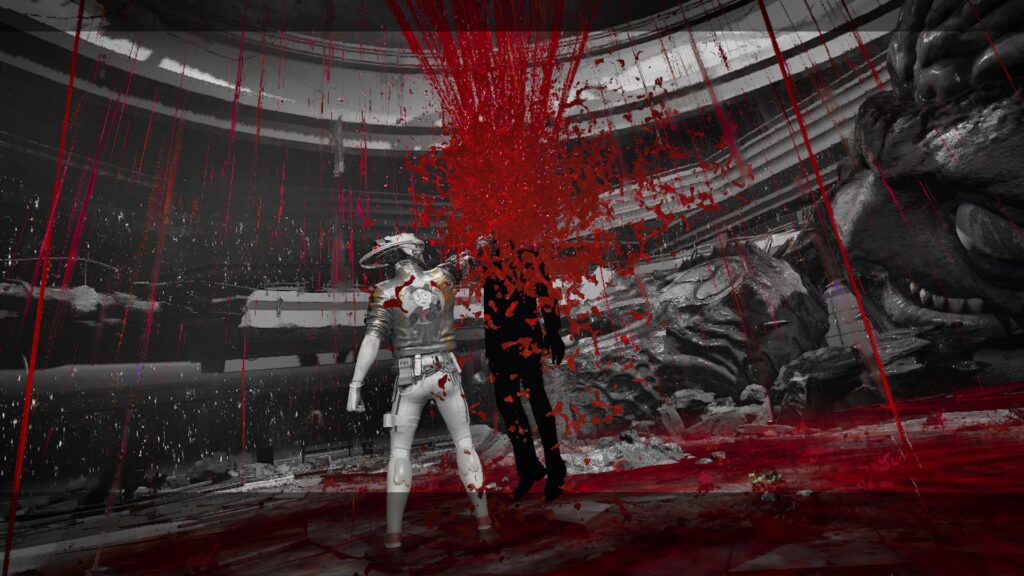
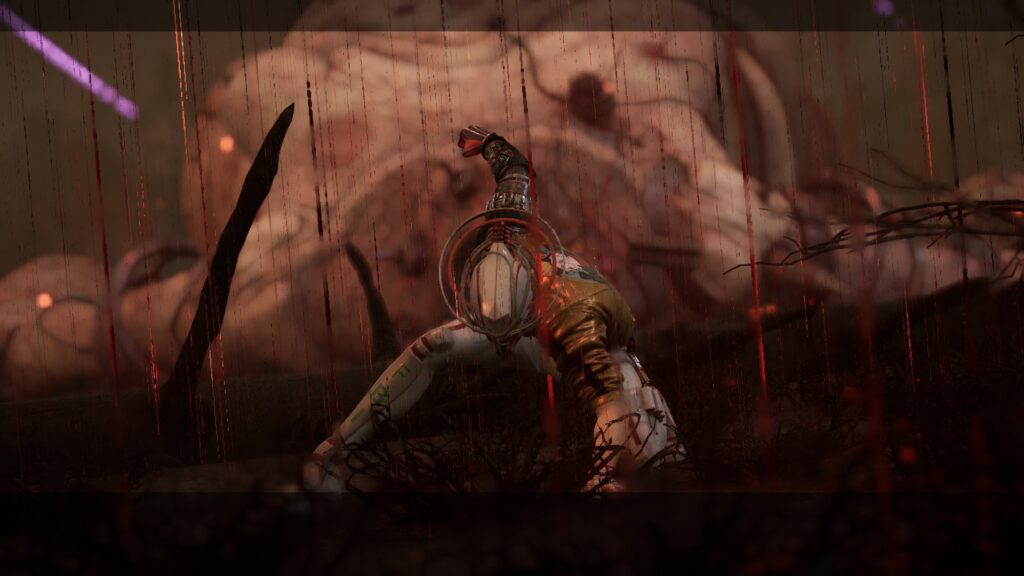
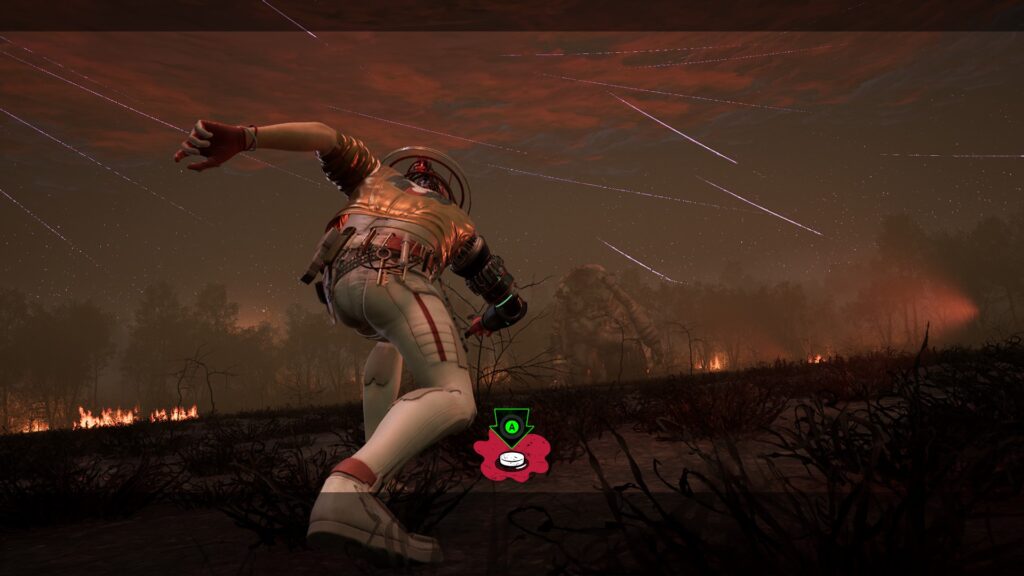
One of the most distinctive elements of Romeo is a Dead Man is its presentation. The art direction doesn’t chase hyper realism. Instead, it leans into exaggerated, stylized visuals. Cutscenes shift tone and aesthetic in unexpected ways. Combat arenas often feel like theatrical stages rather than realistic environments. As someone who’s played countless polished AAA action games, I found this artistic boldness refreshing. The soundtrack complements the chaos perfectly. Music intensifies during fights and eases during transitions. Sound effects pack a punch, and enemy audio cues help maintain situational awareness. It’s clear the developers prioritized personality over perfection, and honestly, that gives the game charm.
Technical Stability – Rough Edges, Solid Core
Playing on PC, performance was generally stable. During large combat encounters, there were minor frame dips, but nothing game-breaking. Controls remained responsive throughout my playthrough. I didn’t encounter major bugs or crashes, which is always a relief in modern releases. While not technically flawless, it performs reliably enough to maintain immersion.
Difficulty That Respects Skill
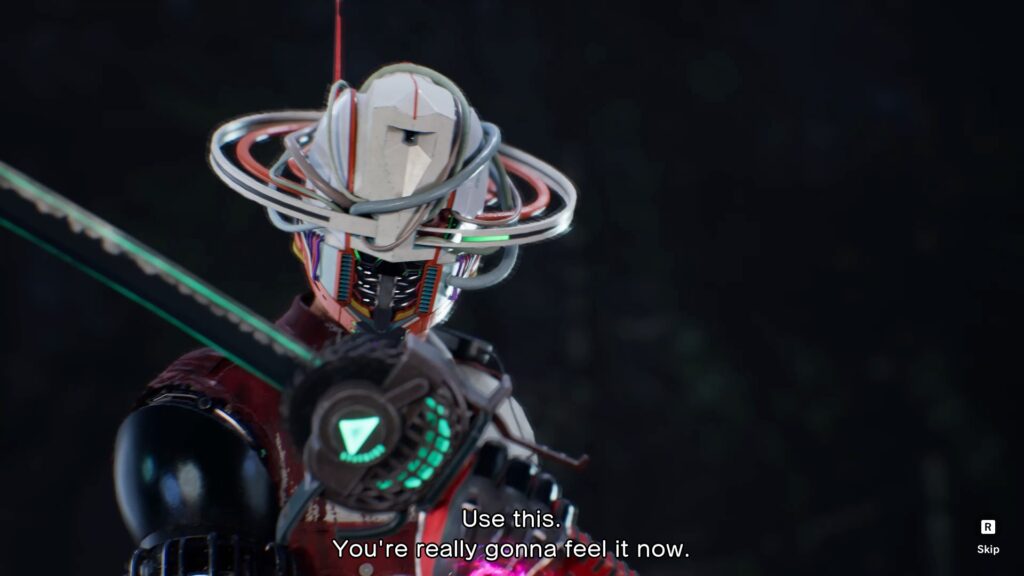
The game offers enough challenge to justify multiple runs, especially if you enjoy refining your skills. Higher difficulty settings significantly raise the stakes. Combat systems with room for mastery tend to keep me coming back, and this one has that potential. Perfecting encounters, minimizing damage taken, and experimenting with weapon combinations all add replay value. It’s not endlessly expansive, but it doesn’t need to be. The focused campaign length works in its favor.
A Story That Whispers Instead of Explains
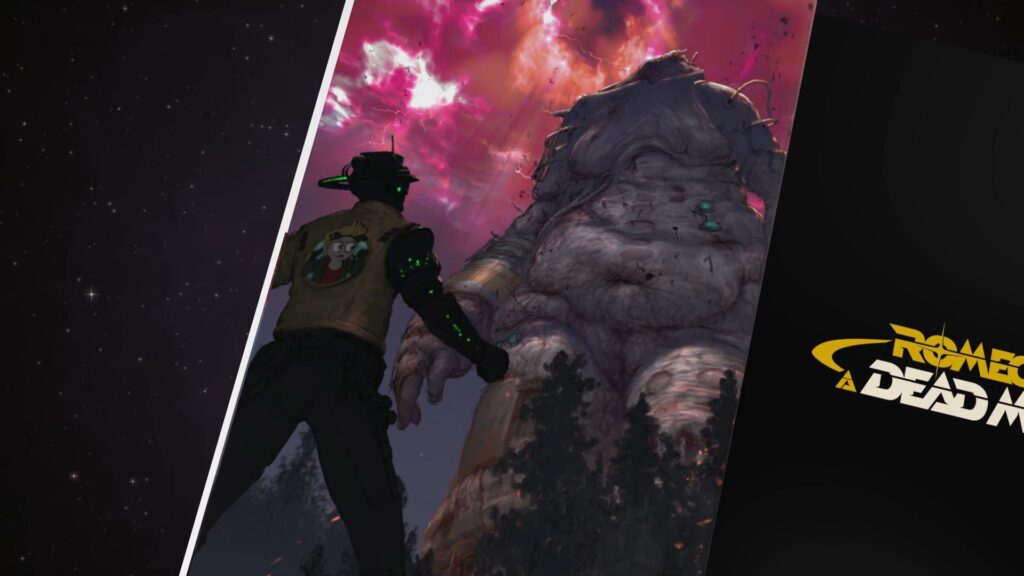
Without spoiling anything, the story leans into surreal territory. It’s eccentric, sometimes intentionally confusing, and driven more by mood than traditional structure. As someone who values gameplay over exposition in action titles, I didn’t mind this approach. The narrative provides context and flavor but never overwhelms the experience. If you’re expecting a deeply grounded or emotionally heavy storyline, you may find it unconventional. But if you’re open to stylistic storytelling, it fits the tone of the game well.
Where the Blade Dulls Slightly
No honest review ignores flaws. Enemy variety could expand further to keep later chapters feeling fresh. Some animation transitions lack polish. Occasional pacing dips disrupt combat flow. There is also a sense that some ideas could have been pushed further. The foundation is strong, but a bit more refinement would elevate it from good to exceptional. Still, none of these issues completely undermines the experience.
Real Talk
After completing Romeo is a Dead Man, I walked away feeling satisfied. It’s not the most technically advanced action game I’ve played. It’s not the deepest mechanically. But it’s bold, energetic, and confident in its identity. The combat system rewards skill. The presentation stands out. The pacing mostly maintains intensity. And most importantly, it never feels boring.
FINAL SCORE: 85/100
The Good
- Satisfying, skill-based combat system that rewards timing and smart positioning
- Seamless blend of melee and ranged combat keeps fights dynamic
- Stylized and bold art direction that stands out from generic action games
The Bad
- Enemy variety could be deeper, especially in later chapters
- Some animation stiffness compared to top-tier action titles
- Some mechanics feel like they could’ve been pushed further