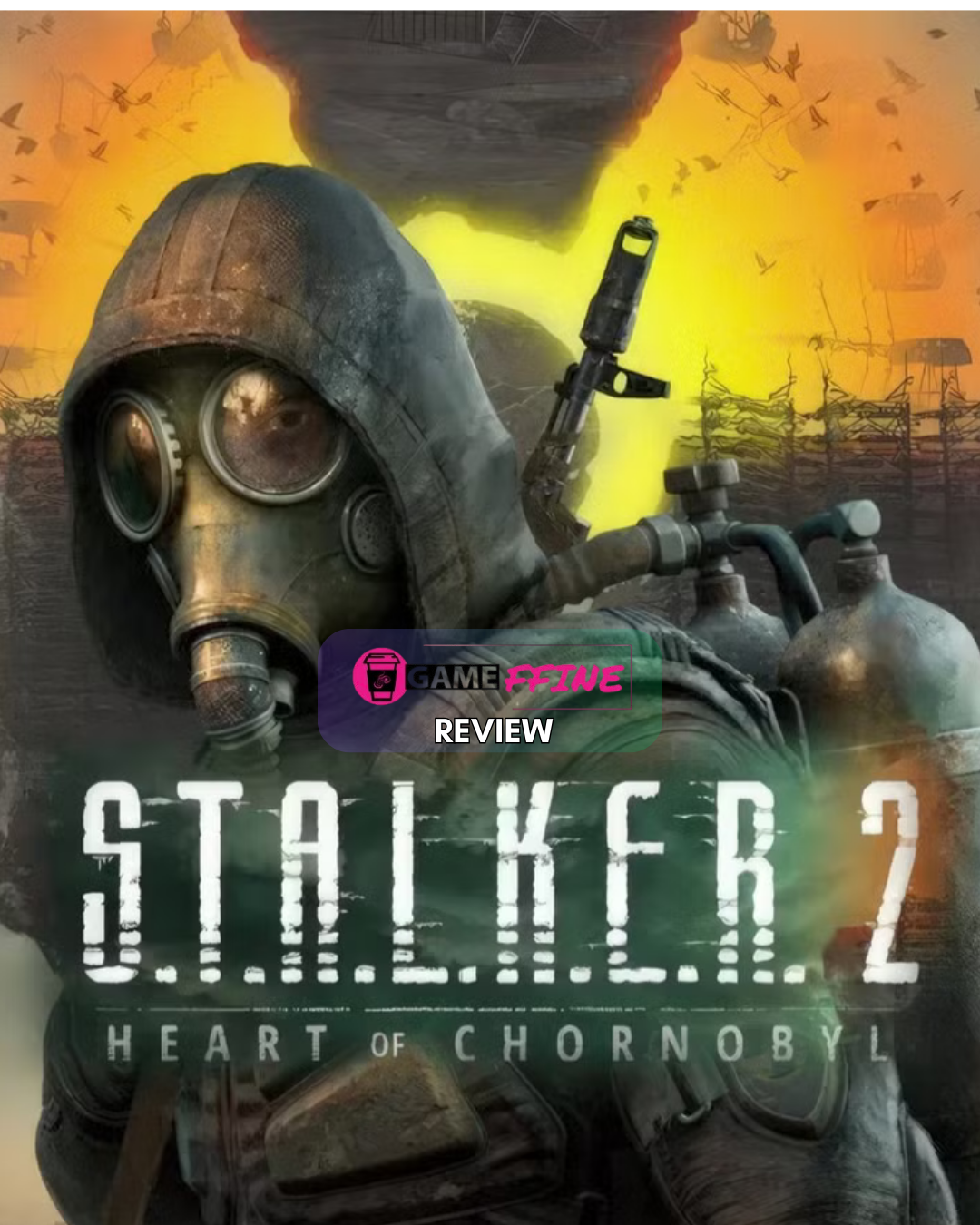





When S.T.A.L.K.E.R. 2: Heart of Chornobyl originally launched on Xbox and PC in November 2024, it arrived not with a bang, but with a complicated whimper. It was a diamond buried under layers of radioactive sludge—technically ambitious but marred by a litany of game-breaking bugs, broken A-Life systems, and performance that brought high-end rigs to their knees. However, criticizing the game purely on technical grounds felt almost cruel, given the context. GSC Game World didn’t just develop this game; they fought for it.
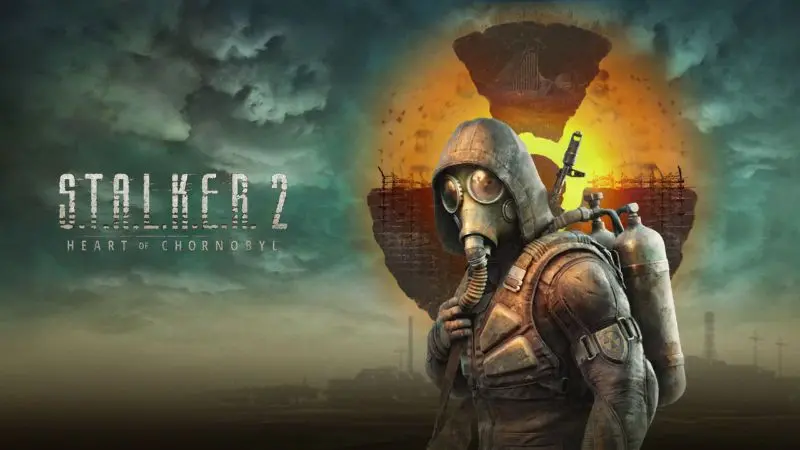
Developing a massive open-world shooter is hard enough; doing it while your country is invaded, your office is relocated across borders, and your servers are subjected to relentless cyberattacks is a Herculean feat. The 2024 launch was a miracle of existence, even if it wasn’t a miracle of polish.
Fast forward to November 2025. The PlayStation 5 release marks the end of a one-year exclusivity window, but more importantly, it marks the finish line of a redemption arc. After a year of aggressive patching, community feedback, and the transformative “Update 1.7,” the S.T.A.L.K.E.R. 2 playing on my PS5 today is effectively a completely different video game. It is finally the masterpiece it was always meant to be.
From Broken Dreams to Polished Nightmares
The difference between the 2024 launch edition and this PS5 version is night and day. Where the original release felt like a chaotic Early Access title, the PS5 version feels like a definitive “Director’s Cut.”
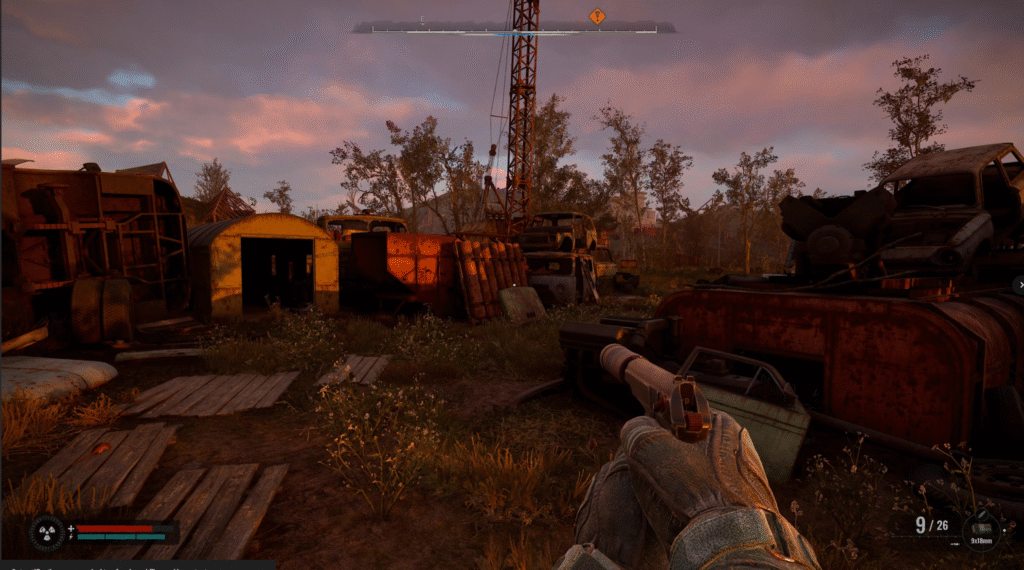
The most immediate improvement is stability. The Zone is a seamless, terrifyingly beautiful 64km² map, and on the PS5’s Performance Mode, it holds a surprisingly steady 60 FPS. Gone are the stuttering traversal hitches that plagued the Xbox launch. The infamous “A-Life 2.0” system—which simulates the ecosystem of mutants and factions interacting even when you aren’t looking—has improved, but still has issues that need to be ironed out.
The same goes for the spawn system, where most human enemies now appear naturally around the player. However, mutants like rodents and critters still use the notorious bubble spawn system, spawning within a bubble around the player and sometimes in large numbers. The best way to handle them is to bail out, as no matter how many you take down, more will spawn right after.
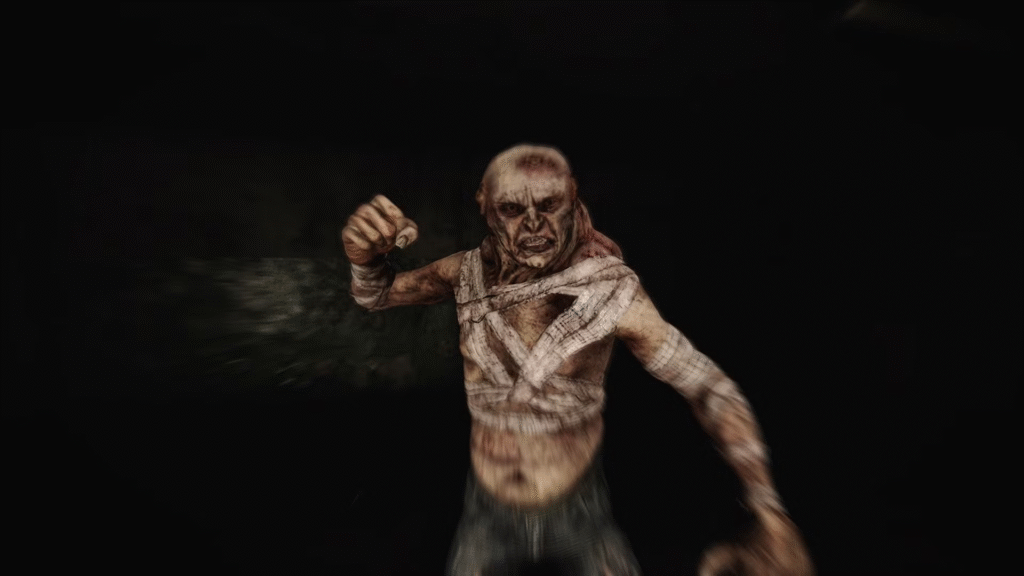
Overall, despite its rough edges, it is easily one of the best open worlds you can explore, and with the technical shackles removed, the core brilliance of S.T.A.L.K.E.R. 2 shines. This is one of the most atmospheric games ever made. The lighting, powered by Unreal Engine 5, is jaw-dropping on the console. Watching a blowout storm roll in, turning the sky a bruised purple while lightning illuminates the rusting hulks of Soviet architecture, is a visual benchmark for this generation. One standout event in particular is during emissions, when the skies turn red due to radiation storms. It feels surreal and bodes quite naturally in the game’s world.
What’s New Around the Zone?
The game is set in a fictionalized version of the Chornobyl Exclusion Zone, years after the events of the original trilogy. A second explosion in 2006 created “The Zone,” a place defying the laws of physics, filled with deadly anomalies, mutated creatures, and valuable artifacts. You play as Skif, a new protagonist who illegally enters the Zone to uncover the truth behind a specific artifact that destroyed his apartment and threatens his life.
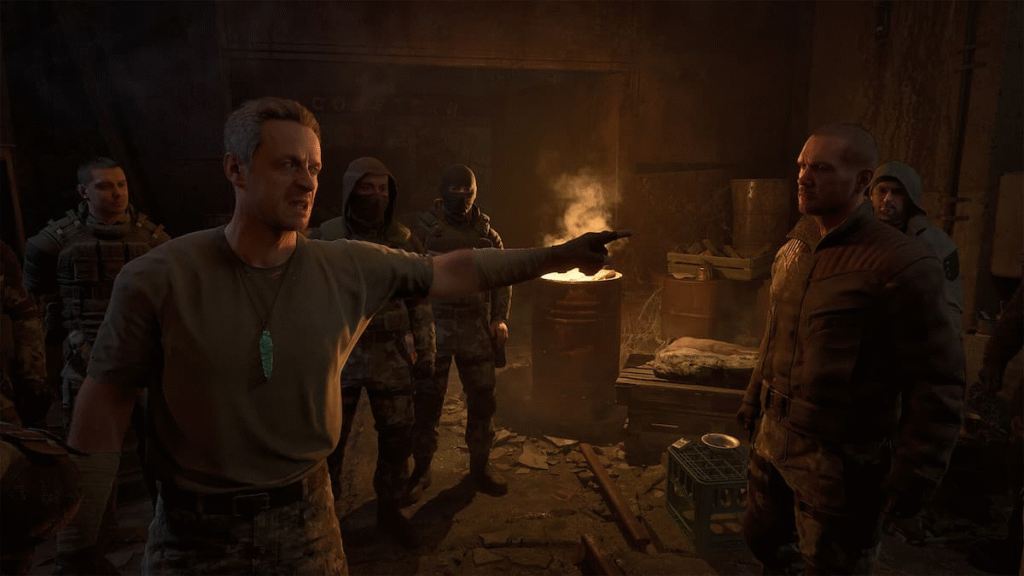
His personal journey quickly expands into a wider conflict over the “Heart of Chornobyl,” pitting the militaristic Ward against the freedom-seeking Spark, led by returning veterans like Scar. The narrative ties these factional struggles to legacy mysteries involving characters from the old trilogy, such as Strelok, ultimately exploring themes of fatal obsession, the high cost of knowledge, and humanity’s arrogance in the face of the Zone’s indifferent and deadly nature.
Unlike the original, S.T.A.L.K.E.R. 2 takes a more cinematic and focused approach to its narrative, driving the story through main quests. I really enjoy its characters, both the new faces and those returning from the legacy. However, Skiff, as the deciding factor in the large-scale factional struggle threatening all of humanity, feels pretty unmotivating. The facial animations are still sub-par and can break immersion. Still, compared to the text-heavy era of 2007, its cinematic, voice-driven narrative makes it a great entry point for newcomers to the series.
The Way of The S.T.A.L.K.E.R.
One thing that sets the S.T.A.L.K.E.R. series apart from most first-person immersive sandboxes is how tough it is. S.T.A.L.K.E.R. 2 is no exception. Even on normal difficulty, you might not last more than 10 minutes. Death lurks around every corner in the Zone, sometimes in plain sight, other times hidden. Anomalies, mutants, mutants that control other undead mutants, enemies with pinpoint accuracy who can shoot through dense foliage and near-zero visibility—the list of threats is massive.
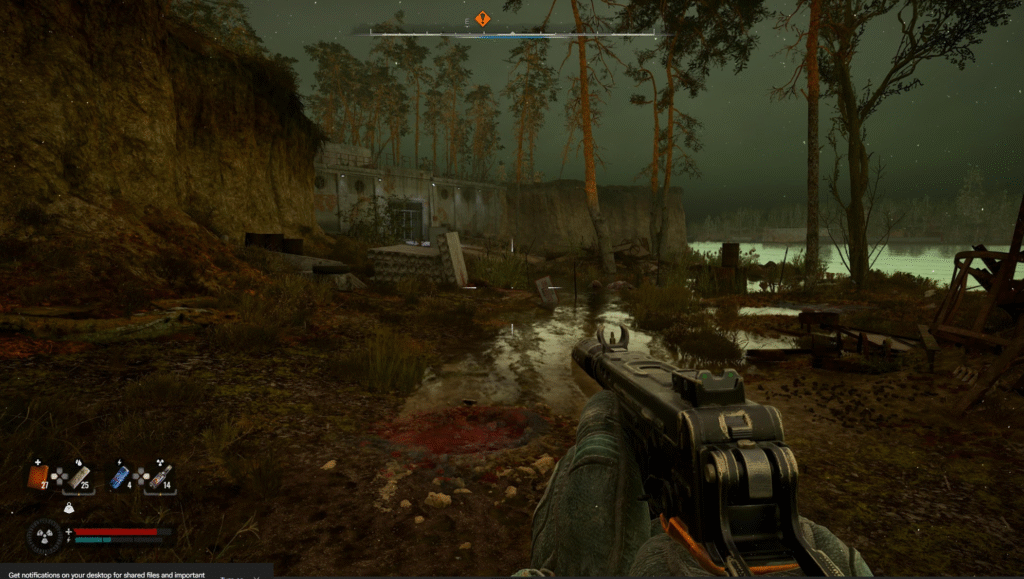
For a more forgiving experience, you can set the difficulty to Rookie until you gather some decent gear. Or you can tackle the steep learning curve and master the ways of S.T.A.L.K.E.R. Your best tools are bolts to trigger anomalies and temporarily pause them, and bandages to stop bleeding. Still, expect to die a lot, with the death counter easily surpassing 30 before long. While some mods can help balance the game, sticking to Rookie difficulty is recommended if the first few hours feel too frustrating.
Dual Sense Activated
While the stability is welcome, the PlayStation 5-specific features add a layer of immersion I didn’t know I needed. GSC has utilized the DualSense controller masterfully.
The use of controller speakers here is impressive. The chilling click of the Geiger counter coming straight from your hands adds a layer of panic to artifact hunting that regular audio just can’t match. Every aspect of the controller’s sounds can be adjusted in-game, which makes me wonder why more studios aren’t taking advantage of them the way S.T.A.L.K.E.R. 2 does. P.S. It might annoy people around you, so better tweak it based on your surroundings.
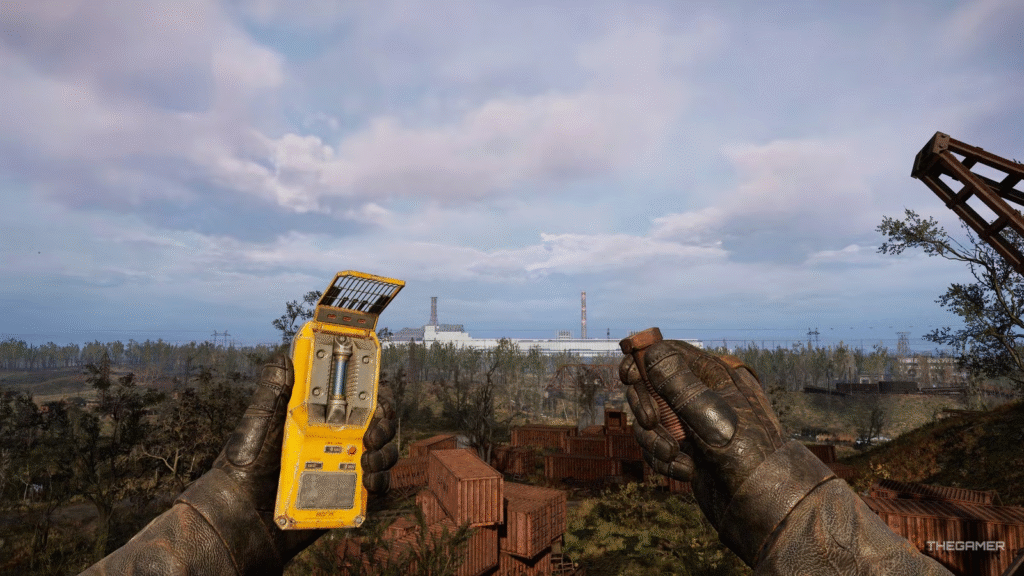
The implementation of haptic feedback is equally remarkable. You can feel the distinct heaviness of Skif’s steps depending on the terrain—the crunch of irradiated glass feels different than the squelch of a swamp.
Adaptive Triggers are the icing on the cake. Every weapon has a unique trigger profile. The jammed, rusty AK-74u fights your finger with jagged resistance, while a pristine Western sniper rifle offers a smooth, crisp break. It makes the gunplay feel desperate and physical.
I’m not sure if these features are supported on the Steam version if you have DualSense, but if they are, I would highly recommend checking it out for a change.
Real Talk
S.T.A.L.K.E.R. 2: Heart of Chornobyl on PlayStation 5 is the biggest comeback story of the year. The level of optimization is remarkable, and the implementation of DualSense features makes it one of the best PS5 ports ever released. While its quest system, A-Life, and enemy spawning still suffer from slight hiccups, nothing can rival the immersion it creates through its desolate wasteland that demands commitment in learning the ways of a S.T.A.L.K.E.R.
FINAL SCORE 90/100
S.T.A.L.K.E.R. 2: Heart of Chornobyl Review
S.T.A.L.K.E.R. 2: Heart of Chornobyl ReviewThe Good
- Immersive and Challenging Sandbox
- Exploration and Combat
- Dual Sense Controller Features
- Visuals and Artstyle
The Bad
- Glitches in Quest Design
- Enemy Spawn System