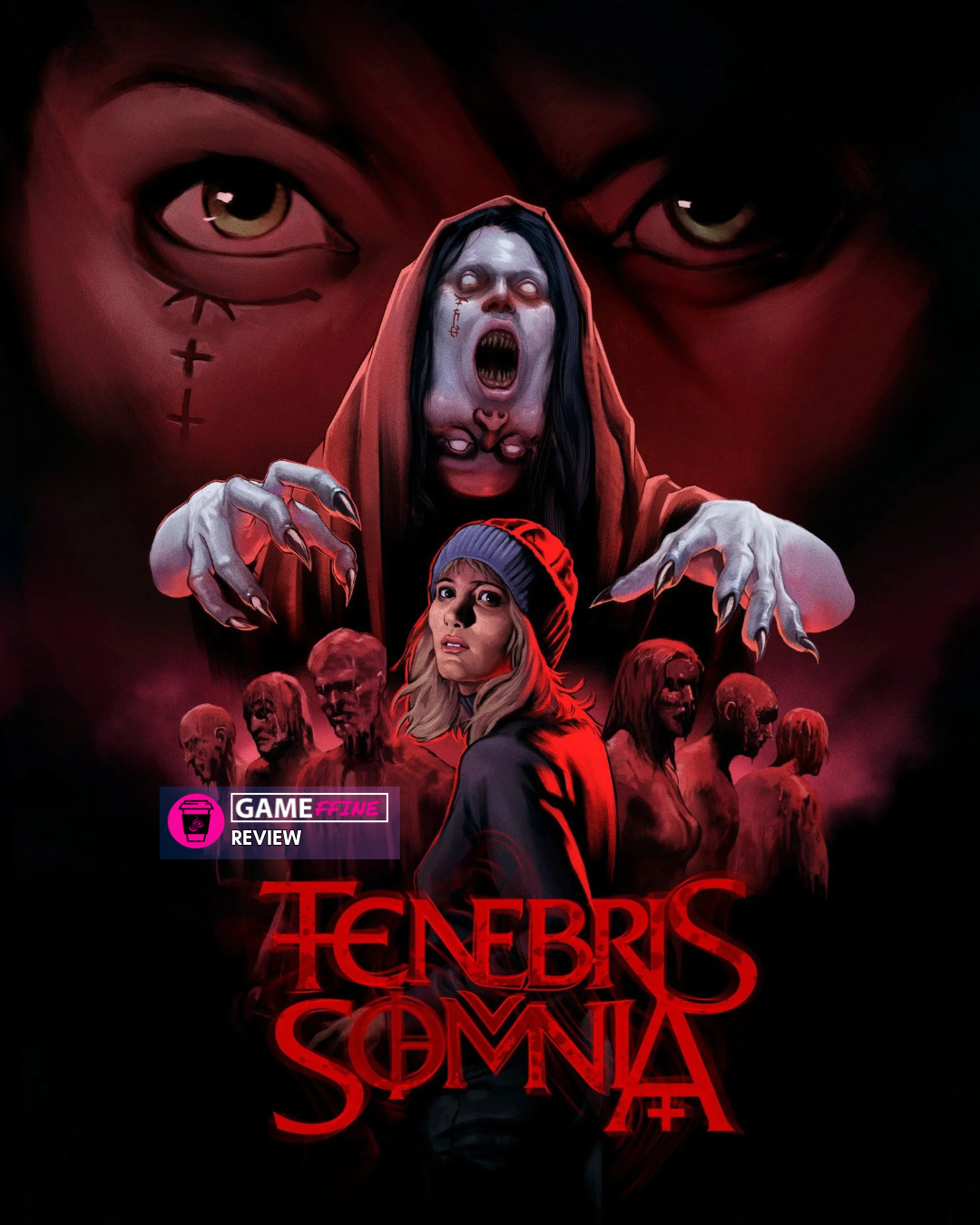



I love seeing indie horror games trying out ideas that you don’t normally see in bigger releases, and Tenebris Somnia definitely caught my attention. The whole idea of mixing pixel-art gameplay with FMV horror scenes sounded pretty strange at first, but the more I looked into it, the more interested I became. The game has that old-school horror look, with pixelated characters and dark environments that remind me of classic survival horror games. But then you get these live-action scenes with real actors and practical effects, and suddenly it feels like you’re watching a completely different game. It’s a weird combination, but that’s honestly what makes it interesting. Not everything works perfectly, but I appreciate the fact that the developers tried something different instead of playing it safe.
The Story Keeps Things Interesting
The story follows Julia, who starts having disturbing nightmares involving her former boyfriend, Ivan. Things get even stranger when she returns to their old apartment and discovers that something isn’t right. I’m not going to get into the details because I don’t want to spoil anything for people who haven’t played it. A big part of the experience is figuring out what’s happening and trying to connect the different pieces of the story. I like the general direction the game takes. There’s a constant feeling that something is wrong, and you never have the full picture of what’s going on. It makes you curious enough to keep playing. That said, the story can be a little confusing at times. Some things aren’t explained as clearly as they could be, and I can see why that might bother certain players. Personally, I don’t mind a bit of mystery in a horror game, as long as it gives me something worth thinking about.
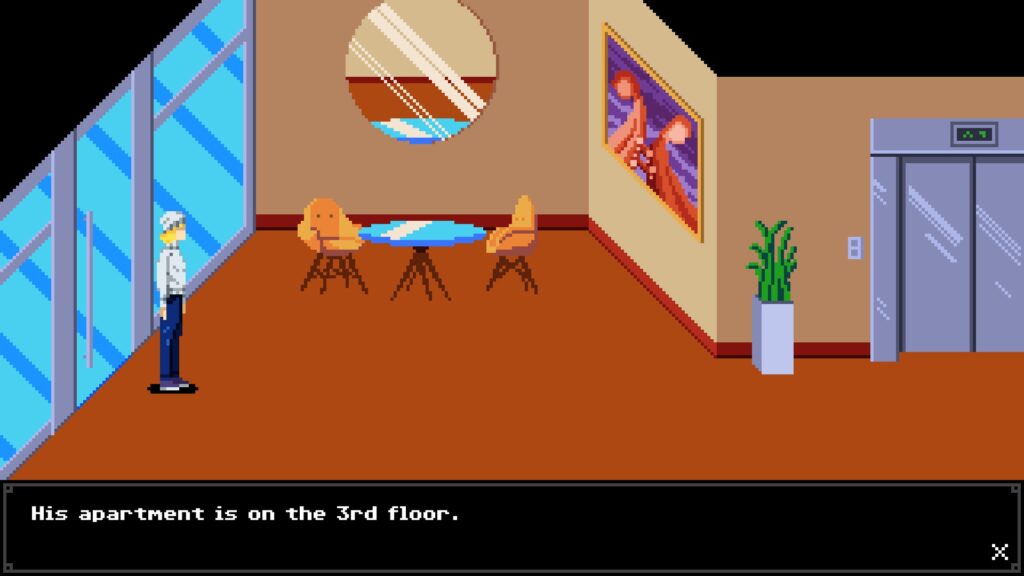
The Live-Action Scenes Steal the Show
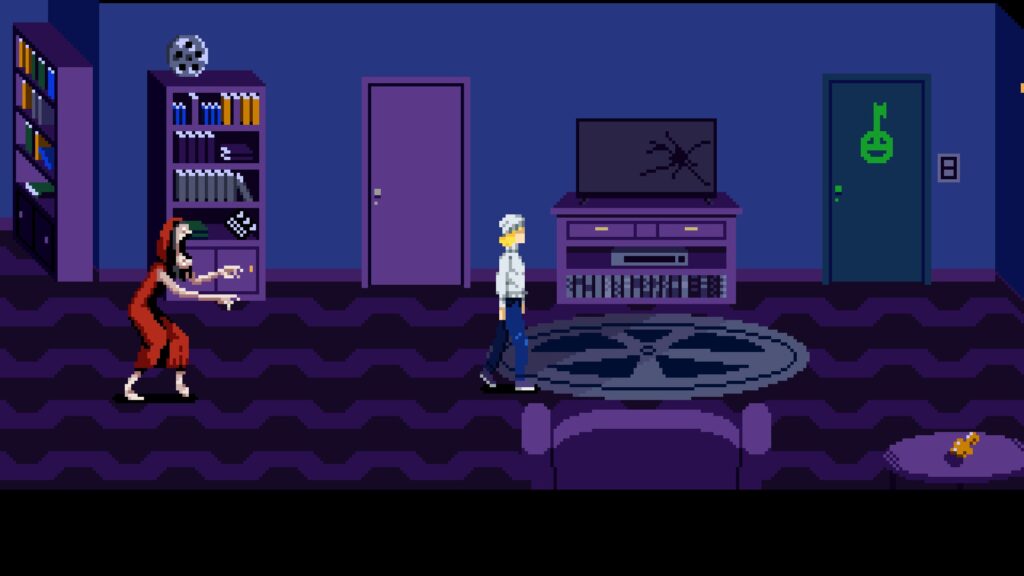
This is probably the first thing people notice about Tenebris Somnia, and for good reason. Most pixel-art horror games stick with the same visual style throughout the entire experience. Here, you’re exploring a retro-looking environment one moment, and then suddenly you’re watching real actors in a live-action horror scene. The difference is pretty jarring at first, but I think that’s part of the appeal. The practical effects are especially interesting. There’s something about physical creature effects that makes them feel different from the usual digital monsters. They can look a little rough or strange, but that actually works for this kind of horror. I also like how the game uses the two styles to create a different atmosphere. The pixel art leaves certain things to your imagination, while the live-action scenes show you the horror in a much more direct way. Of course, I don’t think everyone will enjoy these transitions. Some people might find them distracting, and the live-action footage has a very different feel from the actual gameplay. Still, it’s an ambitious idea, and I think it gives the game a personality of its own.

The Atmosphere Is What Keeps You Playing
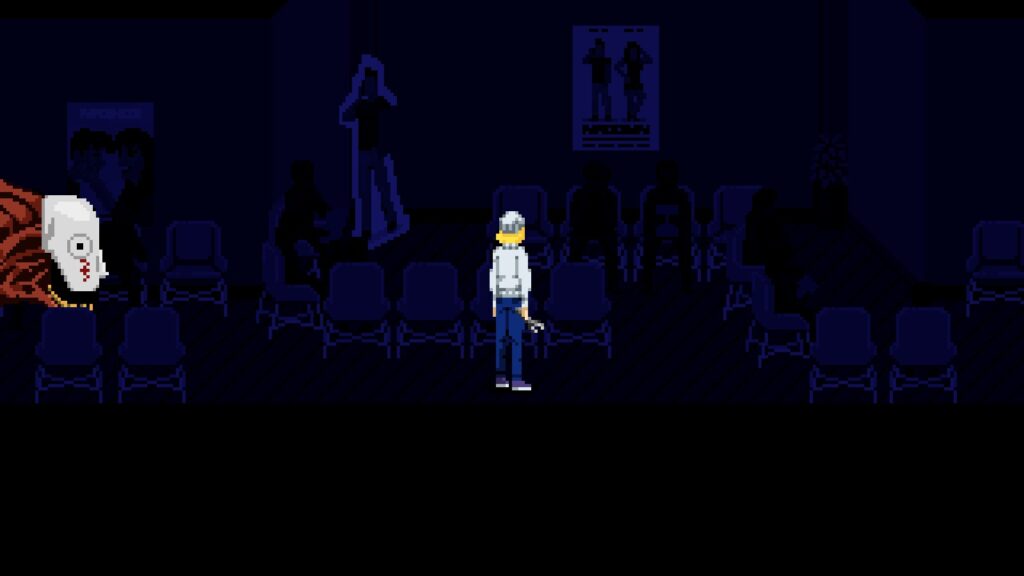
A horror game doesn’t always need to throw monsters at you every five minutes to be scary. Sometimes, just exploring an unfamiliar location and wondering what might happen next is enough. Tenebris Somnia understands that pretty well. The environments have that creepy, old-school feeling where even an ordinary room can make you uncomfortable. You never really know when something is going to happen, and that uncertainty helps keep things interesting. The sound design also plays an important role. Strange noises and quiet moments can make an area feel unsettling without the game needing to rely on constant jump scares. I personally prefer this kind of horror because it gives you time to get comfortable before reminding you that you’re probably not safe. The pixel art works well with the overall atmosphere, too. It might not be realistic, but it doesn’t need to be. Sometimes, what you imagine is much worse than what the game actually shows you.
The Gameplay Feels Familiar
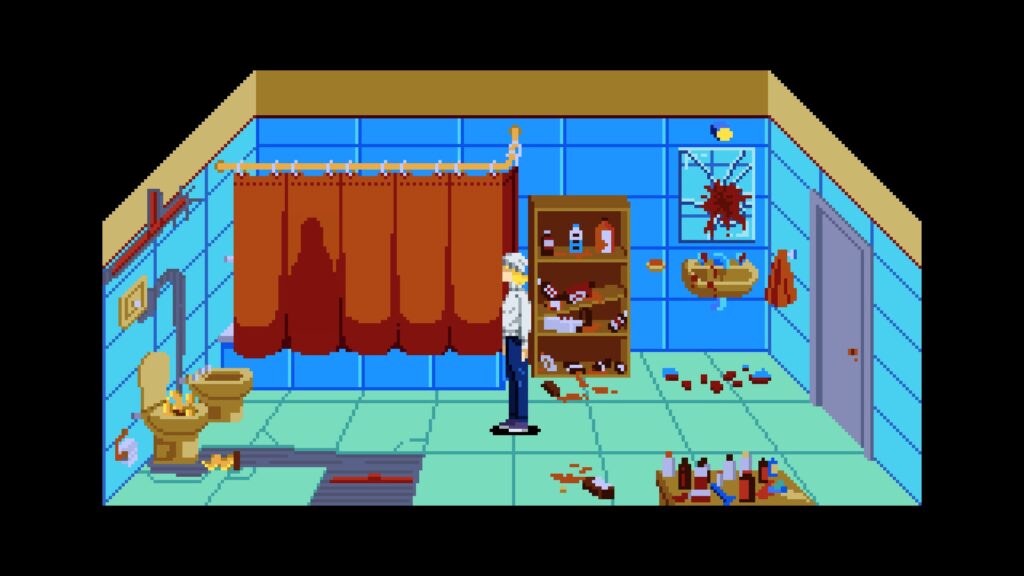
When you’re not watching the live-action scenes, you’re playing a fairly traditional survival horror game. You’ll explore different locations, search for items, solve puzzles, and deal with enemies along the way. If you’ve played older survival horror games, most of these mechanics will feel familiar. I enjoy this kind of gameplay because it encourages you to pay attention to your surroundings. Finding an item and later discovering where it belongs can be satisfying, especially when the game doesn’t explain everything immediately. However, the gameplay isn’t quite as strong as the presentation. Some puzzles can leave you wandering around longer than necessary, trying to figure out what you’re supposed to do next. I don’t mind difficult puzzles, but there’s a difference between making players think and making them feel lost for the wrong reasons. The combat could also be better. Some encounters feel a little clumsy, and fighting enemies isn’t always as satisfying as it should be. Survival horror is supposed to make you feel vulnerable, but it shouldn’t make you frustrated with the mechanics themselves. These aren’t massive problems, but they do take away from the experience occasionally.
A Few Things Could Have Been Better
My biggest issue with Tenebris Somnia is that the gameplay doesn’t always match how interesting the overall concept is. The combination of pixel art and live action is genuinely unusual, and the atmosphere does a good job of making the world feel disturbing. But some of the actual gameplay feels like something we’ve seen many times before. The puzzles can be confusing, combat feels rough in places, and the transitions between live action and gameplay might not work for everyone. I also wish the game did a little more with its unique presentation. There’s so much potential in combining a video game with practical-effects horror, and I’d love to see more developers experiment with ideas like this. Still, I’d rather play something that takes a few creative risks than something that feels completely generic.
Real Talk
I came away from Tenebris Somnia appreciating what it was trying to do, even if I don’t think every part of it works equally well. The live-action scenes are easily the most distinctive feature, and the practical effects give the horror a different feel from what you’d normally expect from a pixel-art game. The atmosphere is creepy, and the story gives you a reason to keep going. The gameplay is a little less impressive. Some puzzles are confusing, combat could be smoother, and a few sections feel rough around the edges. These issues stop the game from being as good as it could have been.
FINAL SCORE : 84/100
Tenebris Somnia
Tenebris SomniaThe Good
- Unique mix of retro pixel art and live-action horror
- Practical creature effects that give the monsters a physical, unsettling feel
- Creepy atmosphere that builds tension without relying entirely on jump scares
The Bad
- Combat can feel clunky and frustrating
- Some puzzles and progression can be confusing
- Gameplay mechanics feel familiar compared to other survival horror games