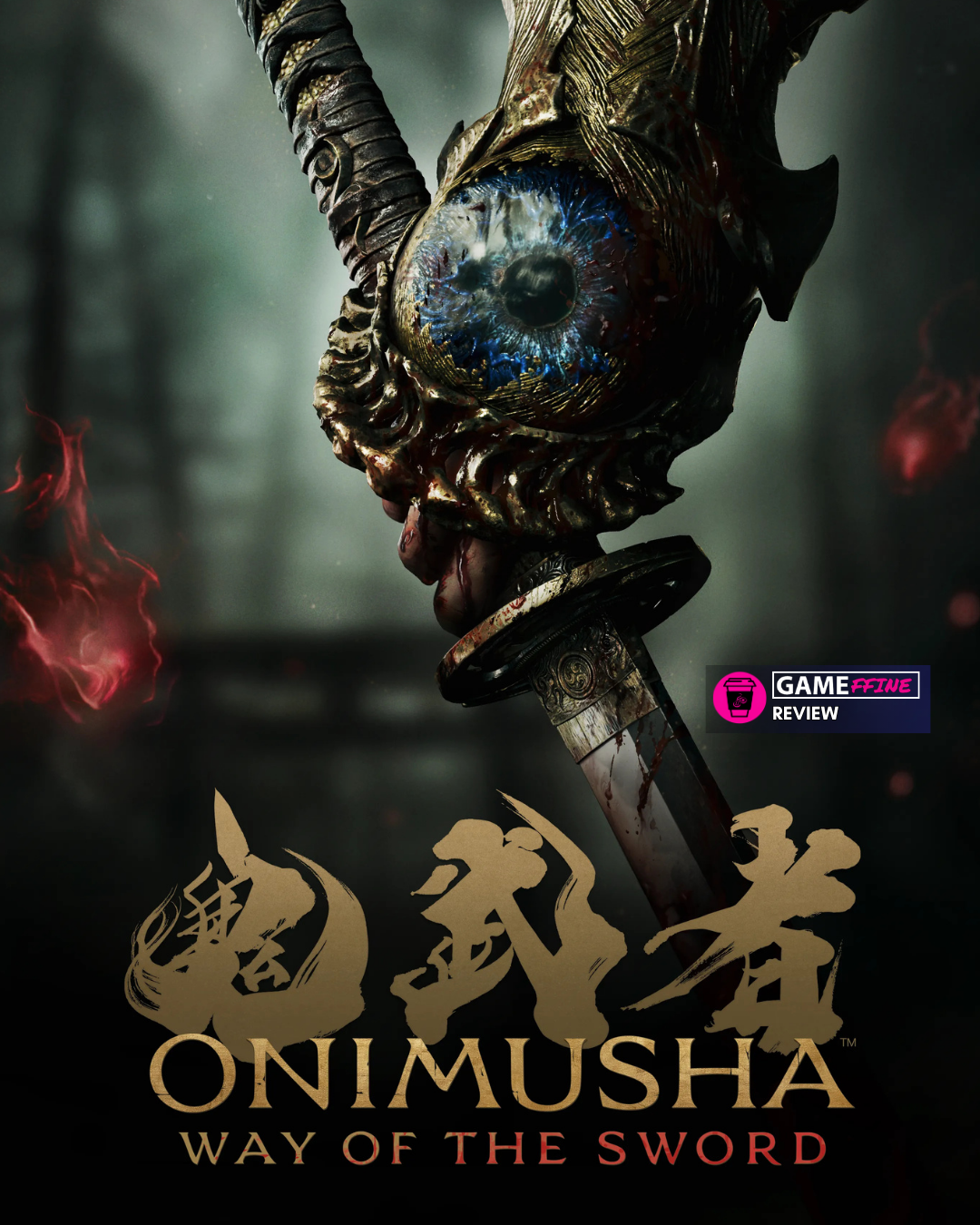



With the release of Onimusha: Way of the Sword, Capcom, or as the internet would say, ‘Cap god,’ has ended its 2026 run on a legendary note. This year, rather than relying on remakes or remasters, the studio released only brand-new entries. From Resident Evil: Requiem’s impeccable blend of survival horror and ruthless action to Pragmata’s seamless shooting and hacking mechanics, the studio has reinvented genres in almost every entry that it has released this year. With Onimusha: Way of the Sword, Capcom has gone even further – reimagining and reviving a series that has been in a slumber for the past two decades.
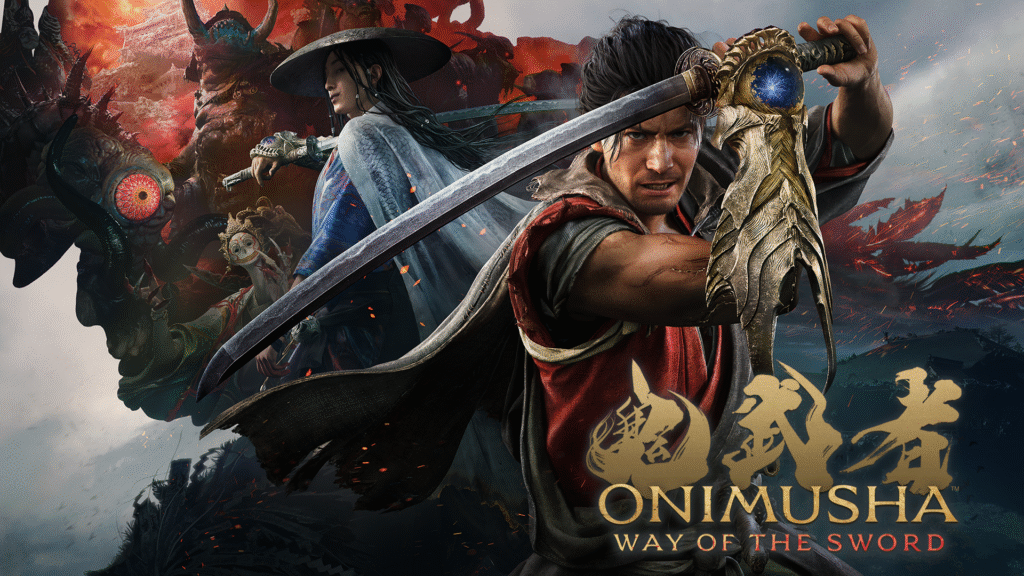
Capcom’s Onimusha: Way of the Sword is the fifth mainline entry in the Onimusha series and the first since the release of 2006’s PS2 classic Onimusha: Dawn of Dreams (currently available in the PS+ Classics catalogue). It follows the legendary samurai Miyamoto Musashi as he explores a dystopian version of Japan’s old capital, Kyoto, where he combats rival swordsmen, the undead warriors, and supernatural entities. It was released on 4th September 2026 for PlayStation 5, Steam (PC), Xbox Series S|X and Nintendo Switch 2.
Kintsugi: The Art of Bringing Back the Dead
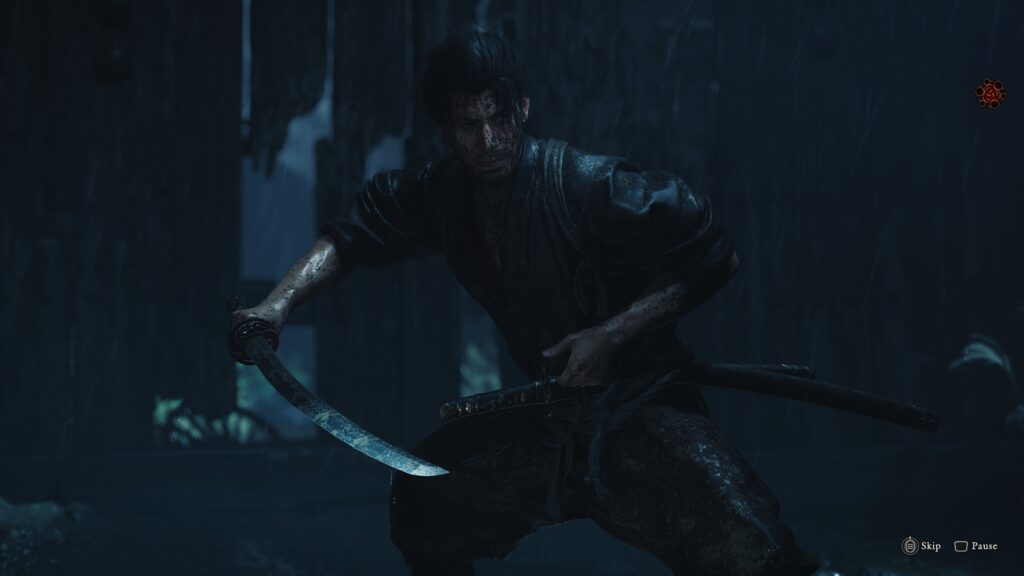
Set in feudal Japan’s Kyoto, Onimusha: Way of the Sword starts with Miyamoto Musashi defeating Yoshioka Seijuro, a master swordsman of the Yoshioka school. Miyamoto finds himself severely outnumbered by the school’s disciples. As he makes a run for his life, he runs into his rival Sasaki Ganryu. While preparing for their duel, both get ambushed and killed by Genma forces. Miyamoto wakes up at the doorstep of hell, where he is rescued by an old man who forcefully attaches an Oni gauntlet to his hand and sends him back to the mortal world.
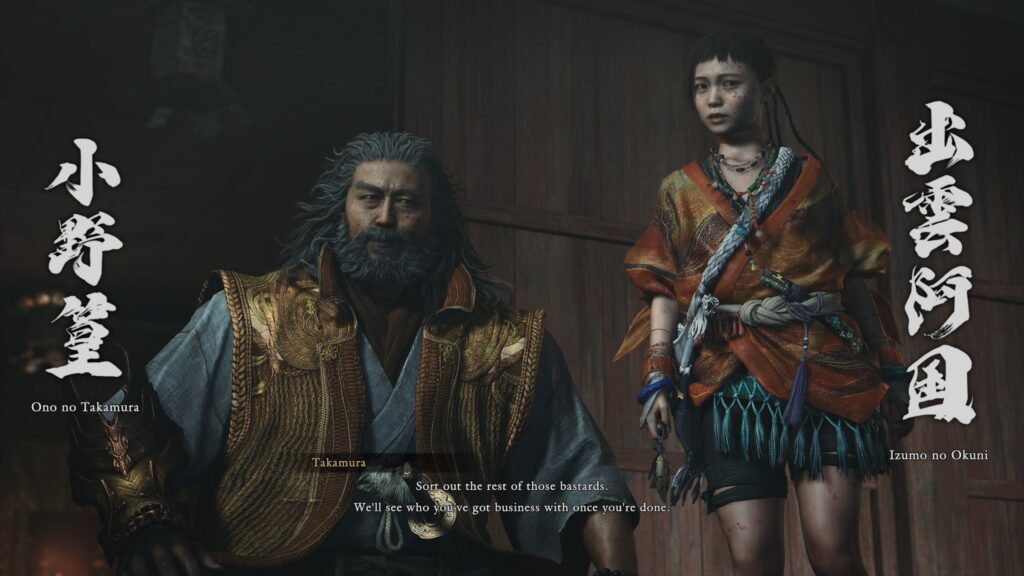
Back in the mortal world, Miyamoto comes back to life, his fatal stab wounds now covered with gold fillings similar to Japanese pottery art, Kintsugi, a technique that involves reattaching broken objects with gold, making them even more valuable than before. Having a second chance at life, the once-cocky Miyamoto sees the rising threat of Genma and sets out on a journey to rid the old capital of Genma’s malice – undergoing an emotional transformation that reshapes his destiny.
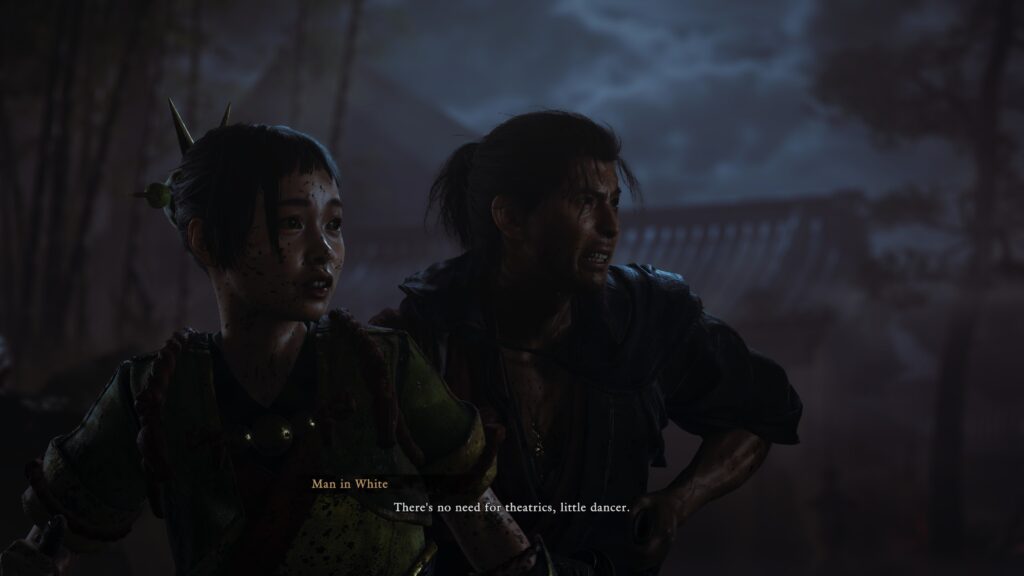
It’s easily one of the most memorable stories that Capcom has produced. The revival and the transformation that Miyamoto goes through on his journey are reminiscent of the changes most of Capcom’s in-house titles have seen, especially Onimusha, a series once considered dead a few years ago. The persona of Miyamoto Musashi that I admire through his literature- The Book of Five Rings seems very different to that of the persona, which is present in this game, and for good reason too. The Miyamoto that we see in the game is young and cocky, as he was during his early years. This journey of him growing out of his self-centred persona to a selfless one is the perfect storm that this series could ask for.
The Way of the Sword: Two Heavens as One
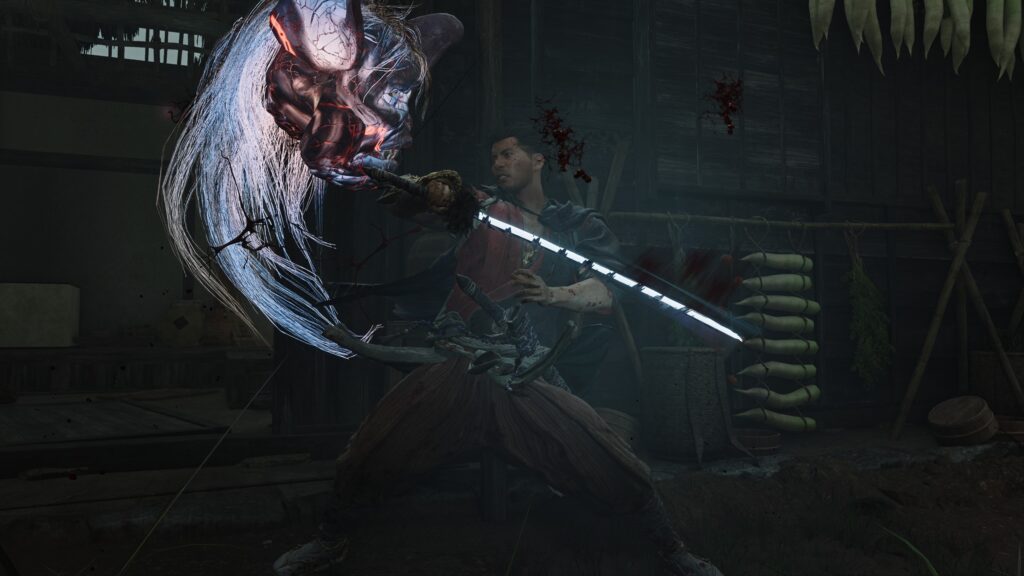
Onimusha: Way of the Sword fully embodies Miyamoto Musashi’s real sword arts, Niten Ichi-ryū or Two Heavens as One, as it involves dual-wielding swordplay. This is fully reflected in the game, as Miyamoto overpowers his foes with his long sword, the katana, and deals the killing blow with the short one, the wakizashi. In the gameplay, the combat features slow yet precise movement and attacks that hit you like a flash of thunder. It’s completely different to that of old Onimusha games, which may upset some of the series’ veterans.
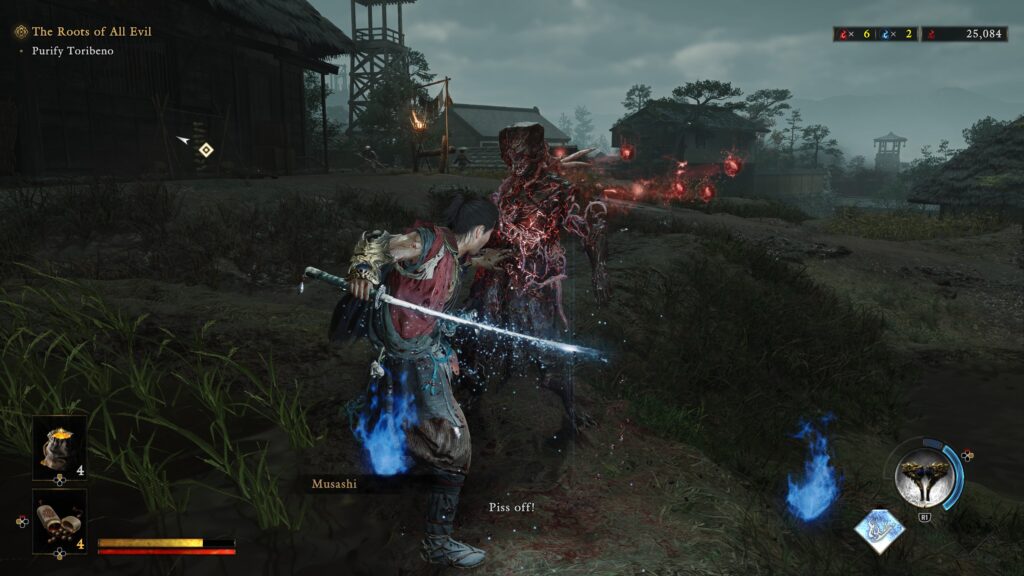
In my opinion, this is a major upgrade and easily one of the most unique combat systems we’ve seen in recent years, with impressive depth in execution. While most games stick to basic moves like block, parry, dodge, and roll, this one goes far beyond. The focus here is on draining your opponent’s stamina, much like Sekiro’s posture bar system. Parries and deflections work differently too—they’re not instant. When Musashi parries, the swords clash and slide, igniting the blade. My favorite move is the Issen, where you strike just as the enemy’s sword is about to hit you. The timing window is razor-thin, but landing it feels incredibly rewarding. However, both parry and Issen are very dependent on your FPS; above 90–100 FPS, the timing window becomes too short and punishing. Locking it to 60 FPS will greatly enhance the experience.
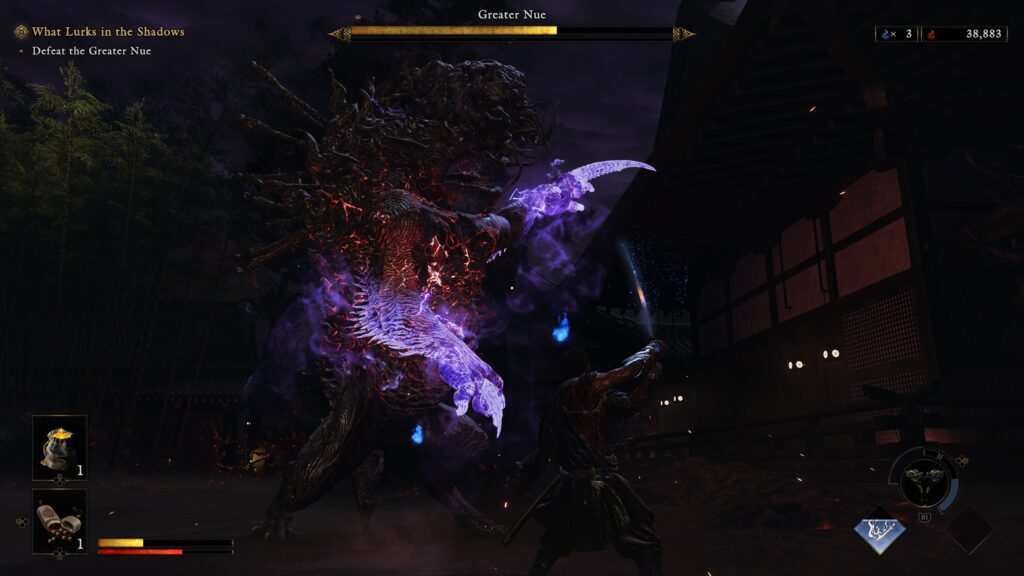
The game’s systems clearly push players toward an aggressive playstyle. While relying on parries and dodges might work early on, bosses barely take stamina damage from these moves, making a defensive approach on action difficulty frustrating. Bosses are far tougher than regular enemies, but going on the offensive completely transforms the experience. The Oni ornaments and bow shine in this style, and with the ability to replay bosses, I tested this approach and enjoyed every moment. The combat blends slow movement with fast, impactful attacks, creating a unique, deeply satisfying, and highly engaging system. It’s easily one of the most accessible combat designs I’ve ever encountered.
Kyoto: The Thousand-Year Capital
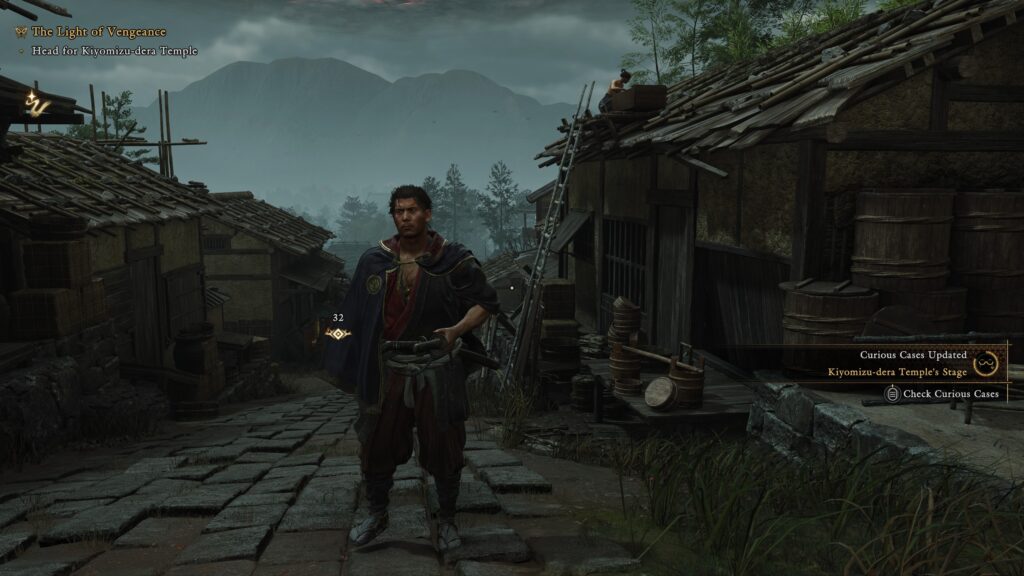
Kyoto’s portrayal in Onimusha is impressive. The eastern part acts as a semi-open-world area, with more of the town unlocking as you clear away the malice. This involves closing rifts and removing malice flowers, reminiscent of Devil May Cry 5’s Qliphoth root clearing while playing as Nero or V. There’s no shortage of side activities, secrets, and collectibles to discover. Exploration is encouraged, as upgrading clothing, swords, gauntlets, and the Hozuki healing pouch requires various upgrade materials. While many materials can be bought using souls, others demand thorough exploration. Thankfully, with its navigation system, whether you’re tracking down a lost dog, rescuing a citizen, or hunting treasure, dull moments rarely come by.
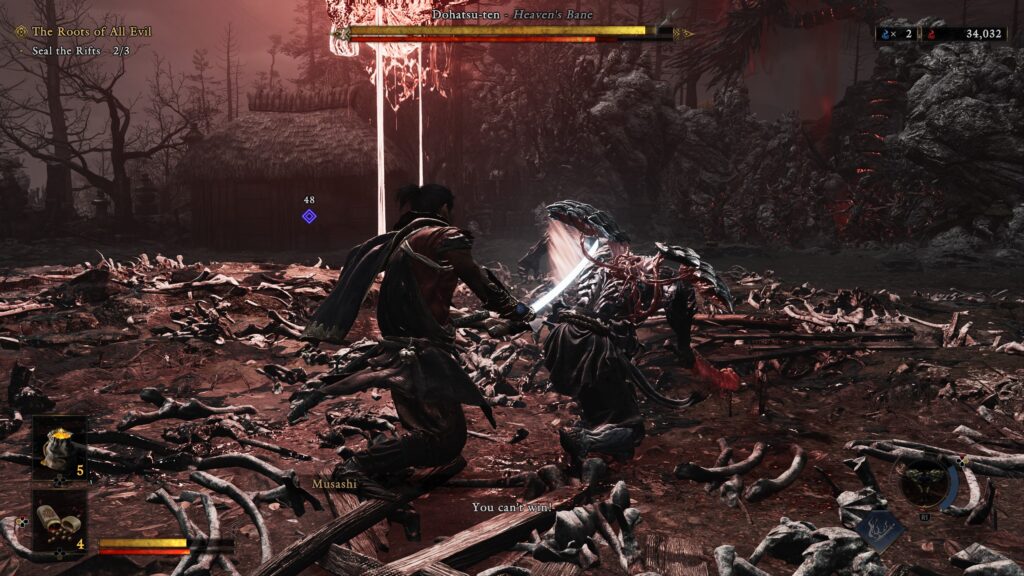
Visually, the game is impressive. With all settings maxed out on my RTX 5070 desktop, I was averaging 90–95 fps in the eastern capital and even higher in the linear sections. However, playing at such high frame rates can make the experience feel punishing, so I’d recommend keeping it locked at 60, even if your system can push higher numbers. The game’s bleak color scheme reflects its themes, but don’t be fooled—this is still a great-looking game. While the physics systems feel somewhat muted, environmental effects like fire or setting things ablaze are handled beautifully.
Real Talk
Onimusha: Way of the Sword is a masterclass of action, blending fast-paced swordplay with graceful character movement for an experience that feels both fantastical and grounded. Rather than sticking to the formula of its predecessors, it takes bold risks and delivers an unforgettable story about the greatest swordsman who ever lived. Capcom couldn’t have closed out its stellar year on a higher note.
FINAL SCORE: 95/100
Onimusha: Way of The Sword
Onimusha: Way of The SwordThe Good
- The Plot and Premise
- Protagonist and Character Development
- Bosses and Enemy Variety
- Combat System
- Exploration and Traversal
The Bad
- Short Parry and Issen Window at High Framerates
- Upgrade System for Gear