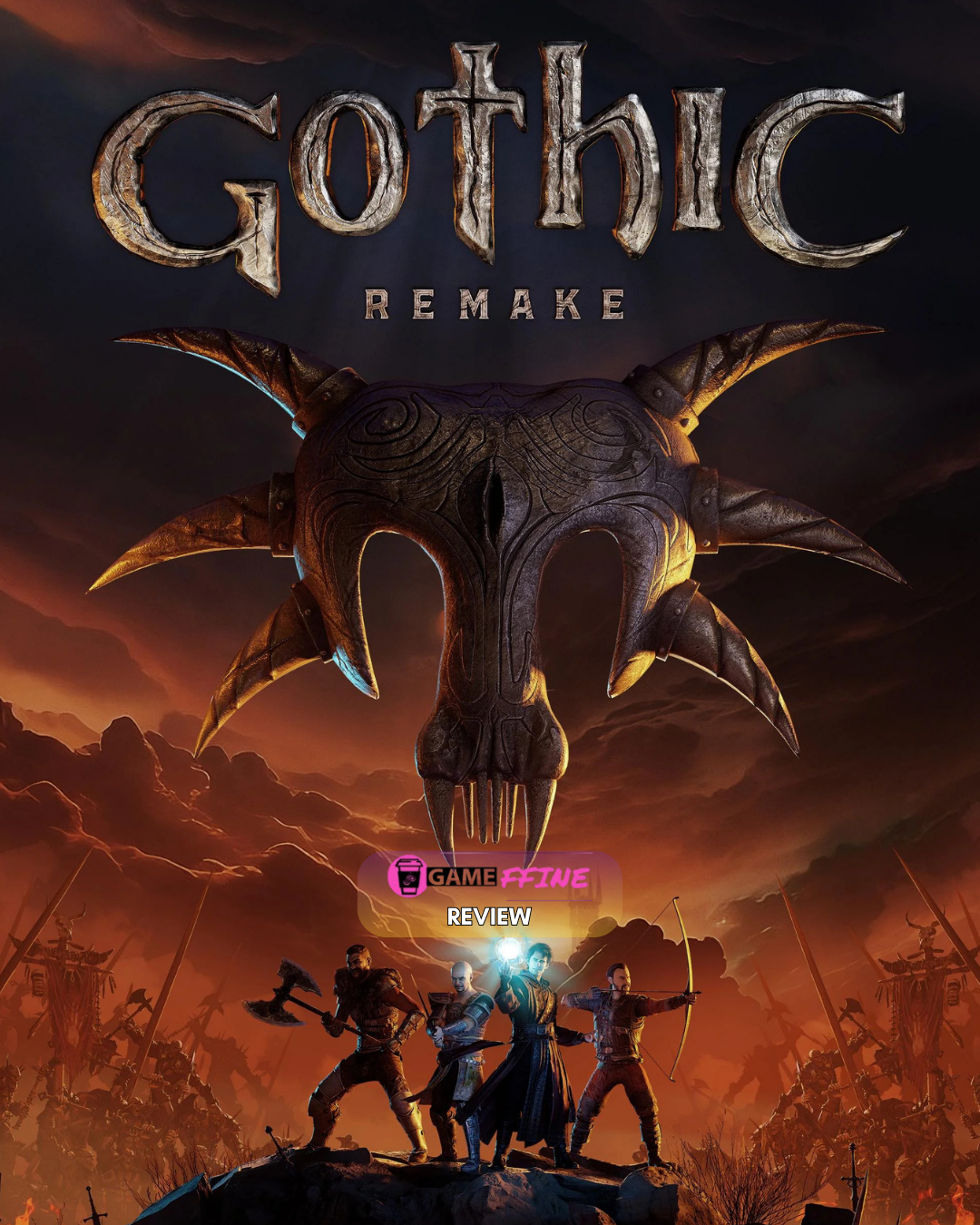




What do you feel when your favorite video game developer closes its doors for good? Sit there dumbfounded? Be sad? Cry? From the heartbreaking closure of Black Isle to the slow death of Raven and Monolith, I went through the motions a couple of times. But when Piranha Bytes, the German underdogs I always rooted for, closed its doors two years ago, things happened differently. For the first time, I was indifferent.
The writing was on the wall for a while. Piranha Bytes caught lightning in a bottle twice. Originally with the groundbreaking 2001 PC RPG Gothic and once again in 2002, with Gothic 2, the improved follow-up that winds up on many “best RPGs of all time” lists. Piranha Bytes in 2024 was not the same company. It had lost most of the key people who made Gothic 1 and 2 possible. For twenty years, the studio was playing catch-up to two of their own products. They tried to replicate the Gothic formula in everything but the name to middling results. Risen isn’t Gothic and so isn’t Elex. The closure of the studio was perhaps for the best and prevented further tarnishing of its 25-year-old legacy.
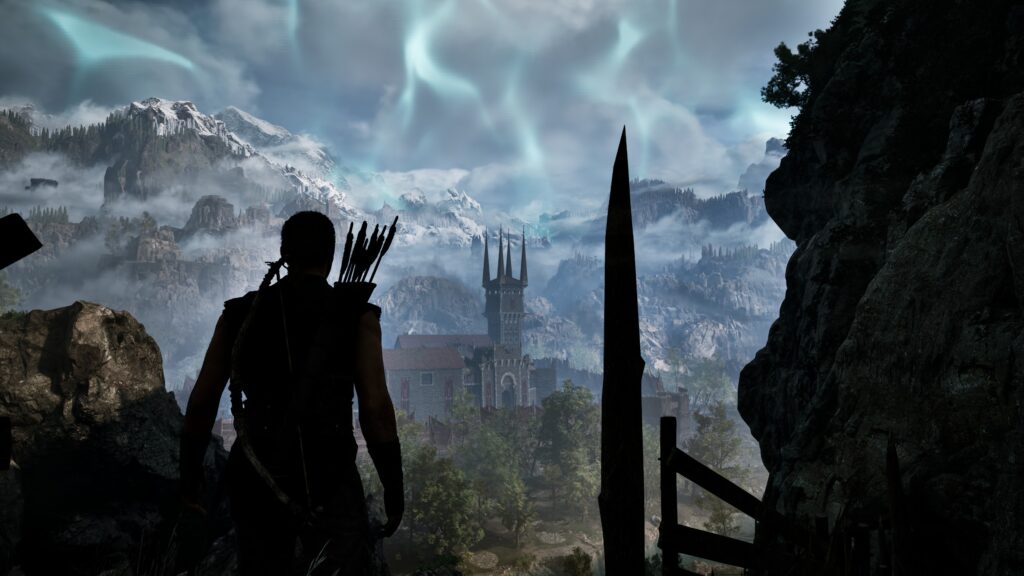
The Gothic 1 Remake had been in development even before Piranha Bytes shut down. The 2019 prototype Playable Teaser released to test the waters for a potential remake wasn’t exactly good. The fact that a remake of a seminal RPG was handed off to a new studio was hard to digest. The Nyras Prologue was an improvement, but something seemed amiss. Fast forward to earlier this month, and Gothic 1 Remake finally launched for PC and consoles. Being so emotionally invested in the Gothic series, it’s hard for me to review the remake without showing even a bit of bias or giving myself in to nostalgia completely. But try I must.
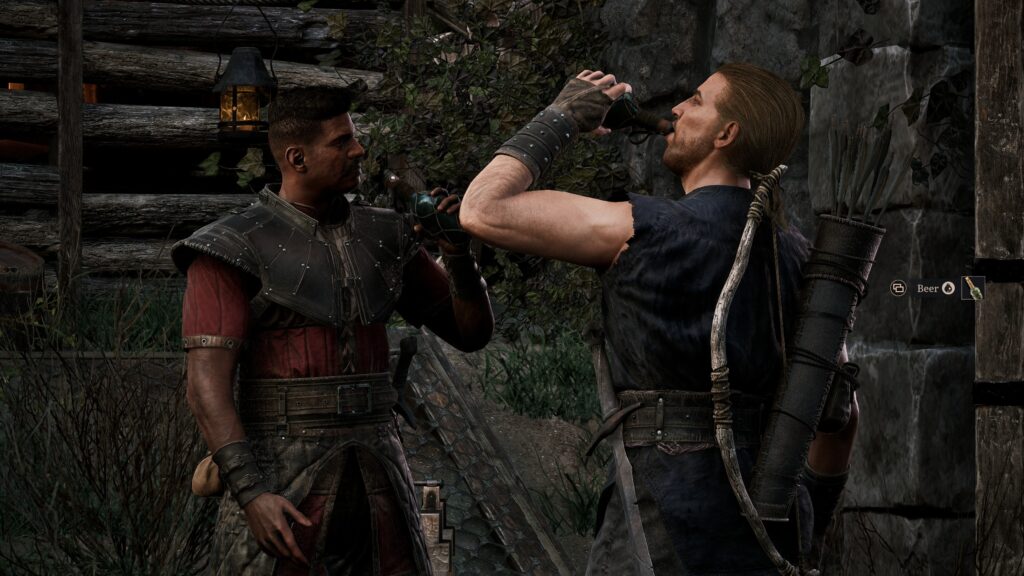
After spending more than 60 hours with the remake, I’m so glad to report that Gothic 1 Remake has succeeded in what it set out to do. I’ve seen some publications claim that it’s a very “faithful” remake of the original and that it preserves its atmosphere and immersion. Well, they’re not wrong about the second part. Alkimia Interactive has done a stellar job in recreating the vibe and tone of the original. At a time when publishers care more about banking on nostalgia in place of fostering new ideas, it’s easy for legacy IPs to lose their essence when brought back to the modern age. In the case of Gothic 1 Remake, Alkimia avoids the fallacy of overdesigning and overcompensating.
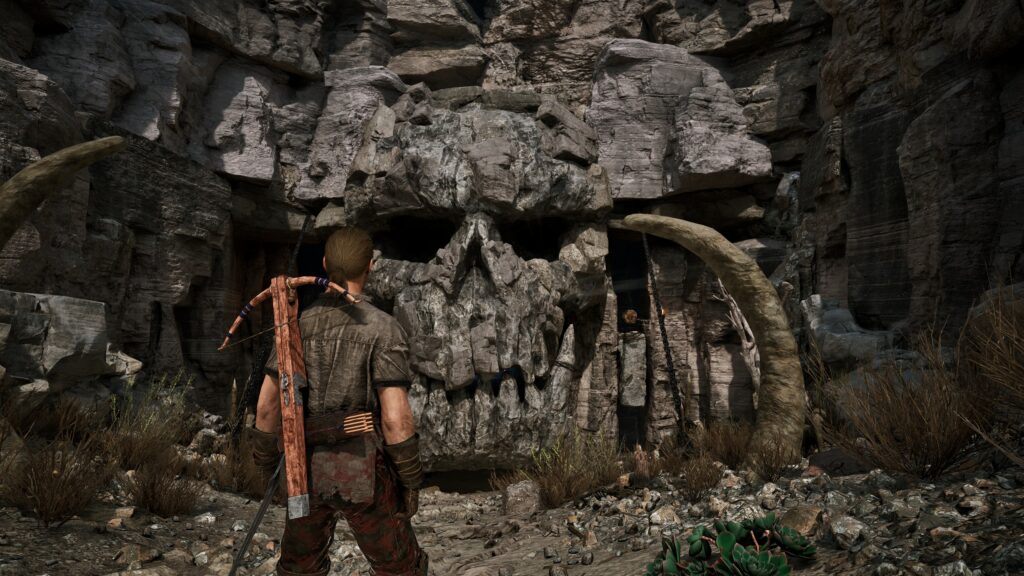
There are many reasons why Gothic is one of the best RPGs of all time and why, to this day, it remains a favorite (more on that in my retrospective here). Gothic beat Morrowind to a punch to become the most immersive RPG of the time. Contrary to the majority of RPGs, Gothic isn’t an epic adventure to save the world. Gothic isn’t even about becoming the most OP creature in the world. Gothic is the story of an NPC becoming a somebody while trying to survive a hostile world that wants to tear any new fish apart. Sure, if you play your build right, you can pretty much become a tour de force of the prison colony the game is set in. More so in Gothic 1 than in 2. But that’s besides the point.
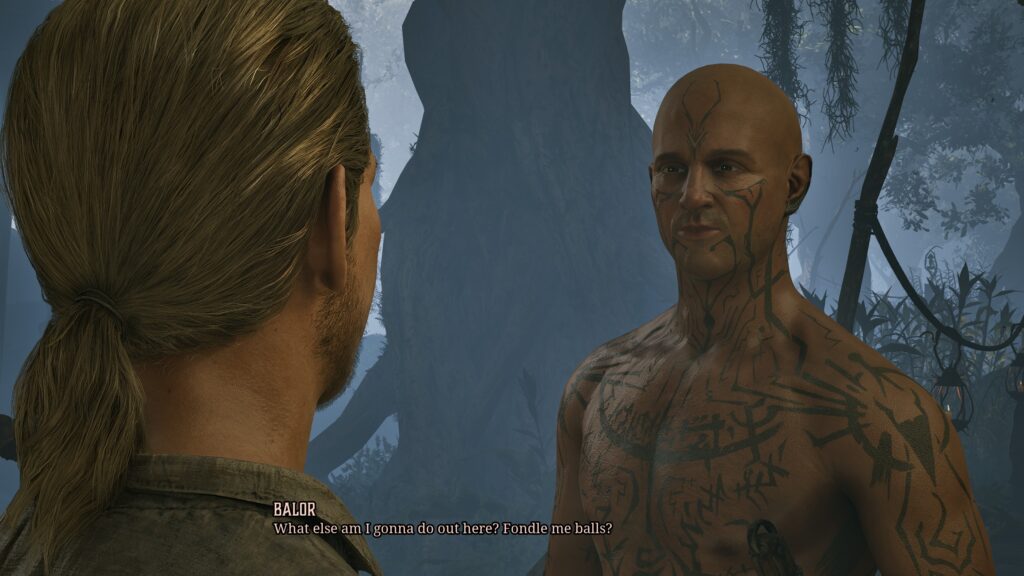
When people say Gothic is about role-playing as an NPC, they mean it in terms of how the world reacts to the player. The relatively small (by today’s bloated standards) open world and its inhabitants go on about their business regardless of whether the Nameless Hero exists or not. You start out as an absolute loser and are subjected to beatings, threats, harassment, and busy work. But you don’t give up. You train. Invest in yourself and finally become the baddest motherfucker in the entire colony. Now people fear you. More than that, they respect you. It’s crazy how a handful of people made you feel like progression actually matters, both within the story and the moment-to-moment gameplay. It’s hard to find an RPG that makes you feel the difference a single skill point or a single point of armor makes. It was impressive in 2001, and it’s impressive now.
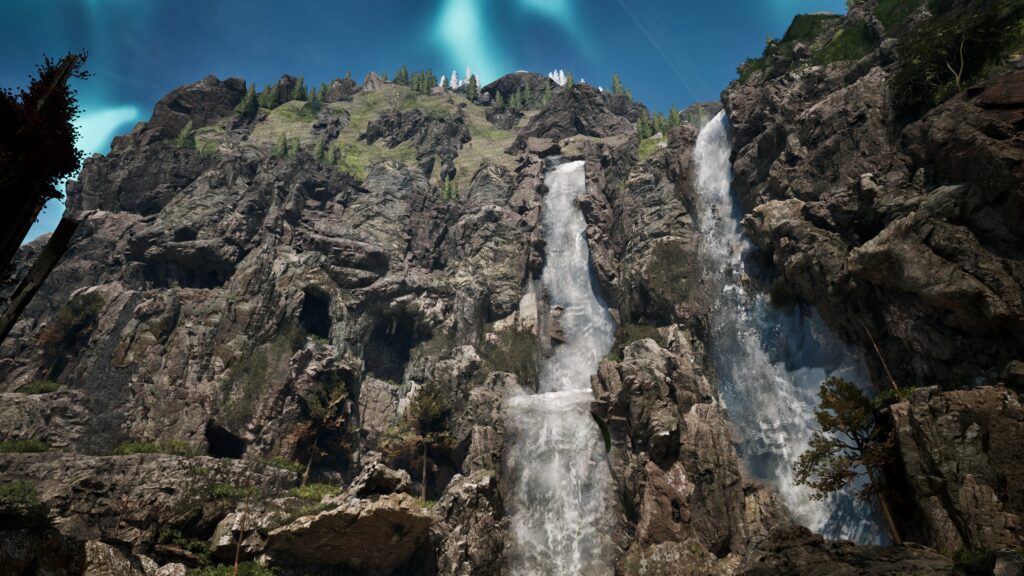
At the same time, Gothic is over 25 years old, and a lot of aspects of it beckon change. The developers really understood what made the world of Gothic work and what aspects of it need to be preserved even if it sounds counterintuitive these days. That doesn’t mean there isn’t any change. Far from it. Gothic was a game made on limits. Heck, it thrived on its limits. Alkimia has carefully changed aspects of it that come across as organic growth rather than tacked on. Thanks to Unreal Engine 5, it looks simply gorgeous and, at the same time, preserves the brooding atmosphere of the OG.
Gothic 1 remake features an expanded world that fills out the empty spots of the original. Rather than outright creating new sections of the map, Alkimia has done this in a manner that’s very subtle, with the new content meshing in with the old quite gracefully. The narrative beats have been slightly overhauled to make events more impactful. For example, the bond between the four supporting characters is now more apparent than ever, whereas it was just implied in the original. The orcs get more prominence, as does the swamp camp. Most importantly, more quests have been added to the later chapters, and their implementation is so good that you’d feel the Mandela Effect.
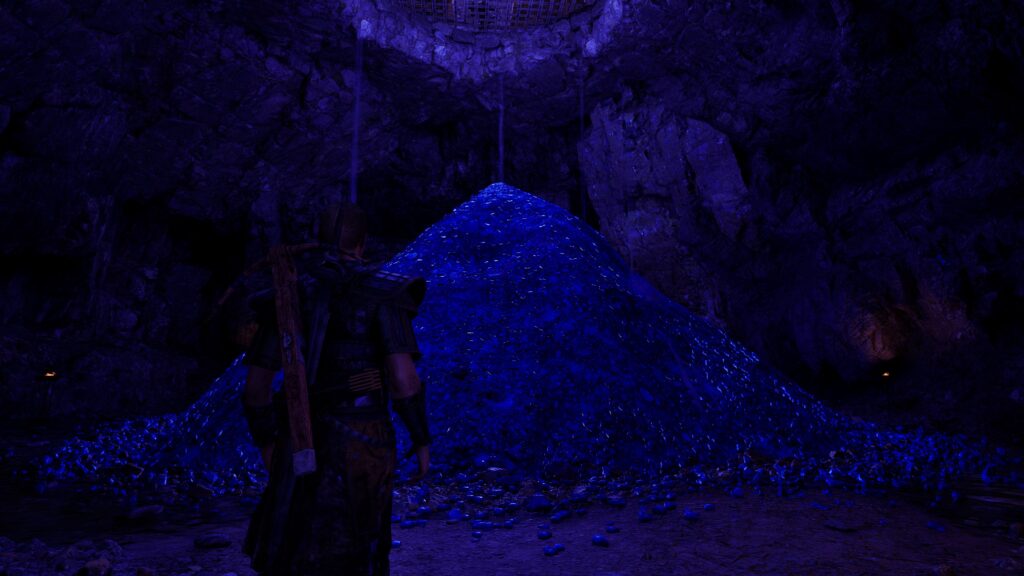
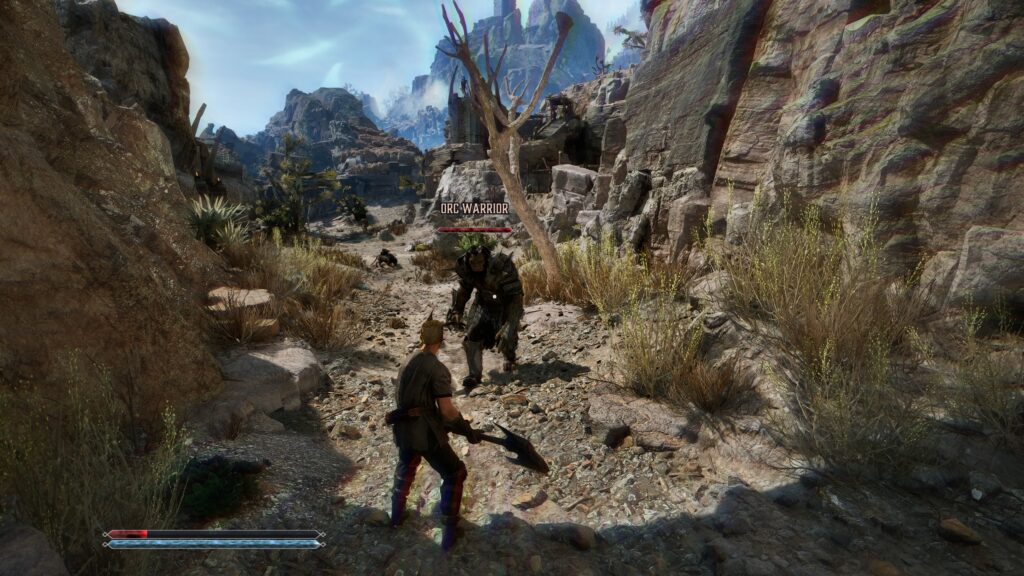
Since the remake is built from the ground up with a new and shiny engine, the entire animation and physics system has been reworked. Even if you can still sense the Gothic DNA beneath, it looks and plays like a modern RPG. The loveable jank is still there, and you’d often run into minor bugs and scripting issues. By far, the biggest change is the improved combat system. Gothic combat is always an aquired taste. The remake features a more streamlined but still challenging combat system that depends on the stats of the character, not the player. The new animations are lovely as well, and it’s a pleasure seeing the growth of the Nameless Hero reflected in the combat system.
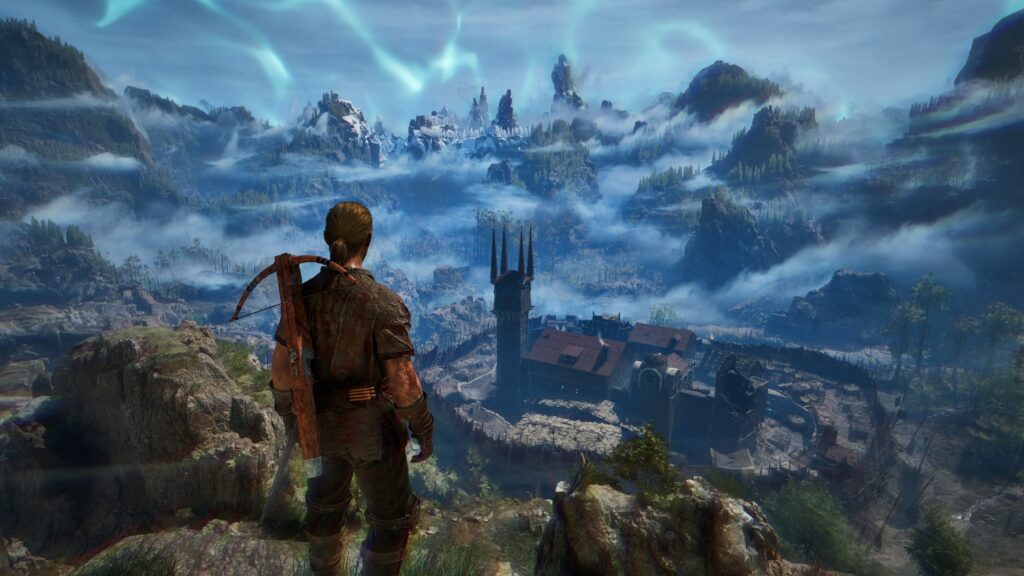
It’s a shame that this beauty comes at the price of performance. Gothic 1 Remake sports all the worst sides of UE5, including traversal stutters, grainy visuals, the trademark “UE5 unified look,” and more. The performance is on the middling end too, even on medium-end PCs. Don’t even bother running it on lower-end handheld PCs. It can also run quite hot, pushing the thermals of your CPU to new heights.
Now, as with most modern games, Gothic 1 is an ongoing project. That means that patches are continuously rolled out to smooth out the rough edges it launched with. Aside from the bugs and technical hurdles, the balancing of the remake is a topic of contention. The biggest outlier is the Mage class. In the original game, Magic was a long but ultimately rewarding path to take. Here, it’s a long but not that rewarding path due to how underpowered many of the spells are. The experience you’ll be having while playing as a generic warrior vs. a mage will be night and day. The devs have acknowledged this and pushed out a patch to buff some of the mid-game spells. But it’s not enough. Not yet, anyways. The other ranged options don’t feel that great as well because the aiming of bows and crossbows doesn’t feel that great. They should be more snappy and have snappy feedback.
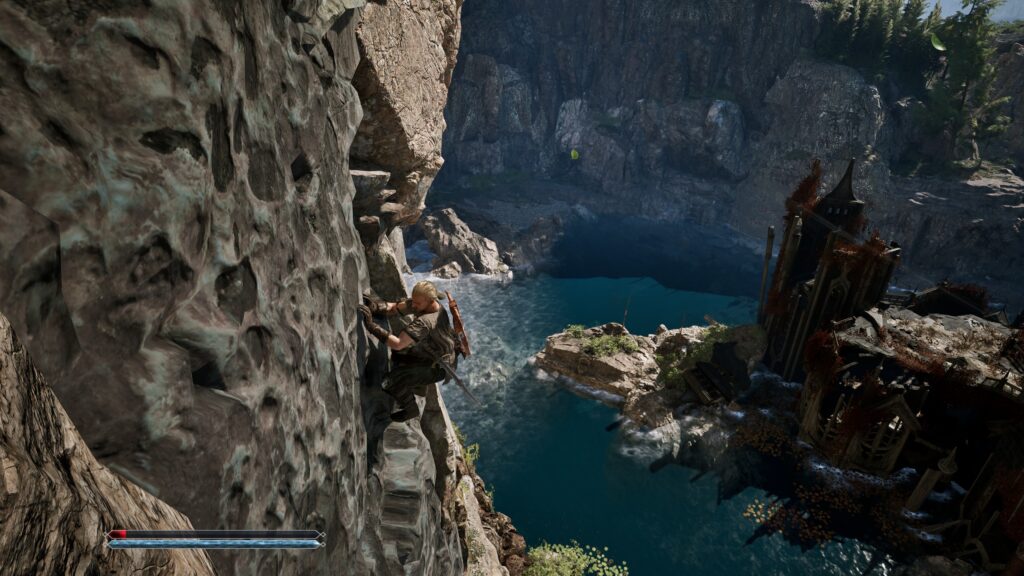
Alkimia has improved the cooking, blacksmithing, and thievery skills. However, they’re still pretty pointless, requiring more work but having underwhelming payoffs. There is now a lockpicking system, complete with its own skill progression. But it also comes with the worst lockpicking mechanic I’ve ever had the displeasure of engaging in. Minigames are supposed to be fun little diversions from the main gameplay loop. In Gothic 1 Remake, it’s an overly complex, time-consuming endeavor and not very rewarding. But not all new additions are bad. I loved the wall-scaling ability and the facility to call upon a scavenger and ride it. It does make transforming into fast-moving animals redundant, but hey, it looks cool as hell. I’m all in for more scavenger representation. Truly the unsung heroes of the Gothic series.
Real Talk
Gothic 1 Remake is everything a good remake should strive to be. It stays remarkably faithful to the spirit of the original while delivering meaningful improvements across nearly every aspect of the experience. Even its more drastic changes feel like natural extensions of the Gothic formula rather than unnecessary departures.
Can it replace the original? That’s a difficult question for me to answer objectively, as I have too much history with Classic. However, if you’re new to the series, there is no better place to begin. What ultimately keeps the remake from true greatness are its technical shortcomings and the inherent challenges of balancing a single-player RPG. There are certainly areas where it could be refined further, but even in its current form, Gothic 1 Remake stands as one of the year’s strongest releases and a worthy revival of a beloved classic.
FINAL RATING: 80/100