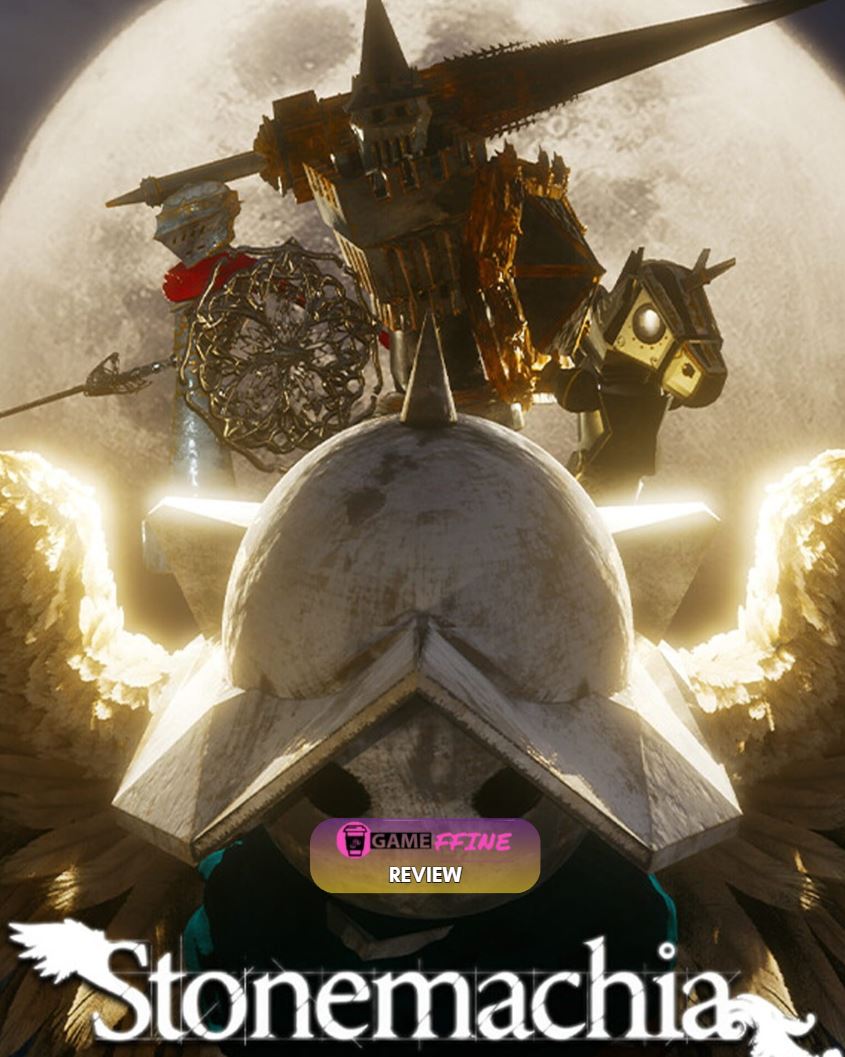



I’ll be honest, when I first saw Stonemachia, I thought it was going to be another indie soulslike. Not because it looked bad, but because there are so many games trying to capture that formula these days. Dark fantasy world? Check. Challenging combat? Check. Mysterious lore? Check. So I went in with pretty normal expectations. A few hours later, I found myself way more invested than I expected. The thing that kept me interested wasn’t just the combat or the visuals. It was the fact that the game feels like it has its own identity. A lot of Soulslikes can blur together after a while, but Stonemachia has a couple of ideas that immediately make it stand out, especially the chess transformation system.
The Game Doesn’t Care If You’re Ready
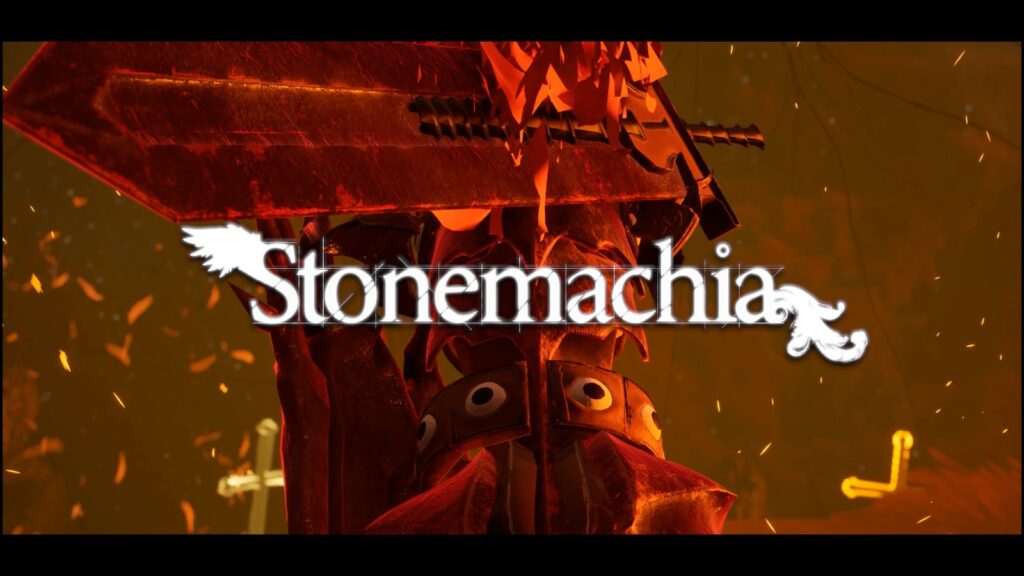
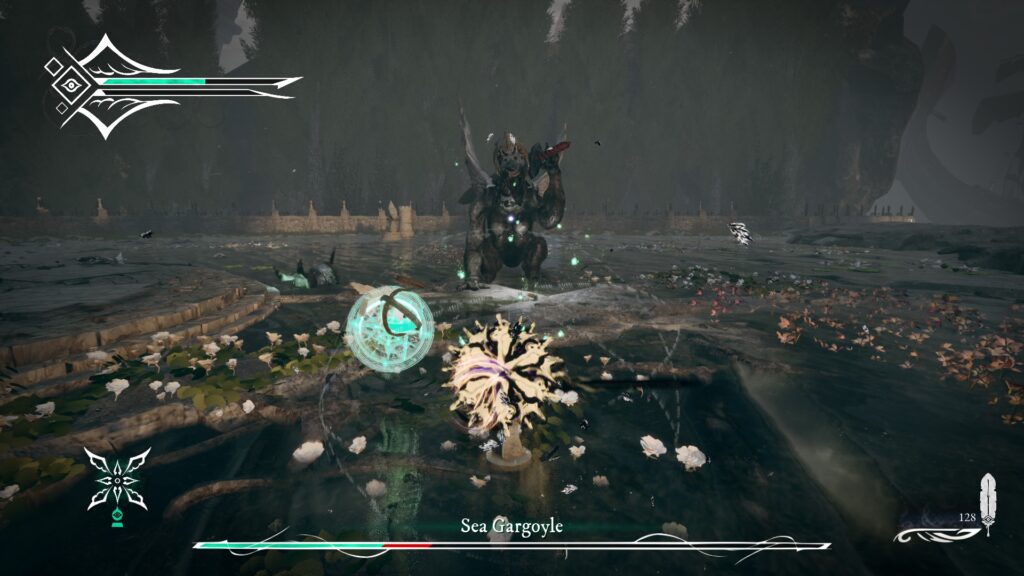
One thing became clear very quickly: Stonemachia isn’t interested in being easy. The combat can be brutal when you’re first learning it. There were multiple fights where I thought I had everything under control and then got completely destroyed because I got impatient. That’s probably the biggest lesson the game teaches. Patience. I had to stop treating fights like action-game encounters and start treating them like problems that needed solving. Once I started paying attention to enemy patterns instead of rushing in, combat became a lot more satisfying. What I liked most is that I rarely felt cheated. Most of my deaths were my own fault. Annoying in the moment? Absolutely. But looking back, I could usually see exactly where I messed up.
The Lore Is Interesting… I Think.
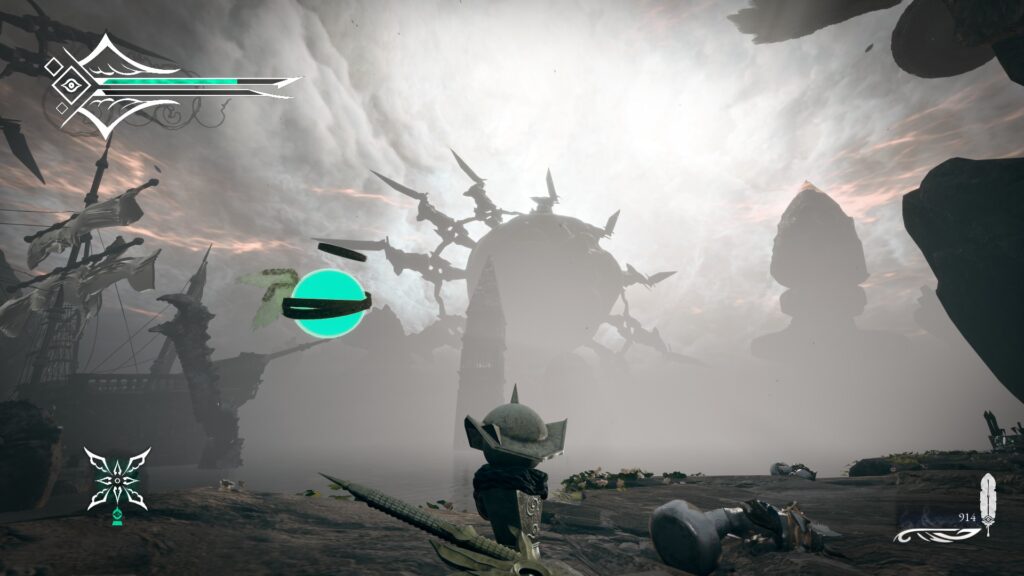
This is probably the weirdest compliment I can give the game. I genuinely like the lore, but I can’t pretend I understood everything. Stonemachia throws you into a world that already feels broken and mysterious, and it doesn’t rush to explain itself. Sometimes I’d find a piece of information that answered one question and immediately created three more.Normally that would frustrate me, but here it kind of worked. The mystery became part of the appeal. Even when I wasn’t completely sure what was happening, I wanted to keep exploring because I felt like there was always another clue around the corner. By the end, I still had questions, but I was interested enough to care about finding the answers. That’s more than I can say for a lot of games.
The World Looks Amazing
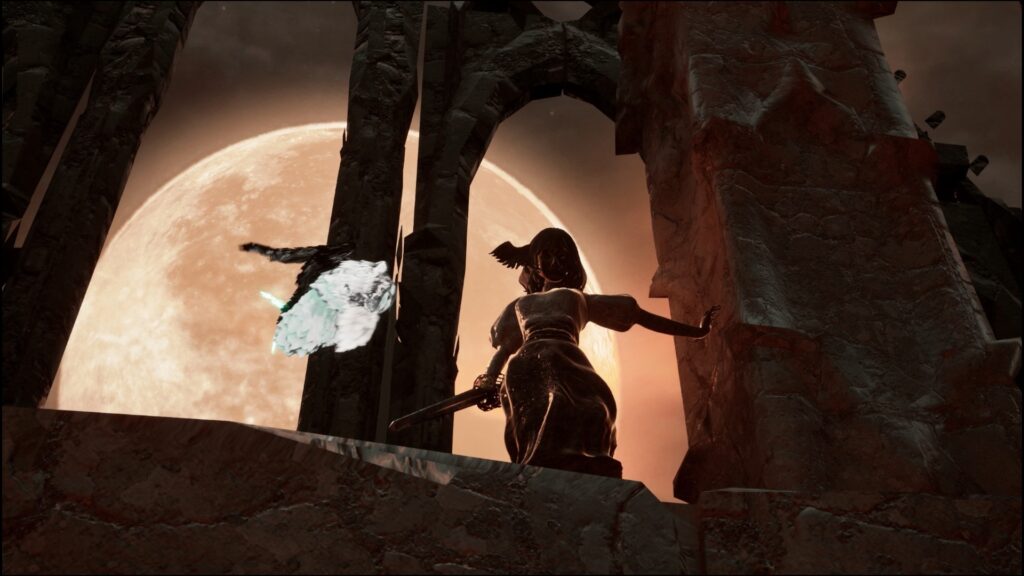
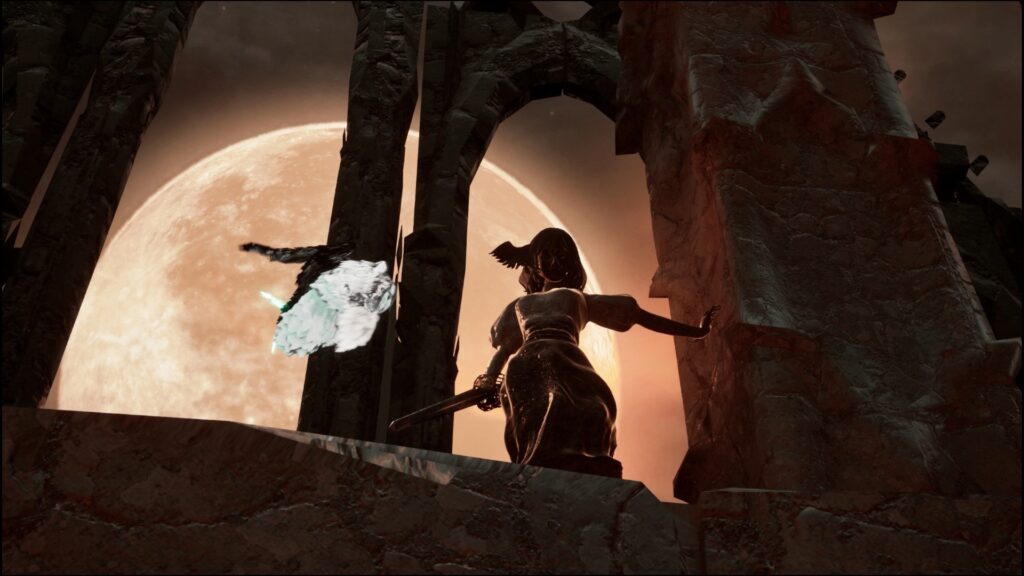
The art direction deserves a lot of praise. There are plenty of games with good graphics nowadays, so graphics alone don’t impress me much anymore. What stands out is when a game has a visual identity that sticks with you. That’s exactly what happened here. Some areas genuinely made me stop for a second just to look around. The environments have a lot of atmosphere, and everything feels like it belongs in the same world. It’s dark fantasy, sure but it doesn’t feel generic. The visuals do a great job of supporting the tone of the game, and the overall presentation kept me immersed from start to finish.
The Chess Transformations Are Why You’ll Remember This Game
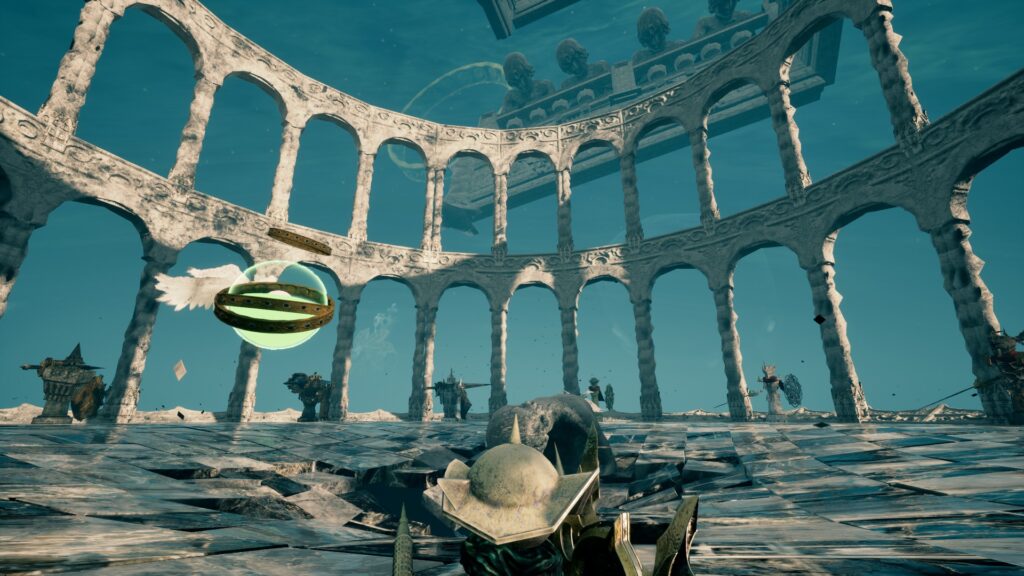
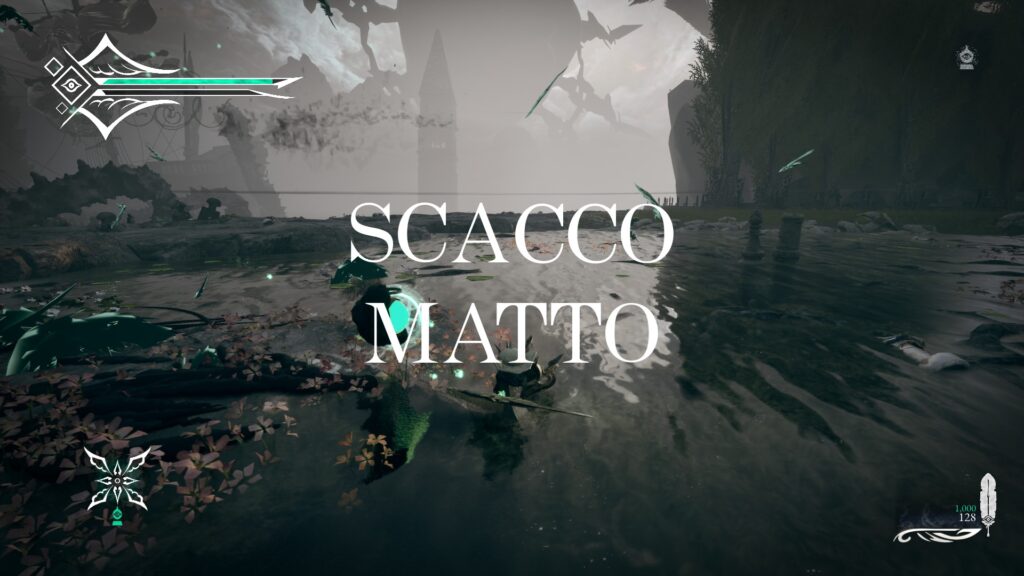
Without question, this is my favorite part of Stonemachia. When I first heard about the chess transformation mechanic, I thought it sounded cool, but I wasn’t sure how much it would actually matter. Turns out it matters a lot. This is the feature that gives the game its personality. If you took it away, Stonemachia would still be a solid game, but it wouldn’t be nearly as memorable. Every time the mechanic came into play, I was reminded that the developers were trying to do something different. And honestly, I wish more games took risks like this. It’s rare to find a mechanic that immediately makes a game recognizable, but that’s exactly what happened here.
Performance Was Never a Problem
This section is probably the shortest because there isn’t much to complain about. The game ran smoothly for me. No crashes, no major bugs, and no frustrating performance drops during combat. In a game where timing matters, that’s exactly what you want. Sometimes the best thing you can say about performance is that you stopped thinking about it entirely, and that’s pretty much what happened here.
Real Talk
Stonemachia isn’t perfect. The lore can be difficult to follow, and the challenge level is definitely going to turn some people away. If you’re looking for a straightforward story or a casual experience, this probably isn’t the game for you. But if you enjoy difficult combat, mysterious worlds, and games that aren’t afraid to try something different, there’s a lot to like here. What I’ll remember most isn’t a specific fight or a specific location. It’s the feeling that the game had its own ideas and wasn’t afraid to build around them. The chess transformation system alone makes it worth paying attention to and combined with the strong art direction, interesting lore and satisfying combat, it creates an experience that stuck with me more than I expected.
FINAL SCORE: 88/100
Stonemachia
StonemachiaThe Good
- Unique chess transformation mechanic that helps the game stand out
- Challenging combat that rewards patience and learning
- Strong art direction and impressive visuals
- Intriguing lore that encourages exploration and theory-crafting
The Bad
- Some players may find the learning curve intimidating
- Storytelling is often vague and requires interpretation