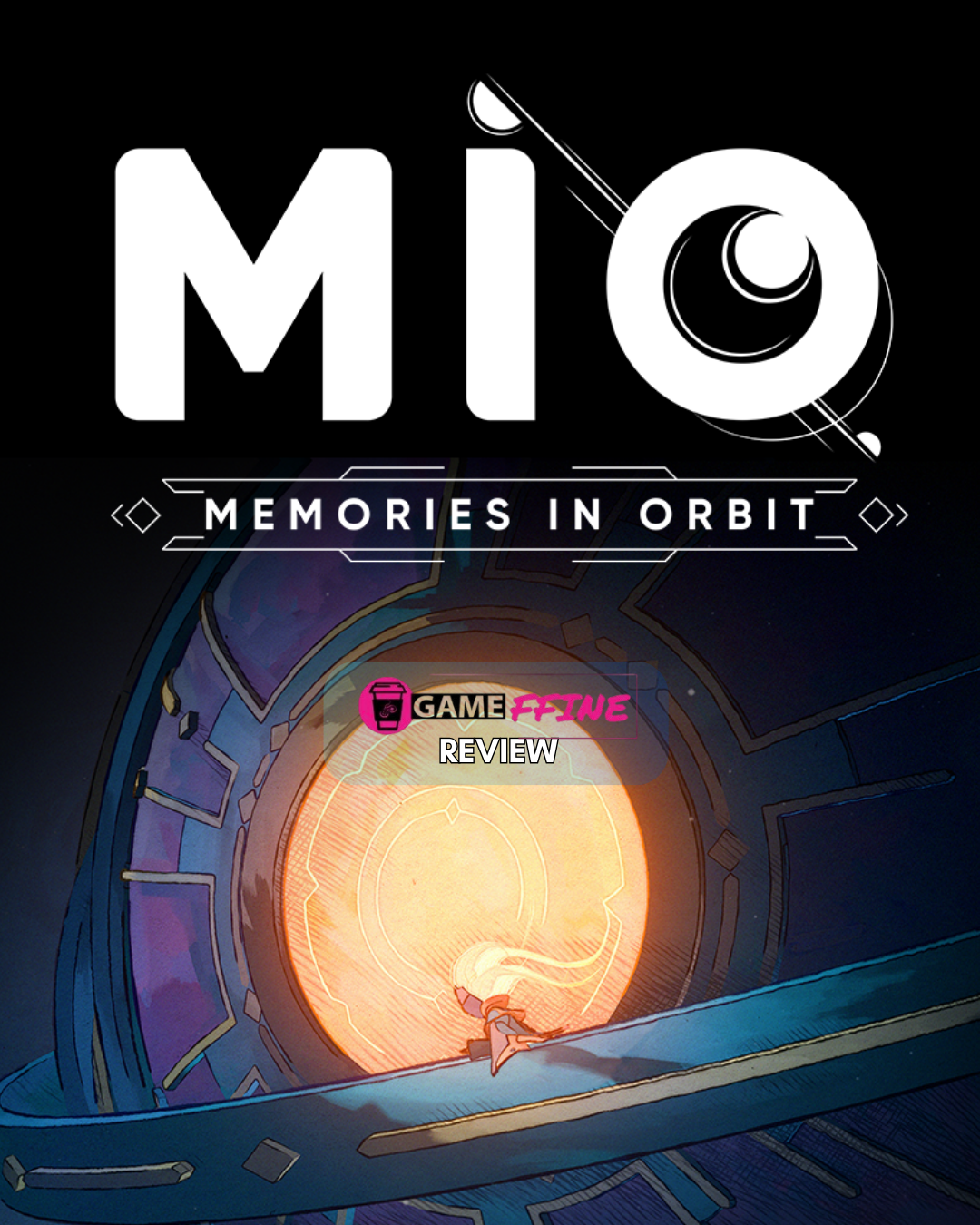




I didn’t know what to expect going into MIO: Memories in Orbit. The screenshots looked nice, the genre was familiar, and that was about it. After spending a good amount of time with it, I can say this is one of those games that doesn’t immediately try to win you over. It takes its time. Sometimes a little too much time. But if you meet it on its own terms, there’s something genuinely memorable here. This is a metroidvania through and through, but it’s not interested in being flashy or loud. There’s no constant stream of upgrades, no nonstop combat, and no big cinematic moments shoved in your face every ten minutes. Instead, MIO builds its identity through atmosphere, quiet exploration, and a sense of loneliness that never really goes away.
First Impressions and Tone
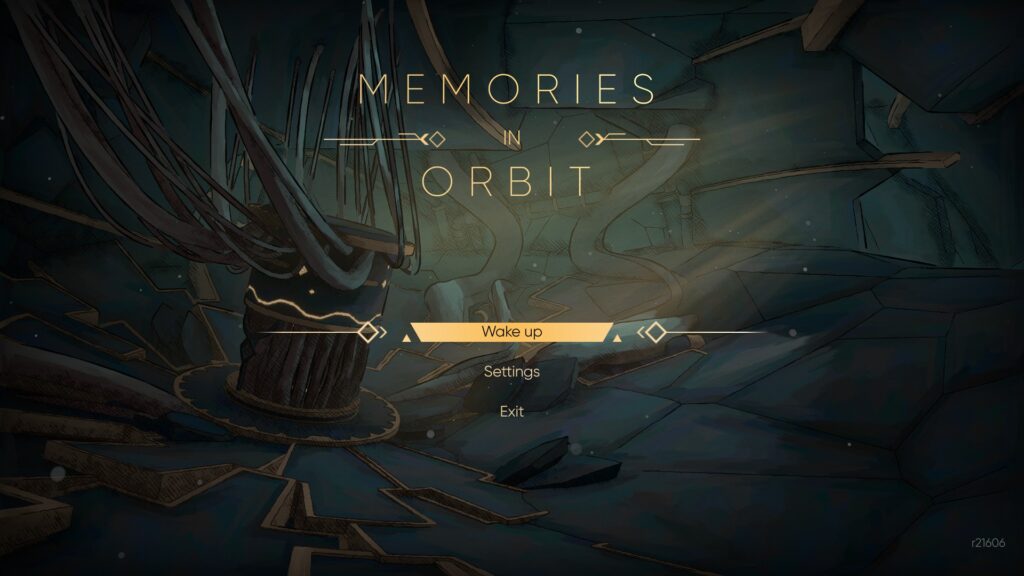
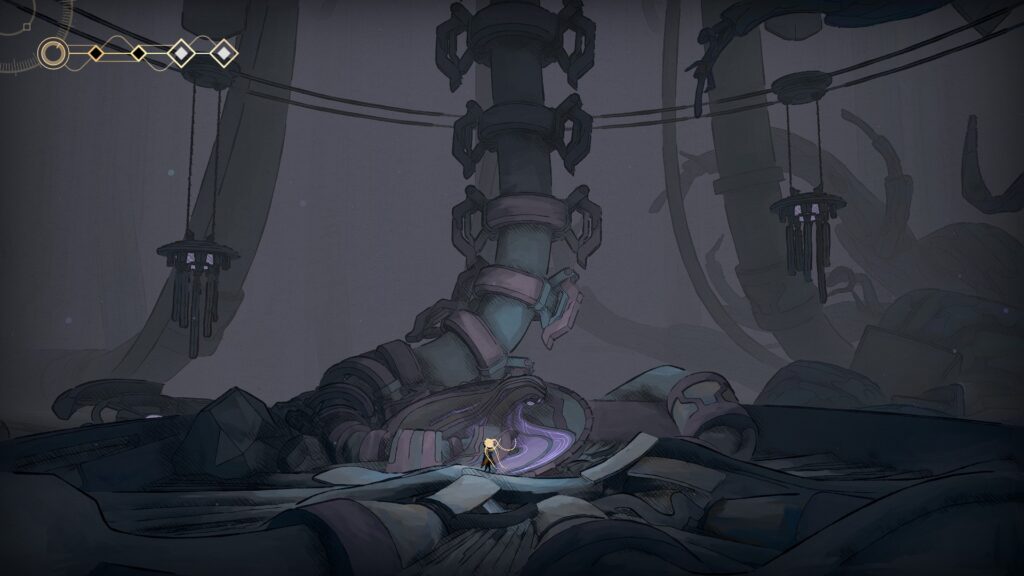
From the opening moments, the game establishes a very specific mood. You wake up alone on a massive space station that feels half-dead, half-dreaming. Lights flicker. Machines hum quietly. Long hallways stretch out with no clear destination. The game barely explains anything, and that feels intentional. At first, I wasn’t sure how I felt about that. I kept waiting for the game to “kick in,” to give me a clear goal or some dramatic hook. It doesn’t really do that. What it does instead is let you wander, observe, and slowly get comfortable with the idea that you’re not going to have all the answers right away. That sense of restraint defines the entire experience.
Story Without Overexplaining
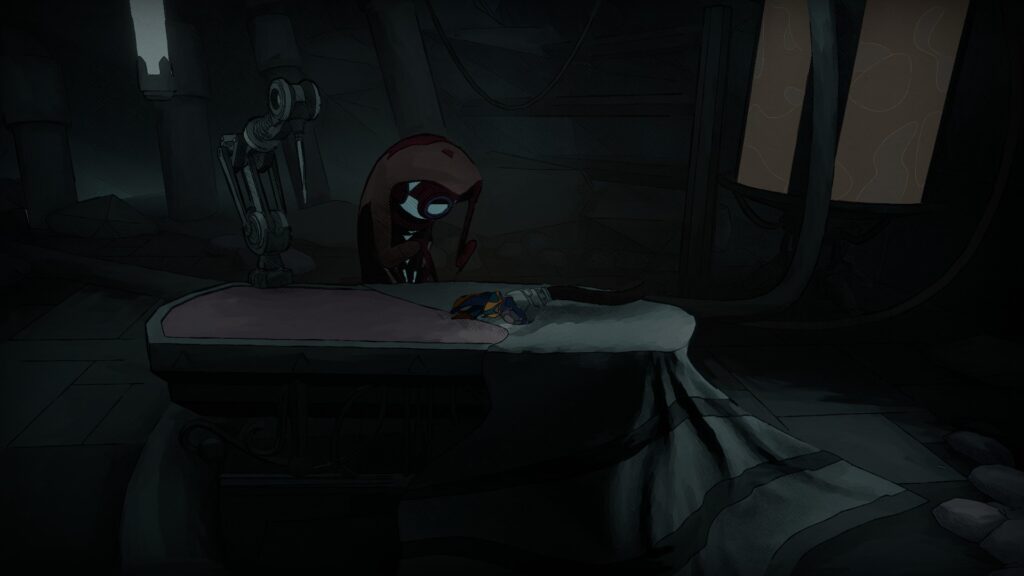
The story in MIO is subtle, sometimes almost frustratingly so. You play as MIO, a small android navigating the remains of a space station drifting in orbit. What happened here, who built this place, and what MIO actually is are all questions the game raises early on, then refuses to answer directly. Instead, the story is told through fragments. Short conversations. Environmental details. Bits of memory scattered throughout the station. You piece things together gradually, and even then, some parts are left open to interpretation. Personally, I liked this approach. It made the world feel more believable and more haunting. That said, if you are someone who wants a clear narrative thread or strong character-driven storytelling, this might feel too distant. MIO is less about plot twists and more about mood and reflection.
Exploration Is the Main Draw
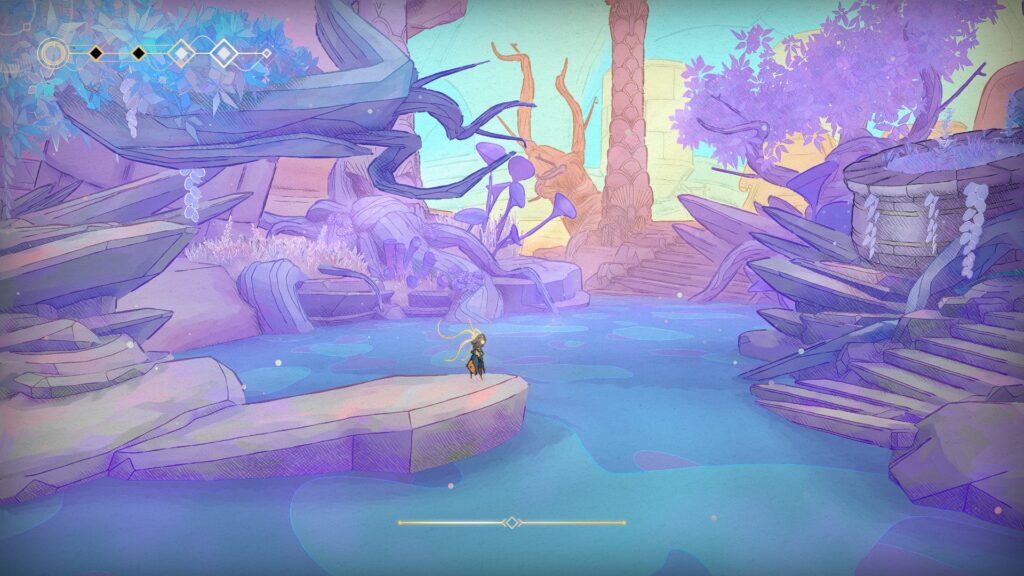
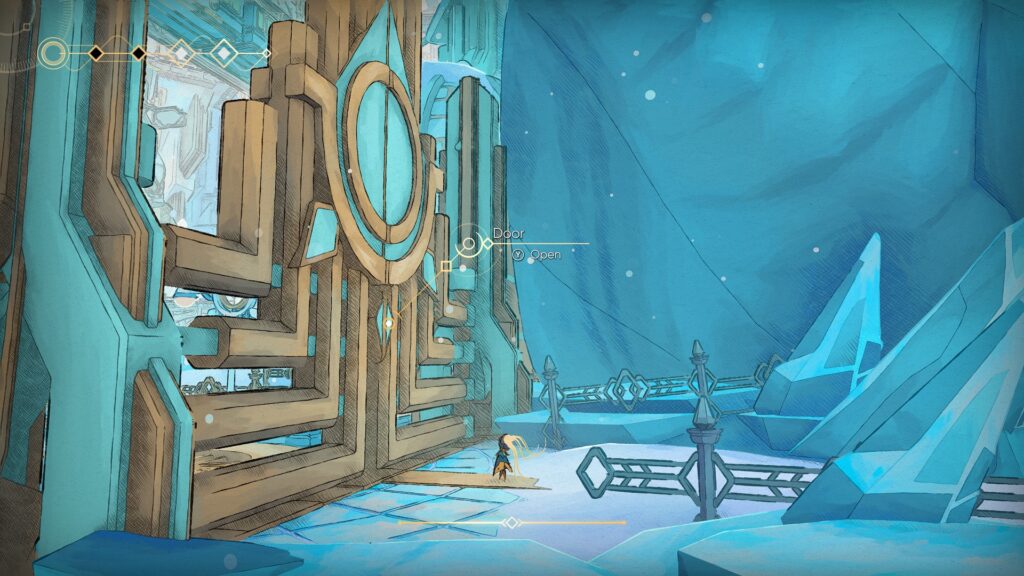
Exploration is where the game feels strongest. The World is large, interconnected, and clearly designed with care. Early on, you’ll constantly run into areas you can’t access yet. A ledge just out of reach. A door that needs a specific ability. A path blocked by something you don’t understand. Instead of being annoying, these moments stick in your head. You start remembering locations naturally, without the game needing to mark everything for you. When you finally unlock a new ability and realize where you can use it, there’s a quiet sense of satisfaction that feels earned. Movement feels good overall. Jumping and traversal are responsive, and later abilities add just enough complexity to keep things interesting without overwhelming you. It never turns into a pure platforming challenge, but it does demand attention. Backtracking is a big part of the experience, and whether you enjoy that will depend on your patience. I found it mostly rewarding, especially when returning to old areas, which revealed shortcuts or hidden sections I had missed earlier.
Combat That Doesn’t Overstay Its Welcome
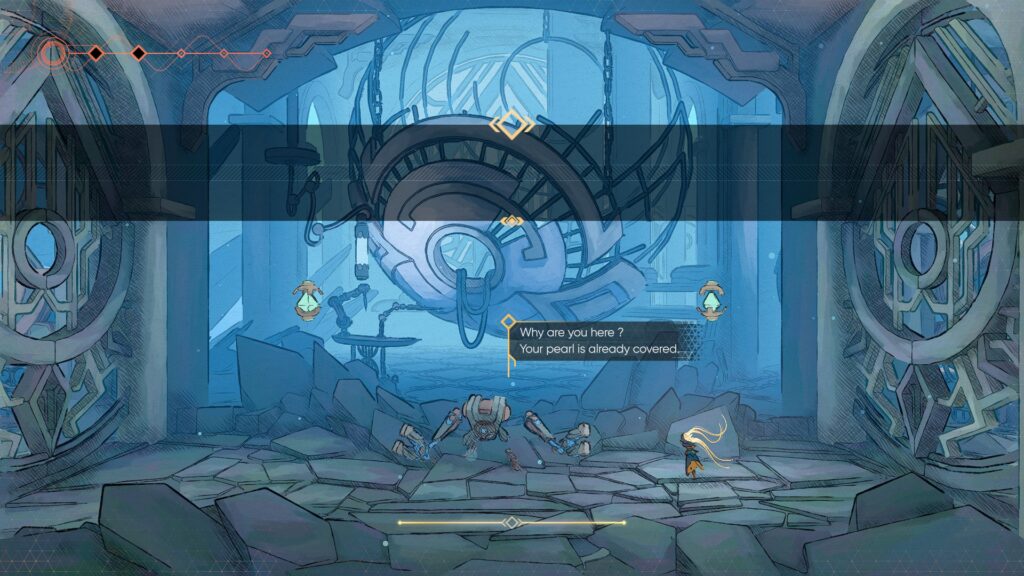
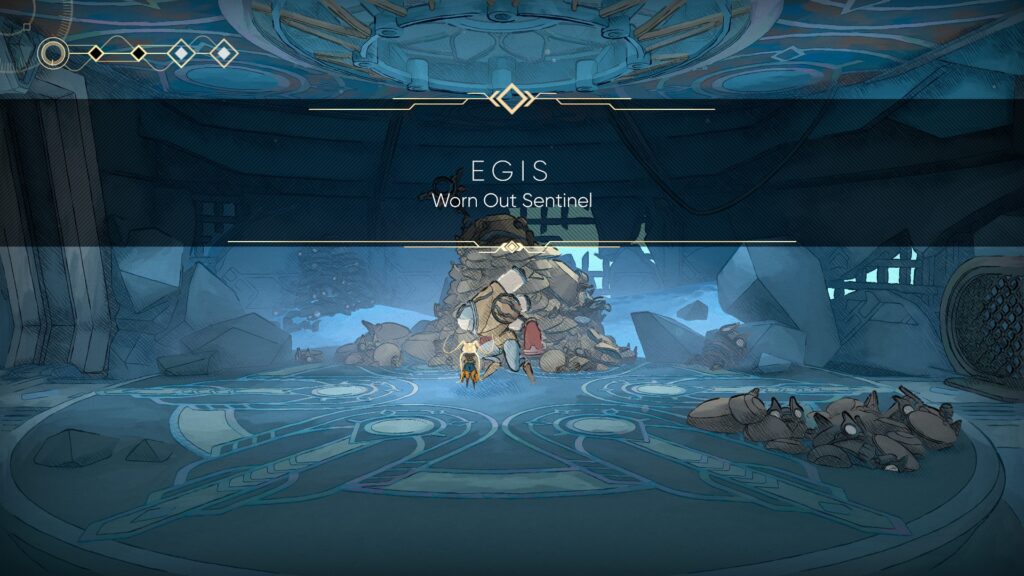
Combat in MIO is fairly simple, and I think that’s intentional. You are not meant to feel like a powerful warrior tearing through enemies. You’re small, fragile, and very aware of your surroundings. Regular enemies aren’t overly aggressive, but they can still punish sloppy play. You need to pay attention to positioning and timing rather than button-mashing your way through encounters. Boss fights are where combat really shines. Each boss feels distinct and well thought out, with clear patterns that you’re expected to learn. They can be tough, especially the first few times, but they rarely feel unfair. When you lose, it usually feels like your mistake, not the game’s. Combat isn’t the reason you’ll remember MIO, but it does its job well enough to support everything else.
Visuals and Presentation
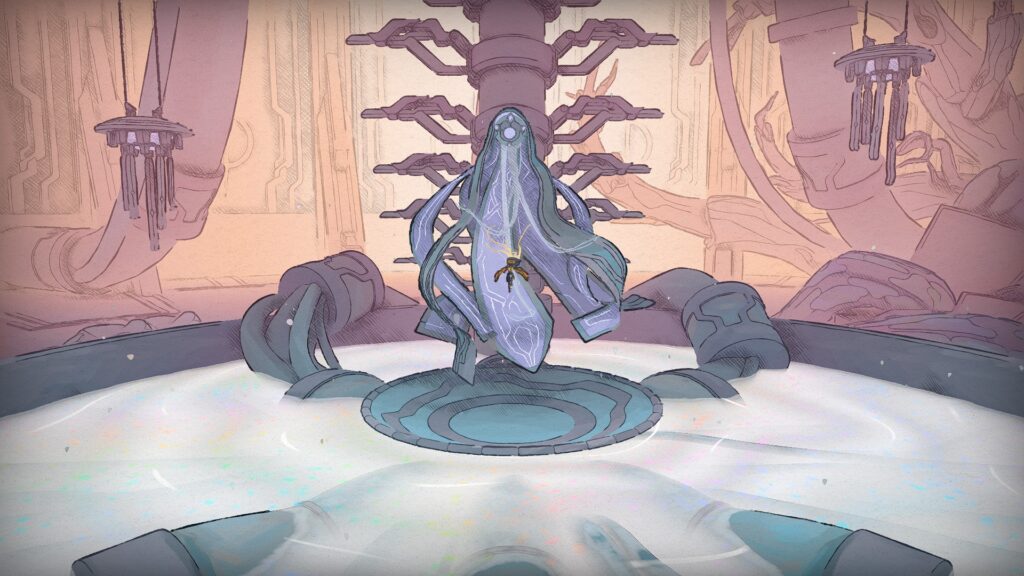
Visually, the game is quietly impressive. The pixel art is detailed but never cluttered. Everything looks worn down, slightly broken, and held together by habit rather than care. It fits the setting perfectly. Lighting is used extremely well. Soft glows, dim corridors, and deep shadows give the station a sense of depth and decay. Some areas feel cold and mechanical, while others feel oddly calm, almost peaceful. These shifts help keep exploration engaging even when revisiting familiar places. MIO’s character design also deserves credit. The protagonist looks small and vulnerable compared to the massive environments, and that contrast reinforces the game’s themes without needing any dialogue.
Sound Design and Music
The sound design might be one of the game’s strongest elements. The soundtrack is minimal and ambient, often fading into the background or disappearing entirely. Instead of constant music, you hear machinery, distant echoes, and the subtle sounds of the environment. Silence plays a huge role here. Long stretches of quiet exploration feel intentional, not empty. The game lets you sit with your thoughts, which is rare and refreshing. When the music does come in, it’s understated and emotional, never overpowering the moment.
Difficulty and Pacing
MIO isn’t brutally difficult, but it does expect you to pay attention. The pacing is slow, especially in the early hours. New abilities take time to unlock, and progress can feel subtle rather than dramatic. Some players might find this boring. I found it calming, though I can understand why it won’t click with everyone. The game doesn’t rush you, but it also doesn’t push you forward aggressively. You’re responsible for your own momentum. Checkpoints are fair, and deaths don’t feel punishing. The game respects your time, even when it challenges you.
Real Talk
MIO: Memories in Orbit feels like a game made with confidence. It knows it’s not for everyone, and it doesn’t try to be. It’s quiet, patient, and sometimes a little stubborn in how much it refuses to explain. If you enjoy metroidvanias for their atmosphere, exploration, and sense of place, this game is absolutely worth your time. If you need constant action, clear objectives, and a strong narrative push, you might bounce off it.
FINAL SCORE: 85/100
The Good
- Strong atmosphere that makes the world feel lonely, mysterious, and believable.
- Smooth, responsive movement that makes exploration feel natural and satisfying.
- Thoughtful world design that rewards curiosity and memory instead of constant hand-holding.
- Boss fights are well-designed, challenging, and feel fair once you learn their patterns.
The Bad
- Very slow pacing, especially in the early hours, which may turn some players away.
- Storytelling is vague and indirect, which can feel unsatisfying if you want clear answers.
- Backtracking is frequent and may feel repetitive if exploration isn’t your main interest.