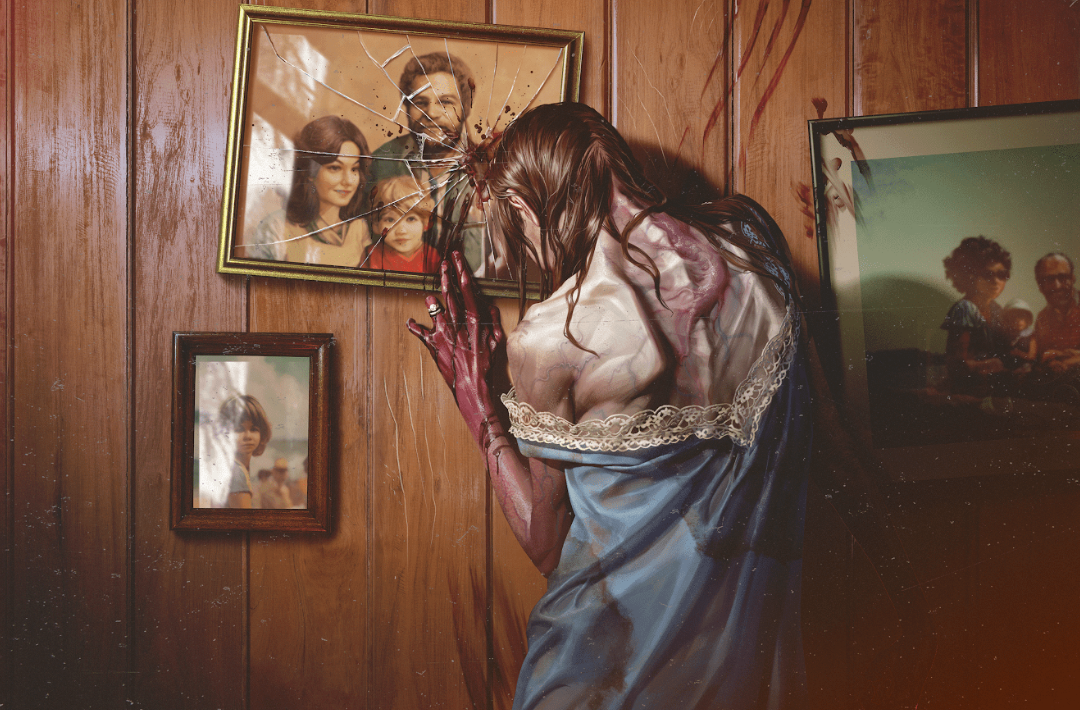





After playing through the demo of Into the Dead: Our Darkest Days, I can say it’s one of the more intense survival experiences I’ve had in a while. Set in 1980s Texas amidst a zombie outbreak, the game leans into survival mechanics and brings a level of emotional weight I wasn’t expecting. You’re not just fighting zombies; you’re trying to keep a group of survivors alive, balancing their needs and resources. Every choice feels like it matters, and small mistakes add up fast.
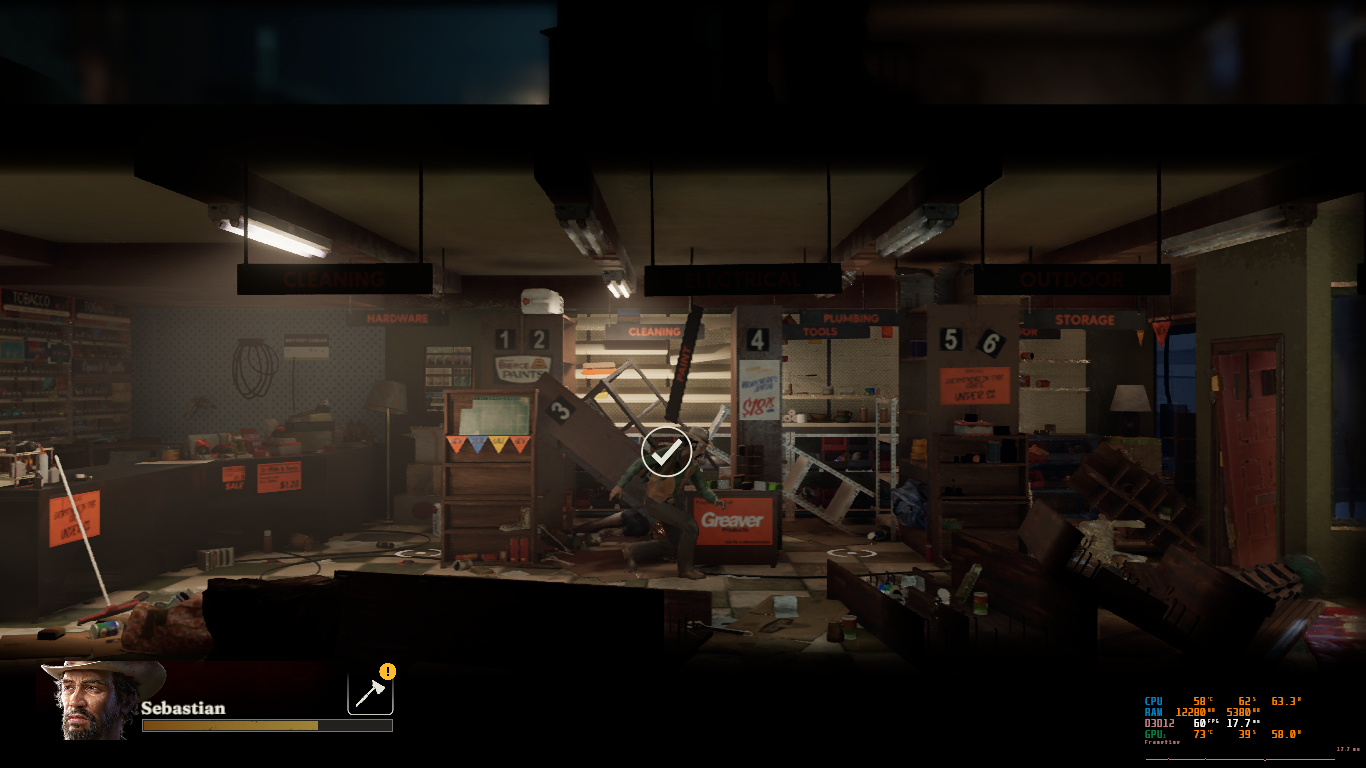
From the start, the game’s gritty 1980s aesthetic draws you in. Walton City feels like a hauntingly deserted version of small-town America, filled with abandoned homes and broken-down vehicles. But more than just a backdrop, this world feels hostile. The side-scrolling style heightens that sense of claustrophobia, as every step forward could be your last. Right from the demo’s opening moments, you feel a constant tension between trying to explore and knowing you’re one wrong move away from disaster.
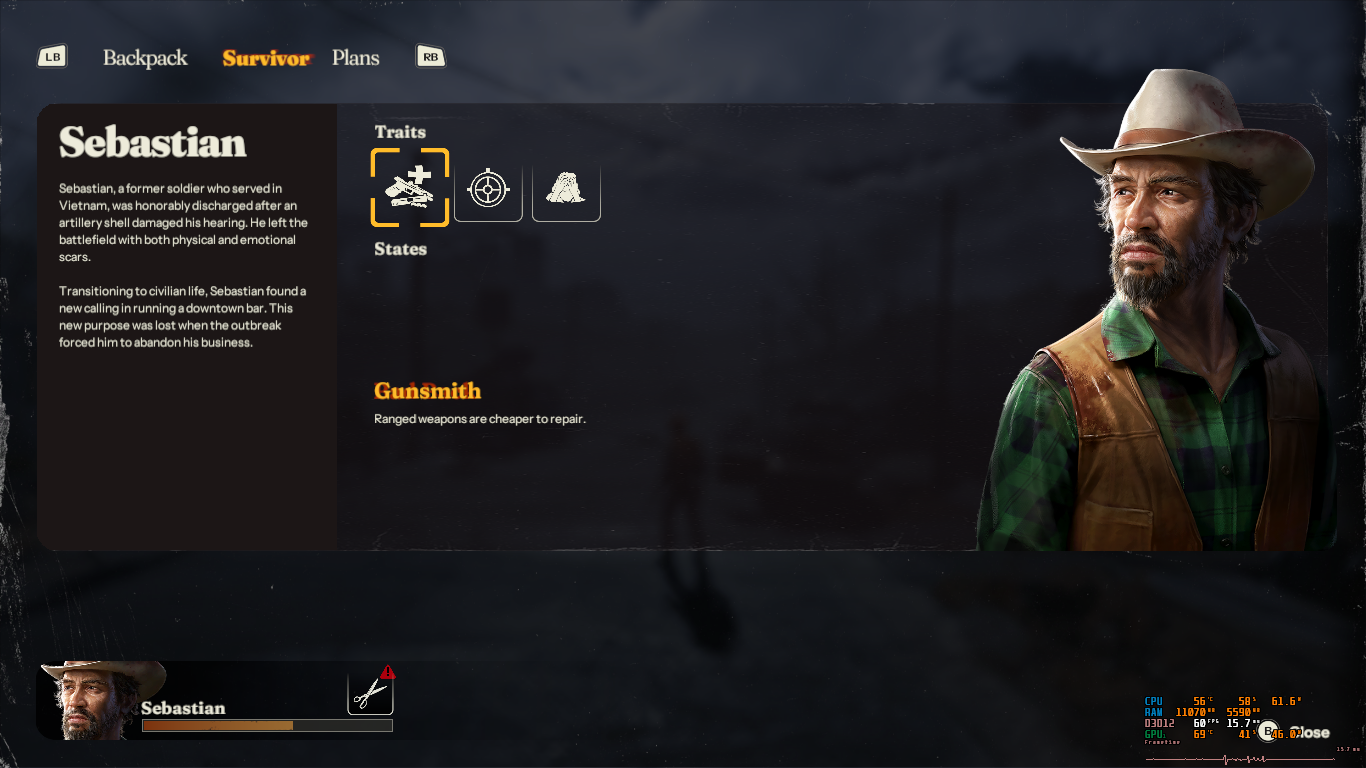
One thing that stood out immediately is how focused the game is on managing resources and balancing the needs of each survivor. There’s no abundance here; every scrap of food, every bullet, feels precious. Hunger, exhaustion, and morale all play into each survivor’s effectiveness, making it crucial to plan not only for combat but for their overall well-being.I remember coming across a small stash of supplies and deciding whether to push forward to look for more or turn back, knowing some of the group were already exhausted. Deciding to rest or press on feels like an actual survival choice, not just a gameplay mechanic, and that’s something rare.
In Our Darkest Days, you’re not controlling nameless survivors; these characters have their own fears, skills, and weaknesses. Watching relationships develop, and managing tensions when supplies run low, adds layers to each interaction. Unlike games where characters feel interchangeable, the survivors here feel real. You start to see how relationships impact the group’s morale and efficiency. If two survivors are close, they’re more likely to work well together, but if there’s tension, it can add strain, affecting everything from scavenging missions to combat scenarios. During one scavenging mission, two characters started bickering over how to handle an approaching group of zombies. It may seem like a small moment, but in a game where every action counts, these interactions add a sense of realism. It’s not just about keeping their physical health in check; managing their mental state and morale can be just as important.
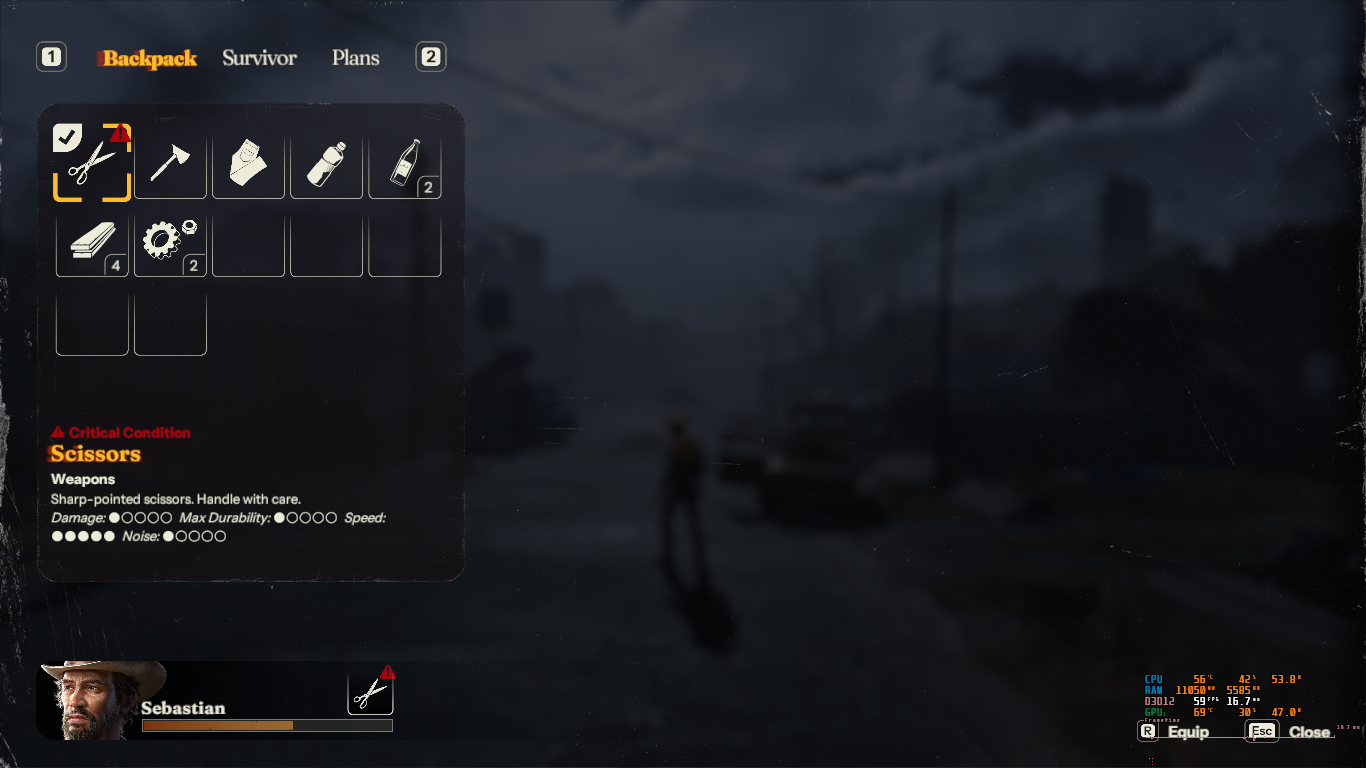
riskThe zombies in Our Darkest Days aren’t mindless bullet fodder; they’re deadly, and encounters with them are risky. Rather than diving into combat, the game heavily rewards a stealthy approach, emphasizing that survival sometimes means avoiding fights altogether. The zombies are dangerous in numbers, and even with limited weapons, you’re encouraged to think carefully before engaging. Every sound attracts attention, which means each decision—whether to go for a melee kill or fire a shot—has consequences. In one tense moment, I had to weigh my options between using a precious bullet on a zombie blocking my path or trying to sneak past and risking discovery. This balance of stealth and limited combat is intense, making every encounter a calculated risk.
When you do have to fight, the combat is gritty and often feels like a last resort. Weapons degrade, supplies are sparse, and firing off a gunshot could mean drawing in more zombies. This game makes you feel like every life-or-death moment is earned, not handed to you. Melee is also a gamble, as it puts survivors at risk of injury or infection. Even with the right gear, fighting zombies head-on is almost never a good idea, which adds to the feeling of constant vulnerability.
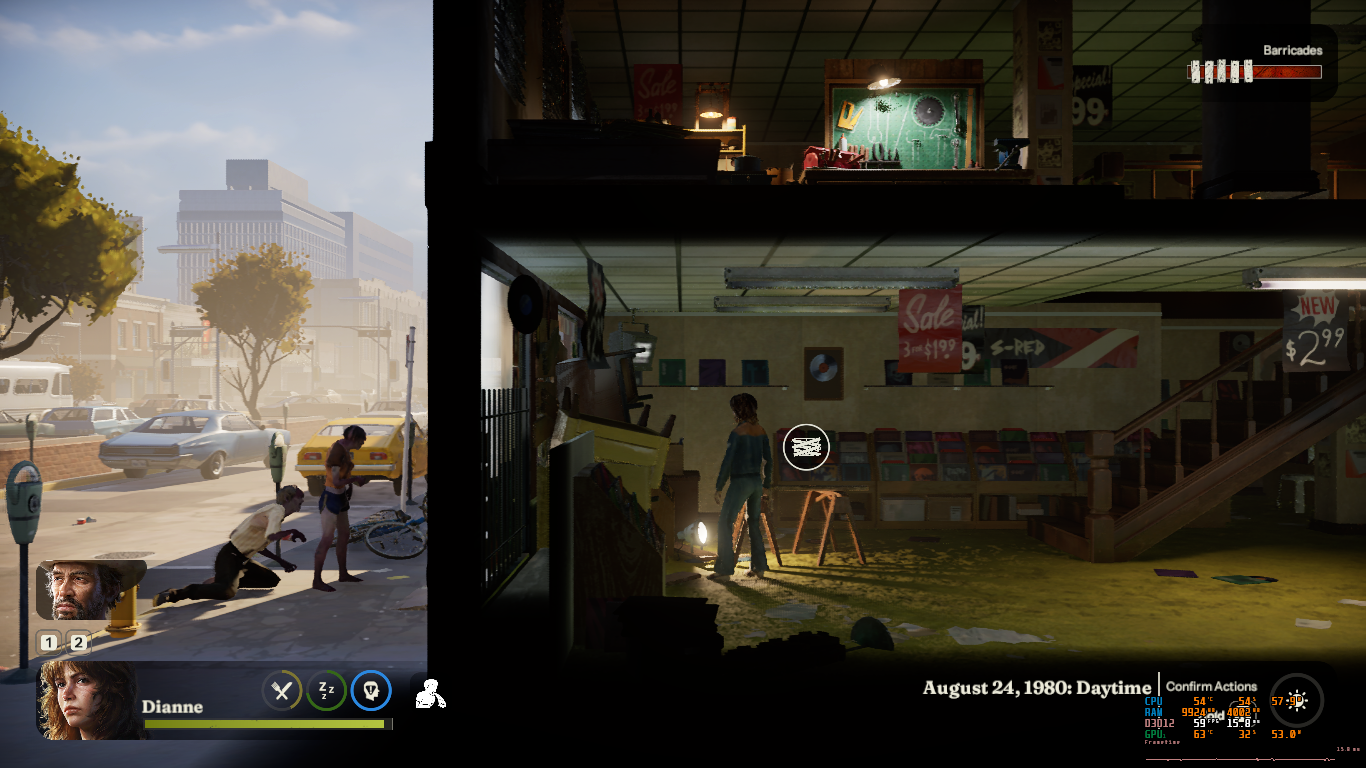
In the demo, I was constantly on the lookout for supplies, but this isn’t a game where you find everything you need in one place. Instead, you get bits and pieces that force you to make tough choices. Finding a half-empty medkit or a few bullets feels like a victory, and deciding who gets what can be just as hard as fighting the zombies. The shelter also becomes a central aspect of gameplay, providing a safe haven where you can heal, craft, and manage resources. I loved that you could upgrade parts of the shelter, adding a sense of long-term progression and strategy. Fortifying the shelter or improving its medical capabilities could mean the difference between life and death, especially if one of your survivors gets injured or sick. It gives you a small sense of control in an otherwise chaotic world.
The atmosphere in Our Darkest Days is incredibly effective. Walton City is depicted in a side-scrolling view that still feels expansive and immersive. The visuals are dark and gritty, capturing a world that’s been through complete devastation. It’s not just the visual setting that adds to the tension but also the sound design. Every moan, every shuffling footstep, keeps you on edge. The lighting is used brilliantly to heighten suspense—exploring dark buildings with only a flashlight can feel as terrifying as the actual zombie encounters.
WHAT WE THINK
After playing the demo, I’m really excited for the full release of Into the Dead: Our Darkest Days. It’s rare to find a game that balances the realism of survival management with the intense threat of zombies in a way that feels truly immersive. The game doesn’t just rely on scares; it makes every aspect of survival a challenge, from gathering resources to managing relationships.
1 comment